Not sure what to feed a sick toddler when their appetite vanishes and mealtime becomes a struggle? It’s tough watching your little one feel unwell, especially when they refuse to eat. But the right foods can help with healing and keep them nourished during recovery.
When toddlers are sick, simple and soothing foods work best—think banana, rice, applesauce, toast, and clear soups. According to pediatricians like Dr. Ari Brown, co-author of Baby 411, hydration is key, and offering small portions more often can make eating less overwhelming. Gentle, nutrient-rich choices can support their immune system without upsetting their stomach.
Looking for more food ideas that comfort, heal, and hydrate your child? Stick around as we explore the best meals, snacks, and fluids to offer your toddler when they’re under the weather.
What to Feed a Sick Toddler That Won’t Eat?
Feeding a sick toddler who refuses to eat can be a challenging situation for any parent. It’s essential to offer small portions of easy-to-digest foods, as large meals can be overwhelming.
Foods such as applesauce, yogurt, and plain crackers can be appealing to a toddler’s sensitive stomach. These bland foods not only provide sustenance but also help soothe their discomfort.
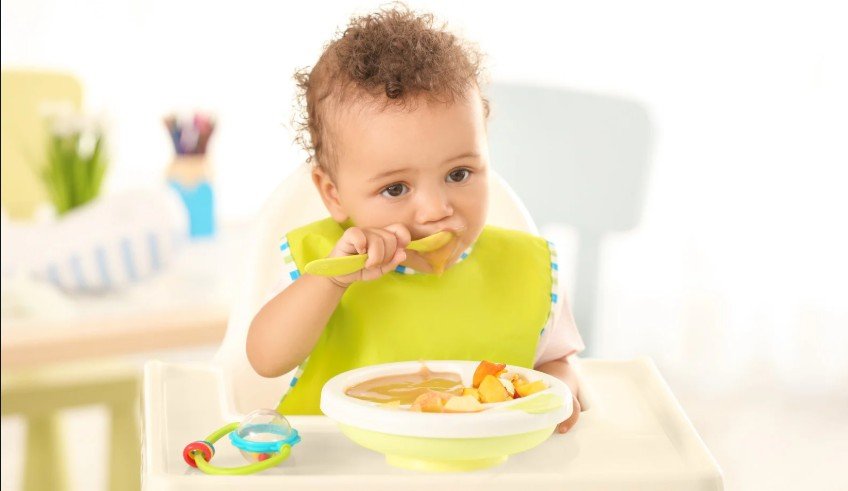
Additionally, presenting food in a fun and engaging manner may encourage your child to eat. You can try arranging their plate with colorful fruits or making shapes with their food to spark their interest.
Sometimes, a sick child may find comfort in familiar tastes. Offering warm chicken soup or broth can provide both nutrition and hydration, helping to ease symptoms like a sore throat. If your little one has a cough or is experiencing vomiting, having them sip on an oral rehydration solution can keep them hydrated.
Encouraging them to drink fluids like water or diluted juice can also make a big difference. Remember, patience is key; try not to pressure them too much, as this may worsen their appetite issues.
Hydration is the Prime Concern:
When your toddler is sick, maintaining hydration is the top priority. Illnesses often lead to fluid loss through vomiting or diarrhea, increasing the risk of dehydration. Signs of dehydration in sick kids can include dry mouth, decreased urine output, and irritability.
To combat this, it’s crucial to provide water-rich foods and drinks. For instance, watermelon is an excellent option, as it has high water content. Encouraging your child to drink fluids frequently can prevent dehydration and support their recovery.
Oral rehydration solutions are specifically designed to replace lost fluids and electrolytes, making them a valuable resource. You can also offer clear broths or diluted fruit juices.
If your little one is reluctant to drink, try giving them small sips from a fun cup or a straw, which may make the process more enjoyable for them. Remember, even when appetite is low, ensuring your toddler stays hydrated will help them regain strength and energy.
Best Foods to Feed a Sick Toddler: Help Your Kids Stay Healthy
When your toddler is sick, especially with something like a cold, fever, or stomach bug, it’s important to keep them nourished and hydrated without overwhelming their little tummies. Here’s a list of the best foods to feed sick toddler, depending on the illness:
🌡️ For Fever or General Illness
- Broth-based soups: Chicken soup is a classic for a reason—it’s warm, hydrating, and easy to digest.
- Mashed potatoes: Gentle on the stomach and can be fortified with a bit of nut butter or cheese for energy.
- Soft scrambled eggs: Mild, protein-rich, and easy to eat.
- Applesauce: Easy to swallow, soothing, and a bit sweet.
🤢 For Stomach Bugs (Vomiting/Diarrhea)
- BRAT diet:
- Bananas – gentle on the tummy and provide potassium.
- Rice – bland and helps firm up stools.
- Applesauce – easy to digest and hydrating.
- Toast – plain and simple carbs to settle the stomach.
- Plain crackers or dry cereal: Mild enough to nibble without causing nausea.
- Pedialyte or electrolyte drinks: To replace lost fluids and minerals.
🤧 For Cold, Cough, or Congestion
- Warm liquids: Warm water with honey (if over 1 year old), or herbal teas (like chamomile).
- Fruit smoothies: Add banana, yogurt, and a bit of honey for a vitamin-packed boost.
- Popsicles: Great for hydration and soothing sore throats—opt for ones made from real fruit or make your own.
- Yogurt: Contains probiotics to support immunity and is cool/soothing for the throat.
💧 Hydration Tips
- Encourage frequent small sips of:
- Water
- Coconut water
- Diluted juice
- Pedialyte or rehydration solutions
🍽️ Pro Tips
- Let them eat what they can tolerate—don’t force food.
- Offer small portions often rather than large meals.
- Avoid fatty, spicy, or sugary foods until they’re feeling better.
- Watch for signs of dehydration: dry mouth, sunken eyes, no tears when crying, or fewer wet diapers.
Common Cold and the Flu Nutritious:
For toddlers experiencing the common cold or flu, providing nutritious foods can aid in their recovery. Foods rich in vitamins, particularly vitamin C, can help boost their immune systems.
Fruits like oranges and strawberries are excellent choices, as they are packed with nutrients and can be enjoyable for your little one. Additionally, warm foods like broth or chicken soup can help soothe sore throats and provide hydration, which is crucial during illness.
Offering foods that are easy to prepare and gentle on the stomach can also make mealtimes less stressful. Options like oatmeal, yogurt, or smoothies can be nutritious yet appealing for tired toddlers.
These foods can help sustain energy levels while providing essential vitamins and minerals. A well-rounded diet during this time can help your child fight off illness and regain their strength more quickly.
Best Foods for Vomiting or Diarrhea: (Comfort Foods)
When dealing with vomiting or persistent diarrhea, it’s important to eat foods that are gentle on the stomach and help your body recover fluids and nutrients. Here are the best foods to eat during recovery:
🥣 BRAT Diet
The BRAT diet includes bland, low-fiber foods that help firm up stools and reduce stomach irritation:
- Bananas – easy to digest, high in potassium
- Rice – plain white rice is gentle and binding
- Applesauce – provides pectin and easy sugars
- Toast – plain white bread is non-irritating
🍲 Other Soothing Foods
- Boiled potatoes – easy on digestion, add salt to replenish sodium
- Plain crackers (like saltines) – bland and help settle the stomach
- Clear broths (chicken or vegetable) – rehydrates and provides sodium
- Oatmeal – soft, bland, and gentle on the stomach
- Cooked carrots or squash – soft, nourishing, and mild on the gut
🥤 Hydration Is Key
Diarrhea and vomiting can lead to dehydration, so fluids are vital:
- Oral rehydration solutions (like Pedialyte or homemade salt-sugar-water mix)
- Coconut water – contains electrolytes
- Diluted fruit juice or weak tea
- Ice chips if you can’t keep fluids down
❌ Avoid These Until You Recover
- Dairy products (can be hard to digest)
- Greasy or fried foods
- Spicy foods
- Caffeine and alcohol
- High-fiber foods (raw veggies, beans)
- Sugary drinks or sweets
If symptoms last more than 2–3 days, or if there’s severe dehydration, high fever, or blood, it’s best to seek medical attention. Want a sample meal plan or homemade oral rehydration recipe?
Nutrition Tips for the Sick Child:
When your child is sick, nutrition plays a vital role in their recovery. Focus on providing small, frequent meals that are easy to digest, rather than large portions that may overwhelm them.
Incorporating a variety of nutrient-dense foods can ensure they receive the vitamins and minerals necessary for healing. If your little one has a diminished appetite, consider offering smoothies, which can combine fruits, yogurt, and even veggies in a delicious drink they might enjoy.
Additionally, encourage your child to listen to their body. Some days they may feel up to eating more than others, and that’s perfectly normal. Flexibility is key; if they’re craving a particular food that is still nutritious, consider accommodating their wishes.
Moreover, keeping meals visually appealing can also entice them to eat. Overall, providing a supportive environment with nutritious options can significantly aid in your child’s recovery.
How Much Protein Do Kids Need?
Protein is essential for growing toddlers, especially when they are sick. The amount of protein needed can vary based on age, activity level, and overall health. Generally, toddlers require around 1.1 grams of protein per kilogram of body weight each day.
Protein supports immune function and helps repair tissues, making it critical during illness. Foods like chicken, fish, eggs, beans, and dairy can be excellent sources of protein to include in your sick toddler’s diet.
Incorporating protein-rich foods can help your child regain strength and energy as they recover. If your toddler is not feeling up to eating solid foods, consider offering smoothies or soups that include protein sources.
For instance, blending yogurt or milk with fruits can create a nutrient-rich drink that appeals to a sick child’s palate. Monitoring your child’s protein intake is essential, especially during times of illness, to ensure they receive adequate nutrition for healing.
Should You Give Your Child vitamin C?
Vitamin C is an essential nutrient that supports the immune system, making it a valuable addition to your sick toddler’s diet. When your child is ill, providing foods high in vitamin C, such as oranges, strawberries, and kiwi, can help bolster their defenses against further infections.
Additionally, vitamin C has antioxidant properties that can aid in recovery. Supplementing with vitamin C should be done cautiously and ideally under the guidance of a pediatrician.
While it’s beneficial to include vitamin C-rich foods, it’s also important to focus on a well-rounded diet that includes a variety of nutrients. If your toddler struggles with eating solid foods, consider offering vitamin C in the form of smoothies or juices.
This can provide a refreshing and tasty way to boost their intake. Ultimately, encouraging a diet rich in fruits and vegetables can support your child’s overall health and recovery.
Avoid Resorting to Sugary Foods
When your little one is sick, it can be tempting to offer sugary treats as a quick fix to entice them to eat. However, it’s essential to avoid resorting to sugary foods during this time.
Sugary snacks can lead to inflammation and may weaken the immune system, making it harder for your child to recover. Instead, focus on providing wholesome, nutritious foods that offer essential vitamins and minerals.
Opting for naturally sweet foods like fruits can satisfy sugar cravings while still providing nutritional benefits. For instance, bananas or applesauce can be appealing without the downsides of processed sugars.
Encouraging healthy eating habits from an early age can help your child develop a preference for nutritious foods. By steering clear of sugary options, you can support your toddler’s recovery and overall health effectively.
When to Seek Medical Advice?
Knowing when to seek medical advice for your sick toddler is crucial for their well-being. If your child is experiencing persistent vomiting or diarrhea, or if they show signs of dehydration such as very dry mouth, lack of tears, or significant lethargy, it’s essential to contact a pediatrician.
Additionally, if your little one has a high fever that doesn’t subside with over-the-counter medications or if they exhibit unusual behavior, seeking medical advice is warranted.
Monitoring your child’s symptoms closely can help determine if they require medical attention. It’s also important to trust your instincts as a parent; if something feels off, don’t hesitate to reach out to a healthcare professional.
Early intervention can lead to better outcomes and peace of mind for both you and your child. Remember, when in doubt, it’s always better to consult with a pediatrician.
Commonly Asked Questions about Best Nutritious for Sick Child (FAQs)
What to feed sick toddler vomiting?
Offer small sips of oral rehydration solutions, bland foods (bananas, toast, rice), or breastmilk. Avoid dairy. Try ways to soothe like cool compresses. For older kids, add clear broths or popsicles.
What to feed sick toddler with fever?
Offer fluids (water, Pedialyte, breastmilk) and easy foods like applesauce, yogurt, or toast. Toddlers might not want to eat — don’t force it. Focus on hydration and small, bland meals.
What are the best foods to feed your child when they are sick?
When your child is sick, it is best to feed them nutrient-rich foods that are easy to digest. Plain foods like crackers, toast, and rice are often well-tolerated. Additionally, you can offer fruits rich in vitamin C, such as oranges or strawberries, as they may help boost the immune system.
How can I help my toddler if they have a poor appetite?
don’t be surprised If your toddler has a poor appetite, try offering small meals throughout the day instead of three large ones. Focus on nutrient-rich foods and offer a variety of options. Foods like yogurt, smoothies, and soups can be appealing and easy to consume.
What should I do if my child gets sick and refuses to eat?
It’s normal for kids to have a decreased appetite when they are sick. Prioritize keeping them hydrated with plenty of fluids. Offer small amounts of food regularly and focus on foods that are gentle on the stomach. If the refusal to eat persists, consult your doctor or healthcare provider.
Are there certain foods that can soothe a sore throat in toddlers?
Yes, soothing foods can help ease a sore throat. Warm broths, soft fruits, and yogurt are excellent choices. Avoid greasy foods, as they may irritate the throat further. Cold treats like ice pops can also provide relief.
How can I encourage my sick toddler to drink plenty of fluids?
Encourage your toddler to drink plenty of fluids by offering a variety of options such as water, diluted juice, or electrolyte solutions. Make it fun by using colorful cups or straws. Soups and watery fruits can also contribute to their fluid intake.
What are some vitamin C supplement sources that can help my sick child?
Sources of vitamin C include citrus fruits, strawberries, kiwi, bell peppers, and broccoli. If your child is unwilling to eat these foods, a vitamin C supplement may be considered, but consult your healthcare provider first.
What types of foods should be avoided when helping kids recover from illness?
It is best to avoid greasy foods, spicy foods, and sugary snacks, as these can upset the stomach and make recovery more difficult. Stick to bland, easy-to-digest foods until your child feels better.
How can I help my toddler’s appetite to return after being sick?
To help your toddler’s appetite return, provide them with small, frequent meals of their favorite foods. Offer a variety of options and avoid pressure during mealtime. Patience is key, as it may take some time for their appetite to return to normal.
How can certain foods help shorten the duration of common illnesses in kids?
Certain foods can support the immune system and may shorten the duration of illnesses. Foods rich in vitamins and minerals, such as fruits and vegetables, whole grains, and lean proteins, provide the nutrients needed for recovery and support overall health.
Conclusion
So, what to feed toddler when sick? Feeding a sick toddler can be a daunting task, but providing the right foods and hydration is crucial for their recovery. Focus on offering nutritious, easy-to-digest options while ensuring they stay hydrated. Avoid sugary foods and prioritize comfort foods that can soothe their symptoms. Monitoring their condition and knowing when to seek medical advice can also provide reassurance during challenging times. By following these guidelines, you can help your little one regain their strength and health more quickly.
Recommended posts
- 25 Picky Toddler Dinner Ideas: (Quick & Healthy Meals)
- Toddler Blinking a Lot? Common Reasons and When to Worry
- 10 Signs of Mold Toxicity in Toddlers & Red Flags
- Best Veggies for Toddlers That Are Easy to Cook & Fun to Eat
- What to Feed a Toddler with a Fever: (Foods to Help Them Heal)