What should a newborn wear to sleep? Are you wondering if swaddling is the right choice for your baby? Ensuring your newborn sleeps safely and comfortably is a top priority for every parent.
The ideal sleepwear for a newborn depends on room temperature, fabric choice, and safe swaddling techniques. Pediatricians recommend breathable layers, like a cotton onesie and a sleep sack, to maintain a comfortable body temperature. Swaddling can help babies feel secure, but it must be done correctly to avoid risks like hip dysplasia.
But how do you know if your baby is too hot or too cold? What’s the safest way to swaddle without restricting movement? Let’s dive into expert-backed tips to help your baby sleep soundly and safely.
Should You Swaddle Your Baby?
Swaddling is a technique that involves wrapping your baby snugly in a blanket to create a sense of security. Many parents wonder whether they should swaddle their baby for sleep, and the American Academy of Pediatrics recommends it as a safe sleep practice when done correctly.
Swaddling can help prevent the startle reflex, which often wakes babies suddenly. However, it’s important to stop swaddling once your baby starts rolling over, as this can increase the risk of suffocation. Always ensure that your baby is swaddled in a breathable material to avoid overheating.
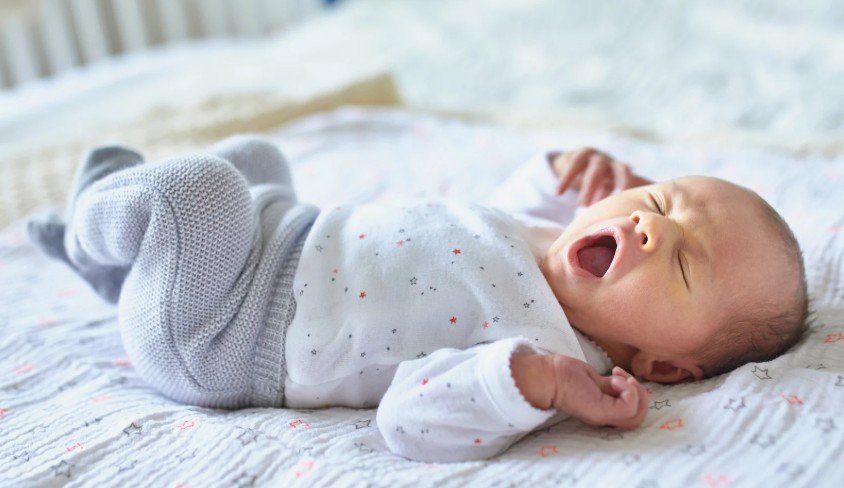
When considering whether to swaddle your newborn, it’s essential to pay attention to their comfort and preferences. Some babies may feel more secure when swaddled, while others might prefer to sleep without it.
If you do choose to swaddle, make sure that the swaddle is not too tight, as this can restrict movement and affect hip development. Consult your pediatrician if you have concerns. Ultimately, the goal is to create a safe sleep environment where your baby can relax and sleep comfortably throughout the night.
What Should a Newborn Wear to Sleep?
What Should a Newborn Wear to Bed? When dressing your newborn for sleep, it’s crucial to choose sleepwear that is both comfortable and safe. A onesie or a sleep sack is often recommended, as these options provide warmth without the risk of suffocation that can come from loose blankets.
The sleep sack or wearable blanket can keep your baby warm while allowing them to move their arms and legs freely. It’s important to choose sleepwear made from breathable materials to help regulate your baby’s body temperature and prevent overheating.
In colder months, you might consider layering with a long-sleeve onesie underneath the sleep sack to ensure your baby stays warm. The key is to maintain a comfortable temperature without overdoing it.
Always be mindful of how many layers your baby is dressed in, as too many layers can increase the risk of overheating. Keeping your baby in a sleep sack or a snug onesie can help ensure they stay cozy while adhering to safe sleep guidelines.
What to Consider When Selecting Sleepwear for Your Baby?
When selecting sleepwear for your baby, consider factors such as fabric type, fit, and safety features. Opt for breathable fabrics like cotton, which allows for air circulation and helps maintain a healthy sleep environment.
Ensure that the sleepwear fits well; it should be snug enough to prevent bunching but not so tight as to restrict movement. If you’re using a swaddle or sleep sack, check the tog rating, which indicates the warmth of the garment, to ensure it is appropriate for the room temperature.
Pay attention to the manufacturer’s guidelines and recommendations on sleepwear for your baby. Also, consider whether the sleepwear has features like zippers or snaps, which can make diaper changes easier during nighttime.
Remember that the overall goal is to keep your baby comfortable and safe while they sleep, so take the time to select sleepwear that meets their needs and adheres to safe sleep practices.
What Should a Baby Wear Underneath a Swaddle or Sleep Bag?
When swaddling your baby or using a sleep sack, it’s essential to dress baby appropriately underneath. A simple onesie is often a good choice, as it provides a layer of warmth without excessive bulk.
If the room is cooler, consider adding a long-sleeve onesie or a lightweight pajama set. The most important factor is to ensure that your baby does not overheat, so avoid heavy fabrics or too many layers beneath the swaddle or sleep bag.
Choosing the appropriate clothing underneath the swaddle or sleep sack is crucial for maintaining a comfortable sleep environment. Always check the room temperature and feel your baby’s neck, tummy or back to gauge if they are too hot or too cold.
It’s important to find the right balance; a onesie is often sufficient, but as temperatures change, you may need to adjust your baby’s sleepwear accordingly. This way, you can help keep your baby safe and comfortable throughout the night.
How Many Layers Should a Baby Wear Under a Swaddle?
The number of layers your baby should wear under a swaddle largely depends on the room temperature and the type of swaddle being used. Generally, a single layer underneath, such as a short-sleeve onesie, is sufficient for warmer room temperatures.
However, if the room is cooler, a long-sleeve onesie or lightweight pajamas can be added. It’s essential to remember that too many layers can increase the risk of overheating, which is why monitoring the room temperature is vital.
As a rule of thumb, if you feel comfortable in the room, your baby is likely comfortable in a similar outfit. Always ensure that your baby can move their arms and legs freely within the swaddle.
If your baby starts rolling over, it’s time to transition out of the swaddle to a sleep sack or wearable blanket. This allows for safe movement while still keeping your baby warm and secure. Proper layering is key to ensuring your baby sleeps well without the risk of suffocation or overheating.
How to Dress Your Baby for Sleep: Tips for Baby Sleepwear
When dressing your baby for sleep, there are several important tips to keep in mind. First, ensure that the sleepwear you choose adheres to safe sleep guidelines, which recommend dressing your baby in a sleep sack or a onesie instead of using loose blankets.
Always place your baby to sleep on their back in a crib or bassinet designed for safe sleeping. It’s also wise to avoid any items in the crib that could pose a suffocation hazard, such as soft toys or loose bedding.
Additionally, consider the room temperature and how many layers your baby is wearing. The best temperature for baby sleep is usually between 68°F to 72°F (20°C to 22°C). If your baby feels cool to the touch, they may need another layer, but if they feel warm or sweaty, remove a layer to prevent overheating.
Always be observant of your baby’s cues; if they seem uncomfortable, adjust their sleepwear accordingly to help ensure they sleep better throughout the night.
The Best Temperature for Baby Sleep: Safe Sleep Reminders
Maintaining the best temperature for baby sleep is crucial for ensuring a safe sleep environment. The optimal room temperature for your baby should be between 68°F and 72°F (20°C to 22°C).
Keeping the room temperature within this range minimizes the risk of sudden infant death syndrome (SIDS) while providing a comfortable atmosphere for your baby to fall asleep. It is also advisable to use a baby monitor to keep an eye on your baby’s comfort level during the night.
Using a thermostat or room thermometer can help you maintain the ideal temperature. Dress your baby appropriately based on the room temperature, opting for breathable fabrics and suitable layers.
Pay attention to your baby’s signals; if they are sweating or feel warm to the touch, it may indicate that the room is too hot or they are dressed too warmly. By following these safe sleep reminders, you can help create a comfortable sleeping environment for your little one, reducing the risk of overheating and ensuring they sleep soundly.
What Are Signs Your Baby is Too Hot While Sleeping?
Recognizing the signs your baby is too hot while sleeping is essential for maintaining a safe sleep environment. If your baby feels excessively warm to the touch, especially on their neck or back, it may indicate they are overheated.
Other signs include sweating, flushed skin, or rapid breathing. If you notice these symptoms, it’s crucial to adjust their layers or the room temperature promptly.
Additionally, watch for any signs of discomfort, such as fussiness or restlessness, which may indicate that your baby is struggling to regulate their temperature.
If your baby is dressed in a sleep sack or other layers, consider removing a layer or opting for lighter sleepwear. Ensuring your baby sleeps in a comfortable and safe environment not only promotes healthy sleep but also contributes to their overall well-being, helping to mitigate the risk of SIDS and other sleep-related issues.
What Are the Signs Your Baby is Cold at Night?
Understanding the signs your baby is cold at night is crucial for keeping them comfortable during sleep. If your baby is cold, they may exhibit behaviors such as fussiness, restlessness, or difficulty settling down.
Additionally, check for physical signs like cold hands and feet, or a cool neck when you touch them. If your baby appears to be shivering or has a pale complexion, these are clear indicators that they need additional warmth.
When dressing your baby for sleep, it’s essential to monitor the room temperature and adjust their sleepwear accordingly. If you suspect your baby is cold, consider adding a layer, such as a warmer sleep sack or a long-sleeve onesie.
Always ensure that any additional layers are breathable to prevent overheating. By being attentive to your baby’s cues and adjusting their sleepwear accordingly, you can help ensure they have a comfortable and safe sleep experience throughout the night.
Commonly Asked Questions about Dressing Newborn for Sleep (FAQs)
What is the best way to dress a baby for sleep?
It’s important to dress your baby appropriately for sleep to ensure they are comfortable and safe. You can use sleepwear like a onesie or a sleepsack, depending on the temperature. Make sure your baby isn’t too hot or too cold by checking their hands or feet.
How can I tell if my baby is too cold while sleeping?
A: To determine if your baby is too cold, check their hands and feet. If they feel cool to the touch, it might be time to add one more layer of clothing. Remember, a baby’s temperature should be monitored to ensure they are comfortable during sleep.
What should I include in my baby’s bedtime routine?
A good bedtime routine might include activities such as a warm bath, a gentle massage, and reading a story. Everything you need should focus on helping your baby relax and prepare for sleep, making it easier to put your baby to sleep.
Is it safe to use a baby monitor while my baby sleeps?
Yes, using a baby monitor can help you keep an eye on your baby while they sleep. It can alert you if your baby is restless or needs assistance, ensuring a peaceful slumber for both you and your baby.
How can I help my baby sleep better at night?
To help your baby sleep better, establish a consistent bedtime routine and ensure they are dressed appropriately for sleep. Also, creating a comfortable sleep environment with the right mattress and monitoring the temperature can lead to better sleep.
What are the risks of overdressing my baby for sleep?
Overdressing can lead to overheating, which is a risk factor for sleep-related infant deaths. Always check your baby’s temperature to ensure they’re comfortable and not too hot, and adjust their sleepwear accordingly.
Can I use footies for my baby at bedtime?
Yes, footies are a great option for dressing a baby for sleep, especially in cooler temperatures. They help keep your baby’s feet warm and contribute to a cozy bedtime routine.
What is the appropriate tog rating for my baby’s sleepwear?
The higher the tog rating, the warmer the sleepwear will be. Choose the right sleepwear based on the room temperature to ensure your baby is dressed appropriately and comfortable during their sleep.
How do I know if my baby’s sleepwear is suitable for different temperatures?
Check the room temperature and dress your baby in layers that can be added or removed easily. Use light fabrics for warmer temperatures and heavier fabrics for cooler conditions to ensure your baby is comfortable throughout the night.
Conclusion
So, What Should Newborn Wear to Sleep? In conclusion, dressing your baby for sleep is an essential aspect of creating a comfortable and safe sleep environment. Swaddling, selecting appropriate sleepwear, and ensuring the right room temperature are all important factors that contribute to your baby’s restful sleep. Remember to monitor for signs of overheating or coldness and adjust layers as necessary. By following safe sleep guidelines and being observant of your baby’s needs, you can help ensure they sleep well, promoting their health and development.
Recommended posts
- Baby Fighting Sleep? Tips to Help Your Baby Rest Better
- Why Your Infant Cries When Put Down & How to Help!
- Weight of Newborn Clothes & Size Chart: A Parent’s Buying Guide
- Why Newborn Sleeping with Mouth Open: (Causes & Solutions)
- Why Do Newborns Giggle in Their Sleep? Secrets You’ll Want to Know
- Best Tips for Dressing Newborn for Sleep in Every Season
- How Often Change a Newborn Diaper: (A Simple Schedule)
- Where to Donate Baby Items and Clothes & Items: (7 Best Places)