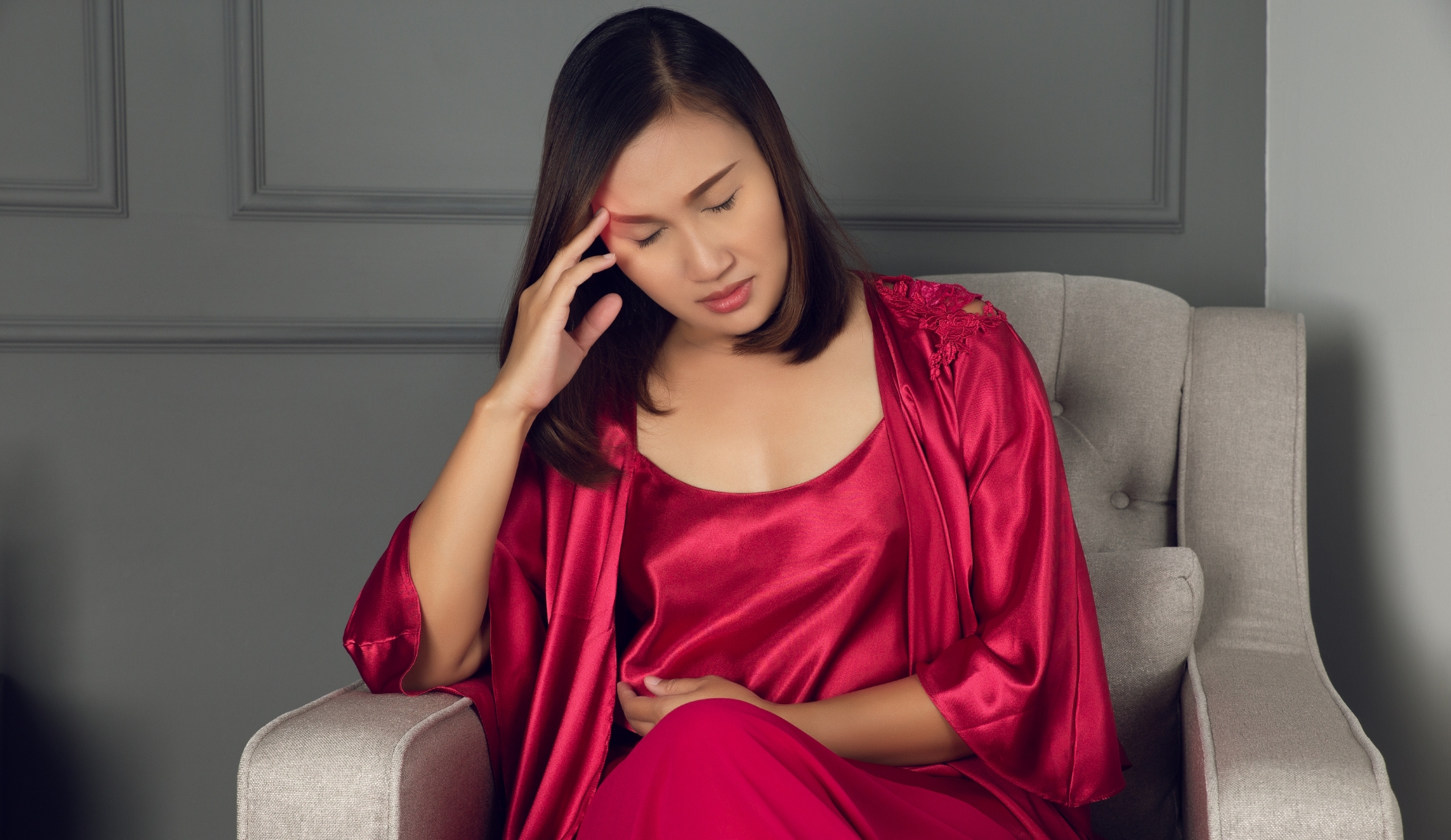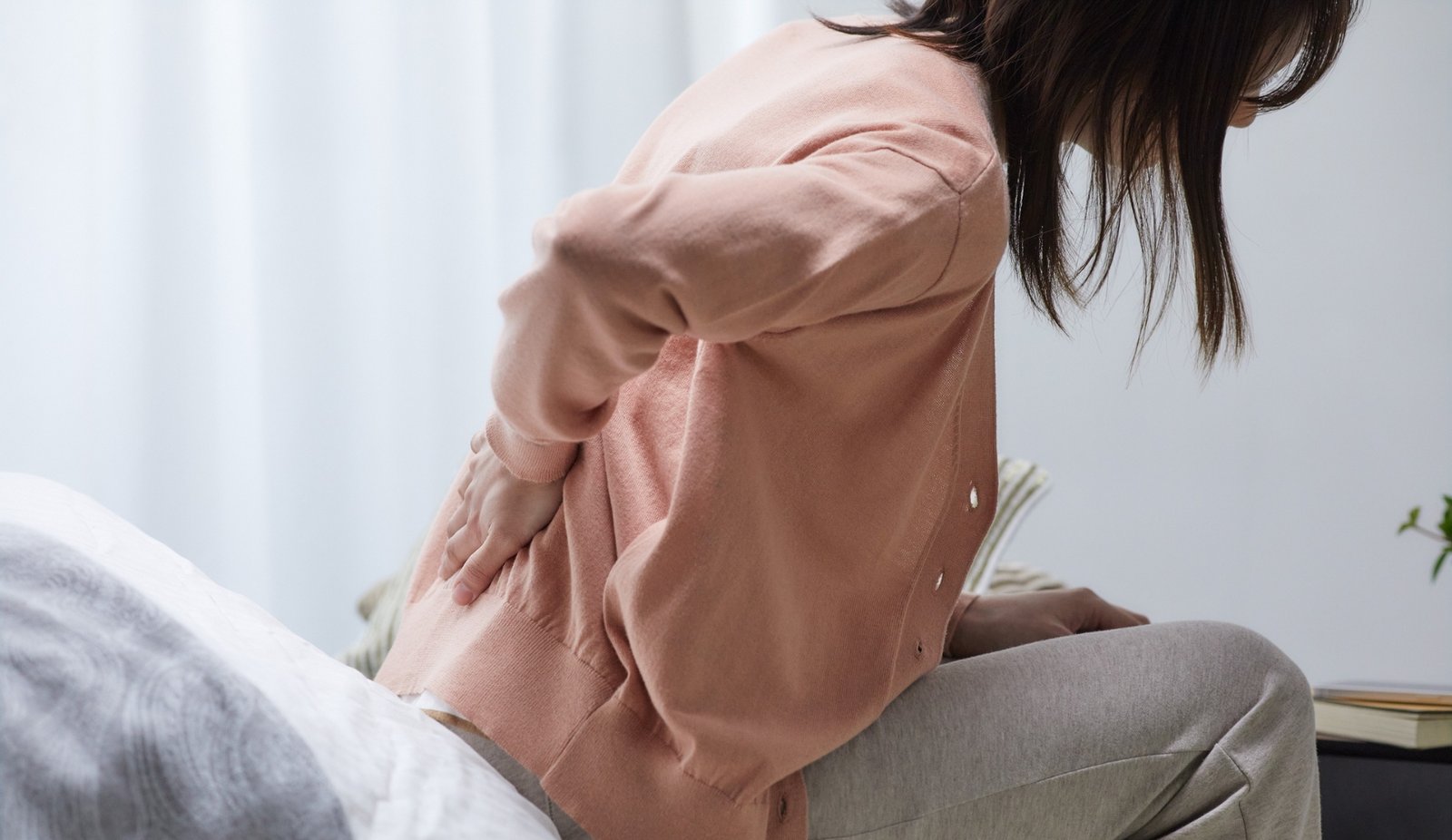
Postpartum back pain is more common than most new moms expect—are you dealing with aches that just won’t go away after delivery? Whether it started during pregnancy or appeared after giving birth, this kind of pain can affect your daily life and ability to care for your baby. So, what causes it, and more importantly, how can you find real relief?
Weak core muscles, poor posture while breastfeeding, and hormonal changes are major contributors to postpartum lower back pain. Experts like Dr. Carrie Pagliano, a leading women’s health physical therapist, recommend targeted exercises, supportive body mechanics, and proper rest to ease the strain. With a smart recovery plan, most women can feel better within weeks.
But healing isn’t always straightforward—and not all advice out there is helpful. Want to know what really works and what to avoid? Let’s explore the proven solutions trusted by professionals and new moms alike.
Understanding Lower Back Pain After Pregnancy
Lower back pain after pregnancy can significantly impact a new mother’s daily life. Many women may experience back pain during pregnancy due to hormonal changes that loosen the ligaments around the pelvic area and back.
This can lead to muscle strain and discomfort that often continues into the postpartum period. Understanding the nature of this pain is crucial, as it often stems from the combined effects of the physical strain of pregnancy and the changes in posture that occur while breastfeeding and caring for a newborn. Consequently, recognizing the signs of post natal back pain can help mothers seek appropriate pain relief strategies.
Moreover, the postpartum period is characterized by numerous physical adjustments as the body transitions back to its pre-pregnancy state. This transition can exacerbate existing pain or lead to the development of new discomforts.
For instance, poor posture while breastfeeding or carrying the baby can contribute to persistent low back pain. It’s essential for new mothers to be aware of these factors and their potential impact on back and pelvic pain, as doing so can empower them to take proactive steps for effective pain management.
Causes of Postpartum Back Pain
Lower back pain postpartum is a common issue affecting many new mothers, often resulting from a combination of physical, hormonal, and lifestyle changes during and after pregnancy. Here are the primary causes:
1. Hormonal Changes
During pregnancy, your body produces relaxin. This hormone loosens joints and ligaments to prepare for delivery. However, it also weakens spinal support. Even after birth, relaxin remains in your system for weeks. This leads to instability and sore back after labor.
2. Weak Core and Abdominal Muscles
Your abdominal muscles stretch significantly during pregnancy. After childbirth, these upper back muscles become weaker and less supportive. A weak core shifts the pressure to your lower back. This imbalance often causes pain, especially when standing or lifting.
3. Poor Posture
New moms often adopt unhealthy positions while feeding or carrying their baby. Hunching over while breastfeeding or slumping in bed adds pressure to your spine. Repeating these postures daily can quickly trigger chronic back pain.
4. Lifting and Carrying the Baby
Frequent lifting, especially with incorrect form, strains the back. Bending at the waist instead of the knees puts extra stress on the spine. Carrying a growing baby on one hip also leads to muscle imbalances and discomfort.
5. Epidural Side Effects
Some women experience localized back pain after receiving an epidural. Though rare, it can cause tenderness or soreness near the injection site. This pain usually fades but may persist in some cases.
6. Stress and Fatigue
Physical and emotional exhaustion tightens muscles. Lack of sleep and constant stress make your body more sensitive to pain. Tension builds up in your shoulders, neck, and lower back, worsening discomfort.
7. Weight Retention
Extra postpartum weight increases the load on your spine. The more extra weight you carry, especially in your midsection, the more pressure your back endures. This often leads to prolonged back discomfort.
sore back after labor results from a combination of physical and hormonal changes. Understanding the causes helps you take proactive steps toward relief. Proper care, posture, and rest can ease your discomfort and speed up recovery.
Identifying Persistent Back Pain
Identifying persistent back pain is critical for new mothers who experience ongoing discomfort after giving birth. While some aches and pains are expected during the postpartum period, it’s important to differentiate between temporary soreness and chronic back and shoulder pain.
Persistent low back pain may be indicative of underlying issues such as misalignment of the spine or weakened abdominal muscles that fail to provide adequate support. Recognizing these signs early on can lead mothers to seek appropriate interventions and prevent the pain from worsening over time.
Moreover, persistent back pain can be accompanied by other symptoms, such as pain radiating down the legs or difficulty in performing daily activities. This may signal conditions such as sciatica or sacroiliac joint pain, which require targeted treatment.
New mothers should collaborate with their healthcare providers to develop an effective pain management plan that addresses their unique needs and promotes healing. This proactive approach is essential for ensuring long-term relief and restoring their quality of life.
Sacroiliac Joint Pain vs. Sciatica -Understanding the Differences
Sacroiliac Joint Pain vs. Sciatica: Understanding the Differences
Sacroiliac (SI) joint pain and sciatica are two common causes of lower back and leg pain, but they involve different parts of the body and have distinct causes, symptoms, and treatments. Here’s a breakdown of how they differ:
1. Origin of the Pain
- Sacroiliac Joint Pain:
- Originates in the sacroiliac joints, located where the sacrum (bottom of the spine) meets the iliac bones (pelvis).
- Often caused by inflammation (sacroiliitis), arthritis, injury, or pregnancy-related changes.
- Sciatica:
- Caused by irritation or compression of the sciatic nerve, which runs from the lower back through the hips and down each leg.
- Common causes include herniated discs, spinal stenosis, or piriformis syndrome.
2. Type and Location of Pain
- Sacroiliac Joint Pain:
- Typically felt in the lower back, buttocks, or pelvis.
- Pain may be one-sided or affect both sides.
- May radiate to the groin or thighs but rarely below the knee.
- Sciatica:
- Sharp, shooting pain that radiates from the lower back or buttock down one leg.
- Often follows the path of the sciatic nerve and can go as far as the foot.
- May also cause numbness, tingling, or muscle weakness in the leg.
3. Pain Triggers
- SI Joint Pain:
- Worse with standing, walking, or climbing stairs.
- Aggravated by sitting or standing for long periods, or putting weight on one leg.
- Sciatica:
- Triggered by prolonged sitting, sneezing, coughing, or lifting.
- Often worsens with specific spinal movements, such as bending forward.
4. Diagnosis
- SI Joint Pain:
- Diagnosed through physical exam maneuvers (e.g., FABER test), medical history, and sometimes imaging or diagnostic injections.
- Sciatica:
- Diagnosed based on symptoms, physical exam, and confirmed with imaging such as MRI or CT scan to find nerve compression.
5. Treatment Options
- SI Joint Pain:
- Physical therapy, stretching, anti-inflammatory medications.
- SI joint injections or radiofrequency ablation in severe cases.
- Use of SI belts or braces for support.
- Sciatica:
- Anti-inflammatory medications, physical therapy, and stretching.
- Epidural steroid injections or surgery (like microdiscectomy) in severe cases.
- Nerve pain medications (e.g., gabapentin or pregabalin) may be used.
How to Relieve Back Pain After Giving Birth (5 Effective Tips)
After giving birth, many women experience back pain usually as a result of pelvic girdle pain and the physical changes during pregnancy and childbirth. To provide pain relief, consider engaging in gentle physical activity to strengthen lower back muscles and improve your overall posture. This is essential for alleviating postpartum low back pain, which can also stem from the strain on your back during labor and delivery.
Additionally, utilizing proper body mechanics when lifting your baby or handling a car seat can help reduce the risk of chronic pain. It’s important to consult with a physical therapist who can tailor exercises to your needs, especially if you’re experiencing upper back or tailbone pain. Remember that months after delivery, back pain and pelvic pain may persist, and addressing posterior pelvic pain early on can prevent further complications.
Here are five effective tips to relieve post natal back pain:
1. Practice Gentle Postpartum Exercises
Light movement can do wonders for sore back after labor. Start with gentle stretches and pelvic tilts. These exercises strengthen your core and lower back. Avoid high-impact workouts too soon. Walking daily can also help reduce stiffness. Always listen to your body and stop if pain increases.
2. Maintain Proper Posture
Poor posture adds pressure to your spine. Sit upright when feeding or holding your baby. Use a chair with good back support. Keep your shoulders relaxed and your feet flat on the floor. Avoid slouching or leaning forward for long periods. Supportive pillows can help while nursing.
3. Apply Heat or Cold Therapy
Heat relaxes tight muscles. Cold reduces inflammation and swelling. Use a warm compress or heating pad on your lower back. Try cold packs for 10–15 minutes several times a day. Alternate both methods for better results. Always wrap packs in a cloth to protect your skin.
4. Get Professional Help
A postpartum chiropractor or physical therapist can provide targeted relief. They address alignment issues caused by pregnancy and childbirth. Massage therapy is also effective for easing muscle tension. Choose a certified postpartum specialist for safe care.
5. Rest and Ask for Support
New moms often overlook rest. Lack of sleep and physical stress worsen sore back after giving birth. Take breaks throughout the day. Don’t hesitate to ask your partner, family, or friends for help. Even a short nap or uninterrupted sleep improves recovery. Prioritize your healing just as much as baby care.
Back pain after childbirth is common but manageable. With the right care and small daily changes, you can feel better faster. Be kind to your body, and don’t rush the recovery process. These five tips will guide you toward comfort and strength.
Medication and Pain Management for Lower Back Pain After Pregnancy
Medication and pain management play a crucial role in addressing lower back pain after pregnancy. Over-the-counter pain relievers, such as ibuprofen or acetaminophen, can provide immediate relief for mild to moderate pain.
However, it’s essential for new mothers to consult their healthcare provider before starting any medication to ensure it’s safe, particularly while breastfeeding.
In some cases, prescription medications may be necessary for severe pain, and healthcare providers can help tailor a pain management plan that aligns with individual needs and circumstances.
In addition to medication, alternative therapy options can provide effective pain relief. Techniques such as acupuncture, chiropractic adjustments, and massage therapy can help alleviate discomfort in the lower back and pelvic regions.
These complementary therapies can enhance traditional pain management strategies, offering new mothers a holistic approach to recovery. Ultimately, finding the right combination of medication and alternative therapies can significantly improve the quality of life for those dealing with postpartum back pain.
Lifestyle Changes for Pain Relief
Making lifestyle changes can substantially contribute to pain relief for new mothers experiencing postpartum back pain. Incorporating gentle exercises into daily routines can strengthen the back and abdominal muscles, reducing strain and discomfort.
Additionally, maintaining good posture while breastfeeding or carrying the baby can help prevent further aggravation of postpartum upper back and neck pain. Simple adjustments, such as using ergonomic furniture and supportive cushions, can also promote better posture and comfort during daily activities.
Moreover, prioritizing self-care and relaxation is vital for overall well-being. Engaging in activities that promote relaxation, such as yoga or mindfulness practices, can help reduce stress and tension in the body.
Staying hydrated and maintaining a balanced diet can further support recovery and overall health. By making these lifestyle changes, new mothers can create a supportive environment that fosters healing and pain relief, enabling them to enjoy their postpartum period with greater comfort and ease.
Commonly Asked Questions about Tips for Relief Back Pain Postpartum (FAQs)
How long does back pain after pregnancy pain last?
Low-back pain during and after pregnancy often lasts weeks to months. Most women see improvement within 6 months, but core strengthening and physical therapy can speed recovery.
How One Mom Overcame Chronic Back Pain with ReActiv8?
One mom overcame chronic back pain with ReActiv8, a restorative neurostimulation implant. It strengthened her deep spinal muscles, reducing pain and improving mobility—proving effective for long-term relief.
How to get relief from postpartum back pain?
To relieve postpartum back pain, strengthen core muscles, practice good posture, and use gentle stretches. Weakness or strain contribute to lower back, low back pain and pelvic discomfort—physical therapy helps.
What causes back pain after pregnancy?
Common causes of postpartum back pain include weakened core muscles, hormonal shifts, and pelvic floor strain. Proper postpartum recovery with exercise, posture fixes, and physical therapy can help.
Is it normal to have upper back pain after giving birth?
Yes, sore back after giving birth is common due to breastfeeding posture, muscle strain, or hormonal changes. Improve posture, stretch, and rest to ease discomfort—consult a PT if persistent.
Conclusion
Sore back after labor is a common challenge faced by many new mothers, but understanding its causes and implementing effective strategies can lead to significant relief. From gentle exercises and proper posture to medication and lifestyle changes, there are numerous ways to address lower back pain after pregnancy. By actively seeking to alleviate their discomfort, mothers can enhance their recovery and enjoy their time with their newborns more fully. Ultimately, awareness and proactive management of postpartum back pain can empower women to reclaim their health and well-being during this transformative period.
You might also like
- When Can I Start Bending After C-Section Without Risk?
- First Period Postpartum 101: Timing, Symptoms, and Surprises
- When Can You Take a Bath Postpartum: (How To Do It Safely?)
- 5 Easy Ab Workouts for Postpartum – Every New Mom Can Do
- Why Postpartum Pelvic Pain When Walking? The Shocking Truth
- 7 After Birth Feet Swelling Home Remedies (Proven)
- Best Position to Sleep After Epidural Steroid Injection
- 7 Surprising After Birth Massage Benefits for Fast Recovery