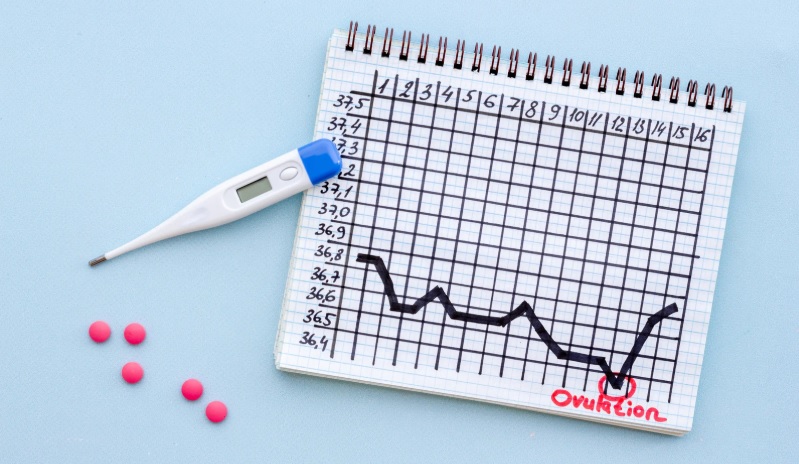
Wondering about the success rate of morning after pill during ovulation? If you had unprotected sex right around your fertile window, you’re probably anxious to know how well emergency contraception works. Can it still prevent pregnancy during your most fertile days?
The truth is, the plan b success rate during ovulation is not effective. Pills like Plan B work mainly by delaying ovulation—if the egg has already been released, their ability to prevent pregnancy drops sharply. According to studies and experts like Dr. Jennifer Gunter, the success rate may fall below 20% if taken during or just after ovulation.
So what should you do if you’re already ovulating? There are still options—and understanding the timing, types of emergency contraception, and your own cycle is key. Let’s walk through what happens, what works best, and how to take smart steps when timing is critical.
Is Plan B Effective During Ovulation?
Plan B, the most commonly used emergency contraceptive pill, aims to prevent pregnancy by delaying or inhibiting ovulation. When taken during ovulation, the pill may have limited effectiveness, as the primary mechanism is to delay the release of an egg.
If ovulation has already occurred, Plan B may not work, as sperm can fertilize the egg during this time. Therefore, timing is crucial; taking Plan B during the fertile window, particularly on the day of ovulation, may not prevent pregnancy.
It is essential for individuals to be aware of their menstrual cycle and ovulation signs to maximize the chances of success when using Plan B. In essence, while taking Plan B as soon as possible after unprotected sex is advisable, its efficacy is significantly reduced if ovulation has already taken place.
This understanding highlights the importance of using reliable birth control methods regularly instead of relying solely on emergency contraception. Women should consider tracking their ovulation to make informed decisions about the use of Plan B and other types of emergency contraception.
How Effective is the Morning After Pill When Ovulating?
The morning after pill (emergency contraception) can be effective at preventing pregnancy, but its effectiveness depends heavily on timing—especially in relation to ovulation.
🟡 Effectiveness When Ovulating
If you’re already ovulating, the morning after pill may not be very effective. Here’s why:
- How It Works: Most morning after pills, like Plan B One-Step (levonorgestrel), work primarily by delaying ovulation—preventing the release of an egg so sperm can’t fertilize it.
- Ovulation Already Happened?
- If the egg has already been released:
- Plan B is unlikely to prevent pregnancy, because it cannot stop fertilization or implantation.
- It does not terminate an existing pregnancy.
- More Effective Option:
- The ella® pill (ulipristal acetate) is more effective than Plan B, especially closer to ovulation, but even ella is less effective if ovulation has already occurred.
- Copper IUD:
- The most effective emergency contraception after ovulation is the copper IUD (Paragard). It can prevent fertilization and possibly implantation, and it works up to 5 days after unprotected sex, even if you’ve already ovulated.
✅ Summary
| Emergency Contraceptive | Effective Before Ovulation | Effective During/After Ovulation |
|---|---|---|
| Plan B (Levonorgestrel) | ✅ Yes | ❌ Not reliably effective |
| ella (Ulipristal Acetate) | ✅ More effective | ⚠️ Less effective |
| Copper IUD | ✅ Yes | ✅ Yes (most reliable) |
🚨 If You’re Ovulating and Had Unprotected Sex:
- Act quickly—the sooner, the better.
- Talk to a healthcare provider ASAP about your best options, especially if you’re near or at ovulation.
Success Rate of Morning After Pill During Ovulation
The plan b success rate during ovulation is generally lower than when taken at other times in the menstrual cycle. Research indicates that if taken during ovulation, the pregnancy rate may remain high, as the primary function of Plan B, which is to delay ovulation, is already compromised.
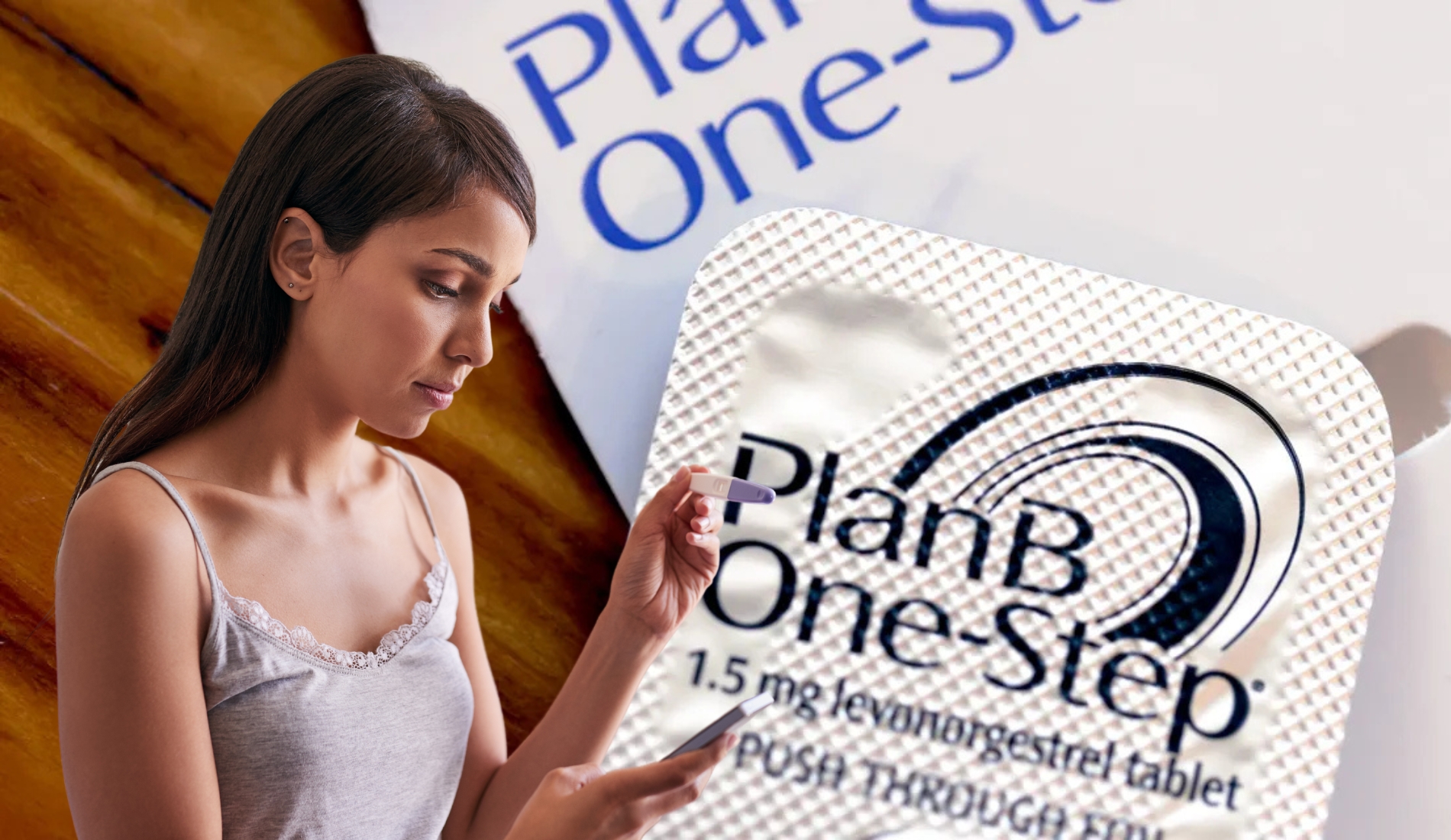
The birth control pill may not effectively prevent pregnancy if sperm has already encountered a released egg. For optimal results, it is recommended to take Plan B as soon as possible after unprotected sex, ideally within 72 hours after unprotected sex, though it can be effective up to 5 days after.
What Causes Plan B to Fail?
Understanding why Plan B might fail involves recognizing its timing and hormonal mechanisms. Emergency contraception like Plan B is most effective at preventing pregnancy when taken within 3 days of unprotected sex, but can be taken within 5 days.
The efficacy of Plan B decreases as time passes, especially if taken around the time of ovulation. If a woman has unprotected sex shortly before or during her time of ovulation, the chances of becoming pregnant increase, as the pill works primarily by preventing ovulation or delaying ovulation.
Moreover, the likelihood of failure also increases if a woman does not track her menstrual cycle accurately. If she takes the morning-after pill after ovulation has already occurred, she may still become pregnant. It is crucial to remember that emergency contraceptive pills work by delaying ovulation, not terminating an existing pregnancy.
Therefore, if a woman took levonorgestrel and it was too late in her cycle, she might not avoid pregnancy. Regular forms of birth control should be maintained to effectively prevent pregnancy.
FAQs about Taking Emergency Contraception Pills During Ovulation
How successful is the morning-after pill during ovulation?
The morning-after pill is less effective during ovulation, especially if taken after the ovary releases an egg, significantly reducing its chances of preventing pregnancy.
What if I get a positive pregnancy test?
If you receive a positive pregnancy test, consult a healthcare provider for confirmation and discuss your options, including potential next steps for prenatal care or other alternatives.
Where can I get Plan B One-Step right now?
Plan B One-Step is available over-the-counter at most pharmacies, some clinics, and various online retailers without a prescription. Check local availability for immediate access.
What is the emergency IUD?
The emergency IUD, specifically the copper IUD, can be inserted by a healthcare provider within five days after unprotected intercourse to prevent pregnancy effectively.
Is there anything else you can do during ovulation to prevent pregnancy?
During ovulation, the emergency IUD is the only effective method to prevent pregnancy; other options are not reliable once ovulation has occurred.
What types of emergency contraception are available?
Available emergency contraception includes Plan B (levonorgestrel), Ella (ulipristal acetate), and the copper IUD, each with different mechanisms and timing for use.
Does Plan B work after ovulation?
Plan B may still work after ovulation, but its effectiveness decreases significantly, making it less reliable compared to use before ovulation.
What if you’ve taken Plan B or another morning-after pill anyway?
If you’ve taken Plan B, monitor for pregnancy signs and consult a healthcare provider if your period is late or if you have concerns.
Can you get pregnant after taking the morning after pill?
Yes, there is still a possibility of pregnancy if ovulation has already occurred, as the morning-after pill does not guarantee prevention in all cases.
What are the signs that Plan B has failed?
Signs indicating potential failure of Plan B include a missed period, nausea, or other early pregnancy symptoms, suggesting the possibility of pregnancy.
What are the signs Plan B did not work?
Signs that Plan B may not have worked include a missed period or a positive pregnancy test, both indicating possible pregnancy despite using emergency contraception.
When to take a pregnancy test?
It’s best to take a pregnancy test at least one week after your expected period for accurate results, as testing too early may yield false negatives.
How do I know that the morning after pill has worked?
You can determine if the morning-after pill worked; a normal cycle and absence of pregnancy symptoms suggest it was effective.
When should I take a pregnancy test?
Take a pregnancy test one week after your expected period for the most reliable result; this timing allows for accurate detection of pregnancy hormones.
Conclusion
In conclusion, understanding the Success Rate of Morning After Pill During Ovulation is crucial for making informed reproductive choices. While emergency contraception like Plan B can be a helpful option in preventing pregnancy after unprotected sex, its effectiveness significantly decreases during ovulation—the time when you’re most fertile. Studies show that the Plan B success rate during ovulation is lower compared to other phases of the menstrual cycle, primarily because the pill works by delaying ovulation, not by preventing fertilization or implantation.
Therefore, if ovulation has already occurred, Plan B may not offer the desired protection. It’s essential to act quickly and consider additional or alternative methods, such as a copper IUD, for more reliable results. Always consult with a healthcare professional for personalized guidance. By staying informed, you empower yourself to make decisions that align with your health, planned parenthood and life goals, even in unexpected situations.
Recommended posts
- Does Plan B Work During Ovulation? (Is It Still Effective?)
- Can Plan B Cause You to Be Infertile? (Is There a Real Risk?)
- Can You Take a Plan B While Ovulating? Learn If It’s Effective