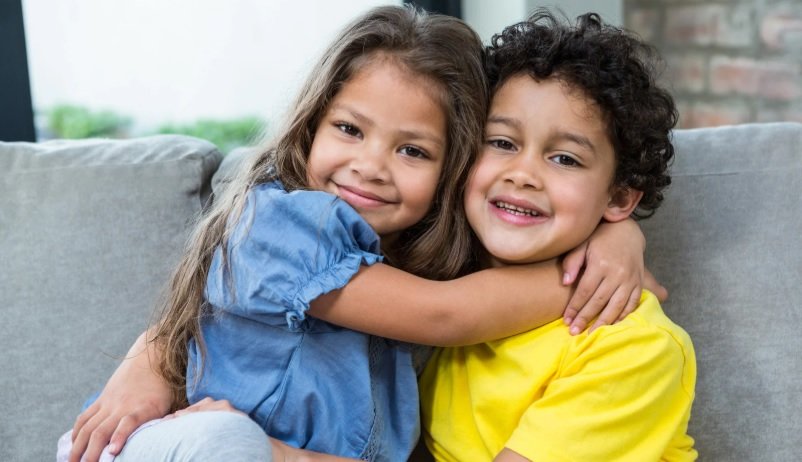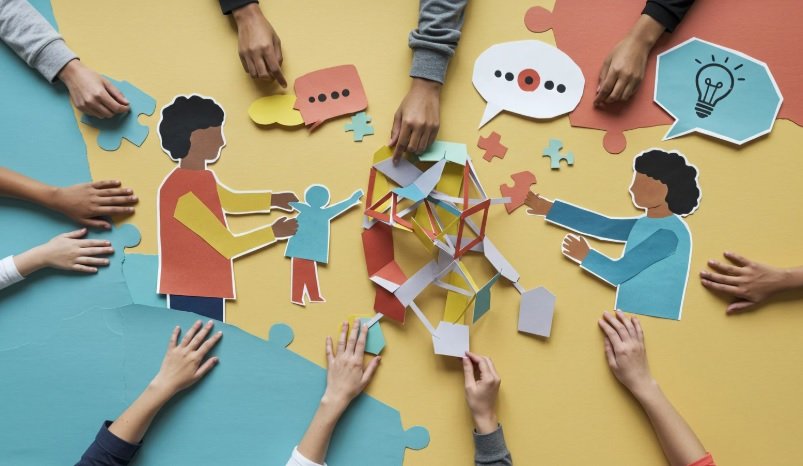
The Sibling Support Project focuses on strengthening relationships between siblings, especially when one child has additional support needs. How do siblings cope, connect, and grow when family dynamics change? This project answers that question by putting sibling voices, emotions, and experiences at the center of support planning.
The Sibling caregiving project delivers structured emotional support, peer connection, and practical guidance for brothers and sisters across different age groups. It highlights coping strategies, communication skills, and resilience-building tools drawn from family psychology research. Experts like Dr. Laurie Kramer, a leading authority on sibling relationships, emphasize that targeted sibling support improves long-term family wellbeing.
Yet these outcomes only scratch the surface of what sibling-focused initiatives can achieve. What makes these programs effective, and why do experts increasingly advocate sibling-inclusive care models? Let’s explore how the sibling assistance project transforms overlooked relationships into powerful sources of strength.
What Is the Meaning of Sibling Support?
Sibling support refers to intentional emotional, educational, and social assistance provided to brothers and sisters of children with disabilities or special needs. It recognizes that siblings are deeply affected by disability within the family system and may face long-term responsibilities, concerns, and emotional complexities that differ from those of parents or caregivers.
Effective sibling support encompasses:
- Emotional validation and mental health resources
- Age-appropriate education about disability
- Peer connection with others who share similar experiences
- Skills development for communication, advocacy, and caregiving
- Long-term planning guidance for adulthood and family transitions
Rather than focusing solely on caregiving, sibling support aims to empower siblings to thrive personally while fostering healthy, sustainable family relationships.
About Sibling Support Project
The Sibling Support Project (SSP) is a groundbreaking, internationally recognized program founded in 1990 by Don Meyer. Its mission is singular and powerful: to provide peer support and information for brothers and sisters of people with disabilities and chronic health conditions. The project operates on the fundamental belief that siblings have much to offer one another—from shared experiences to practical advice.
The SSP’s flagship program is the Sibshop model. Sibshops are lively, community-based workshops that blend recreational activities, peer support, and discussion for school-age siblings. They are not therapy groups; instead, they are celebratory events where siblings have fun, play games, and meet other sibs in a relaxed, facilitated setting.
The model has been replicated in hundreds of communities across the United States and around the world, creating a vast network of support. The project also provides critical training for facilitators, develops resources, and advocates for the inclusion of sibling perspectives in policy and service planning.
Siblings of People with Disabilities
Growing up with a brother or sister with a disability shapes a person in countless ways. While it can foster exceptional empathy, maturity, and advocacy skills, it also presents distinct challenges.
Younger siblings may struggle with feelings of jealousy over the extra attention their sibling requires, or fear explaining their sibling’s differences to friends. They may take on caregiving responsibilities prematurely or feel pressure to achieve or “make up for” their sibling’s limitations.
There is also the pervasive worry about the future: “What happens when Mom and Dad are no longer here?” These experiences, while not universally negative, create a specific set of emotional and practical needs that traditional family support often misses.
Indispensable Information for Brothers and Sisters of Adults with Disabilities
The transition into adulthood brings a new set of considerations for siblings. The role often shifts from a childhood peer to a potential future caregiver, advocate, and legal guardian. Key information areas include:
- Future Care Planning: Understanding the parents’ plan for the long-term housing, financial security, and care of their sibling with disabilities. This includes discussions about wills, special needs trusts, and guardianship.
- Government Benefits: Familiarity with systems like Supplemental Security Income (SSI), Medicaid, and state-specific waiver programs for adult services is crucial.
- Legal Responsibilities: Exploring options like powers of attorney, supported decision-making agreements, or conservatorships, and the implications of each.
- Self-Care and Boundary Setting: Learning to balance one’s own family, career, and life goals with the responsibilities toward a sibling. Avoiding burnout is essential for sustainable, healthy support.
- Navigating Service Systems: The adult disability service system can be complex and fragmented. Siblings benefit from guidance on how to access and coordinate services effectively.
View the SLN Policy and Advocacy Page
The Sibling Leadership Network (SLN), closely aligned with the principles of the Sibling help Project, is a vital resource for advocacy and policy. The SLN’s Policy and Advocacy page is an essential hub for siblings who want to effect systemic change. It provides:
- Updates on federal and state legislation impacting people with disabilities and their families.
- Action alerts on critical issues requiring sibling voices.
- Toolkits and guides for effective advocacy.
- Information on public policy priorities, such as supporting the Sibling Informed Consent Act or protecting Medicaid funding.
- Connections to a national network of sibling advocates. Engaging with this page empowers siblings to move from individual support to collective action, ensuring their perspectives inform laws and programs.
How to Support Sibling Relationships?
Fostering a healthy, resilient relationship between siblings requires intentionality from parents and professionals. Key strategies include:
- One-on-One Time: Carve out consistent, individual time with each typically developing child. This reinforces their value beyond their role as a sibling.
- Open Communication: Create a family environment where all feelings are welcome. Use age-appropriate language to discuss disability and answer questions honestly.
- Balance Responsibilities: Ensure caregiving or household chores are distributed fairly and are age-appropriate. Avoid parentifying a child.
- Celebrate All Achievements: Make a concerted effort to celebrate the milestones and successes of every child in the family with equal enthusiasm.
- Connect to Resources: Introduce them to the Sibling Support Project, Sibshops, or books for siblings. Knowing they are not alone is powerfully validating.
Sibling Support Ideas
Beyond formal programs, support can be integrated into daily life:
- Create a “Sib Journal”: Encourage writing or drawing as an outlet for emotions.
- “Sib Date” Rituals: Establish a regular outing or activity that is just for the siblings (or for the parent and the sibling).
- Book Clubs: Form a small group with other sibling families to read and discuss children’s or young adult books featuring sibling disability themes.
- Mentorship Programs: Connect older siblings with adult siblings who have navigated similar paths.
- Family Meetings: Hold regular check-ins where everyone, including the sibling with disabilities to the best of their ability, can share their needs and feelings.
Sibling Support Activities
Structured activities are the engine of peer connection. The Sibshop model excels here, incorporating:
- Peer Connection Games: Icebreakers and team-building exercises that help siblings quickly find common ground.
- Discussion Activities: Guided conversations using prompts like “Wish Cylinders” or “The Ups and Downs” game, allowing siblings to share experiences in a low-pressure way.
- Recreation: Simply having fun together—through arts and crafts, games, or outings—normalizes their experience and builds joy-filled memories.
- Guest Speakers: Inviting adult siblings or disability professionals to answer questions about the future, services, or advocacy.
- Online Communities: For teens and adults, moderated forums and video meetups provide flexible, accessible peer support.
Why Is Sibling Support Important?
The importance of dedicated sibling support cannot be overstated. It is a preventative and proactive investment with lifelong returns.
- For the Sibling: It mitigates mental health risks like anxiety and depression, reduces feelings of isolation, builds resilience, and prepares them for future roles. It validates their experience and fosters a positive self-identity.
- For the Sibling with Disabilities: It nurtures a stronger, more understanding relationship with their brother or sister, who is likely to be in their life longer than anyone else. It builds a network of informed, compassionate advocates.
- For the Family: It reduces overall family stress by ensuring all members’ needs are addressed. It promotes family harmony and creates a more balanced caregiving ecosystem.
- For Society: It cultivates a generation of empathetic, knowledgeable citizens and advocates who understand disability from an intimate perspective, driving towards a more inclusive world.
Sib Ciety Is a New Support Group for Teens Who Have Special Needs Siblings.
Addressing the specific needs of adolescents, Sib Ciety represents an innovative evolution in sibling support. The teenage years are marked by a desire for independence, social belonging, and identity formation—all of which are uniquely impacted by having a sibling with special needs.
Sib Ciety provides a dedicated, cool, and relevant space for teens. It often leverages platforms they already use (like social media groups or Discord) and focuses on topics crucial to them: navigating friendships, dating, college planning, family dynamics, and their evolving role.
By meeting teens where they are, Sib Ciety ensures that support is not only available but also engaging and relevant during this critical developmental stage.
Commonly Asked Questions about sibling support project and Activities (FAQs)
How can sibling support promote mental health concerns among siblings of children with developmental disabilities?
Sibling caregiving can reduce isolation, provide information and support, normalize sibling experience, and address mental health concerns. Peer support, workshops and training, books and publications, and support groups for school-age brothers and sisters help siblings cope and build resilience together
What resources to help siblings of individuals with disabilities manage caregiving roles and future planning?
Resources to help include national program dedicated chapters, local support groups, counseling, respite services, and online information. Books and publications guide future planning, caregiving roles, legal tools, and financial planning. Service providers and family members can coordinate to provide support
How do support groups for school-age brothers influence sibling experience and reduce feelings like guilt or resentment?
Support groups for school-age brothers and sisters foster peer support, share strategies, and normalize challenges. Young brothers and sisters learn coping skills, express emotions, reduce guilt and resentment, connect with others facing similar sibling issues, improving relationships and mental health
What role can books and publications play for brothers and sisters of kids with disabilities seeking information and support?
Books and publications provide guidance, personal stories, and tips tailored to siblings’ needs. They address intellectual and developmental disabilities, sibling issues, strategies for advocacy, full inclusion and participation, and emotional coping, serving as resources for families and service providers nationwide
How can teens and adult siblings get involved in workshops and training to address sibling issues?
Teens and adult siblings can join workshops and training offered by local chapters, national program dedicated organizations, and community centers. These sessions teach communication, advocacy, future planning, and peer support. Getting involved builds skills, networks, confidence, and lasting support systems
What special attention do sisters of kids with disabilities often need to address their unique challenges?
Sisters of kids with disabilities may face role expectations and emotional labor. They need special attention through counseling, peer support, tailored resources, and recognition of their sibling experience. Addressing mental health concerns and providing respite prevents burnout and fosters wellbeing
How do peer support and support groups help young brothers and sisters of children with autism and other developmental disabilities?
Peer support connects young brothers and sisters of children with autism and developmental disabilities to others who understand experiences. Groups offer coping strategies, social connection, information and support, mentorship, and advocacy training, reducing isolation while promoting resilience, healthier family relationships
Are there national program dedicated chapters that are best known for helping local communities start sibling support initiatives?
Yes, national program dedicated organizations and chapters are best known for helping local communities start support groups for school-age brothers and sisters. They provide training, workshops, books and publications, and networks connecting millions of siblings of people with special needs
Conclusion
The journey of a sibling is one of extraordinary depth, marked by unparalleled love intertwined with unique challenges. The Sibling Support Project and the broader movement it has ignited serve as a vital compass on this journey. From the joyful chaos of a Sibshop to the crucial policy work of the Sibling Leadership Network and the teen-focused haven of Sib Ciety, these resources affirm a powerful message: You matter, your feelings are valid, and you are not alone.
By investing in sibling caregiving—through understanding, connection, and advocacy—we strengthen not just individuals, but entire families, fostering resilience and building a foundation of support that lasts a lifetime. Whether you are a sibling, a parent, or a professional, engaging with these resources is a profound step toward holistic family well-being
Recommended posts
- Signs of Toxic Sibling Relationship Shouldn’t Ignore Anymore
- Why Sibling Jealousy in Adulthood Happens & What You Can Do?
- Common Sibling Rivalry Causes Parents Often Miss (Revealed)
- Setting Up a Trust for a Sibling and Family Trust Governance Explained
- Forgiving Siblings – Practical Steps to Heal Family Bonds
- The Importance of Sibling Relationships for Lifelong Bonds