
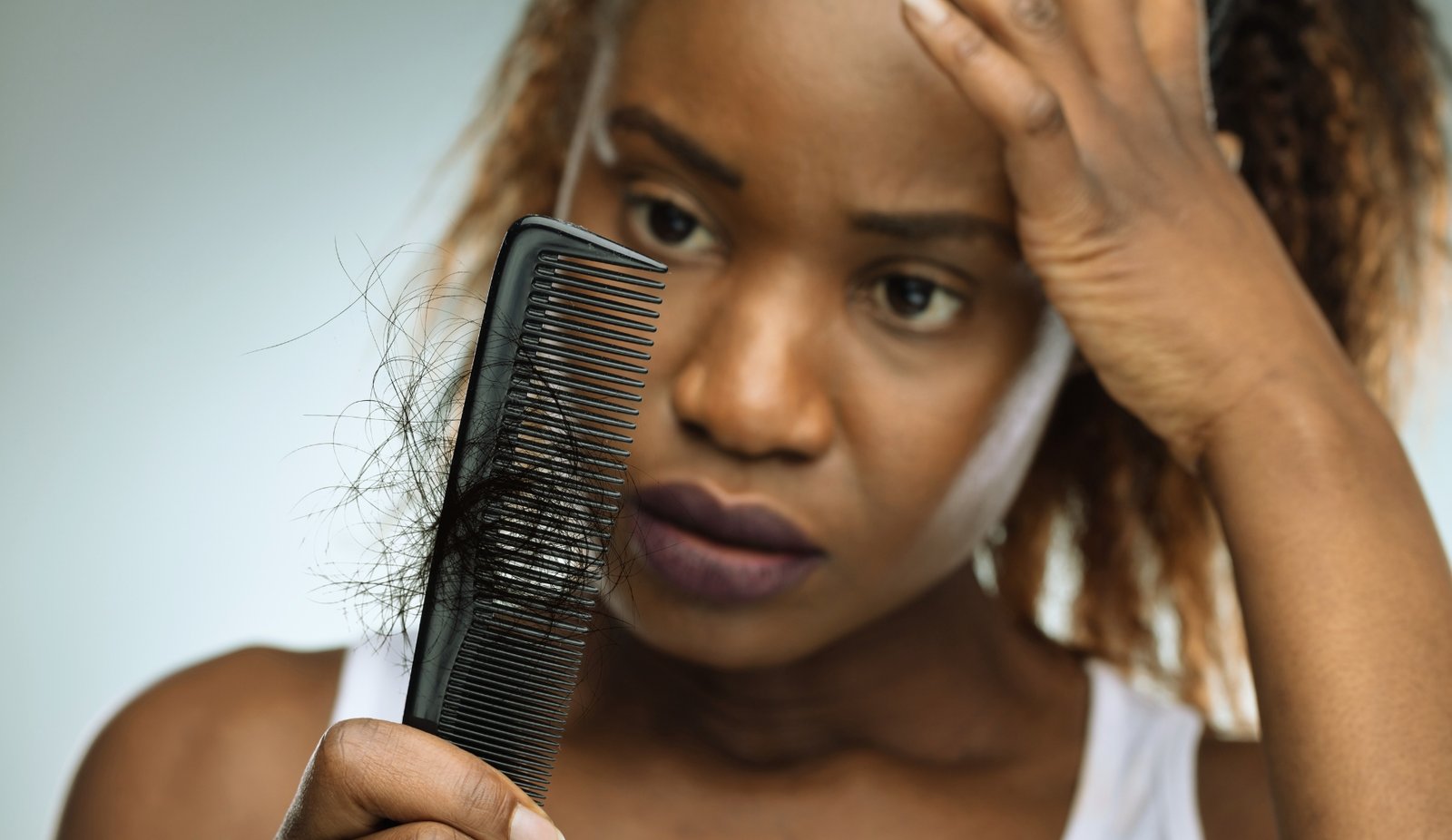
Dealing with postpartum dandruff? Many new mothers experience a dry, flaky scalp after childbirth, often paired with itchiness or irritation. Is it caused by hormonal changes, stress, or something else entirely?
Postpartum dandruff is usually linked to shifts in estrogen levels, stress, and changes in hair and scalp oil production. Using gentle, anti-dandruff shampoos, maintaining scalp moisture, and improving diet can help manage symptoms effectively.
But not all dandruff is the same—sometimes it’s seborrheic dermatitis or even a reaction to hair products. Dermatologist Dr. Shari Marchbein recommends a tailored scalp care routine for lasting relief. Ready to understand the causes and solutions? Let’s break it down.
Postpartum Itchy Scalp… It’s a Thing?
Yes, postpartum itchy scalp is indeed a thing! Many new mothers experience various scalp issues, with dandruff being one of the most common. Hormonal changes that occur after childbirth can lead to an imbalance in your scalp’s natural oils, causing dryness, flakiness, and itchiness.
This can be especially troubling when you’re already dealing with other postpartum issues like fatigue and hair thinning. The good news is that postpartum itchy scalp is usually temporary, and there are many ways to treat it effectively.
It’s important to note that an itchy scalp can also be aggravated by stress, a common side effect of adjusting to motherhood. Additionally, the use of harsh shampoos or infrequent washing can lead to scalp irritation. If you’re experiencing an itchy scalp, it may be a sign of postpartum dandruff, but rest assured, with the right care, you can alleviate the discomfort.
What Causes Postpartum Dandruff?
Postpartum dandruff is primarily caused by the hormonal changes your body undergoes after childbirth. During pregnancy, elevated estrogen levels help to keep your hair and scalp in a more balanced state. After childbirth, estrogen levels drop, which can disrupt the production of oils in your scalp. This leads to either an overproduction or a lack of oil, both of which can trigger dandruff postpartum.
In addition to hormonal shifts, other factors can contribute to postpartum dandruff and oily scalp:
- Dry Scalp: The hormonal changes can lead to a lack of moisture in your scalp, making it dry and prone to flaking.
- Stress: The emotional and physical stress of new motherhood can affect your scalp health, leading to inflammation or an imbalance in oil production.
- Dietary Changes: Breastfeeding and changes in your diet can impact your overall skin and scalp health. If you’re not getting the right nutrients, your scalp might suffer.
- Product Buildup: The use of certain hair products, including styling gels, hairsprays, and dry shampoos, can contribute to dandruff. Additionally, infrequent washing can cause oil and product buildup on your scalp, leading to flakiness.
- Seborrheic Dermatitis: This is a common skin condition that causes redness, inflammation, and flaky patches. It can be exacerbated postpartum due to changes in hormone levels.
Identifying the exact cause of your postpartum dandruff is crucial for effective treatment. If you’re uncertain, consider consulting with a dermatologist who can recommend the best course of action.
When Does Postpartum Hair Loss Begin?
Postpartum hair loss usually begins around three to four months after giving birth. This phenomenon is known as “telogen effluvium” and occurs when your hair follicles shift from the growth phase to the resting phase. Many women notice that their hair sheds in greater quantities during this time. While this type of hair loss is typically temporary, it can be distressing.
However, it’s important to note that postpartum hair loss can also trigger scalp sensitivity, which can exacerbate conditions like postpartum dandruff. As hair regrows, the scalp can become itchy and flaky, making dandruff a common issue during this period.
If you’re experiencing postpartum hair loss along with dandruff, it’s likely that both are tied to the same hormonal fluctuations that occur after childbirth. As your body adjusts, the dandruff should naturally subside, and your hair will begin to regrow in the coming months.
How Long Does Postpartum Dandruff Last?
How long does postpartum hair last? The duration of postpartum dandruff can vary from person to person. For many women, it lasts anywhere from a few weeks to a few months.
As your hormones regulate and your body adjusts to life after childbirth, the dandruff should gradually diminish. For some, it may clear up as soon as their hormone levels return to normal, while others might experience longer-term scalp issues.
If you notice that the dandruff persists for longer than six months or worsens, it’s important to seek advice from a healthcare provider. This could be a sign of a more serious underlying condition, such as seborrheic dermatitis or psoriasis, which may require professional treatment.
How To Handle Postpartum Hair and Scalp Problems
Handling postpartum hair and scalp problems requires a combination of good hygiene practices, the right products, and a little patience. Here are some tips to help you manage both postpartum dandruff and dry scalp hair thinning:
- Maintain a Scalp-Friendly Routine: Regular scalp washing can help prevent the buildup of oils and products that can contribute to dandruff. However, avoid over-washing, as this can strip your scalp of its natural oils and cause more dryness.
- Use a Gentle Shampoo: Look for shampoos designed for sensitive scalps or those that contain soothing ingredients like aloe vera, chamomile, or tea tree oil. Avoid harsh chemicals and sulfates that can irritate your scalp.
- Incorporate Scalp Massages: Gentle massages can stimulate circulation and help distribute natural oils across your scalp. This can help prevent dryness and improve overall scalp health.
- Manage Stress: Practice stress-reducing activities like meditation, yoga, or deep breathing exercises. Managing stress can help alleviate scalp inflammation and dandruff.
- Dietary Considerations: Ensure you’re consuming a balanced diet rich in vitamins and minerals, particularly zinc, vitamin D, and omega-3 fatty acids, which support scalp health and hair growth.
By adopting these practices, you can improve the health of your scalp and manage postpartum dandruff more effectively.
How to Get Rid of Postpartum Dandruff?
Getting rid of postpartum dandruff involves treating the root causes, whether that’s dryness, oil imbalance, or stress. Here are some effective strategies for eliminating dandruff:
- Use Anti-Dandruff Shampoos: Shampoos containing zinc pyrithione, salicylic acid, or ketoconazole can help reduce flakiness and control dandruff. These ingredients fight the fungi and bacteria that contribute to dandruff and help to restore a healthy scalp.
- Hydrate Your Scalp: Regularly apply a hydrating scalp treatment to restore moisture to your scalp. Look for treatments with nourishing ingredients like jojoba oil, argan oil, or coconut oil, which can help combat dryness.
- Apple Cider Vinegar Rinse: Apple cider vinegar has antifungal properties and can help balance the pH of your scalp. Mix one part apple cider vinegar with two parts water and use it as a final rinse after shampooing.
- Tea Tree Oil: Known for its antibacterial and antifungal properties, tea tree oil can help reduce dandruff caused by fungal infections. Mix a few drops of tea tree oil with a carrier oil and massage it into your scalp before washing.
- Avoid Tight Hairstyles: Tight ponytails or buns can cause irritation and exacerbate dandruff. Opt for looser styles to avoid adding stress to your scalp.
Consistency is key when treating postpartum dandruff. It may take a few weeks to notice significant improvements, so be patient and stick to your routine.
Choosing the Right Shampoo and Conditioner
Selecting the right products is crucial for both treating dandruff and maintaining healthy postpartum hair.
- Shampoo TipsChoose sulfate-free formulas if you have a sensitive scalp.
- Alternate medicated shampoos with a gentle hydrating one.
- Massage your scalp for at least 2–3 minutes before rinsing.
Conditioner Tips
- Apply conditioner to the lengths and ends—not the scalp—to avoid excess oil buildup.
- Look for conditioners with lightweight moisturizers like argan oil or shea butter.
Avoid Over-Washing
- Washing your hair too often can strip scalp of protective oils, leading to rebound dryness.
Commonly Asked Questions about What Causes Postpartum Hair Loss (FAQs)
Is 100 hairs a day normal?
Losing 100 hairs daily is normal, but experiencing hair thinning with flaking and scaling may signal issues like dermatitis. Consult a dermatologist if shedding exceeds this or scalp symptoms persist.
What Causes Hair Texture Changes Postpartum?
Postpartum hair texture changes (like thin hair) are caused by hormonal shifts after birth, often triggering shedding or dryness. Most resolve within 6–12 months as hormones stabilize—supplements and gentle care help manage transition.
How to Manage a New Hair Texture?
Manage new hair texture with moisturizing products and a dandruff shampoo if needed. Nourish your scalp and hair with oils (argan, coconut) and avoid heat styling. Patience—texture often stabilizes within a year.
Why is my scalp itchy after pregnancy?
Postpartum itchiness on the scalp is common for new moms, often due to hormonal shifts, dryness, or excessive hair shedding. Use volumizing shampoo and avoid hot tools—if you experince bad dandruff postpartum, consult a dermatologist.
Can postpartum cause scalp itch?
Yes, postpartum hormonal shifts often cause scalp itching due to dryness or sensitivity. Use fragrance-free shampoos, hydrate well, and avoid stress—if severe, rule out eczema or fungal issues with a doctor.
What Causes Postpartum Hair Loss?
Postpartum hair loss occurs due to hormonal drops and physical and emotional stress after childbirth. Shedding peaks around 3–6 months but typically resolves within a year as hormones stabilize.
How long does it take to fully get rid of dandruff post pregnancy?
Postpartum dandruff often resolves within 3–6 months postpartum as hormones stabilize. Use gentle shampoos (zinc pyrithione, selenium sulfide, ketoconazole) and hydrate scalp. Persistent cases may need medical treatment—consult a dermatologist if it lingers.
Conclusion
Postpartum dandruff is a common and temporary challenge that many new mothers face. It’s often the result of hormonal changes, nutritional shifts, and lifestyle adjustments that occur after childbirth. While it can be frustrating to deal with an itchy, flaky scalp alongside the demands of new motherhood, the condition is manageable with the right approach.
By combining proper scalp hygiene, targeted treatments, good nutrition, and gentle hair care practices, you can reduce dandruff symptoms and restore your scalp’s health. Remember: your body is adjusting after a monumental change—be patient and kind to yourself during the process. With time, your scalp will recover, and so will your confidence in your hair’s appearance and comfort.
Related posts
- First Period After C Section: Recovery, Timing & Symptoms
- How to Tighten Loose Skin After Pregnancy? (7 Proven Tips)
- Is Posterior Placental position Good or Bad? Doctors Reveal the Truth
- 7 Surprising Post Natal Massage Benefits for Fast Recovery
- Nutrition Postpartum: The Essential Foods Every New Mom Need
- When Does Post Pregnancy Hair Loss Stop? (Causes & Recovery Tips)
- Postpartum Itchy Scalp? Here’s How to Manage It Naturally

