
When will your first period after C section arrive? Many new mothers are curious about how childbirth, recovery, and breastfeeding affect their menstrual cycle. Is it the same as after a vaginal delivery, or does surgery change the timeline?
For most women, the first menstrual period after c section can return as early as 6 to 8 weeks postpartum if not breastfeeding. Exclusive breastfeeding often delays menstruation for several months due to hormonal changes. The flow and cramps may also differ from pre-pregnancy cycles.
But every woman’s recovery is unique, and factors like hormones, healing, and stress all play a role. Dr. Laura Riley, an obstetrician and maternal health expert, advises tracking your cycle and discussing any concerns with your doctor. Want to know what to expect and how to manage changes? Let’s break it all down about the 1st period after c section.
Is It Your First Period After C Section or Lochia?
After giving birth—whether vaginally or by C-section—you will experience vaginal bleeding known as lochia. This is not your period but rather the body’s way of expelling leftover blood, mucus, and tissue from the uterus as it returns to its pre-pregnancy state.
Key differences between lochia and a menstrual period:
- Timing: Lochia typically begins immediately after birth and can last 4–6 weeks, sometimes up to 8 weeks. Your first true period will only occur after your hormonal cycle restarts.
- Flow progression: Lochia begins with a heavy, bright red flow in the first few days, gradually becoming lighter and changing color from pink to brown to yellow/white.
- Clotting: Small clots are normal in lochia, especially early on, but persistent large clots should be checked by a healthcare provider.
- Accompanying symptoms: Periods may be preceded by PMS-like symptoms—breast tenderness, mood changes, cramps—whereas lochia does not follow this pattern.
Tip: If you experience fresh, heavy bleeding after lochia has stopped, and it’s accompanied by cramping or PMS symptoms, it may signal the return of your menstrual cycle.
When You’ll Get Your First Period After a C-Section?
After giving birth via c-section, many women experience a variety of changes in their bodies, including their menstrual cycle. The first period after a c-section typically starts several weeks after delivery, although timing can vary based on individual factors such as whether or not you breastfeed.
Hormonal changes, particularly fluctuations in levels of estrogen and progesterone, can affect your period, leading to irregular cycles or postpartum bleeding. Lochia, which is the vaginal discharge occurring after childbirth, is often confused with menstrual bleeding but is usually characterized by a different amount of blood and consistency.
Women may notice bright red blood initially, transitioning to a lighter flow over time. It’s important to monitor these changes and consult your provider right away if you experience heavy bleeding or large menstrual blood clots, as these could indicate complications like postpartum hemorrhage.
Ultimately, the menstrual cycle will return to its pre-pregnancy state, but it may take some time, and each woman’s experience can differ significantly.
Important: The first cycle may be irregular—shorter, longer, heavier, or lighter than your pre-pregnancy norm. Your body may take a few cycles to settle into a regular rhythm.
Can You Get Pregnant After a C-Section?
Yes—fertility can return before your first postpartum period if ovulation occurs early. This is a common misconception and an important consideration for postpartum family planning.
Key points to understand:
- Ovulation before menstruation: Your first postpartum ovulation can happen silently, without obvious signs, meaning pregnancy is possible even without having a period yet.
- Breastfeeding is not foolproof: While exclusive breastfeeding can delay ovulation, it is not a guaranteed form of contraception unless you meet all LAM (Lactational Amenorrhea Method) criteria: baby under 6 months, exclusive breastfeeding (day and night), and no return of menstruation.
- Uterine healing post-C-section: Most doctors recommend waiting at least 12–18 months before conceiving again to allow the uterus to fully heal and reduce the risk of complications such as uterine rupture or placenta problems.
Contraception after C-section:
Your doctor may suggest options such as:
- Progestin-only pills (safe for breastfeeding)
- Intrauterine devices (IUDs)
- Barrier methods like condoms
- Injectable contraceptives
When should You Expect Your First Period after Pregnancy?
While every woman’s body is unique, here’s a general timeline to help set expectations:
| Feeding Method | Average Return of Menstruation |
|---|---|
| Formula feeding | 6–10 weeks postpartum |
| Partial breastfeeding | 3–6 months postpartum |
| Exclusive breastfeeding | 6–12 months or longer |
What to expect with your first postpartum period:
- Heavier or lighter than before: Hormonal changes and uterine lining regrowth can alter flow.
- More intense cramps: The uterus may contract more strongly during the first few cycles as it re-establishes its rhythm.
- Clotting: Small clots are common, but large or persistent ones warrant medical advice.
- Irregular cycles: It’s normal for cycles to be unpredictable for a few months after they return.
- Different PMS symptoms: Mood swings, bloating, or breast tenderness may feel different from before pregnancy.
Signs you should contact your healthcare provider:
- Bleeding that soaks more than one pad per hour for several hours.
- Large clots bigger than a golf ball.
- Dizziness, shortness of breath, or fainting.
- Foul-smelling discharge (possible infection).
- Sudden heavy bleeding after weeks of light flow.
Commonly Asked Questions about Menstrual cycle & Periods After Cesarean Delivery (FAQs)
After c section delivery when period start?
Periods post C-section typically return 6–12 weeks postpartum if not breastfeeding. After pregnancy, cycles may change (heavier or irregular). Breastfeeding can delay menstruation for months.
How long does it take for the first-period return after a cesarean section?
Your first period after a C-section may return in 6–12 weeks if not breastfeeding. After pregnancy, cycles often change (heavier or irregular). Breastfeeding can delay when you get your period.
When to start birth control after c-section?
Wait 2–6 weeks post-C-section to start birth control, depending on type (progestin-only pills won’t affect milk supply). Avoid estrogen if breastfeeding—consult your doctor for safe options.
What Postpartum Rage Looked Like for One New Mom?
Postpartum rage for one mom meant sudden anger over small things, like noise or chores, in the first few weeks. Hormones, sleep deprivation, and change after pregnancy fueled it.
What are the causes of prolonged menstruation after a cesarean section?
Prolonged menstruation post-C-section can stem from hormonal shifts, uterine healing, or retained placental tissue. Breastfeeding delays cycles, but heavy/long periods warrant a doctor’s check for complications.
When can I expect my first period after cesarean delivery?
Your 1st period after c section typically occurs between six to twelve weeks postpartum, but this can vary depending on individual hormonal changes and whether you are breastfeeding. If you are exclusively bottle feeding, your menstrual cycle may be delayed due to elevated levels of prolactin, the hormone that helps produce milk.
Will my menstrual cycle return to normal after giving birth?
Many women experience irregular periods in the months following a cesarean section. Your menstrual cycle will often take time to return to its pre-pregnancy rhythm, and hormonal fluctuations can affect the regularity of your periods.
What is lochia, and how does it differ from my period?
Lochia is the vaginal discharge that occurs after giving birth, consisting of menstrual blood, mucus, and uterine tissue. It is usually bright red at first and will gradually change in color and consistency over several weeks. Unlike your menstrual period, lochia is a normal part of postpartum recovery.
Can I get my period while still experiencing lochia?
It is uncommon to get your menstrual period while still experiencing lochia. Lochia typically lasts for about four to six weeks after delivery, and once it has completely resolved, you may then notice the resumption of your menstrual cycle.
How does breastfeeding affect my menstrual cycle?
Breastfeeding can significantly affect your menstrual cycle. Women who breastfeed exclusively may experience a delay in the return of their periods due to higher levels of prolactin, which suppresses ovulation. If you are not breastfeeding, your period may return sooner.
What signs should I look for to know if my period is returning?
Signs that your period is returning may include changes in vaginal discharge, cramping similar to menstrual pain, and fluctuations in mood. You may also experience symptoms like bloating or breast tenderness as your body prepares for menstruation.
Are irregular periods common after a c-section?
Yes, irregular periods are common after a c-section. Hormonal changes during the postpartum period can lead to variations in menstrual cycle length and flow, which may include heavy periods or lighter than usual bleeding.
What should I do if I experience heavy bleeding after my period returns?
If you experience extremely heavy bleeding or blood clots after your period returns, it is important to see a doctor. Heavy bleeding can be a sign of potential complications, including postpartum hemorrhage or other issues that may require medical attention.
How can I manage period pain after cesarean delivery?
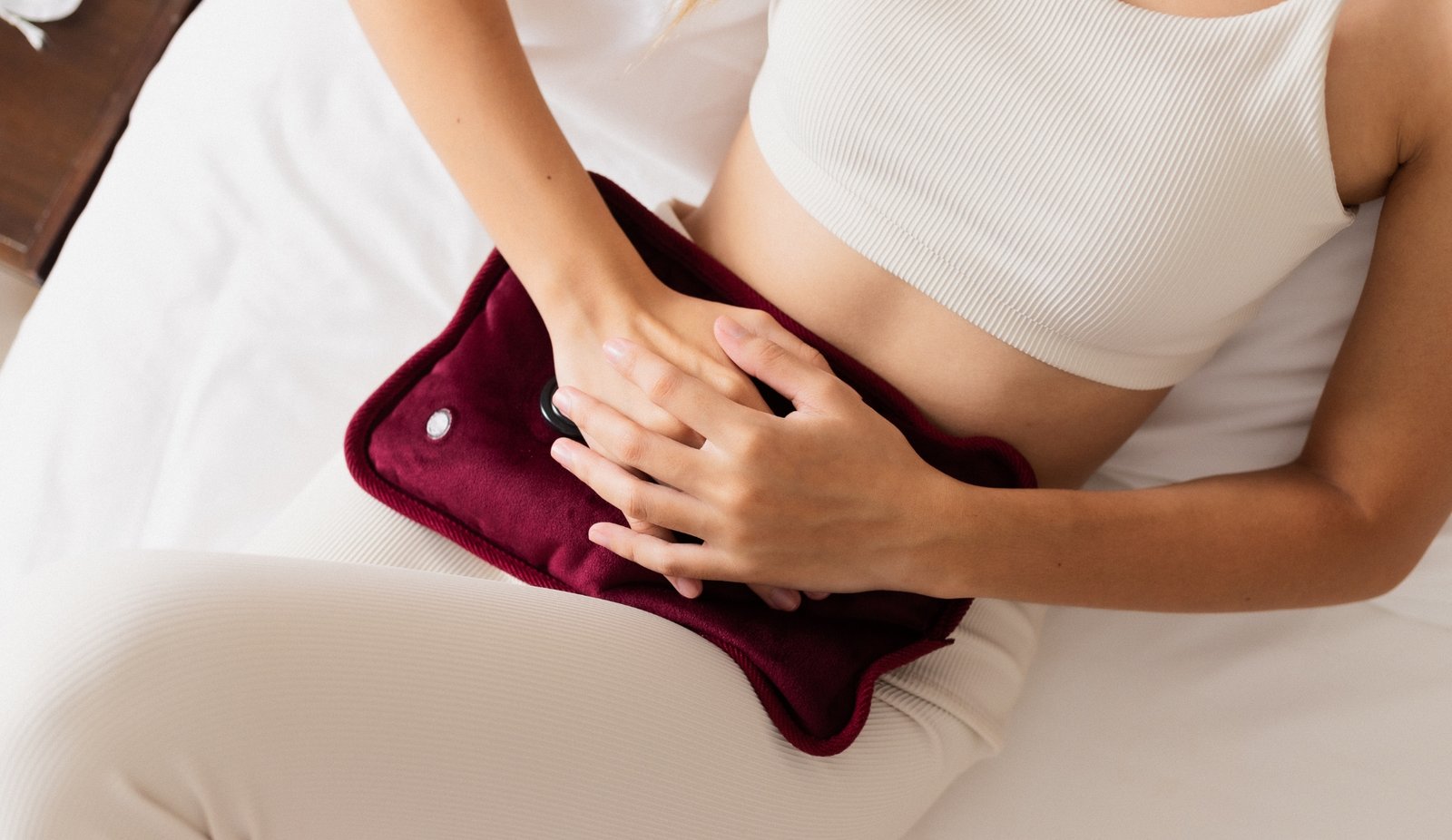
Managing painful periods after a c-section can include over-the-counter pain relievers, applying heat to the abdomen, and maintaining a healthy lifestyle. Regular exercise and a balanced diet can also contribute to overall menstrual health.
Is it safe to get pregnant soon after a c-section?
It is generally recommended to wait at least 18 to 24 months after a c-section before trying to get pregnant again. This allows your body to heal properly and reduces the risk of complications in subsequent pregnancies. Always consult your gynaecologist for personalized advice.
Conclusion
The timing of your first period after C-section depends on multiple factors—most notably breastfeeding, hormonal balance, and your body’s healing process. While some women see their cycles return within weeks, others may not menstruate for several months or even a year. It’s important to distinguish between lochia and menstruation, to be aware that fertility can return before your first period, and to monitor your symptoms for any signs that require medical attention.
Ultimately, postpartum menstruation is just one part of your recovery journey. Listening to your body, supporting it with proper nutrition and rest, and staying in communication with your healthcare provider will help ensure a healthy transition back to regular cycles—whether you’re planning your next pregnancy or simply looking to understand your body’s changes.
Related posts
- When Can You Swim After Giving Birth Safely (Experts Advice)
- 5 Early Signs of Internal Bleeding After C-Section (Must-Read)
- What to Eat After C-Section for Fast Recovery (Diet Chart)
- Postpartum Dandruff: Causes, Remedies, and Scalp Care Tips
- Back Pain After C-Section – Causes And How to Fix It Fast?
- C-Section Recovery Timeline: What to Expect Week by Week

