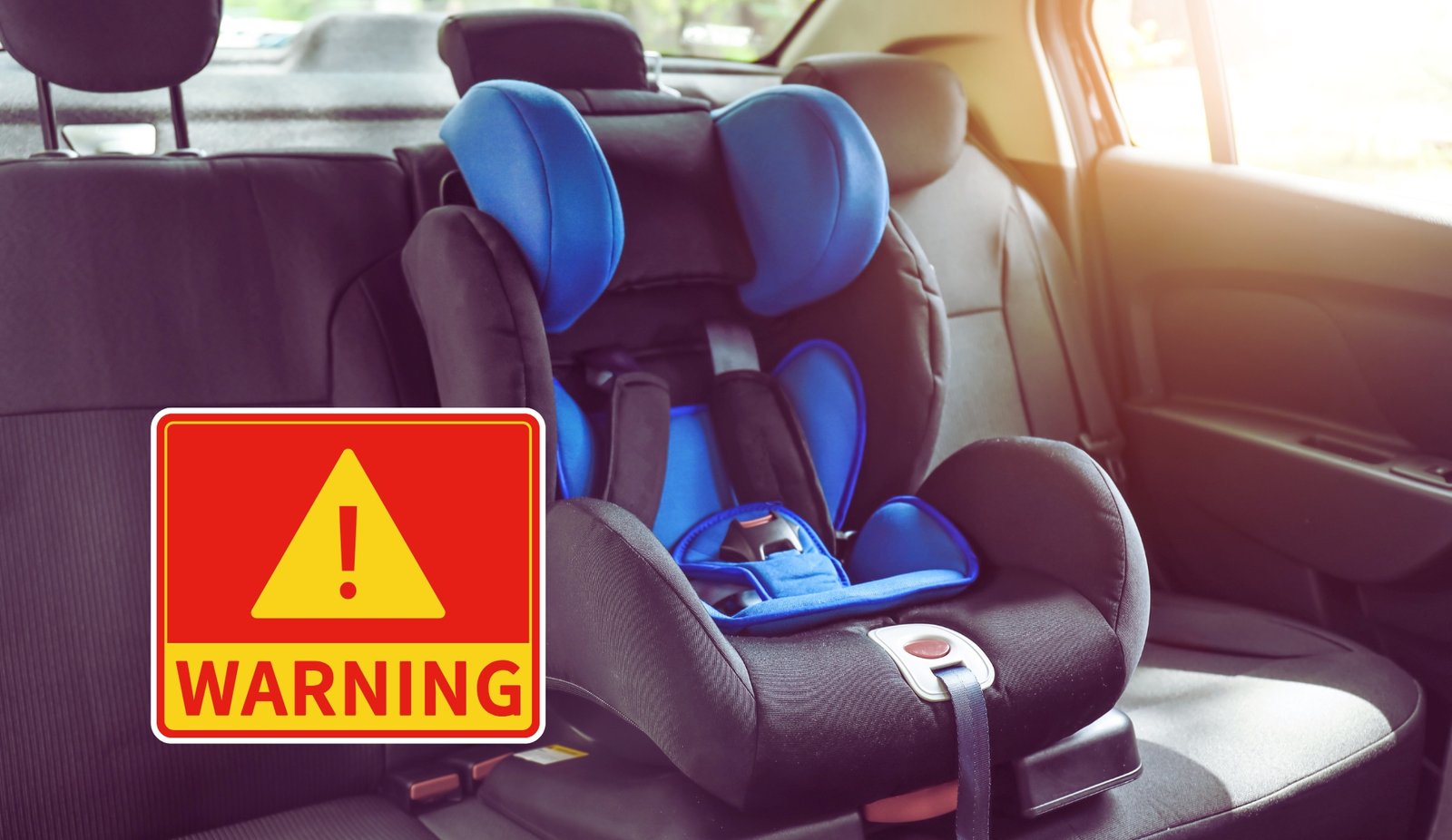
Have you ever checked your infant car seat expiration date? Many parents don’t realize that infant car seats don’t last forever. But just like milk or medicine, these safety devices also come with a shelf life—so when does yours expire?
Most infant car seats expire between 7 to 10 years from the manufacture date. Factors like material wear, safety regulation changes, and unseen damage over time make it risky to use an expired seat. In this article, we’ll explain where to find the expiration date, why it matters, and what to do when a seat expires.
According to the National Highway Traffic Safety Administration (NHTSA), using a seat beyond its expiration can reduce its ability to protect your child. Want to make sure your baby’s car seat is still safe and reliable? Let’s look into how to check expiration dates and make smart, safe choices for your little one.
Unsure If Your Seat Is Expired?
If you’re uncertain about whether your car seat is expired, it’s crucial to check the car seat expiration date. Most car seats have a lifespan of around seven to ten years, depending on the manufacturer and model.
Over time, the materials may degrade, making the seat less effective in a severe crash. Regularly inspecting your car seat for signs of wear is equally important. Even if it looks fine, the safety features may no longer meet the latest safety standards. Always consult the manufacturer’s guidelines to ensure your precious cargo is safe in the seat.
Additionally, keeping track of your car seat’s manufacture date can help you determine its expiration. If you can’t locate the date, consider registering your car seat with the manufacturer.
This not only helps you stay informed about recalls but also provides you with important information regarding its expected lifespan. Remember, when it comes to car seat safety, it’s better to be cautious than to risk using an expired convertible car seat.
Infant Car Seat Expiration Date: How Long Do Car Seats Last?
How long before an infant car seat expires The lifespan of infant car seats varies by manufacturer, but typically, they last between seven and ten years. Factors like material degradation and evolving safety standards play a significant role in determining how long a car seat remains effective.
The car seat expiration date is often printed on a label located on the car seat base or in the user manual. Many parents may overlook this crucial information, which can lead to using an expired car seat unknowingly. Regularly reviewing your infant car seat expiry date is essential to ensure child passenger safety remains a priority.
Moreover, the wear and tear of the car seat can also affect its lifespan. Frequent use, accidents, and environmental factors can contribute to the deterioration of the seat. Hence, understanding the expected lifespan of your car seat is vital.
If you find that your car seat has expired, it is time to either dispose of it or consider purchasing a new one that complies with the latest safety standards for car seats. Investing in a new car seat, whether it’s a convertible or booster seat, ensures that your child is protected to the fullest extent possible.
Where to Find the Expiration Date of Infant Car Seats?
Finding the expiration date of your infant car seat is straightforward if you know where to look. Most manufacturers place a label on the car seat base or along the side, displaying both the manufacture date and the expiration date.
If you cannot find this information, refer to the user manual, which typically includes details about the car seat’s lifespan. Additionally, some brands, like Chicco, provide clear guidelines on finding car seat expiration dates on their websites.
It’s also advisable to keep the original packaging and user manual, as they often contain important information regarding safety standards and the car seat’s lifespan. If your car seat is used, always take the time to verify its expiration before use.
To ensure ongoing safety, regularly check the expiration date, especially if you have multiple car seats or baby gear. Remember, knowing the expiration of infant car seats is a crucial step in maintaining child safety during travel.
Remember: The production label: Search for a small white label located on the seat that includes details such as the date of manufacture, serial number, model number, and expiration date of the car seat.
Is It Illegal to Use an Expired Car Seat?
While it may not be illegal to use an expired convertible car seat, doing so can pose serious risks to child passenger safety. The National Highway Traffic Safety Administration (NHTSA) recommends against using expired car seats due to the potential for weakened materials and outdated safety features.
In some states, using an expired car seat may also violate child safety laws, leading to fines or penalties. It’s essential to stay informed about the safety standards for car seats in your area.
Furthermore, using an expired car seat can compromise the safety of your child in the event of a crash. The seat may not perform as intended, putting your precious cargo at risk.
Parents should prioritize investing in car seats with valid expiration dates to ensure maximum protection. If you’re unsure about the legality or safety of your car seat, consult with a certified child passenger safety technician for professional advice. They can help you understand the regulations and best practices for using car seats.
New Vs Used Car Seats
When deciding between new vs. used infant car seats, there are some important safety, financial, and practical considerations. Here’s a breakdown to help you decide what’s best for your situation:
🔐 Safety First (Most Important)
✅ New Car Seat
- Guaranteed to meet current safety standards.
- Never been in an accident.
- Comes with full instructions and all parts.
- Easier to register for recalls and get manufacturer support.
⚠️ Used Car Seat
- Might have been in a crash, even if it looks fine.
- Replacement parts may be expired (yes, car seats have expiration dates — usually 7-10 years from manufacture).
- Could be missing parts or labels (which are crucial for installation and recall checks).
- Harder to confirm recall status or product history if bought from a stranger.
💵 Cost Comparison
- New Car Seats: Usually $80–$300+ depending on brand and features.
- Used Car Seats: Often $20–$100, or even free from friends/family.
💡 Tip: If cost is a major factor, consider buying a lower-cost new seat from a trusted brand rather than a higher-end used one with unknown history.
✅ When a Used Seat Might Be Okay
Only consider it if:
- It comes from someone you personally trust (you know its history).
- It’s not expired and has never been in a crash.
- The manual is included, and all parts are there.
- You can check it for recalls via the manufacturer or NHTSA recall tool.
📦 Convenience
- New: Comes with full packaging, manual, and warranty.
- Used: Might require you to hunt down installation guides, extra parts, or even a cleaning process.
💡Final Recommendation
If possible, go new for the peace of mind. It’s the safest route. But a carefully vetted used seat from a trusted source can be an affordable and safe option — just take the time to inspect it thoroughly.
Warning: The Dangers of Used Car Seats
Used car seats can pose significant dangers if proper precautions are not taken. Many parents unknowingly purchase used car seats that may have been involved in a severe crash, even if there are no visible signs of damage.
In such cases, the integrity of the seat may be compromised, leading to potential failure during an accident. Additionally, older models may not meet current safety standards, further increasing the risk to your child.
Moreover, used car seats often lack the necessary documentation to verify their history, including the expiration date and any recalls. Parents should be cautious when accepting hand-me-downs or purchasing used car seats from unknown sources.
It’s essential to thoroughly research and inspect any used car seat before considering it safe for your child. When in doubt, opting for a new car seat ensures that you are prioritizing your child’s safety and compliance with the latest child passenger safety regulations.
Properly Disposing of an Expired Car Seat
Proper disposal of an expired car seat is crucial to prevent accidental reuse. Most car seat manufacturers recommend destroying the car seat to make it unusable before disposing of it. This can be done by cutting the harness straps and breaking the car seat into pieces.
By doing this, you ensure that no one unknowingly uses an expired car seat. Some communities even offer recycling programs specifically for car seats, which can help reduce waste while promoting safety.
Additionally, many retailers offer trade-in programs that allow you to exchange your old car seat for a discount on a new one. This not only helps dispose of the old seat responsibly but also encourages parents to invest in safer, newer models.
Always check local guidelines for disposing of old car seats to ensure compliance with safety standards. Remember, taking the time to dispose of your expired car seat properly can contribute to a safer environment for all children.
Conclusion
So, How long before an infant car seat expires? In conclusion, understanding the infant car seat expiration date is vital for ensuring child passenger safety. Regularly checking your car seat’s expiration date, knowing where to find it, and understanding the implications of using expired or used car seats are essential for every parent. Always prioritize investing in compliant, new car seats to protect your precious cargo. Furthermore, if you have an expired car seat, remember to dispose of it responsibly to prevent accidental reuse. By staying informed and proactive, you can ensure your child remains safe in any travel situation.
Recommended posts
- When Is My Baby Too Big for Infant Car Seat: (Safety Tips)
- Infant Car Seat on Plane: Travel Tips and Safety Guidelines
- Where to Recycle Infant Car Seats: Safe & Responsible Recycling Ways
- Where to Donate Infant Car Seat to Help Families (Charities)