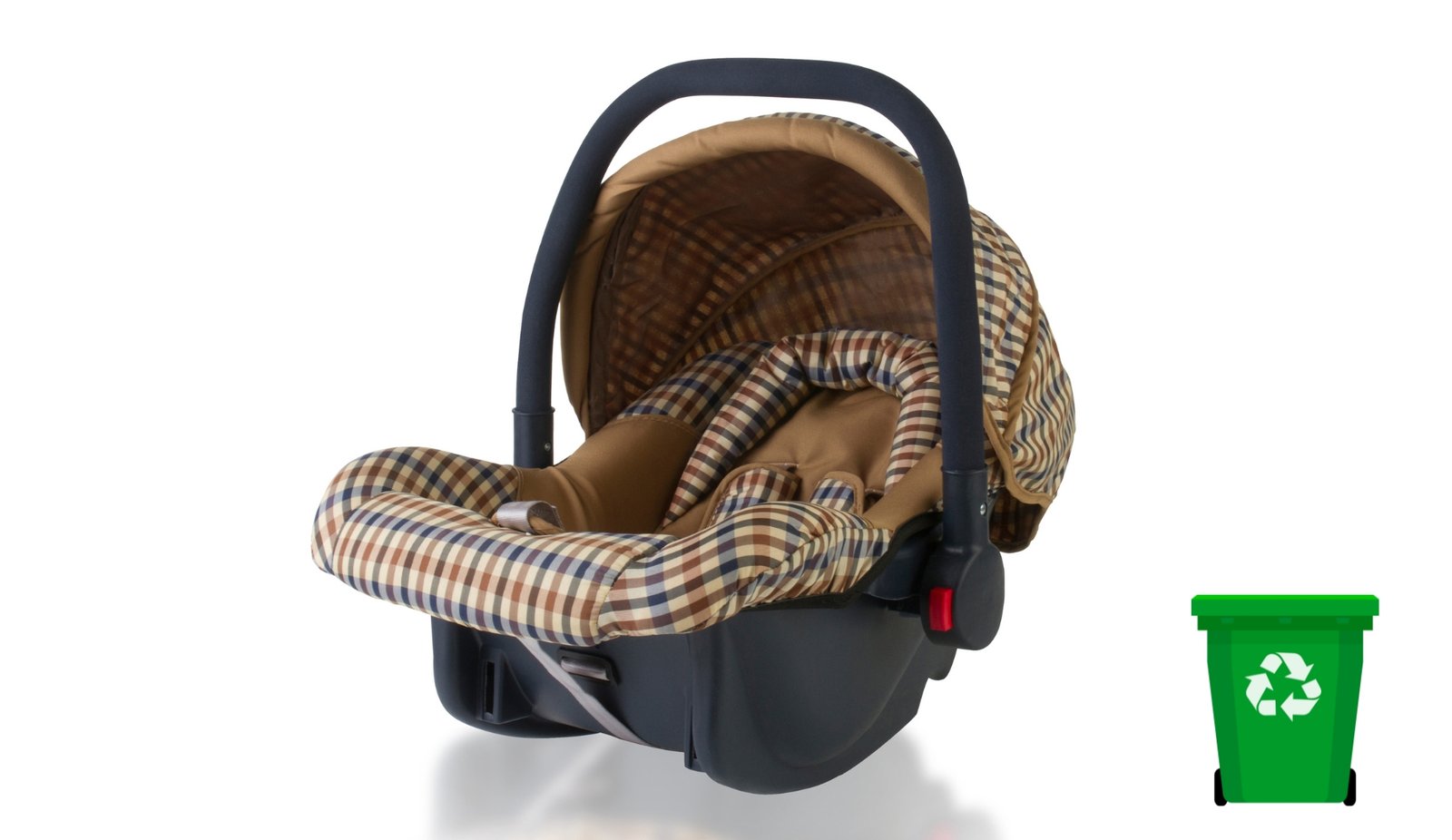
Is your infant car seat expired, damaged, or simply no longer needed? Knowing how to properly dispose of an infant car seat is important for both safety standards and the environment. But tossing it in the trash isn’t always the best or safest infant car seat disposal option—so what should you do?
Many communities offer recycling programs or car seat trade in events where you can safely dispose of old car seats. Major retailers like Target and Walmart host trade-in programs that offer discounts in return. In this article, we’ll guide you through all the responsible ways to recycle, donate, or discard your infant car seat.
According to Safe Kids Worldwide, using an expired or unsafe seat puts children at risk in a crash. Ready to clear out space and do it the right way? Let’s explore the best and safest methods to dispose of your infant car seat.
Where to Recycle Infant Car Seats?
Recycling infant car seats can be a bit tricky due to the materials used in their construction. However, several car seat manufacturers and organizations offer car seat recycling programs.
For example, brands like Britax and Graco regularly host events where you can recycle your car seat in exchange for coupons toward a new car seat. Additionally, local recycling centers and children’s hospitals often partner with organizations like TerraCycle to facilitate safe car seat recycling.
Checking with your local department of transportation can also provide you with information about recycling options in your area. It’s important to check your infant seat manual or the manufacturer’s website for any specific recycling instructions.
Another effective way to recycle an infant car seat is through community programs that accept car seats for recycling. Many municipalities have designated drop-off points for recycling baby gear, including old seats.
These programs aim to reduce waste and ensure that materials are repurposed responsibly. Parents can also connect with groups like Safe Kids, which often have resources and tips for where to take expired or damaged car seats.
By participating in these recycling efforts, parents contribute to a sustainable future while ensuring the safety of children in their vehicles.
How to Dispose of Old Infant Car Seats?
Disposing of old infant car seats can be done safely by following specific guidelines. First, check your car seat for an expiration date, as most seats expire between six to ten years after manufacture.
If the seat is expired or damaged, it is vital to dispose of it immediately to prevent any potential hazards. If the used car seat has been involved in a crash, it should also be disposed of to ensure child passenger safety.
To dispose of the car seat, you can cut the straps and remove any padding to make it less appealing for reuse, which discourages others from using a potentially unsafe seat.
Many municipalities have specific waste management services that allow for the disposal of unwanted baby gear, including car seats. It’s advisable to check with your local waste department for guidelines on how to properly dispose of car seats.
Some areas may offer curbside pickup for large items, while others may require you to take the seat to a designated drop-off location. Additionally, some recycling centers may accept damaged or expired car seats, so it’s worth investigating those options to avoid contributing to landfill waste.
3 Safe Ways for Infant Car Seat Disposal
Here are 3 safe and responsible ways to dispose of an infant car seat when it’s no longer needed or has expired:
1. Trade-In Programs
Many big-box retailers, like Target circle bonus or Walmart, periodically offer car seat trade-in events. These allow you to:
- Drop off old, expired, or damaged car seats.
- Receive a discount coupon toward a new baby item or car seat.
- Ensure the seat is recycled properly rather than going to a landfill.
🔄 Bonus: The materials are often broken down and reused in other products!
2. Recycling Facilities
Some local recycling centers accept car seats, but you’ll need to:
- Disassemble the seat (remove fabric, straps, foam, and metal).
- Look for a facility that accepts #5 plastic or hard plastics.
- Call ahead or check their website to confirm car seats are accepted.
🛠️ Tip: Use a screwdriver or utility knife for disassembly — it’s not too difficult!
3. Destruction Before Disposal
If none of the above options work, and you must throw it away, make sure to:
- Cut the harness straps and remove padding.
- Write “DO NOT USE” on the shell with a permanent marker.
- Place the seat in a black garbage bag or take it apart to prevent reuse.
🚫 This step prevents someone from salvaging and using an unsafe seat from the trash.
Remember: There are over a million car seats on the market today, each designed to ensure the safety and comfort of children during travel. With various types available, such as infant seats, convertible seats, and booster seats, parents have a wide range of options to choose from based on their child’s age, weight, and height.
Conclusion about Infant Car Seat Recycling
Proper infant car seat disposal is crucial for the safety of children and the environment. By utilizing car seat recycling programs, checking expiration dates, and following manufacturer guidelines, parents can ensure that their old car seats are disposed of responsibly.
Whether you choose to recycle your car seat through a trade-in program, donate it if safe, or use a specialized recycling service, it’s essential to take the necessary steps to protect future passengers. Remember, an expired or damaged car seat can pose serious risks, so always prioritize safety and sustainability in your disposal practices.
Recommended posts
- Infant Car Seat Expiration Date: Why It Matters & Warnings
- When Is My Baby Too Big for Infant Car Seat: (Safety Tips)
- Where to Donate Infant Car Seats to Help Families (Charities)
- Infant Car Seat Weight Limit – How to Choose the Right One?