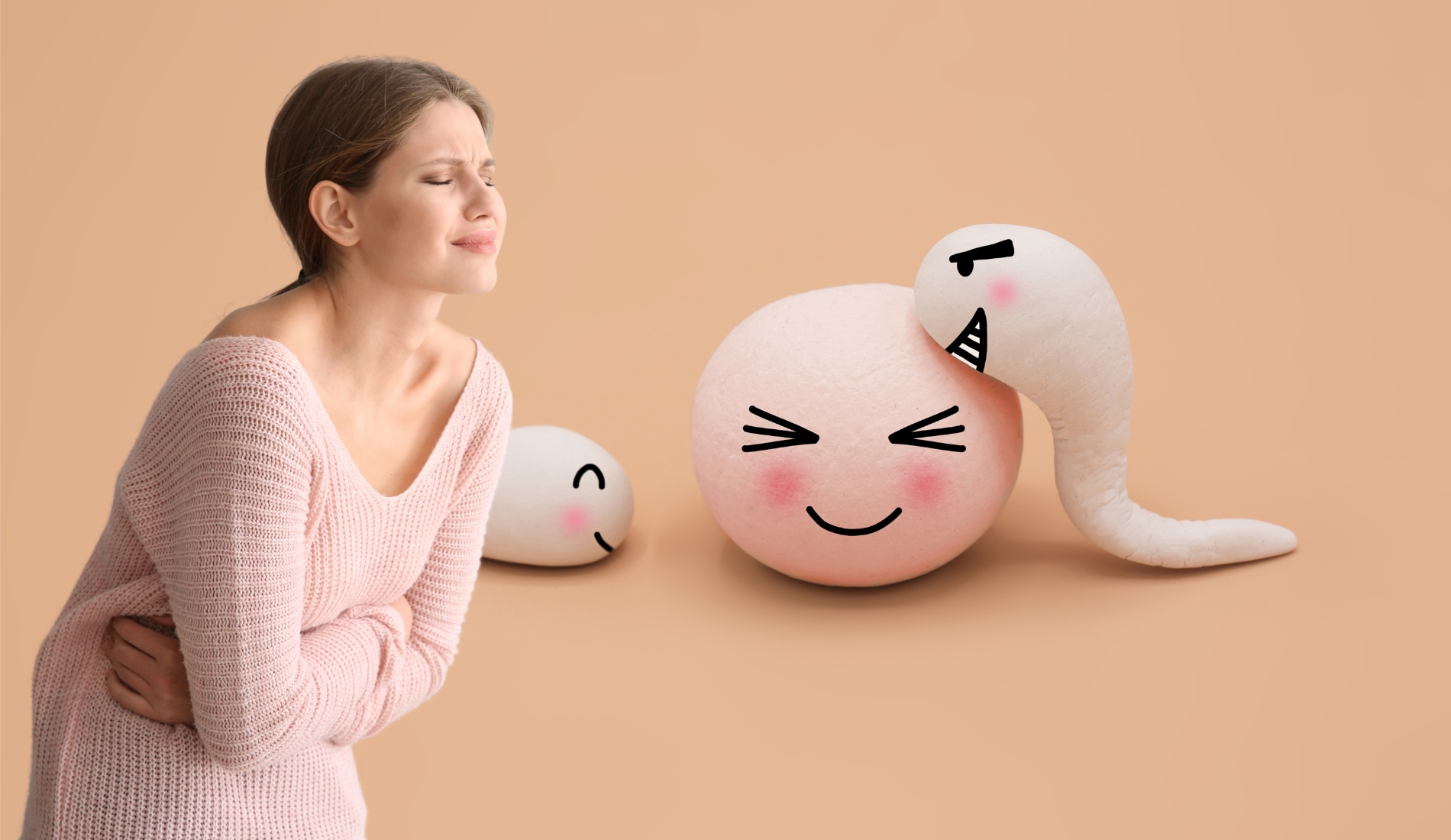
How long after ovulation pain is the egg released? If you’ve ever felt that mid-cycle twinge and wondered what it really means, you’re not alone. Could this pain be your body’s signal that the egg is already out—or is it just a warning shot before the main event? Let’s clear the confusion and find out what’s actually happening.
Ovulation pain, also called mittelschmerz, usually occurs just before the egg is released—typically within 24 hours. According to fertility experts like Dr. Serena Chen of IRMS, ovulation happens shortly after the discomfort begins. In this guide, we’ll unpack the timeline, signs, and how you can track it more accurately for conception or natural birth control.
But ovulation isn’t just about timing—it’s about understanding your body’s language. Want to know how to use ovulation pain to boost your chances of getting pregnant—or avoiding it? Let’s dive into the insights, science, and expert-backed facts that will help you make sense of every cycle.
Do You Feel Ovulation Pain?
Many individuals experience ovulation pain, also known as mittelschmerz, during the menstrual cycle. This ovulatory pain can manifest as a sharp pain on one side of the lower abdomen, typically correlating with the side of the ovary releasing a mature egg.
The intensity of the middle pain varies from person to person; some may only experience mild discomfort during ovulation while others may endure severe pain.

This pain can last from a few minutes to a few hours, providing an indication of the time of ovulation. Tracking ovulation pain can be a helpful method for those trying to conceive, as it often aligns with the most fertile period of the menstrual cycle.
In addition to the sharp pain, some may also experience cramping during ovulation, which can be mistaken for menstrual cramps. Such sensations can serve as a reminder of the body’s complex process of ovulation.
It’s important to note that not everyone will feel ovulation pain, and its absence does not necessarily indicate any issues with fertility. For those who do experience ovulation pain, recognizing the signs can be instrumental in understanding one’s fertility window and planning for conception effectively.
How Long After Ovulation Pain Is the Egg Released?
The duration between ovulation pain and the actual release of the egg can be quite brief, often occurring within hours. Typically, ovulation pain is associated with the follicle’s rupture, which leads to the egg being released from the ovary into the fallopian tube. This process is usually completed shortly after the pain occurs, although the precise timing can vary among individuals.
In general, most people experience ovulation pain around the day of ovulation, when the mature egg is released, making it a crucial time for those trying to conceive.
After experiencing ovulation pain, the egg remains viable for fertilization for about 12 to 24 hours. Therefore, understanding this timing is essential for maximizing the chances of conception. Couples trying to conceive should consider this timeframe when planning intercourse.
Additionally, using an ovulation test can help pinpoint the exact time of ovulation, further clarifying the relationship between ovulation pain and the egg release. This combination of tracking ovulation pain and testing can enhance fertility awareness and assist in achieving pregnancy.
Do You Feel Ovulation Pain Before or After the Egg Is Released?
Ovulation pain typically occurs just before or during the release of the egg. Many people report feeling this discomfort in the days leading up to ovulation, which can serve as an indicator that the body is preparing to ovulate.
It is essential to understand that while some may experience pain shortly before the egg is released, others might feel it at the exact moment of ovulation. This timing is highly individual and can be influenced by various factors, including hormone levels and the overall health of the reproductive system.

Experiencing pain during ovulation can also help differentiate between various phases of the menstrual cycle. For instance, if ovulation happens later than expected, the pain might be felt at an atypical time, indicating changes in the menstrual cycle.
Tracking ovulation pain can aid in recognizing these patterns, allowing for better understanding and management of fertility. Furthermore, it’s important to note that while ovulation pain is a common symptom, it is not a definitive sign of the egg’s release, and some individuals may not feel ovulation pain at all.
Does Ovulation Pain Mean It’s Too Late to Conceive?
Experiencing ovulation pain does not mean it is too late to conceive; in fact, it often indicates peak fertility. The timing of ovulation pain correlates closely with the release of the egg, making it an optimal time for conception.
Since the egg can be fertilized for up to 24 hours after being released, having intercourse shortly after experiencing ovulation pain can increase the chances of successful conception. However, it’s essential to remember that while ovulation pain can signal a fertile window, many factors influence fertility, and pain alone should not be taken as a definitive indicator of the ability to conceive.
Moreover, some individuals may experience ovulation pain without the successful release of an egg, which can occur in certain cycles. Conditions such as polycystic ovary syndrome (PCOS) can affect ovulation and may lead to irregularities.
Therefore, while the presence of ovulation pain is generally a positive sign, it is essential to consider it within the broader context of one’s fertility journey. For those actively trying to conceive, consulting with a healthcare professional about ovulation pain and overall reproductive health can provide additional guidance and support.
How Soon After Ovulation Pain Does the Egg Drop?
The egg drops shortly after ovulation pain is experienced, typically within hours. When the mature follicle ruptures, the egg is released from the ovary into the fallopian tube, where it awaits fertilization.
This process is often closely linked with the sensations of pain that many individuals feel during ovulation. The timing can vary, but generally, the egg drops around the time ovulation pain occurs, marking a crucial moment for those looking to conceive.
Understanding this timing is essential for increasing the chances of conception. For couples trying to conceive, knowing that the egg is most viable for fertilization immediately after ovulation pain can help in timing intercourse effectively.
Utilizing ovulation tests alongside tracking symptoms like ovulation pain can further enhance the ability to identify the optimal window for conception. This strategic approach can be particularly beneficial for those who may have irregular cycles or difficulty predicting ovulation, providing a clearer picture of when to engage in sexual activity for the best chance of pregnancy.
How Many Days After Ovulation Pain Can You Get Pregnant?
Generally, conception can occur within 12 to 24 hours after ovulation pain, as this is the timeframe in which the egg remains viable for fertilization. After ovulation pain, the egg is released and travels through the fallopian tube, where it can meet sperm and potentially become fertilized.
For those trying to conceive, timing intercourse in the days leading up to and shortly after experiencing ovulation pain can significantly increase the likelihood of pregnancy.
Additionally, it’s important to consider that sperm can survive in the female reproductive tract for up to five days, allowing for a higher chance of conception if intercourse occurs in the days leading up to ovulation.
This means that even if ovulation pain is felt, fertility extends beyond just the immediate moment of the egg’s release. Therefore, monitoring ovulation pain alongside other ovulation symptoms and using ovulation tests can help maximize the chances of getting pregnant within the fertile window of the menstrual cycle.
Commonly Asked Questions about How Soon after Period do You Ovulate (FAQs)
How long after ovulation pain does the egg get released?
Ovulation pain, often referred to as mittelschmerz, occurs when the ovary releases an egg. This pain is typically felt around the time of ovulation, and the egg is usually released shortly after the onset of this discomfort, often within a few hours.
What are the common causes of ovulation pain?
Causes of ovulation pain can include the rupture of the follicle releasing the egg, irritation of the pelvic lining, or changes in cervical mucus. Some women may experience cramping during ovulation as a result of these processes.
Is ovulation pain the same as period cramps?
No, ovulation pain is usually felt mid-cycle and is different from period cramps. While both can cause discomfort, ovulation pain occurs around the time of ovulation and is typically sharp or cramping in nature, whereas period cramps are associated with the uterine contractions during menstruation.
How can I track ovulation to identify pain?
You can track ovulation by monitoring your basal body temperature, observing changes in cervical mucus, and using ovulation tests that detect the luteinizing hormone LH. By correlating these methods with any cramping during ovulation, you can better understand your ovulation cycle.
How long does ovulation pain typically last?
Ovulation pain may persist for a duration ranging from several minutes to a few days. Most women experience mild to moderate pain that is felt on one side of the pelvis, which corresponds to the ovary that is releasing the egg.
Can hormonal birth control affect ovulation pain?
Yes, hormonal birth control can suppress ovulation, which may reduce or eliminate ovulation pain. Women on hormonal birth control may not experience ovulation pain as the ovulation process is inhibited.
When should I consider seeing a doctor about ovulation pain?
If you experience severe ovulation pain or if the pain is accompanied by heavy bleeding, back pain, or other concerning symptoms like pelvic pain, it’s important to consult a healthcare professional to rule out any underlying medical conditions.
Can ovulation pain be mistaken for other conditions?
Yes, ovulation pain can sometimes be mistaken for other conditions, such as an ectopic pregnancy or ovarian cysts. It’s crucial to monitor the pain and consult a healthcare provider if it feels abnormal or persists beyond a typical timeframe.
What are the top things to know about ovulation pain?
Some top things to know include that ovulation pain is usually mild and short-lived, can be felt on one side of the pelvis, may be accompanied by changes in cervical mucus, and is different from menstrual cramps. Pain relief options include over-the-counter pain medications, but severe pain should be evaluated by a doctor.
Conclusion
So, how long after ovulation pain is the egg released? In summary, understanding the relationship between ovulation pain and egg release is crucial for those trying to conceive. Ovulation pain serves as a valuable indicator of the menstrual cycle, often signaling the optimal time for fertilization. While individual experiences of pain may vary, tracking these sensations, along with using ovulation tests, can provide insight into one’s fertility. It is important to remember that while ovulation pain can be a helpful clue, it is not a definitive indicator of fertility or the success of conception. For those seeking to conceive, awareness of ovulation pain and its timing can guide decisions and enhance the chances of pregnancy.
Recommended posts
- Can You Get a Period Without Ovulating? (Ovulation Facts)
- Ovulation Bleeding: Spot Causes, Symptoms, and What It Means
- Does Plan B Work During Ovulation! (Is It Still Effective?)
- 2 Days After Ovulation Can You Get Pregnant?
- Does Late Period Mean Late Ovulation? (The Shocking Truth)
- If Pregnant After Ovulation Symptoms Shouldn’t Ignore!