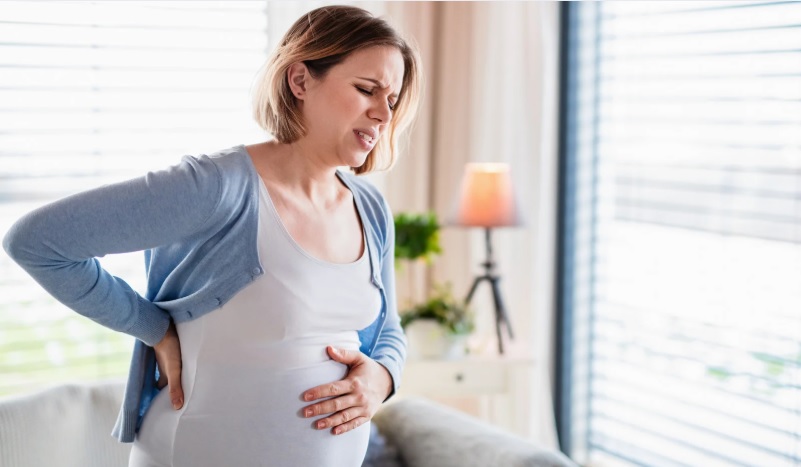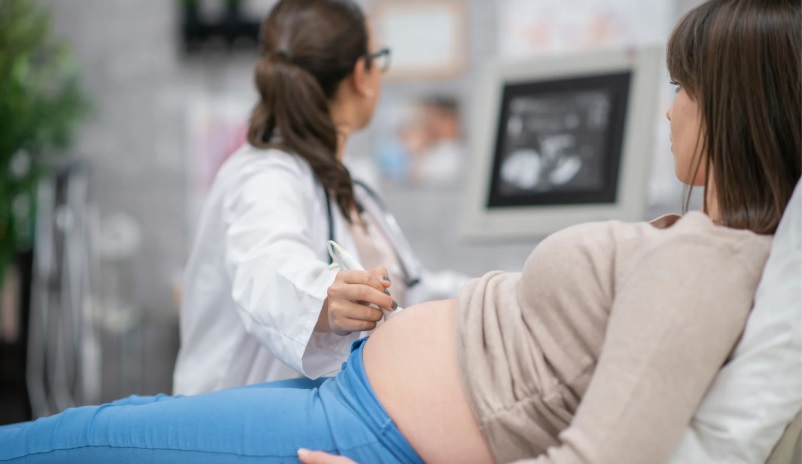
How fertile are you after a miscarriage? Many people wonder how quickly their bodies can return to conception after such a difficult loss. Does fertility bounce back right away, or does it take months to stabilize? Let’s explore the facts to ease those uncertainties.
Studies reveal that fertility often returns within just a few weeks after a miscarriage. The American College of Obstetricians and Gynecologists notes that ovulation can occur as soon as two to four weeks post-loss. Couples may conceive again in the very next cycle if they feel emotionally and physically ready.
Curious about the best time to try again and how to support your body for a healthy pregnancy? Leading obstetric experts like Dr. Zev Williams, a specialist in reproductive endocrinology, share key insights you won’t want to miss.
Keep reading to learn practical steps and medical guidance to boost your chances of a successful pregnancy.
How Fertile Are You After a Miscarriage?
So, are you more fertile after miscarriage? In most cases, fertility can return surprisingly soon after a miscarriage. Once pregnancy hormones (notably human chorionic gonadotropin, or hCG) fall back to pre-pregnancy levels, the ovaries begin their regular cycle. Studies show that ovulation may resume as early as two to four weeks after an early loss.
Several factors influence how quickly you become fertile again:
- Gestational age at miscarriage – Early first-trimester losses usually allow a faster return to normal cycles than second-trimester losses.
- Type of miscarriage and treatment – Whether you had a natural (complete) miscarriage, required medical management, or underwent a dilation and curettage (D&C) can affect healing time.
- Individual health – Underlying conditions such as thyroid disorders, polycystic ovary syndrome (PCOS), or endometriosis can slow the return of regular ovulation.
Encouragingly, research published in Obstetrics & Gynecology and similar journals shows that couples who try to conceive within six months after a miscarriage often experience equal or even higher success rates compared with those who wait longer.
How Long After a Miscarriage Can You Try Again?
Physically, you may be able to try again as soon as your next ovulation, which can occur two to six weeks after the miscarriage, provided there are no medical complications such as infection or excessive bleeding. However, the timing is influenced by:
- Your healthcare provider’s advice – Most doctors recommend waiting until at least one normal menstrual period to help date a future pregnancy accurately and allow the uterine lining to rebuild.
- Emotional readiness – Grieving and processing the loss is essential. Couples should not feel pressured; mental health is as important as physical recovery.
- Medical follow-up – A post-miscarriage check-up ensures that hCG levels have normalized and that there are no retained products of conception or ongoing complications.
If your miscarriage was in the second trimester or you required surgical intervention, your healthcare provider might recommend waiting two to three months to allow the uterus to heal fully.
Should You Wait after a Miscarriage to Try to Get Pregnant Again?
Traditional guidance once suggested waiting several months after miscarriage before trying again. However, modern research paints a different picture:
- The World Health Organization previously advised waiting six months, mainly to allow for emotional recovery and to reduce complications in settings with limited prenatal care.
- More recent studies, including a large analysis in BMJ, found no increased risk of adverse outcomes for pregnancies conceived within three months of a miscarriage.
In fact, some data suggest that conception within six months may be associated with lower rates of recurrent miscarriage. Still, personal circumstances vary. The most important factors are:
- Medical clearance – Confirm with your provider that your body is physically healed.
- Emotional readiness – Ensure you and your partner feel prepared for another pregnancy journey.
- Addressing underlying conditions – If testing reveals issues such as hormonal imbalance or uterine abnormalities, follow your doctor’s recommended treatment plan before trying again.
How to Track Ovulation after Miscarriage
Tracking ovulation after a miscarriage helps you identify when fertility returns and can shorten the time to conception. Here are evidence-based methods:
- Basal Body Temperature (BBT) Charting – Take your temperature each morning before getting out of bed. A slight rise (around 0.4°F or 0.2°C) indicates ovulation.
- Cervical Mucus Observation – Fertile mucus becomes clear, stretchy, and similar to raw egg whites around ovulation.
- Ovulation Predictor Kits (OPKs) – These detect the surge of luteinizing hormone (LH) that precedes ovulation by about 24–36 hours.
- Digital Fertility Monitors or Apps – Paired with LH testing or wearable sensors, these tools can provide continuous cycle insights.
Because cycles can be irregular for a month or two after miscarriage, combining multiple methods increases accuracy. If your periods remain absent for more than eight weeks, consult your healthcare provider to rule out complications.
How Can You Prepare for another Pregnancy?
After experiencing a miscarriage, many individuals wonder how fertile they are and when they can start trying to conceive again. It’s common to feel emotionally ready for a subsequent pregnancy, but it’s best to wait until your body has recovered.
Typically, your first period occurs within a few weeks, marking the return of your fertile window. Some may experience an early miscarriage, while others may face complications like ectopic or molar pregnancy, which can increase the risk of adverse pregnancy outcomes.
Speaking with your healthcare provider can help determine the best time to start trying again and assess the chances of your next pregnancy being successful.
Preparing for a healthy pregnancy after miscarriage involves supporting both body and mind:
1. Medical Evaluation
Schedule a preconception appointment. Your provider may recommend blood tests to check hormone levels, thyroid function, or screen for conditions like antiphospholipid syndrome if you have had recurrent pregnancy loss.
2. Nutritional Support
Adopt a nutrient-dense diet rich in leafy greens, lean proteins, whole grains, and healthy fats. Begin a prenatal vitamin with 400–800 micrograms of folic acid to reduce neural tube defect risks.
3. Lifestyle Adjustments
Maintain a healthy weight, exercise moderately, and avoid smoking, excessive caffeine, and alcohol. If you take prescription medications, ask your doctor whether they are safe during pregnancy.
4. Emotional Well-Being
Pregnancy loss can trigger grief, anxiety, or depression. Consider counseling, support groups, or therapy to process the experience and reduce stress before trying again.
5. Track Your Cycle
Regularly monitor your cycle using ovulation tools so you can time intercourse or treatments effectively once you are ready.
Commonly Asked Questions About Fertility After Miscarriage (FAQs)
Do I want to get pregnant again?
After a miscarriage, many women can become fertile again within weeks. Consult your healthcare provider to discuss the best time to start trying for a new pregnancy.
Will I have another miscarriage?
After a miscarriage, many women remain fertile, often able to conceive within weeks. It’s advisable to wait at least one menstrual cycle before trying for a baby to ensure a healthy pregnancy after a loss.
Can I get pregnant after a miscarriage?
Yes, you can. Many women are very fertile after a miscarriage. It’s often possible to conceive again quickly, but consult your doctor for personalized timing advice.
What is the medical advice about when to try again after miscarriage?
Most doctors advise waiting until after one normal menstrual cycle to become pregnant again. This allows for emotional healing and accurate dating of the new pregnancy.
What are the chances of getting pregnant after experiencing multiple miscarriages?
Many women successfully achieve pregnancy after a miscarriage, even multiple ones. Chances remain good, but underlying causes should be investigated by a fertility specialist to improve outcomes.
When can I start trying again?
You can often try after your first normal period. Use a pregnancy test to confirm hCG is zero. Always consult your doctor for personalized timing advice.
What else should I consider before trying to conceive again?
Consult your doctor to address potential causes, manage health conditions, and understand your personal risk of miscarriage. Emotional readiness and prenatal vitamins are also key considerations.
What if I experience another early pregnancy loss?
Consult a fertility specialist to investigate causes. Many still conceive after an early pregnancy loss, but medical guidance is crucial for support and improving future outcomes.
Pregnancy after miscarriage Conclusion
So, are you more fertile after miscarriage? A miscarriage does not usually reduce your chances of future parenthood. For many, fertility returns within weeks, and medical research indicates that conceiving soon after a miscarriage is often safe. While the question “How Fertile Are You After a Miscarriage?” cannot be answered with a single number—because every person’s body is different—the key takeaway is that the outlook is overwhelmingly positive. By ensuring medical clearance, nurturing emotional health, and adopting healthy habits, you can approach your next pregnancy with confidence and hope.
Disclaimer: This article provides general information and is not a substitute for professional medical advice. Always consult a qualified healthcare provider regarding your personal circumstances.
Recommended posts
- No Period After Miscarriage Could I Be Pregnant Again?
- Signs of Ovulation After Miscarriage You Shouldn’t Ignore
- Successful Pregnancy Immediately After Miscarriage (Solved)
- Managing Weight Gain After Miscarriage (Proven Coping Tips)