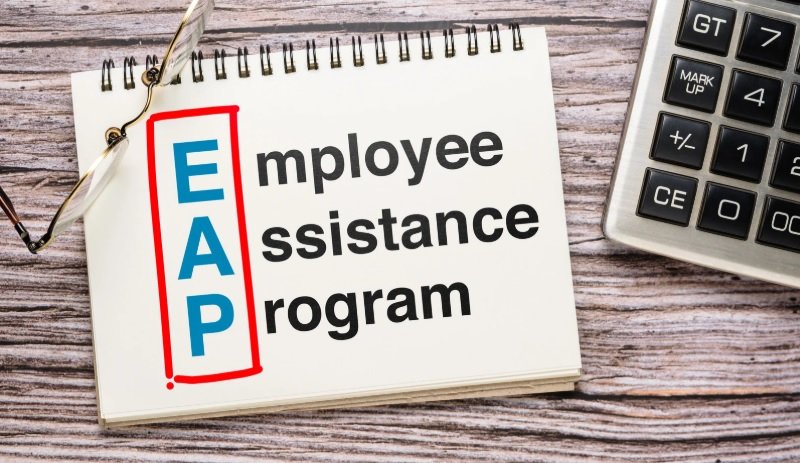
Employee Assistance Programs play a critical role in supporting employee well-being and workplace resilience. Do stress, personal challenges, or mental health concerns ever affect performance at work? These programs give employees confidential access to professional help when they need it most.
Employee Assistance Programs, often called EAPs, provide services like mental health counseling, financial advice, legal support, and stress management. The Society for Human Resource Management reports that organizations offering EAPs see reduced absenteeism and improved productivity. Employees feel supported, which strengthens trust and morale.
But many workers still underestimate the value of these programs or don’t know how to use them. This article explains how Lifeworks EAP Counselling Programs work, why they matter, and how both employees and employers can benefit fully. Are you ready to explore a workplace resource designed to support life beyond the job?
How Employee Assistance Programs Support Mental Health and Productivity?
Employee mental health and workplace productivity are deeply interconnected. When employees experience emotional distress, burnout, or personal crises, their focus, decision-making, and collaboration often suffer. EAPs bridge this gap by offering early intervention, professional care, and ongoing support.
Early Identification and Intervention
One of the most powerful aspects of EAPs is early intervention. Employees can access support before issues escalate into serious mental health conditions or performance problems. By addressing concerns early—such as chronic stress, anxiety, or sleep disruption—EAPs reduce absenteeism, presenteeism, and long-term disability claims.
Confidential and Stigma-Free Support
Confidentiality is foundational to EAP effectiveness. Employees are more likely to seek help when they know their information is protected and not shared with supervisors or HR. This privacy removes stigma and encourages proactive mental health care, resulting in a more emotionally secure workforce.
Stress Management and Burnout Prevention
EAPs provide tools and counseling to help employees manage workload pressure, deadlines, interpersonal conflict, and role ambiguity. Stress-management techniques, resilience coaching, and mindfulness support help employees regain control, improve focus, and sustain energy levels throughout the workday.
Improved Productivity and Engagement
When employees receive timely mental health support, they return to work with improved concentration, motivation, and emotional regulation. Studies consistently show that EAP utilization correlates with higher engagement, better morale, and improved team performance—key drivers of organizational success.
Support During Life Transitions and Crises
Life events such as divorce, grief, caregiving responsibilities, or financial hardship can significantly impact health and wellness. EAPs offer short-term counseling and referrals during these transitions, helping employees remain productive while navigating personal challenges.
Ready To Access Your EAP Resources?
Many employees are unaware of how easy it is to access their EAP benefits. Most programs are designed for immediate, barrier-free support.
How Employees Can Get Started
Accessing EAP services typically involves:
- Calling a confidential toll-free number
- Visiting an online Lifeworks EAP portal
- Using a mobile app for scheduling or chat support
- Requesting referrals for in-person or virtual counseling
No supervisor approval is required, and services are often available 24/7.
What You Can Expect From Your First Contact
Upon initial contact, a trained intake professional assesses your needs and connects you with appropriate resources. This may include short-term counseling, self-help tools, or referrals to specialized providers. The process is designed to be supportive, efficient, and nonjudgmental.
Encouraging Utilization Through Awareness
Organizations that actively promote EAPs—through onboarding, wellness campaigns, and leadership communication—see significantly higher utilization rates. Clear messaging reassures employees that seeking help is a strength, not a liability.
Costs and Benefits of EAPs
From an organizational perspective, EAPs are one of the most cost-effective investments in employee well-being.
Cost Structure of EAPs
EAPs are typically offered at a low per-employee-per-month cost, making them accessible for organizations of all sizes. Most programs include a defined number of counseling sessions per issue, per year, at no cost to the employee.
Measurable Business Benefits
The return on investment for EAPs is well-documented:
- Reduced absenteeism and sick leave
- Lower healthcare and disability costs
- Decreased turnover and recruitment expenses
- Improved productivity and work quality
Even modest improvements in employee mental health can yield substantial financial savings over time.
Risk Mitigation and Compliance
EAPs also help organizations manage risk by providing support for substance use issues, workplace conflict, and crisis situations. They complement broader health and safety initiatives and support compliance with workplace wellness and duty-of-care expectations.
List of Federal Agencies’ Employee Assistance Programs (Confidential Access)
In the public sector, EAPs play a vital role in supporting the mental health of federal employees who often operate in high-stress, mission-critical environments. While program structures may vary, confidentiality and accessibility remain core principles.
Common Federal Agencies Offering EAP Services
Many U.S. federal agencies provide EAPs to their employees, including:
- Department of Health and Human Services (HHS)
- Department of Defense (DoD)
- Department of Veterans Affairs (VA)
- Department of Homeland Security (DHS)
- Department of Justice (DOJ)
- Department of Transportation (DOT)
- Environmental Protection Agency (EPA)
Scope of Federal EAP Support
Federal EAPs typically offer:
- Short-term confidential counseling
- Crisis intervention and trauma support
- Substance use assessment and referrals
- Work-life balance resources
- Manager consultations for employee support
These programs are designed to ensure federal employees can access mental health support without fear of professional repercussions.
EAP Counseling Services
Counseling is the cornerstone of most EAPs, providing employees with direct access to licensed mental health professionals.
Types of Counseling Offered
EAP counseling services commonly address:
- Anxiety, depression, and mood disorders
- Work-related stress and burnout
- Relationship and family challenges
- Grief, loss, and trauma
- Substance use concerns
Sessions may be delivered in person, by phone, or via secure video platforms, allowing employees to choose what works best for them.
Short-Term, Solution-Focused Approach
EAP counseling is typically short-term and goal-oriented. The focus is on stabilizing the situation, developing coping strategies, and identifying next steps. If longer-term care is needed, counselors provide referrals to appropriate providers within the employee’s federal occupational health plan network.
Manager and Leadership Support
Many EAPs also offer consultation services for managers, helping them address performance concerns compassionately, respond to crises, and support team well-being without overstepping boundaries.
EAP Commonly Asked Questions (FAQs)
What is the main purpose of an EAP?
The main purpose of an EAP is to provide confidential counseling and support services to employees for personal or work-related issues. The employee assistance professionals association (EAPA) sets the standards for these workplace programs and their professionals.
What are employee assistance programs and how do they help employees and their families?
Employee assistance programs (EAPs) offer free and confidential assessments, referral services, and support services to employees and their families to address personal problems, behavioral health, elder care, and work-life issues, helping employees cope with issues affecting mental and emotional well-being and organizational challenges effectively today.
Are EAP services free and confidential?
Yes. EAPs offer free and confidential services available 24 hours a day and 365 days a year. Employees and family members may use the Lifeworks EAP to access counseling, referral services, and crisis support through secure websites or by calling the designated EAP provider directly today.
How do employees find and use the EAP provider or employee assistance professional?
Employees may locate an EAP provider via HR, an employer intranet, or a gov website listing. Using secure websites or phone numbers from HR means you’ve safely connected to an employee assistance professional who can schedule consultations, offer referral services, and provide behavioral health support.
What types of issues can EAP counselors address?
An EAP counselor addresses a broad body of issues affecting mental and emotional well-being, including personal problems, stress, substance misuse, family conflict, elder care concerns, workplace conflict, and trauma. These free services assist employees and families to address employee and organizational challenges and support health.
Can managers and supervisors use the EAP for workplace issues?
Yes. Managers and supervisors can consult EAPs for guidance on performance, conduct, and to address employee concerns. EAPs provide consultation, referral services, training, and resources to help managers balance confidentiality while addressing workplace issues and ensuring employees and family members receive appropriate assistance services today.
Do EAPs offer financial consultation or resources?
Many EAP providers offer financial consultation, budgeting help, debt management referrals, and legal resources. These services are free and confidential, available to employees and their eligible family members. EAP and work-life services connect employees to financial counselors who can provide practical planning and support today.
Are EAP services available internationally or for international employees?
EAP availability varies; some EAP providers support international employees through global networks, telephonic consultation, and secure websites. Employers should confirm whether services are available to employees and family members abroad, whether assistance services include local referrals, and if the EAP provider offers 24/7 support internationally.
How do EAPs protect privacy when employees share sensitive information?
EAPs follow confidentiality policies; licensed counselors protect records and use secure websites. Using verified contact details from HR or a gov website means you’ve safely connected to an EAP provider. Most services are free and confidential, with limited exceptions for safety or legal requirements.
Conclusion
Employee mental health is no longer a peripheral concern—it is a central pillar of organizational performance, resilience, and sustainability. Employee Assistance Programs provide a confidential, cost-effective, and highly impactful solution for supporting mental well-being while driving productivity and engagement.
By offering early intervention, professional counseling, crisis support, and practical resources, EAPs empower employees to navigate personal and professional challenges with confidence. For organizations, the benefits are clear: healthier employees, stronger performance, reduced costs, and a workplace culture rooted in care and trust.
Whether you are looking to improve utilization, evaluate program value, or simply understand how EAPs work, investing in and promoting these programs is a strategic step toward a healthier, more productive future.
Recommended posts
- Paid Parental Leave Policy: Rights, Benefits & Best Practice
- The #1 Obstacle to Paid Paternity Leave for Fathers (Solved)
- 3 Rules for Better Family Work-Life Balance That Really Work
- 7 Proven Work Life Balance Family Medicine Strategies
- Why Self Care for Parents Matters More Than Ever (Explained)