
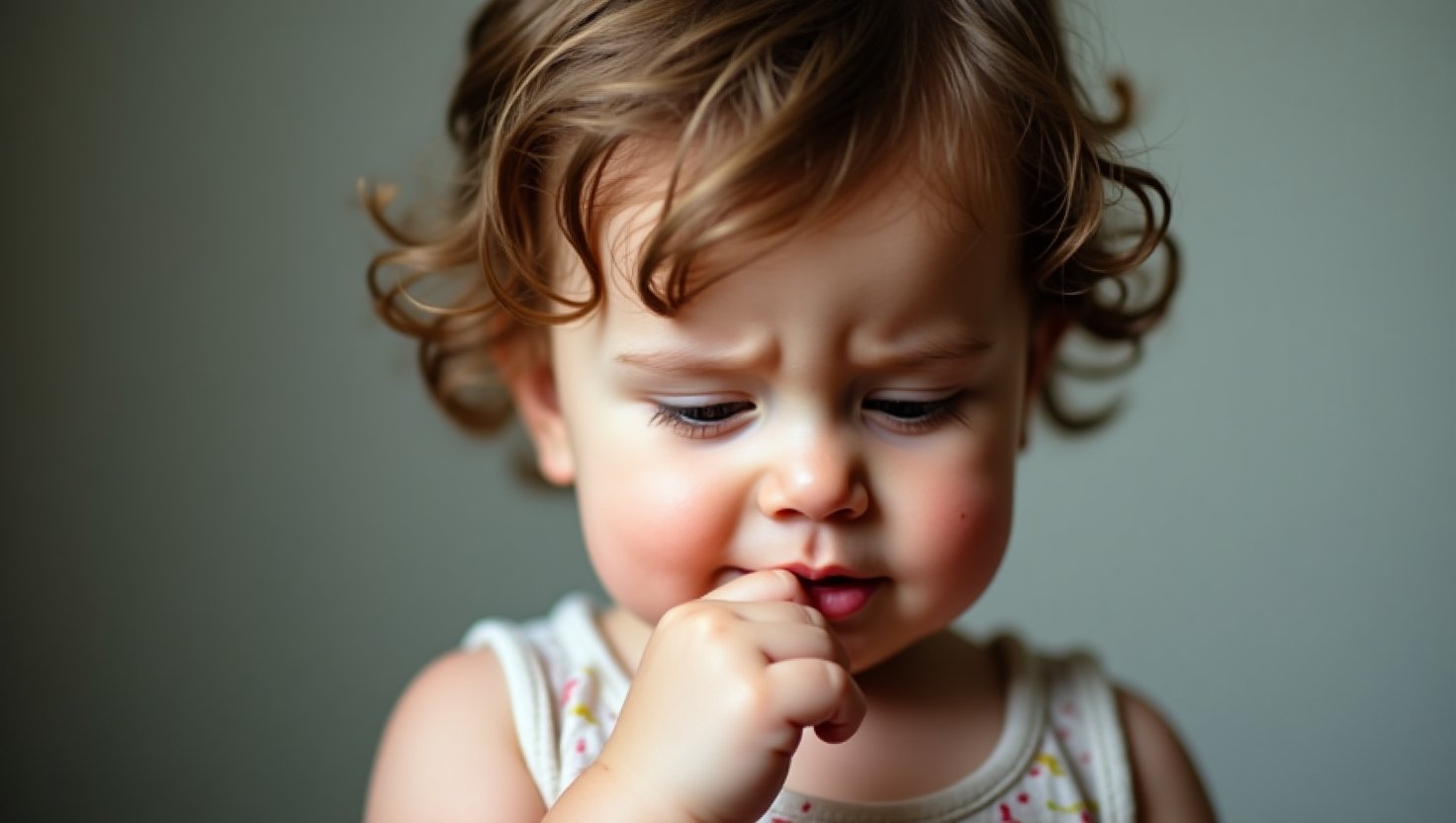
Signs of autism in an 18-month-old—what should parents watch for, and when is it time to seek help? Toddlers develop at different rates, but certain delays or behaviors might signal something more. Could early intervention really make a difference at this age?
At 18 months, red flags for autism may include limited eye contact, no response to name, lack of pointing or waving, and delayed speech. Some young children may show repetitive behaviors, prefer being alone, or struggle with pretend play. Dr. Rebecca Landa, a leading autism researcher, emphasizes that spotting signs early opens the door to effective therapies.
Every child is different, but knowing what to look for can make all the difference. Curious whether your toddler’s behaviors are part of typical development or something more? Let’s explore expert guidance, early milestones, and steps you can take if autism is on your radar.
Top 10 Early Signs of Autism in 18 Month Old Toddlers
Recognizing autism early can help with timely support. If you’re wondering about the first signs in young toddlers, here’s what to look out for. These behaviors may appear before the age of two.
1. Avoids Eye Contact
A toddler not making regular eye contact may show an early sign of autism. Most 18-month-olds seek visual interaction. They look at faces during feeding, playing, or when being called. A lack of eye contact can point to social challenges.
2. Repetitive Noises and Sounds
Repetition is normal, but autistic toddlers often repeat the same sound frequently. They may hum, grunt, or echo noises without variation. These sounds usually serve no clear purpose or communication intent.
3. Doesn’t Respond to Their Name
By 18 months, children should recognize and respond to their names. If your toddler ignores you, even in a quiet room, this might be more than distraction. It could suggest a delay in social or language development.
4. Unusual Sensory Sensitivities
Some toddlers react strongly to certain sounds, textures, or lights. They may cover their ears or avoid touching soft materials. These sensory reactions can be more intense than typical toddler preferences.
5. Trouble Understanding Emotions
Toddlers begin to show empathy early. If your child doesn’t react to someone crying or laughing, it could be a sign. Difficulty connecting with others emotionally might indicate early autism traits.
6. Limited Use of Gestures
Pointing, waving, or reaching up are gestures that usually appear by this age. A toddler with autism might not use these to communicate. Instead, they may rely only on crying or physical movement to get needs met.
7. Watches Moving Objects Repeatedly
Spinning objects often fascinate children with autism. They may watch ceiling fans, wheels, or toys for long periods. This focused behavior replaces social or imaginative play in some cases.
8. Few Facial Expressions
A flat or neutral face, even in exciting moments, may be an early clue. By 12 months, most toddlers smile, laugh, and frown regularly. A lack of expression could indicate difficulty with emotional connection.
9. Doesn’t Babble or Use Simple Words
Babbling often leads to speech development. If your toddler rarely babbles or uses simple words like “mama” or “wave bye,” take note. Lack of verbal progress may signal a delay worth discussing with a pediatrician.
10. No Pretend Play
Pretend play shows creativity and imagination. If a child isn’t feeding a doll or pretending to talk on the phone, it might be a red flag. This kind of play often begins before the second year.
When Should You Seek an Assessment for ASD?
At 18 months of age, parents and caregivers should be aware of the early signs of autism spectrum disorder (ASD) as they are crucial for timely intervention. Children with autism may not show typical developmental milestones, such as babbling or making eye contact, which are essential for communication.
It’s important to look for signs of autism in toddlers, including lack of joint attention or difficulty with nonverbal communication and facial expressions. Children ages 18 to 24 months should be screened for autism to identify any potential risks.
Early identification can lead to an autism diagnosis, allowing for appropriate support and therapies, such as ABA therapy, to help children with ASD develop essential skills.
Parents should learn the signs and be proactive in discussing any concerns with their pediatrician to ensure the best outcomes for their child’s development.
Signs of Autism in 18 Month Old Quiz:
Here’s a simple “Signs of Autism in an 18 Month Old” Quiz for educational purposes. This quiz is not diagnostic, but it may help highlight behaviors that could warrant further discussion with a pediatrician or specialist.
🌟 Autism Signs Quiz for 18-Month-Olds
Instructions: Answer Yes or No to each of the following questions based on your child’s typical behavior over the past few months.
Social Communication
- Does your child make eye contact when you talk or play with them?
- Does your child respond to their name being called?
- Does your child try to gain your attention by pointing, reaching, or making sounds?
- Does your child smile back when someone smiles at them?
- Does your child show interest in other children or try to play near them?
Language and Communication
- Does your child use at least a few words meaningfully (like “mama,” “ball,” or “up”)?
- Does your child babble or make different sounds to get your attention?
- Does your child understand simple instructions like “come here” or “give me the toy”?
Behavior and Play
- Does your child show interest in a variety of toys and use them in expected ways (e.g., pushing a car, stacking blocks)?
- Does your child engage in pretend play (like feeding a doll or pretending to talk on a phone)?
- Does your child get overly upset by changes in routine or surroundings?
- Does your child repeat movements like hand flapping, rocking, or spinning objects frequently?
Sensory & Physical
- Is your child overly sensitive to sounds, textures, lights, or smells?
- Does your child walk or crawl with a normal pattern for their age?
- Does your child show unusual postures or repetitive body movements?
Scoring Guidance (Informal)
- If you answered “No” to multiple questions, especially in the social communication and language sections, it may be a good idea to speak with a pediatrician or early intervention specialist.
- Early intervention can make a significant difference, so trust your instincts and ask for a developmental screening if you have concerns.
Commonly Asked Questions about Signs of autism in toddlers (18 months+) FAQs
What are the early signs of autism in an 18-month-old?
Early signs of autism in an 18-month-old may include limited eye contact, lack of response to their name, and reduced joint attention. Children with autism may also show fewer gestures, such as waving or pointing, and may not babble as much as neurotypical children. Monitoring these behaviors can help identify potential autism spectrum disorder (ASD) early.
How can a caregiver recognize signs of autism in toddlers?
A caregiver can recognize signs of autism in toddlers by observing their social communication skills. For instance, toddlers may not engage in pretend play, may not respond to social cues, and might have difficulty with facial expressions. It’s essential for caregivers to be aware of these characteristics to facilitate early intervention.
What role does early intervention play for children with autism?
Early intervention is crucial for children with autism as it can significantly improve their developmental outcomes. Engaging in therapies such as ABA therapy can enhance social skills, communication, and learning. Children diagnosed with autism spectrum disorder often show better progress when interventions start at an early age.
What developmental milestones should I look for in my 18-month-old?
At 18 months, children typically should be able to say a few words, such as “dada” or “mama,” and understand simple commands. They should also exhibit joint attention behaviors, like pointing to objects of interest. Delays in reaching these milestones may indicate a risk for autism.
Can my child be screened for autism at 18 months?
Yes, pediatricians recommend that all children be screened for autism at 18 months during routine check-ups. This screening can help identify early signs of autism and initiate further assessment if necessary. Early detection can lead to timely intervention.
What is the significance of eye contact in toddlers?
Eye contact is a key indicator of social engagement in toddlers. A lack of eye contact may be one of the signs of autism spectrum disorder. Children with autism may not establish eye contact as frequently as their peers, which can affect their ability to communicate and connect with others.
How do language delays relate to autism?
Language delays can be a significant indicator of autism in children. Many children with autism may not babble or say their first words by the expected age. This delay in verbal communication is often accompanied by challenges in social interaction and may require an autism assessment for further evaluation.
What are some characteristics of autism in children ages 18-24 months?
Characteristics of autism in children ages 18-24 months may include limited use of gestures, difficulties in joint attention, and a lack of interest in interactive play. These signs may also involve atypical responses to social situations, which can all indicate a potential diagnosis of autism spectrum disorder.
Are there signs of autism in babies with typical development?
While many babies exhibit typical development, some may still show early signs of autism. These can include difficulty with social interaction, limited facial expressions, and reduced responsiveness to their caregiver’s actions. It’s important to monitor these behaviors, as early signs may later lead to a diagnosis of autism.
What are the signs of autism in 18 month old boy?
Signs of autism in an 18-month-old boy include no babbling/pointing, poor eye contact, lack of response to name, repetitive movements (flapping), and limited social engagement. Early evaluation is key.
Conclusion
In conclusion, recognizing the early signs of autism in children at 18-month-old can be pivotal in ensuring timely support and intervention. Parents and caregivers should be vigilant for key indicators such as limited eye contact, difficulties in social interactions, and delayed speech development. Early detection not only enhances the child’s developmental trajectory but also empowers families with resources and strategies to foster growth.
Engaging with healthcare professionals for assessments and guidance is crucial. Remember, each child develops at their own pace, and variations are normal. However, if you notice multiple signs or have concerns, seeking help is essential. By staying informed and proactive, you can play a vital role in your child’s journey. Ultimately, being aware of the signs of autism in an 18-month-old can make a significant difference in their future, paving the way for a brighter, more connected life.
Recommended posts
- Identifying Autism and Pathological Demand Avoidance
- Early Signs of Autism in Newborns for New Parents
- Very Active Toddler Not Talking: Reasons & When to Worry?
- 7 Effective Ways to Handle Head Banging Autism in Children
- Is Right Foot Wiggle Autism Sign, or Just A Stimming Habit?
- Baby Mouth Always Open Autism Indicator? (Signs to Look For)
- The Complete 18 Month Milestones Guide for New Parents

