
Does late ovulation mean late period? If your cycle feels off this month, and you know you ovulated later than usual, you might wonder whether your period will also show up late. Is there a direct link between when you ovulate and when your period starts? Let’s decode how your cycle truly works.
Late ovulation typically leads to a late period. The luteal phase—the time between ovulation and your next period—usually lasts around 12 to 14 days. So, if ovulation is delayed, your period is likely to arrive that many days later.
But there’s more to timing than just ovulation and menstruation. Want to know how stress, illness, or hormonal shifts can push your ovulation later and affect your whole cycle? Dr. Lara Briden, a naturopathic doctor and period expert, shares insights that can help you track your cycle with confidence. Let’s dig in!
What Is Considered Late Ovulation?
Late ovulation refers to the release of an egg later than the typical midpoint of the menstrual cycle, which usually occurs around day 14 in a standard 28-day cycle. If you ovulate later than day 20, it is often classified as late ovulation. This timing can be influenced by several factors, including stress, hormonal imbalances, or underlying health conditions.
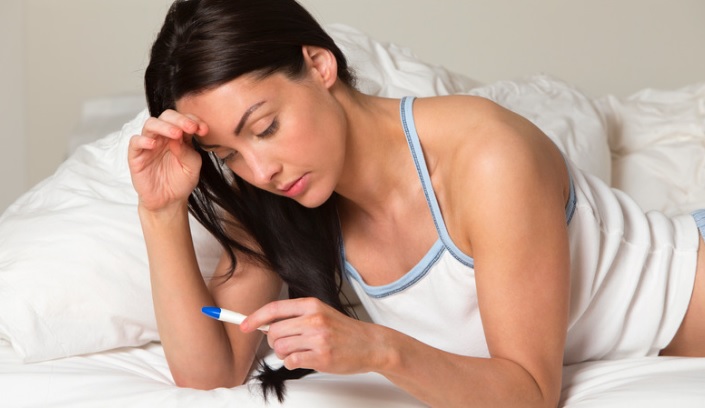
Women with irregular cycles may experience late ovulation more frequently, which can complicate their ability to predict ovulation accurately. Understanding what constitutes late ovulation is essential, especially for those trying to conceive, as it directly affects the timing of potential pregnancy.
Recognizing late ovulation can also offer insight into your overall reproductive health. For many women, the menstrual cycle is a vital sign of fertility, and any deviations from the norm, such as ovulating late, can signal potential issues.
An ovulation predictor kit can help track your ovulation days more accurately, allowing you to identify whether you have a late ovulation pattern. Being aware of your cycle length and ovulation timing can empower you to make informed decisions about your reproductive health and family planning.
Does Late Ovulation Mean Late Period?
Does late period mean late ovulation? Many women wonder if late ovulation means a late period, and while there is a correlation, it is not always straightforward. Generally, if you ovulate late, it may lead to a later onset of your menstrual period, as the luteal phase typically lasts around 12-14 days following ovulation.
Thus, if ovulation occurs later in the cycle, the period may also be delayed. However, this is not a hard-and-fast rule; various factors can influence the timing of menstruation, such as stress, diet, and hormonal fluctuations. Therefore, while late ovulation can lead to a late period, it doesn’t guarantee it.
Additionally, understanding the timing of ovulation can help you better anticipate your menstrual cycle. If you’re ovulating late, it might be wise to keep track of your cycle using an ovulation predictor or calendar. This tracking can provide clarity on whether late ovulation is a consistent pattern for you.
It’s essential to note that some women may experience late ovulation without any significant impact on their menstrual cycle. The relationship between late ovulation and late periods varies from woman to woman, making it crucial to monitor your body’s unique patterns.
What Causes Late Ovulation?
Several factors can cause late ovulation, ranging from hormonal imbalances to lifestyle choices. Stress is a common cause of late ovulation, as it can significantly impact the body’s hormonal balance, delaying the ovulation process.
Additionally, conditions such as polycystic ovary syndrome (PCOS) can lead to irregular cycles and late ovulation. Weight fluctuations, whether gaining or losing weight, can also affect hormone levels and the timing of ovulation. Understanding these causes can help you identify if you are experiencing late ovulation.
Other factors contributing to late ovulation include certain medications, particularly hormonal birth control, which can prevent or delay ovulation altogether. Similarly, excessive exercise or certain eating disorders can disrupt the normal menstrual cycle, leading to late ovulation.
By recognizing these potential causes, women can take proactive steps to manage their reproductive health. If you suspect that you experience late ovulation, consulting a healthcare provider can offer insights and possible solutions for improving your cycle regularity and overall fertility.
Timeline Of Menstrual Cycle
Understanding the menstrual cycle helps women track fertility, manage PMS, and detect hormonal issues. A typical cycle lasts about 28 days, but anything from 21–35 days is considered normal. Here’s a breakdown of what happens during each phase of your cycle:
Days 1–5: Menstrual Phase (Your Period)
- The cycle begins with menstruation—shedding of the uterine lining.
- Estrogen and progesterone levels are at their lowest.
- You may experience cramps, fatigue, and mood swings.
Days 6–13: Follicular Phase
- The body starts producing more estrogen.
- The pituitary gland releases FSH (follicle-stimulating hormone).
- Several follicles begin to develop in the ovaries.
- One dominant follicle matures, preparing for ovulation.
Day 14: Ovulation
- A surge in LH (luteinizing hormone) triggers the release of the mature egg.
- This is the most fertile day of the cycle.
- Cervical mucus becomes stretchy and clear—ideal for sperm survival.
Days 15–21: Early Luteal Phase
- The ruptured follicle becomes the corpus luteum and releases progesterone.
- Progesterone thickens the uterine lining for possible implantation.
- Body temperature may slightly rise due to hormone shifts.
Days 22–28: Late Luteal Phase
- If fertilization doesn’t occur, the corpus luteum breaks down.
- Progesterone and estrogen levels drop.
- PMS symptoms like bloating, breast tenderness, and irritability may appear.
- The uterine lining starts to break down, preparing for a new cycle.
Does Late Ovulation Affect Egg Quality?
Late ovulation may raise concerns about egg quality, particularly for women trying to conceive. The quality of the egg is crucial for successful fertilization and implantation, and various factors can influence it, including age and health conditions.
While late ovulation doesn’t inherently affect egg quality, it can be a sign of underlying issues that may impact fertility. For instance, hormonal imbalances that lead to late ovulation could also affect the health of the egg being released.
It’s important to consider that the window for fertilization is limited, typically around 12-24 hours after ovulation. If you ovulate late, it may shorten the time available for sperm to meet the egg, which could influence your chances of becoming pregnant.
Monitoring ovulation closely, especially if you regularly ovulate late, can be beneficial. Consulting a healthcare provider for personalized advice can also help you understand how late ovulation can affect your egg quality and overall fertility.
Late Ovulation Symptoms
Symptoms of late ovulation can vary among women, but some common indicators may include changes in cervical mucus, breast tenderness, or ovulation pain. Tracking these symptoms can help you understand your menstrual cycle better and determine if you are experiencing late ovulation.
For instance, cervical mucus typically becomes more abundant and stretchy around ovulation, so a change in this pattern could signal a delay. Additionally, some women may notice an increase in ovulation symptoms, such as heightened libido or mild cramping.
Being aware of late ovulation symptoms can be incredibly helpful for those trying to conceive. If you notice a pattern of symptoms occurring later than expected, it may be worth investigating further.
Using an ovulation predictor kit can also assist in identifying your ovulation window more accurately. By monitoring these signs, you can better time intercourse for conception, increasing your chances of getting pregnant even if you tend to ovulate late.
Can You Ovulate Late and Still Get Pregnant?
Yes, it is still possible to ovulate late and still get pregnant. The key factor in achieving pregnancy is timing; if you have intercourse during your fertile window, which includes the days leading up to and including ovulation, you can successfully conceive.
Even if you ovulate late, sperm can survive in the female reproductive tract for several days, giving you a chance to become pregnant. Understanding your cycle and predicting late ovulation can help you plan accordingly.
Furthermore, many women have reported successful pregnancies despite irregular ovulation patterns. If you are trying to get pregnant and suspect late ovulation, consider tracking your cycle closely.
Utilizing an ovulation predictor or monitoring your body’s symptoms can enhance your ability to identify your fertile window. Consulting a healthcare provider can also provide guidance on improving your chances of conception, even with late ovulation.
7 Ways to Treat Late Ovulation AND Increase Your Chances of Getting Pregnant
Late ovulation can make it harder to conceive by shortening your luteal phase or disrupting your fertile window. Fortunately, there are effective treatments and lifestyle changes that can help regulate your cycle and boost fertility.
1. Identify the Root Cause
Start by identifying what’s causing delayed ovulation. Common triggers include:
- Polycystic ovary syndrome (PCOS)
- Thyroid imbalances
- High stress
- Excessive exercise
- Poor diet
Work with a fertility specialist or OB-GYN to diagnose the cause and plan treatment.
2. Use Ovulation-Tracking Tools
Monitor your cycle using:
- Ovulation predictor kits (OPKs)
- Basal body temperature (BBT) charting
- Cervical mucus observations
Tracking helps you pinpoint your ovulation, even if it occurs late, and time intercourse more accurately.
3. Consider Fertility Medications
Medications can trigger or regulate ovulation:
- Clomid and Letrozole are often prescribed for women with irregular cycles.
- Metformin may be used if insulin resistance is present.
- Injectable gonadotropins are a more advanced option if oral meds fail.
Only use medications under medical supervision.
4. Manage Stress Levels
High cortisol can interfere with ovulation. Try:
- Yoga
- Meditation
- Journaling
- Regular sleep routines
Reducing stress can naturally help restore ovulatory balance.
5. Maintain a Healthy Weight
Both underweight and overweight women can experience late or irregular ovulation. Aim for a balanced BMI and nourish your body with fertility-friendly foods:
- Leafy greens
- Whole grains
- Lean proteins
- Healthy fats like avocados and nuts
6. Balance Hormones Naturally
Support your cycle with supplements such as:
- Myo-inositol for PCOS
- Vitex (chasteberry) for hormonal regulation
- Vitamin D and magnesium for overall hormone support
Always consult a doctor before starting supplements.
7. Time Intercourse Wisely
Even with late ovulation, your fertile window still exists. Have sex every 1–2 days when you notice fertile cervical mucus or a positive LH test. Keep sperm quality high by allowing recovery time between ejaculations.
Treating late ovulation requires patience and the right strategy. With the right tools, medical support, and lifestyle changes, you can regulate your cycle and improve your chances of getting pregnant. Start small, stay consistent, and trust your body’s progress.
Commonly Asked Questions about Late Ovulation and Pregnancy (FAQs)
Will Delayed Ovulation Affect Pregnancy Tests?
Delayed ovulation doesn’t affect pregnancy test accuracy but may delay a positive result. Tests detect hCG, which rises after implantation—timing depends on normal ovulation. Test after a missed period.
How do you know if ovulation is late?
You know ovulation is late if LH surge occurs after day 14 (in a 28-day cycle), confirmed by OPKs, BBT tracking, or irregular periods. Consistently delayed ovulation may need medical evaluation.
Does late ovulation mean more difficulty getting pregnant?
Late ovulation can make conception harder if cycles are irregular, shortening the luteal phase. However, pregnancy is still possible—track ovulation with OPKs and consult a doctor if struggling.
What should I know about late ovulation?
Late ovulation refers to ovulation that occurs later than the typical midpoint of your menstrual cycle. It’s important to know about late ovulation as it may affect your chances of getting pregnant and can indicate underlying problems with ovulation.
How does late ovulation affect my menstrual cycle?
How does late ovulation affect fertility and conception? Late ovulation can lead to a delayed period, meaning that your menstrual cycle may be longer than usual. If you experience late ovulation, you might not get your period until after you normally would, which may be concerning.
What are the causes of late ovulation?
Late ovulation can be caused by various factors, including stress, hormonal imbalances, changes in weight, and certain medical conditions. Understanding the late ovulation causes can help you track ovulation effectively.
Is it possible to get pregnant with late ovulation?
Yes, it is still possible to get pregnant despite late ovulation. If you have intercourse around the time you release an egg, even if it’s late in your cycle, pregnancy to occur.
How can I track ovulation to avoid late ovulation?
You can track ovulation by monitoring changes in your body, such as basal body temperature, cervical mucus, and using ovulation predictor kits. This helps you know about late ovulation and optimize your chances of conception.
What are the signs of late ovulation?
Signs of late ovulation may include abdominal pain, changes in cervical mucus, and a longer menstrual cycle. Tracking these symptoms can help you determine if you are experiencing late or delayed ovulation.
Can late ovulation lead to problems with ovulation?
Yes, late ovulation may result from underlying issues that can cause problems with ovulation. If you consistently experience late ovulation, it might be beneficial to consult a healthcare professional.
How does late ovulation make it harder to get pregnant?
Late ovulation can make it harder to get pregnant because it may shorten the window of time you have to conceive. Sperm can only survive for a limited time, so timing intercourse is crucial when late ovulation occurs.
Can I still get pregnant if I experience a lack of ovulation?
If you experience a lack of ovulation, it can significantly reduce your chances of getting pregnant. However, if you do ovulate late in your cycle, you may still have a chance to conceive.
What should I do if I suspect I have late ovulation?
If you suspect you have late ovulation, consider tracking your cycle closely and consulting with a healthcare provider. They can help diagnose any potential issues and suggest treatments to stimulate ovulation if necessary.
Conclusion
Does a late period mean late ovulation? In conclusion, late ovulation can indeed lead to a late period, but the relationship is not always straightforward. Understanding what causes late ovulation and how it can affect your menstrual cycle and fertility is vital. If you experience late ovulation, it’s essential to track your symptoms and consult a healthcare provider for personalized advice. With the right information and strategies, you can effectively manage your menstrual cycle, increase your chances of getting pregnant, and navigate any challenges that may arise.
You might also like