
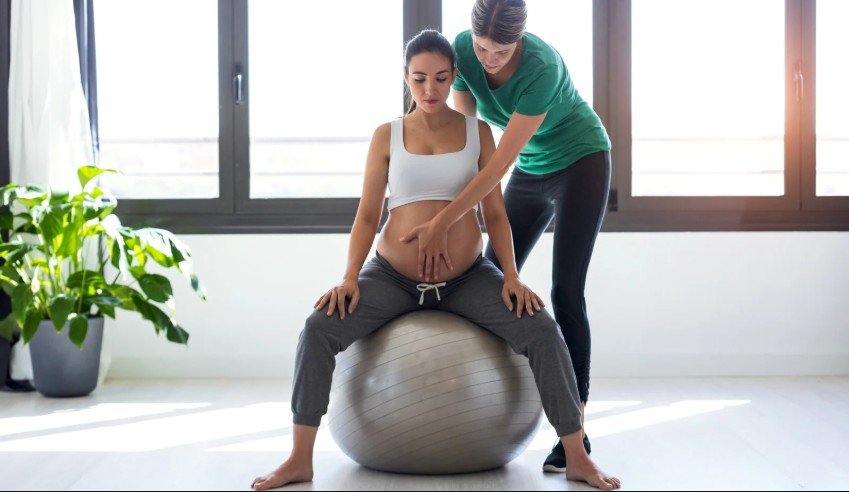
Feeling overdue and wondering if movement can help? Many expectant mothers turn to safe, natural ways to kickstart labor—and exercises to help induce labor are often at the top of that list. But which ones actually work, and how do they influence your body?
Certain movements like walking, deep squats, pelvic tilts, and bouncing on a birthing ball can help engage the baby and encourage cervical dilation. These exercises promote better fetal positioning and stimulate contractions by applying gentle pressure to the cervix. Done correctly, they can support both physical comfort and labor readiness.
Still, not all exercises suit every pregnancy. Trusted birth professionals like prenatal fitness expert Lindsay Brin recommend listening to your body and focusing on alignment. Curious about which movements might be right for you? Let’s dive into the best exercises that could help get labor started naturally and safely.
When Is It Safe to Do Exercises to Induce Labor?
Before you start any physical activity aimed at stimulating labor, it’s crucial to understand when and under what conditions it’s safe to do so.
Typically, labor-inducing exercises are only recommended after you’ve reached full term—which is at least 39 weeks into your pregnancy. Starting too early may lead to preterm labor, which can have health implications for your baby.
You should also consult your OB-GYN or midwife before beginning any labor-inducing exercise routine. This is especially important if:
- You’ve had a high-risk pregnancy
- You are carrying multiples
- You have placenta previa
- Your baby is in a breech position
- You’ve had previous complications or preterm labor
When done at the right time and under professional guidance, exercise can be a gentle and empowering way to help your body get ready for labor.
The 7 Best Exercises to Help Induce Labor
If your provider gives you the go-ahead, incorporating these seven best exercises to help bring on labor into your daily routine can support your body’s natural readiness for childbirth.
1. Pelvic Tilts
Pelvic tilts are a fantastic low-impact exercise that helps to align your baby in the optimal birthing position. They also alleviate lower back pain, which is common during the later stages of pregnancy.
How to do it:
- Start on your hands and knees in a tabletop position.
- Inhale deeply, then tuck your pelvis under and gently arch your back upwards like a cat.
- Exhale and return to a neutral spine.
- Repeat 10–15 times, resting as needed.
Benefits:
- Encourages baby to move into a head-down position
- Strengthens lower abdominal muscles
- Eases pelvic pressure
2. Butterfly Stretch
This classic yoga pose helps open the hips, stretch the inner thighs, and increase flexibility in the pelvic region—all essential for labor.
How to do it:
- Sit on the floor with your back straight.
- Bring the soles of your feet together and let your knees fall to the sides.
- Hold your feet with your hands and gently press your knees toward the floor.
- Hold for 30 seconds to 1 minute, breathing deeply.
Benefits:
- Opens the pelvic area
- Relieves hip tension
- Promotes relaxation
3. Squats
Squats are a powerful way to prepare for delivery by strengthening the lower body and encouraging the baby to descend further into the pelvis.
How to do it:
- Stand with feet shoulder-width apart.
- Slowly lower your hips as if sitting in a chair.
- Keep your back straight and knees behind your toes.
- Hold for a few seconds, then rise back up.
- Repeat 10–15 times.
Pro tip: Hold onto a sturdy surface or use a stability ball for support if needed.
Benefits:
- Opens the pelvis
- Strengthens thighs, hips, and glutes
- Helps baby move downward
4. Pelvic Floor Exercises
Pelvic floor exercises—commonly referred to as perineal strengthening exercises to bring on labor—build the muscles you’ll use during labor and delivery.
How to do it:
- Sit or lie down comfortably.
- Tighten the muscles around your vagina and rectum as if trying to stop urine mid-flow.
- Hold for 5–10 seconds, then release.
- Repeat 10–20 times per session, several times a day.
Benefits:
- Improves muscle control during childbirth
- Supports postpartum recovery
- Enhances bladder control
5. Hip Circles
This movement is often done on a birthing or exercise ball and mimics the motion of the hips during labor. It’s a soothing, rhythmic activity that can help your baby descend.
How to do it:
- Sit on an exercise ball with your feet flat on the floor.
- Slowly rotate your hips in a circular motion.
- Complete 10 circles clockwise, then switch directions.
Benefits:
- Encourages baby’s engagement
- Loosens pelvic joints
- Provides comfort and mobility
6. Kegel Exercises
Often confused with pelvic floor exercises, Kegels specifically target the pubococcygeal muscles, crucial for childbirth and recovery.
How to do it:
- Contract the pelvic floor muscles (as though stopping the flow of urine).
- Hold the contraction for 5 seconds, then relax.
- Aim for 10–15 repetitions, 2–3 times daily.
Benefits:
- Strengthens vaginal muscles
- Reduces postpartum incontinence
- Supports uterine and bladder positioning
7. Butterfly Pose
Different from the butterfly stretch, the butterfly pose focuses on meditation, breathing, and prolonged flexibility enhancement. It’s a more restorative version that supports both mental and physical preparation for labor.
How to do it:
- Sit upright on a yoga mat.
- Bring your feet together and let your knees drop open.
- Place your hands on your belly or knees.
- Close your eyes, breathe deeply, and remain in the pose for 3–5 minutes.
Benefits:
- Calms the nervous system
- Prepares hips and inner thighs for birth
- Promotes optimal fetal positioning
Who Shouldn’t Try Exercises to Naturally Induce Labor?
As you approach the end of your pregnancy, engaging in certain exercises may help prepare your body for labor and delivery. Simple exercises, such as squats and using a birthing ball, can help open the pelvis and encourage your body for labor.
Throughout pregnancy, staying active can help prime your body for labor, making it easier to go into labor naturally. If you’re trying to induce labor, consider incorporating a series of exercises that can help kick-start labor, such as hip-width apart squats or gentle stretches that help open up your hips.
These exercises not only help prepare your body for labor but may also assist in reducing labor pain when the time comes to give birth. Remember, it’s essential to consult with an exercise specialist to find the best exercises for your unique stage of labor.
While these exercises are generally considered safe, not everyone is a good candidate for attempting to induce labor through physical activity.
- You should avoid labor-inducing exercises if:
- You are less than 39 weeks pregnant (unless instructed otherwise)
- Your doctor has advised bed rest or activity restrictions
- You have a diagnosed placenta previa or vasa previa
- Your baby is not in a head-down position
- You have signs of preeclampsia or high blood pressure
- You’ve had previous preterm labor or uterine surgery
Always listen to your body. If you experience dizziness, shortness of breath, bleeding, or strong contractions during or after exercise, stop immediately and seek medical attention.
Commonly Asked Questions about Exercises to Train for Labor and Delivery (FAQs)
What are safe exercises to train for childbirth?
Safe exercises to train for childbirth include prenatal yoga, squats, and pelvic tilts. While exercises that bring on labor (like walking) may help, consult your doctor first.
What are some exercises to help induce labor naturally?
There are several exercises that may help induce labor naturally, including squats, pelvic tilts, and butterfly poses. These exercises can help prepare you for labor by opening the hips and encouraging the baby to move into the optimal position for delivery.
How do squats help with labor?
Squats can help open up the pelvis and create more space for the baby to descend into the birth canal. By strengthening the legs and pelvis, squats can also improve your overall stamina and support you during the labor process.
Can pelvic floor exercises prepare your body for labor?
Yes, pelvic floor exercises, such as Kegel exercises, can help strengthen the muscles that support the uterus, bladder, and bowels. This can be beneficial in preparing your body for labor and delivery, as a strong pelvic floor can help reduce labor pain and support effective contractions.
What are the best exercises to prepare for labor?
The best exercises to prepare for labor include squats, lunges, pelvic tilts, and birth ball exercises. These exercises help open the hips, strengthen the body, and improve flexibility, making it easier for the body to transition into labor.
How can I safely start labor at home?
To safely start labor at home, you can try certain exercises to put you into labor, such as walking, squats, and gentle stretching. Staying active can encourage the baby to move down into the pelvis and stimulate contractions, but it’s important to consult with your healthcare provider before attempting any labor-inducing methods.
What role does exercise during pregnancy play in labor?
Exercise during pregnancy plays a crucial role in preparing your body for labor. It can help improve circulation, strengthen muscles, and enhance flexibility. Regular physical activity can also help manage stress, contributing to a smoother labor experience.
Are there specific exercises to try if I am in early labor?
Yes, if you are in early labor, gentle exercises like walking, pelvic tilts, or using a birthing ball can help encourage contractions and facilitate the labor process. These movements can also help relieve discomfort and promote relaxation.
Can certain exercises help reduce labor pain?
Certain exercises to put you into labor, such as yoga and breathing techniques, can help reduce labor pain by promoting relaxation and improving your ability to cope with contractions. Engaging in regular physical activity before labor can also enhance your endurance, making it easier to manage pain during labor.
Conclusion
If you’re nearing your due date and looking for safe, natural ways to encourage your body to begin labor, these exercises to help induce labor can be a gentle and effective option. From squats and pelvic tilts to Kegels and hip circles, each movement targets critical areas of the body to prepare for childbirth. However, timing, safety, and proper form are everything—so always check in with your healthcare provider first.
When used correctly, these exercises don’t just potentially stimulate labor—they empower you to take an active, mindful role in your birth journey. Combined with patience and rest, you’ll soon be holding your baby in your arms.
You might also like
- Can Walking Induce Labor? What Science and Moms Say
- Pineapple and Labor Induction: Can This Fruit Really Help?
- Can an Lpn Work in Labor and Delivery: (Myth or Possibility?)
- Does Pumping Induce Labor Naturally (The Shocking Truth)
- Can Swimming Help Induce Labor Naturally: Is It Safe & Effective?
- Inducing Labor at 39 Weeks Pros and Cons (Is It Safe?)
- 5 Yoga Ball Moves to Induce Labor Naturally and Safely
- How Long Does It Take for Sperm to Induce Labor (Explained)

