
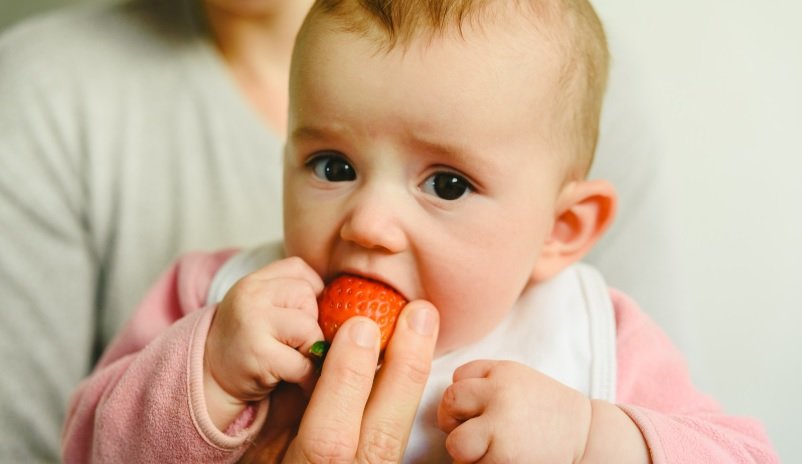
Starting Solids Strawberry—have you wondered when and how to safely introduce this sweet fruit to your baby? Many parents ask if strawberries make a good first food or if they should wait longer. You might also think about portion sizes or the right texture. Let’s explore these questions so you feel confident at mealtime.
Strawberries may be introduced as soon as your little one is ready for solids, it offer vitamin C, fiber, and natural sweetness, which makes them a strong option for starting solids when prepared correctly. This article explains the right age for introduction, the safest preparation methods, and the nutritional benefits your baby gains from this vibrant fruit. You’ll also learn how experts approach strawberry introduction for both spoon-feeding and baby-led weaning.
Dr. Tanya Altmann, a well-known pediatric nutrition expert, often highlights strawberries as a nutrient-rich early food when parents serve them in age-appropriate forms. But she’s not the only voice shaping today’s feeding guidance. So let’s dive into the essential steps, smart tips, and expert-approved strategies that make introducing strawberries a joyful and safe milestone for your baby.
Can Babies Have Strawberries?
Babies can have strawberries, and they are often a big hit due to their natural sweetness and appealing color. Strawberries are a fantastic source of vitamin C, manganese, folate, and potassium, along with beneficial antioxidants and fiber.
These nutrients are crucial for supporting a baby’s immune system, aiding digestion, and promoting healthy cell function. The key is in the how and when. Once your baby is developmentally ready for solids—typically around 6 months of age—and has tried a few less allergenic foods, strawberries can be introduced.
It’s always recommended to follow the “one new food at a time” rule, waiting 3-5 days before offering another new food. This practice helps you pinpoint the cause if an allergic reaction or sensitivity occurs, making strawberries a safe and beneficial addition to your baby’s expanding menu when introduced thoughtfully.
Are Strawberries a Choking Hazard for Babies?
Like many raw, firm, and round foods, whole or improperly prepared strawberries do pose a choking hazard for babies and young toddlers. Their shape, size, and slippery texture can easily block a small airway. The seeds, while not harmful to digest, can also contribute to the risk if a large piece is swallowed prematurely.
Mitigating the Choking Risk: The risk is entirely manageable with age-appropriate preparation. For the youngest eaters, especially those in the 6-8 month range who are just beginning their solid food journey, strawberries must be transformed from their natural form.
Mashing, pureeing, or offering a large, well-cooked strawberry half (for baby-led weaning) are the safest methods. As your baby develops a stronger pincer grasp and more mature chewing skills (around 8 to 9 months old and beyond), you can progress to very small, soft pieces. Constant, attentive supervision during all meals is the most critical safety rule of all, regardless of the food being served.
Are Strawberries a Common Allergen?
Strawberries are not classified as a top allergen (like peanuts, eggs, or milk). However, they can cause allergic reactions or sensitivities in some individuals. The most common reaction to strawberries is not a true IgE-mediated allergy but a condition called Food
Pollen Allergy Syndrome (Oral Allergy Syndrome).
This occurs because the proteins in strawberries are similar to those in certain pollens (like birch pollen). Reactions are typically mild and confined to the mouth area, including itching or tingling of the lips, tongue, or throat, and possibly mild redness around the mouth.
Signs of a More Significant Reaction:
While rare, more systemic reactions can occur. Be vigilant for signs such as hives, facial swelling, vomiting, diarrhea, wheezing, or difficulty breathing. If you observe any of these symptoms, seek medical attention immediately.
Introducing strawberries in a small amount initially and watching for any reaction is the best precautionary step. If your baby has severe eczema or a known history of food allergies, consult your pediatrician before introduction.
When Can Babies Eat Strawberries?
The ideal timeline for introducing strawberries aligns with your baby’s readiness for solids and your chosen feeding approach.
- Around 6 Months (Purees & Mashes): If you are spoon-feeding purees, strawberries can be introduced once your baby shows signs of readiness (sitting with minimal support, good head control, showing interest in food). At this stage, serve them as a smooth puree or very well-mashed.
- Around 6-8 Months (Baby-Led Weaning): For parents practicing baby-led weaning, strawberries can be offered from the very first meals. The preparation is key: offer a large, well-steamed or roasted strawberry half (with stem removed). This softens the berry significantly and allows your baby to gnaw and suck on it safely, learning to manage the texture without the risk of biting off a choking-sized piece.
- 8-10 Months & Beyond: As your baby develops a pincer grasp and chewing skills, you can offer small, soft pieces of ripe strawberry. By 12 months, many toddlers can manage a whole, very ripe strawberry if they are supervised closely, though cutting it into quarters or slices is still the safest practice.
Benefits of Strawberries for Babies
Starting Solids Strawberry Benefits – Incorporating strawberries into your baby’s diet offers a multitude of health advantages that extend far beyond their delightful taste.
- Immune System Powerhouse: Strawberries are exceptionally high in vitamin C. Just a few berries can meet or exceed a baby’s daily needs. Vitamin C is vital for a robust immune system and enhances the absorption of iron from plant-based foods, making them a perfect pairing with iron-fortified baby cereal or lentils.
- Promotes Healthy Digestion: The fiber and water content in strawberries help promote regular bowel movements and prevent constipation—a common concern when starting solids.
- Supports Brain & Eye Development: Strawberries contain essential nutrients like folate, which is crucial for healthy brain development, and antioxidants like flavonoids and phenolic acids, which support cognitive function and cellular health.
- Develops Motor Skills & Sensory Exploration: The vibrant red color, unique seedy texture, and juicy nature of strawberries provide rich sensory input. Picking up a mashed berry or a soft piece helps refine fine motor skills and hand-eye coordination.
- Encourages a Love for Healthy Foods: Introducing naturally sweet fruits like strawberries helps program your baby’s palate to enjoy wholesome foods, laying a foundation for healthy eating habits that can last a lifetime.
How to Safely Prepare Strawberries for Babies
Proper preparation transforms strawberries from a hazard into a safe, nutritious meal. Always start by washing berries thoroughly under cool running water to remove dirt and pesticide residue.
For Beginners (6-8 months):
- Puree: Blend steamed or raw ripe strawberries into a smooth, seedless puree. You can mix it with yogurt, oatmeal, or avocado for added nutrition and texture.
- Mash: Use a fork to mash a very ripe strawberry into a consistent, lump-free paste.
- Baby-Led Weaning Half: Steam or roast a whole (stem removed) strawberry until very soft. Let it cool and offer the large half to your baby.
For Advanced Beginners (8-10 months):
- Small, Soft Pieces: Cut a ripe strawberry into tiny, pea-sized (or smaller) pieces. Ensure they are soft enough to smash easily between your fingers.
For Toddlers (10-12 months+):
- Thin Slices or Quarters: As chewing skills improve, offer thin slices or quartered strawberries. A whole, very ripe strawberry may be appropriate for some toddlers under direct supervision, but cutting remains the safest option.
How to Serve Strawberries to Baby
Get creative with strawberries to keep mealtime interesting and nutritious!
- Strawberry Banana Oatmeal: Stir a strawberry puree or mash into warm baby oatmeal with a bit of mashed banana.
- Strawberry Yogurt Dip: Mix finely chopped strawberries into full-fat plain Greek yogurt for a protein-packed dip or meal.
- Strawberry & Avocado Smash: Combine mashed strawberry and avocado for a creamy, fatty, and vitamin-rich spread on toast fingers.
- Frozen Strawberry Teether: For teething babies, place a large strawberry half (steamed and cooled) or a dollop of strawberry puree in a fresh food feeder/mesh feeder. The cold can soothe sore gums.
- Strawberry Chia Pudding: Blend strawberries into a milk of your choice and mix with chia seeds for a nutrient-dense pudding for older babies.
Commonly Asked Questions about Introducing Strawberry for Your Baby (FAQs)
Can babies have strawberries when starting solids?
Yes, you can offer sliced strawberries to your baby around 6 months of age, once they are ready for solids. However, introduce them gradually, as the acidity may cause reactions; watch for any signs of allergies.
How to make strawberry puree for baby?
To make strawberry puree for your baby, wash and slice fresh strawberries. Blend them until smooth, then strain to remove seeds if desired. This nutritious puree can be introduced as a first food when your baby is ready for solids.
How to cut strawberries for baby-led weaning?
For baby-led weaning, cut strawberries into slices or quarter them, ensuring they’re easy for your baby to grasp. Offering whole strawberries or large pieces allows your baby to explore textures while being cautious of the acidity. Supervise while eating.
What baby foods mix well together?
Baby foods that mix well together include pureed fruits like apples or bananas with vegetables like carrots or sweet potatoes. You can combine pureed strawberries with oatmeal to introduce flavors as your baby starts eating solids around 6 months.
How to prepare strawberries for your baby?
To prepare strawberries for your baby, wash them thoroughly, remove the stems, and slice them into appropriate sizes. Puree them or offer sliced strawberries as a finger food once your baby is ready, usually around 6 months of age.
What are the best ways to serve strawberries for BLW?
For baby-led weaning, serve strawberries as whole, quartered, or sliced pieces, allowing your baby to grasp them easily. Ensure they are soft enough for your baby to chew, helping them enjoy the fruit while learning to eat solids.
Starting Solids Strawberry Conclusion
Introducing strawberries as part of your baby’s solid food journey is a decision packed with potential. While it requires mindfulness regarding choking hazards and potential allergies, the benefits of starting solids strawberry are profound. From bolstering the immune system with a massive dose of vitamin C to aiding digestion and supporting developmental milestones, this small fruit is a nutritional giant.
By following the guidelines for safe preparation—transitioning from purees and soft mashes to carefully sized pieces as your baby grows—you can confidently offer this delicious and healthy food. Embrace the messy, joyful experience of watching your little one discover the sweet, tangy delight of strawberries, knowing you’re providing a foundation for a lifetime of healthy eating.
Recommended posts
- Starting Solids 6 Months Schedule: What to Feed, When, & How
- The Weird Baby Poop After Starting Solids (But Totally Normal!)
- The Choking Hazard Foods to Avoid When Starting Solids

