
Baby poop after starting solids often surprises parents with sudden changes in color, texture, and frequency. Have you noticed your little one’s diapers looking different and wondered if it’s normal? This shift can feel confusing, especially when every meal seems to bring a new diaper mystery.
Most babies experience thicker, smellier, and more varied poop once solid foods enter their diet, according to pediatric experts at the American Academy of Pediatrics. Colors like yellow, green, and brown usually fall within the normal range. In this article, you’ll see what these changes mean, when to stay calm, and which signs deserve a closer look.
Yet diaper changes tell more stories than parents expect. Renowned pediatrician Dr. William Sears often emphasizes how stool patterns reflect a baby’s digestive progress. So, if you want to decode these clues with confidence, let’s explore what truly happens inside your baby’s tummy once solids begin.
Poop After Starting Solids, What it Looks Like?
Gone are the days of predictable, mild-smelling diapers. With the introduction of solids, your baby’s digestive system begins its lifelong work of processing a diverse array of foods. This learning curve for their gut results in some fascinating, and occasionally alarming, diaper discoveries. Here’s a visual guide to what you might see:
- Color Changes: This is the most immediate shift. Poop can turn orange (sweet potatoes, carrots), green (peas, spinach, iron-fortified cereals), red (beets, tomatoes—though always check this isn’t blood), or even dark blue/black (blueberries, iron supplements). These hues are typically food-based and temporary.
- Texture Evolution: The smooth, seedy texture of breastfed poop or the firmer paste of formula-fed poop gives way to new consistencies. It often becomes thicker, more paste-like, or formed, resembling peanut butter or soft clay. You may see undigested food particles, like flecks of tomato skin or pea hulls—this is normal as your baby learns to chew and their gut adapts.
- Smell: Prepare yourself. As bacteria in the gut diversify to break down complex proteins and carbohydrates, baby poop develops a much more adult, and decidedly pungent, odor.
- Frequency: Bowel movements often become less frequent. While a breastfed newborn might poop multiple times a day, a baby on solids may go once a day or even once every few days, provided the stool is soft when it arrives.
Normal Baby Poop after introducing Solids
Understanding the spectrum of “normal” can alleviate a lot of anxiety. Normal solid-food poop is highly variable and depends heavily on what your baby ate last. The key indicators of health are not necessarily color or frequency, but rather the ease of passage and overall consistency.
A normal stool during this transition can range from a soft, formed log to a mushy pile. The presence of whole food pieces is common, especially in the early stages. As your baby’s chewing improves and their gut matures, digestion will become more efficient.
When to Worry: While variation is normal, certain signs warrant a call to your pediatrician:
- Hard, dry pellets or logs that are difficult to pass (signs of constipation).
- Watery, frequent stools (diarrhea), which can lead to dehydration.
- White or pale gray stools, which can indicate liver issues.
- Red streaks within the stool (not just on the surface from a food like beets), which could signal blood.
- Black, tarry stools (not related to iron supplements or blueberries), which can indicate digested blood.
Poop Changes to Expect After Starting Solid Foods
The introduction of solids is a major event for your baby’s gastrointestinal tract. Here’s a breakdown of the specific changes and their causes:
- The Gut Microbiome Expands: Milk feeds a specific set of bacteria. Introducing new foods—especially fibrous fruits, vegetables, and grains—fuels a broader range of beneficial gut bacteria. This new bacterial party is largely responsible for the change in smell and consistency.
- Increased Bulk and Density: Solid foods contain indigestible fibers that add bulk to stool, helping it form and move through the intestines. This is a positive change from liquid-only stools.
- The “Poop Rainbow”: As mentioned, color changes are directly linked to pigments in food (beta-carotene in oranges and yellows, chlorophyll in greens, anthocyanins in blues and reds). Don’t be surprised by a multi-colored diaper week!
- Variations in Frequency: The colon now has more solid material to process and more water to absorb. This can slow the transit time, leading to less frequent, but larger, bowel movements.
Why are Babies Easily Constipated?
Constipation in babies is one of the most common concerns when starting solids. Their tiny, immature systems are particularly prone to it for several reasons:
- Immature Digestive System: A baby’s gut is still learning how to efficiently process new types of complex macronutrients and fibers.
- Low-Fiber Start: Many parents begin with low-fiber foods like rice cereal, bananas, or applesauce, which can be binding and contribute to firmer stools.
- Dehydration: Solids are less hydrating than breast milk or formula. If fluid intake doesn’t increase alongside solid food, the body pulls more water from the colon, resulting in hard, dry stools.
- Learning to Coordinate: Having a bowel movement requires the coordination of abdominal muscles and the relaxation of the pelvic floor. For a baby used to liquid poops that pass easily, pushing out a firmer stool is a new skill to master.
- Specific Binding Foods: Certain early foods are known to be constipating for some babies, including excessive amounts of dairy (like yogurt and cheese), unripe bananas, white bread, and pasta.
How to Prevent Constipation When Starting Solids?
Proactive strategies can help keep your baby’s digestion running smoothly. Focus on a balance of foods and fluids:
- Prioritize High-Fiber “P” Foods: Incorporate pureed or soft Pears, Prunes, Peaches, Peas, and Plums. These are natural laxatives.
- Offer Healthy Fluids: Provide small sips of water (2-4 oz per day) in a sippy cup with meals. Continue offering regular breast milk or formula feeds, as they are still the primary source of nutrition and hydration.
- Choose Fiber-Rich First Foods: Consider starting with pureed vegetables like peas, broccoli, and prunes alongside or instead of only rice cereal. Oatmeal and barley cereals are often gentler on digestion than rice.
- Introduce Probiotic Foods: Plain, whole-milk yogurt contains beneficial bacteria that can support a healthy gut microbiome.
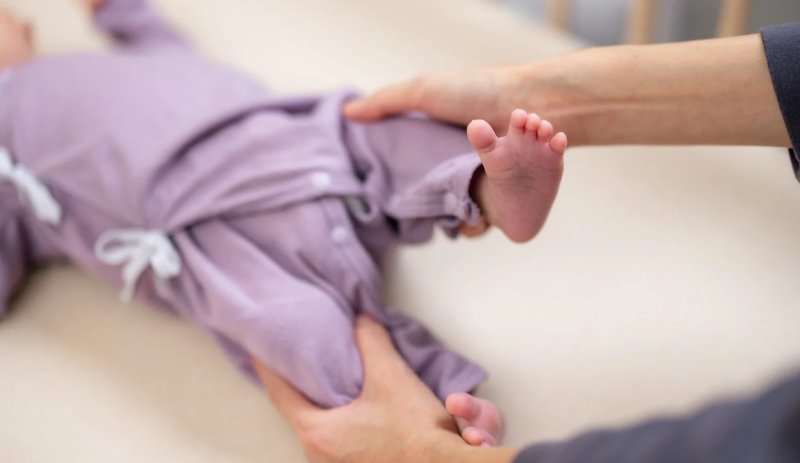
- Encourage Movement: “Bicycle legs” and gentle tummy time can help stimulate bowel movements.
- Go Easy on Binding Foods: If you notice constipation, temporarily reduce constipating foods like bananas, applesauce without the peel, rice cereal, and cheese.
Why Do Solid Foods Cause Diaper Rash?
The arrival of new poop often brings a companion: diaper rash. There are a few reasons for this:
- Changes in Stool pH and Composition: The new, more complex stool is more acidic and contains different enzymes that can be harsh on delicate skin.
- Increased Irritation from Wiping: Undigested food particles and thicker stool can require more vigorous wiping, which can damage the skin’s protective barrier.
- More Frequent Stooling or Diarrhea: Some foods can loosen stools initially. Frequent exposure to diarrhea is a prime cause of severe diaper rash.
- Food Sensitivities: In some cases, a rash around the anus or on the face can indicate a mild sensitivity or allergy to a newly introduced food (common culprits include acidic fruits like citrus or berries).
Prevention & Care: Be vigilant about frequent diaper changes, a good barrier cream (zinc oxide-based), gentle cleaning with water or sensitive wipes, and allowing some daily diaper-free time. If a rash appears right after introducing a new food, consider pausing that food and reintroducing it later.
Commonly Asked Questions about Poop Changes When Starting Solids (FAQs)
How often should a baby poop when starting solids?
Babies starting solids may poop daily or every few days as baby food and baby cereal change digestion. Around six months of age, pooping patterns vary, and some infants become constipated when introducing solid foods, unlike older children.
What are the signs that a baby is constipated?
A baby eating solid foods may become constipated if pooping becomes infrequent, hard, or painful. Babies starting solids may show fussiness, firm belly, or reduced appetite. Watch for rare food allergies or allergic reaction when new baby food is introduced.
What should parents do when recognizing signs of constipation in children eating solids?
When older children or babies eating solid foods become constipated, offer fruit juice, fiber-rich baby food, and extra fluids. Review recently introduced solid foods and baby cereal, watching for possible food allergies or allergic reaction while encouraging regular pooping habits.
Are there signs your baby is constipated when starting solids?
Yes. Babies starting solids may become constipated as baby food thickens stools. Signs include straining, hard pooping, decreased frequency, or discomfort. Review new baby cereal, monitor for food allergies, and consider small fruit juice amounts for infants six months of age.
How to relieve constipation when starting solids?
To help babies starting solids who become constipated, offer high-fiber baby food, small fruit juice servings, and reduce binding baby cereal. Monitor for allergic reaction to new foods, support hydration, and adjust introducing solid foods gradually to improve comfortable pooping.
How to start solids (a realistic first week of feeding your baby)
Begin introducing solid foods around 6 months of age with simple baby cereal and single-ingredient baby food. Add new items slowly to watch for food allergies or allergic reaction. Babies starting solids may poop differently, sometimes becoming slightly constipated.
Conclusion
The journey into solid foods is a sensory adventure for your baby and a learning curve for you, especially when it comes to decoding their diapers. Remember, the weird, colorful, smelly, and ever-changing nature of baby poop after starting solids is a testament to their developing body adapting to the wonderful world of food. Use this guide as a roadmap to distinguish between normal variations and signs that might need a pediatrician’s attention. By offering a balanced mix of fibers, ensuring adequate hydration, and practicing good diaper hygiene, you can support your baby’s digestive health through this exciting transition. Embrace the mess—it’s a sign of growth!
Recommended posts
- How Often Should Formula Fed Infants Poop? (What’s Normal)
- Tips for Transitioning from Formula to Milk (Best Practices)
- 5 Ways to Relieve Constipation After Introducing Solids
- Starting Solids 6 Months Schedule: What to Feed, When, & How
- 5 Benefits of Starting Solids Strawberry for Babies

