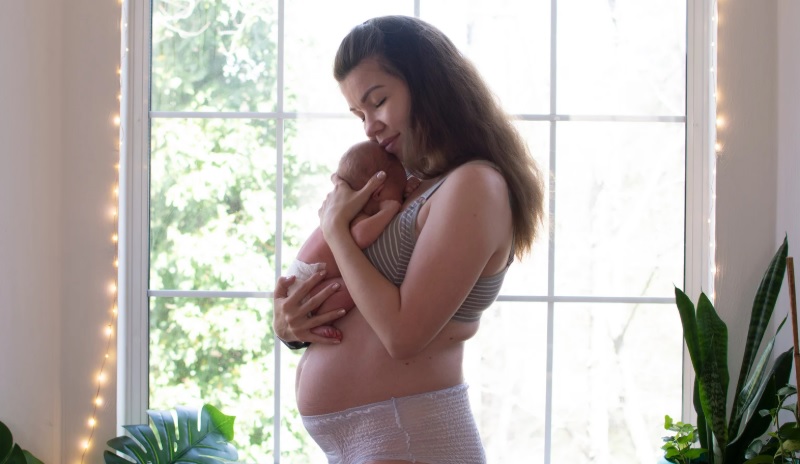
Postpartum weight gain—why does it feel like the struggle only begins after childbirth? While most women expect their bodies to bounce back, reality often tells a different story. Is this weight gain normal, and how long does it last? If you’re wondering whether it’s just you, you’re not alone.
Postpartum weight gain often results from hormonal shifts, lifestyle changes, and sleep deprivation. Dr. Aviva Romm, a leading expert in integrative women’s health, emphasizes that unbalanced cortisol levels and thyroid issues play a major role. Diet, stress, and a lack of consistent exercise further contribute to the challenge.
But knowledge is power—and we’re about to unpack it all. From scientific facts to doctor-backed advice, we’ll walk you through the causes, risks, and best strategies to reclaim your body after birth. Let’s dive into what really happens postpartum and how you can take control today.
Pregnancy Weight Gain: What’s Healthy?
Understanding healthy pregnancy weight gain is the first step in addressing postpartum weight concerns. During a healthy pregnancy, it is entirely normal and expected that women gain during pregnancy.

This weight gain during pregnancy is not solely “baby weight,” but rather a complex combination of factors including the growing fetus, placenta, amniotic fluid, increased blood volume, uterine expansion, and maternal fat stores that are essential for supporting the developing baby and preparing for breastfeeding.
The recommended gestational weight gain varies based on a woman’s pre-pregnancy weight, with guidelines provided by health organizations to ensure a healthy pregnancy and minimize the risks of complications such as gestational diabetes or high blood pressure.
Achieving healthy weight gain in pregnancy contributes significantly to a positive birth outcome and influences the trajectory of postpartum weight retention. Excessive weight gain during pregnancy can make losing weight after baby more challenging in the long term.
What Causes Weight Gain After Pregnancy?
Weight gain after pregnancy can be caused by a combination of physiological, lifestyle, and hormonal factors. Here are the most common reasons:
– Hormonal Changes Postpartum
Hormones shift dramatically after childbirth. Estrogen and progesterone drop quickly. This hormonal crash affects metabolism and fat storage. Cortisol, the stress hormone, may also rise. Higher cortisol levels can lead to increased appetite and belly fat retention.
– Lack of Sleep and Fatigue
Newborn care demands constant attention. Most mothers experience disrupted sleep cycles. Sleep deprivation slows metabolism and increases hunger hormones. Fatigue leads to poor food choices and reduced physical activity.
– Emotional Eating and Stress
Postpartum blues and stress are common. Many women turn to food for comfort. Emotional eating adds extra calories and weight. Postpartum depression and anxiety can also trigger unhealthy eating patterns.
– Limited Time for Exercise
With a newborn, personal time becomes scarce. Structured workouts are often neglected. Even walking regularly can be challenging. A sedentary lifestyle naturally promotes weight gain.
– Breastfeeding Misconceptions
Breastfeeding does burn calories. But it doesn’t guarantee weight loss. Many women overeat, assuming nursing offsets extra food. Cravings increase due to energy demands, causing a calorie surplus.
– Body’s Natural Recovery Process
The body holds onto fat for milk production. This is a biological safeguard. Evolution designed this process to nourish the baby. As a result, fat retention may persist for several months.
– Dietary Changes and Snacking
Postpartum schedules can be chaotic. Quick meals and snacks become a norm. These foods are often processed and high in sugar. Nutrient-poor diets lead to excess calorie intake.
– Low Physical Activity Due to Healing
Healing from childbirth takes time. C-sections or tears slow down mobility. Pain and discomfort can prevent movement. This inactivity affects overall calorie burn.
– Lack of Support and Self-Care
Support systems play a key role in postpartum health. Without help, mothers may neglect their own needs. Skipping meals, stress-eating, and lack of movement all contribute to weight gain.
– Metabolic Changes After Pregnancy
Pregnancy changes the body’s metabolic rate. Some women find it harder to lose weight post-birth. Their metabolism doesn’t return to pre-pregnancy speed. This shift can make weight loss more difficult.
– Thyroid Issues After Delivery
Postpartum thyroiditis is a real concern. An underactive thyroid slows metabolism. It can lead to fatigue and weight gain. Diagnosis is often delayed, worsening symptoms.
Why Am I Not Losing Weight After Having a Baby?
Many mothers find themselves asking, “Why am I not losing weight after having a baby?” despite their best efforts. This frustration is common and often stems from a combination of factors unique to the postpartum period.
Firstly, it’s important to remember that postpartum weight loss is not always linear and can take time, sometimes extending beyond 1 year postpartum to reach your pre-pregnancy weight.
The demands of caring for a newborn often leave little time or energy for structured exercise or meal preparation, making consistent weight management challenging.
The persistent lack of sleep, a hallmark of early motherhood, significantly impacts hormonal balance, particularly affecting ghrelin and leptin, hormones that regulate hunger and satiety.
This can lead to increased appetite and cravings for energy-dense, less nutritious foods, further contributing to postpartum weight retention, the stress associated with new motherhood can elevate cortisol levels, which promotes fat storage, especially around the midsection, making it harder to lose weight after giving birth.
Losing Weight After Baby: Lifestyle Changes
Losing weight after having a baby can be a gradual process that involves a combination of lifestyle changes. Here are some effective strategies to consider:
– Reclaim Your Health After Pregnancy
Shedding baby weight is a journey, not a sprint. Your body has done something incredible. Now it’s time to reset, rebuild, and refocus with realistic and sustainable changes.
– Start With Gentle Movement
Don’t rush into intense workouts. Begin with daily walks. Even 15 minutes a day helps. Light yoga or stretching can relieve tension and restore energy. As your strength returns, add low-impact cardio or bodyweight exercises.
– Prioritize Quality Sleep
Sleep affects hormone levels tied to hunger and fat storage. Naps may feel impossible, but rest when your baby sleeps. Avoid screens before bed to improve sleep quality. Short, consistent sleep boosts recovery and supports weight loss.
– Eat Whole, Nutrient-Dense Foods
Avoid processed snacks and sugar. Instead, choose lean proteins, vegetables, fruits, and healthy fats. Whole foods keep you fuller longer and reduce cravings. Meal prep helps avoid unhealthy choices when time is tight.
– Stay Hydrated and Mindful
Drink water throughout the day. It boosts metabolism and reduces bloating. Infuse water with lemon or mint for flavor. Eat mindfully—chew slowly, pause between bites, and listen to hunger cues.
– Set Realistic Goals
Forget crash diets. women lose 1–2 pounds per week. Track progress through photos or how your clothes fit, not just the scale. Focus on habits, not just numbers.
– Breastfeeding and Caloric Needs
If you’re breastfeeding, your body needs extra calories. Choose nutrient-rich options like nuts, oats, eggs, and leafy greens. Don’t restrict calories too much; it may affect your milk supply.
– Stay Active With Your Baby
Involve your baby in workouts. Use a stroller for walks. Try postnatal workout videos that include your baby. Dancing, bouncing, or floor play burns calories and creates bonding moments.
– Plan Smart Snacks
Keep healthy snacks ready. Greek yogurt, almonds, or fruit are easy and satisfying. Avoid skipping meals—it slows metabolism and increases binge risk later. Balanced snacks help maintain energy throughout the day.
– Support Systems Matter
Talk to other moms. Join online or local fitness groups. Share wins and struggles. Encouragement keeps you accountable and motivated. You don’t have to do this alone.
– Mental Health Is Essential
Postpartum emotions can affect eating habits. If you feel overwhelmed, speak with a professional. Mindset plays a huge role in long-term success. Take care of your emotional well-being too.
– Be Patient and Kind to Yourself
Your body carried life. Respect its recovery process. Progress takes time, but each step forward matters. Celebrate small victories. You’re not just losing weight—you’re building a stronger, healthier you.
Commonly Asked Questions about Postpartum Weight Loss (FAQs)
What causes postpartum weight gain?
Why am i gaining weight postpartum? Most womEn gaining weight during pregnancy can be caused by hormonal changes, fluid retention, stress, lifestyle adjustments, and the body’s natural response to pregnancy and childbirth.
Why is losing weight after pregnancy so hard?
Losing weight after pregnancy is challenging due to hormonal fluctuations, type 2 diabetes, lack of sleep, time constraints, and changes in metabolism, often compounded by stress and emotional factors.
How long does it take to get the baby weight off?
It typically takes 6 months to a year after giving birth to lose baby weight, but individual experiences vary based on factors like diet, exercise, and overall health.
What’s the best way to lose weight postpartum?
The best way to lose weight postpartum is through a balanced diet, regular physical activity, and gradual lifestyle changes, focusing on overall health condition rather than rapid weight loss.
Can breastfeeding affect weight loss and weight gain?
Breastfeeding can promote weight loss by burning extra calories, but some women experience weight gain due to increased hunger and caloric intake during this period.
How long does postpartum weight retention last?
Postpartum weight retention varies, but many women retain 5–15 lbs for 6–12 months. Breastfeeding, activity level, and metabolism affect timing—focus on gradual loss vs. quick fixes.
Final Thougts
Navigating postpartum weight gain is a common challenge for new mothers, but understanding its causes and implementing sustainable lifestyle changes can empower you to take control. The journey to losing weight after pregnancy is unique for every woman, influenced by factors such as initial pregnancy weight gain, breastfeeding status, hormonal changes, and the demanding nature of the postpartum period.
It’s crucial to approach postpartum weight loss with patience and self-compassion, recognizing that the body undergoes significant transformations during pregnancy and the postpartum period, and returning to your pre-pregnancy weight is a gradual process that can extend beyond 12 months postpartum. Focusing on overall health rather than just the number on the scale promotes a more positive body image and sustainable outcomes.
You might also like
- 5 Easy Postpartum Ab workout Exercises Every New Mom Can Do
- Say Goodbye to Postpartum Heartburn: (5 Simple Relief Tips)
- 7 Surprising Benefits of Postpartum Belly Wrap for Recovery
- What is the Average Week of Delivery with Gestational Diabetes
- The Ultimate Postpartum Weight Loss Program for Busy New Moms
- Does Breastfeeding Help You Lose Weight? (Myths Vs. Facts)