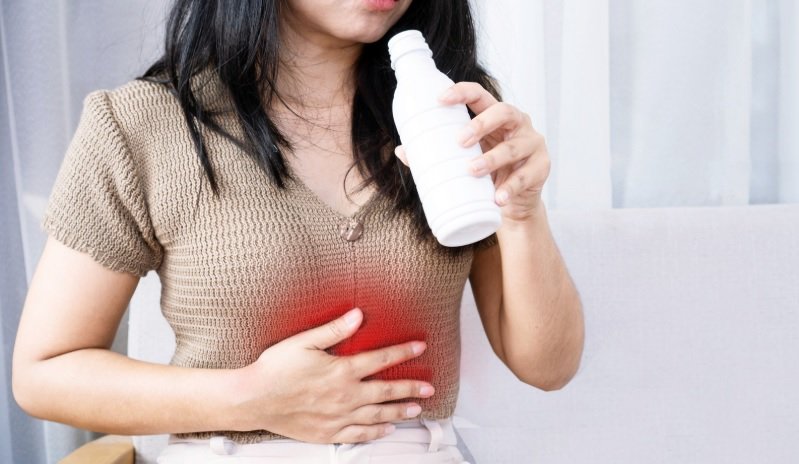
Still feeling that burning sensation in your chest even after giving birth? Wondering why postpartum heartburn is sticking around when pregnancy is over? Let’s uncover what really causes this frustrating issue and how you can finally get relief.
Postpartum heartburn often continues due to hormonal changes, stress, and a shifting digestive system after delivery. It may feel like pregnancy heartburn all over again—burning, bloating, and discomfort. Experts like Dr. Jennifer Wider, a women’s health specialist, explain that it can take weeks or even months for your body to readjust fully.
But there’s good news—you’re not stuck with it forever. Want to know the best ways to treat and prevent postpartum heartburn naturally or with medication? Stick around as we break down everything you need to feel better, faster.
The Physiology of Heartburn in Pregnancy
Heartburn is a common symptom during pregnancy. It happens when stomach acid flows back into the esophagus. The hormone progesterone plays a key role. It relaxes the lower esophageal sphincter les, making it easier for acid to escape the stomach. At the same time, the growing uterus puts pressure on the stomach. This combination often triggers acid reflux and discomfort.
The physiology of heartburn post pregnancy is a complex interplay of hormonal changes and physical alterations in the body. During pregnancy, the body produces higher levels of progesterone, a hormone that relaxes smooth muscles, including the lower esophageal sphincter.
This relaxation can lead to a reduced ability to prevent stomach acid from flowing back into the esophagus, causing the uncomfortable sensation known as heartburn. Additionally, as the fetus grows, it exerts pressure on the stomach, further contributing to acid reflux and heartburn symptoms.
Understanding these physiological changes is crucial for managing and alleviating heartburn during pregnancy, as many women experience this common condition.
🔥 Dealing with heartburn after pregnancy? You’re not alone. Postpartum heartburn is more common than you think — and luckily, there are simple ways to find relief.
Here are 5 easy tips to soothe the burn:
- 🍽 Eat smaller meals
- 🛌 Avoid lying down right after eating
- 🥤 Sip warm water or herbal teas
- 🚫 Limit spicy or acidic foods
- 🧘♀️ Manage stress with gentle movement or deep breathing
Why Does Acid Reflux Continue After Pregnancy?
You might think heartburn should end after childbirth. But for many women, it continues during the postpartum period. Why? Hormonal shifts don’t normalize overnight.
The body still produces higher levels of progesterone while breastfeeding, which can contribute to the persistence of heartburn. In addition, the abdominal muscles and organs need time to shift back into place after the physical changes of pregnancy, and this adjustment period can exacerbate reflux symptoms.
As a result, many new mothers find themselves dealing with discomfort that they didn’t expect to face after giving birth, highlighting the importance of understanding and managing postpartum heartburn.
Managing GERD During Pregnancy and the Post-Partum Period
Gastroesophageal reflux disease (GERD) is a common issue many women face during pregnancy and after childbirth. The burning sensation in the chest, also known as heartburn, can be uncomfortable and persistent.
Hormonal changes and physical pressure from the growing uterus are often the main causes. Thankfully, there are ways to manage GERD safely during both pregnancy and the post-partum period.
What Causes GERD in Pregnancy?
During pregnancy, increased progesterone levels relax the lower esophageal sphincter. This allows stomach acid to travel up into the esophagus. As the baby grows, the uterus puts more pressure on the stomach, pushing acid upward and triggering heartburn.
Safe Tips to Manage GERD During Pregnancy
1. Eat Small, Frequent Meals
Avoid large meals that overfill your stomach. Eating smaller portions throughout the day helps reduce pressure and minimizes reflux.
2. Avoid Trigger Foods
Spicy, fried, fatty, or acidic foods can worsen symptoms. Steer clear of chocolate, citrus, tomato-based sauces, caffeine, and drinking fluids.
3. Don’t Lie Down After Eating
Wait at least 2–3 hours before lying down or going to bed after meals. Gravity helps keep acid where it belongs.
4. Sleep With Head Elevated
Use an extra pillow or raise the head of your bed slightly. This prevents acid from flowing back into the esophagus while you sleep.
5. Wear Loose Clothing
Tight waistbands can put added pressure on the stomach. Opt for soft, loose maternity wear to stay comfortable.
6. Talk to Your Doctor About Medications
If lifestyle changes aren’t enough, consult your healthcare provider. Some antacids and acid reducers are safe for use during pregnancy.
Managing GERD Post-Partum
GERD symptoms often ease after delivery, but not always. Hormonal shifts and abdominal changes can continue to cause discomfort.
1. Continue a GERD-Friendly Diet
Stick to small, non-acidic meals and avoid late-night eating. This helps your digestive system recover post-pregnancy.
2. Monitor Stress Levels
Caring for a newborn can be stressful. High stress increases acid production. Practice deep breathing, light walking, or short breaks when possible.
3. Resume Gentle Exercise
Once cleared by your doctor, start light movement. Walking aids digestion and reduces reflux symptoms over time.
4. Recheck Medications
Some post-partum medications can trigger GERD. Review prescriptions with your doctor if symptoms return or worsen.
When to See a Doctor?
If GERD symptoms become severe or include chest pain, trouble swallowing, or vomiting, seek medical advice. Persistent reflux may require further evaluation or prescription medication.
Managing GERD during and after pregnancy involves a mix of lifestyle changes and medical guidance. Small meals, avoiding triggers, and stress management go a long way in keeping symptoms under control. Always talk to your healthcare provider before starting or stopping any treatment. Your comfort and well-being matter—especially when caring for yourself and your baby
Natural Remedies for Postpartum Acid Reflux
Looking for gentle ways to manage heartburn after giving birth? Try these five natural and effective tips:
- Ginger Tea – Ginger reduces inflammation and soothes the digestive tract. Sip it slowly after meals.
- Chew Sugar-Free Gum – It boosts saliva production, which neutralizes stomach acid naturally.
- Aloe Vera Juice – A small amount of food-grade aloe vera can calm the esophagus.
- Apple Cider Vinegar – Dilute one teaspoon in warm water to balance stomach acid (use with caution).
- Mindful Eating – Eat slowly, chew well, and avoid overeating to prevent reflux triggers.
Commonly Asked Questions about Heartburn Postpartum Treatment (FAQs)
Is it normal to have heartburn postpartum?
Yes, postpartum heartburn is normal due to hormonal shifts and stomach pressure changes. Symptoms include reflux, weight gain discomfort, or pain on the left side. Consult a doctor if severe.
What causes heartburn postpartum?
Postpartum heartburn is caused by lingering hormones that relax the esophageal sphincter, similar to pregnant women. Stress, diet, and weakened core muscles increase the risk after delivery.
What is postpartum heartburn and why does it occur?
Postpartum heartburn refers to the experience of acid reflux or heartburn symptoms that some new moms face after giving birth. This condition can be caused by hormonal changes, which can affect the digestive system, as well as the physical changes that occur during pregnancy and after delivery. As the body recovers, the stomach contents may irritate the esophagus, leading to discomfort.
How can antacids help relieve postpartum heartburn?
Antacids are considered a common remedy for heartburn during the postpartum period. They work by neutralizing stomach acid and providing quick relief from symptoms. Over-the-counter options like magnesium and calcium carbonate can be effective for new moms experiencing episodes of heartburn after meals.
Are proton pump inhibitors safe for breastfeeding moms?
Proton pump inhibitors (PPIs) like omeprazole and pantoprazole are medications that reduce the production of stomach acid. While these drugs are generally considered safe during lactation, they can be excreted into breast milk in small amounts. It’s important for new moms to consult their healthcare provider before using PPIs to ensure safety for both mother and baby.
What are the warning signs that postpartum heartburn may be serious?
While heartburn is common during the postpartum period, certain symptoms can indicate a more serious condition. Warning signs include chest pain, shortness of breath, or severe indigestion that persists despite treatment. If these symptoms occur, new moms should seek medical attention to rule out any serious underlying issues such as postpartum preeclampsia.
Can dietary changes help with heartburn and acid reflux after pregnancy?
Yes, dietary changes can significantly help manage heartburn and acid reflux symptoms. New moms should consider avoiding trigger foods such as spicy dishes, citrus fruits, and caffeine. Eating smaller, more frequent meals and avoiding lying down immediately after eating can also improve symptoms during the postpartum months.
Is it safe to use alginate or sodium bicarbonate for heartburn relief?
Alginate-based products and sodium bicarbonate can provide relief from heartburn by forming a protective barrier or neutralizing stomach acid. These over-the-counter options are generally safe for new moms, but it’s essential to consult with a healthcare provider to ensure they won’t interfere with breastfeeding or other medications.
How does the postpartum period affect heartburn symptoms?
The postpartum period can lead to changes in heartburn symptoms due to hormonal fluctuations and physical recovery from childbirth. New moms may find that their symptoms improve or worsen based on their diet, stress levels, and overall health. Monitoring these factors can help manage and reduce discomfort.
Can preeclampsia influence heartburn in new mothers?
Preeclampsia can lead to complications that affect digestion and heartburn. High blood pressure and the stress of recovery may exacerbate heartburn symptoms. women experience heartburn during pregnancy should remain vigilant about their heartburn symptoms and discuss any concerns with their healthcare provider.
What should new moms know about the use of histamine antagonists for heartburn?
Histamine antagonists such as famotidine and nizatidine can be effective in reducing stomach acid production and relieving heartburn symptoms. These medications are often safe for use during lactation, but it’s crucial for new moms to consult their healthcare provider for personalized advice and dosing to ensure safety for both mother and infant.
Conclusion
Postpartum heartburn is a common yet often overlooked discomfort that can dim the joy of new motherhood. While hormonal shifts, physical recovery, and dietary changes play a role, simple lifestyle adjustments—such as eating smaller meals, avoiding triggers, and staying upright after feeding—can make a significant difference. New mothers should never hesitate to seek medical advice if symptoms persist, as relief is possible and deserved.
By addressing postpartum heartburn proactively, mothers can focus more on bonding with their babies and less on unnecessary discomfort. Remember, self-care isn’t selfish—it’s essential. Every mother’s well-being matters, and tackling even small challenges like heartburn can lead to a happier, healthier postpartum journey. You’ve brought life into the world; now, prioritize your comfort and reclaim the joy of these precious early moments—you’ve earned it.
Recommended posts
- 7 Surprising Benefits of Postpartum Belly Wrap for Recovery
- Can a Prolapse Be a Sign of Cancer? (Signs Shouldn’t Ignore)
- 7 Ways to Beat Postpartum Brain Fog Fast (Mom Brain Real?)
- Gaining Weight Postpartum: Why It Happens & How to Take Control