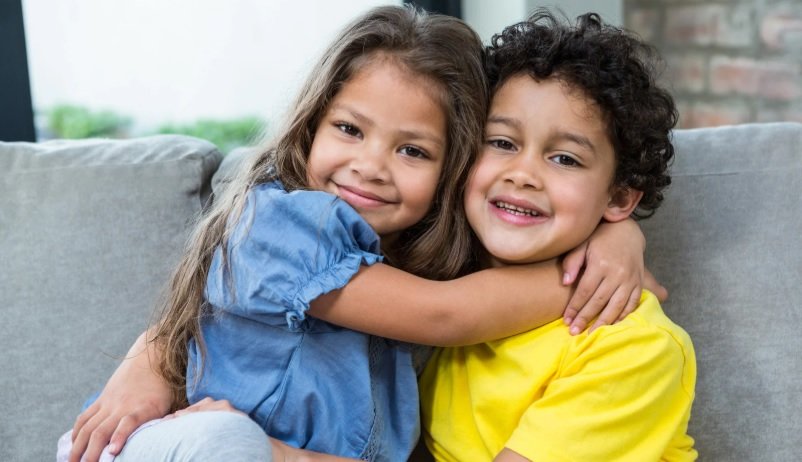
Adult Sibling Relationships Matter more than many people realize. Have you ever thought about how sibling relationships as an adult shapes their emotional life? These relationships often last longer than friendships, marriages, or even parent-child connections.
Adult brothers and sisters relationships matter because they influence mental health, emotional support, Links with Loneliness and Well-being. Research from family systems expert Dr. Murray Bowen shows that strong sibling bonds improve resilience and reduce stress in adulthood. Studies also link positive sibling relationships to higher life satisfaction and better conflict management skills.
Yet many adults overlook this connection until distance or conflict appears. Understanding why these bonds matter can help you strengthen family ties and navigate challenges with clarity. So, let’s explore how sibling relationships in older adulthood shape who we are and why nurturing them truly pays off.
Why Are Adult Sibling Relationships Difficult?
Transitioning from childhood siblings to adult friends is rarely seamless. The difficulty often stems from a collision between the past and the present. In childhood, roles are assigned: the peacemaker, the rebel, the achiever, the caretaker. These dynamics, solidified over years, can become rigid scripts we unconsciously follow decades later. An adult may find themselves reverting to a defensive teenage self in the presence of a sibling, triggering old patterns of conflict or withdrawal.
Furthermore, adult life introduces new layers of complexity. Competition may shift from parental attention to career achievements, financial status, or whose children are more successful. Differing values, political views, and lifestyles can create chasms where childhood camaraderie once existed. The geographical distance common in adulthood can lead to emotional drift, where infrequent interactions become strained, formal, and centered only on major holidays or family obligations.
Perhaps the most potent source of difficulty is the unresolved baggage from childhood. Perceived parental favoritism, past rivalries, or old wounds that were never addressed can fester beneath the surface of polite adult interaction. Unlike friendships, which we can choose to exit, the permanence of the sibling bond can sometimes trap individuals in a cycle of obligatory but unfulfilling connection, making the brother or sister relationship feel more like a duty than a joy.
Sibling Relationships in Adulthood Psychology
Psychologically, adult children relationships are a fascinating arena of attachment, identity formation, and social support. They serve as a “mirror to the self,” reflecting back parts of our history and identity we may have forgotten or suppressed. Siblings share a foundational narrative; they are co-authors of our earliest story, which shapes our sense of self and belonging.
From a developmental perspective, these relationships fulfill critical functions. They are a source of normative social comparison—we often gauge our life progress (marriage, career, home ownership) against our siblings.
They provide emotional and instrumental support, often stepping in as first responders during parental illness or life crises. Research in psychology also highlights their role in mental health. Positive adult sibling ties are linked to lower rates of depression and anxiety, especially in later life, acting as a buffer against loneliness.
The psychological concept of “sibling deidentification” is also relevant—where siblings consciously or unconsciously strive to be different from one another to carve out a unique identity within the family system. These forged identities in youth can lead to complementary or clashing personalities in adulthood, influencing the relationship’s closeness or conflict.
What Is an Unhealthy Sibling Relationship?
Not all sibling relationships are beneficial. An unhealthy adult sibling relationship is characterized by consistent patterns that erode well-being. Key markers include:
- Chronic Toxicity: Interactions are consistently draining, leaving you feeling criticized, demeaned, or emotionally depleted. The relationship is a net negative in your emotional economy.
- Manipulation and Coercion: One sibling uses guilt, obligation, or financial leverage to control the other.
- Persistent Rivalry and Competition: Healthy competition evolves into a constant, undermining comparison that diminishes each other’s successes.
- Exploitation: Whether financial, emotional, or practical (e.g., always being the default caregiver for parents), the relationship is one-sided and transactional.
- Complete Estrangement Without Cause: While estrangement is sometimes a necessary boundary for health, an unhealthy dynamic may involve complete cutoff over minor, unaddressed slights, often fueled by third parties or ancient, unprocessed grudges.
- The Presence of Verbal or Emotional Abuse: This includes gaslighting, name-calling, bullying, or relentless criticism.
An unhealthy relationship is static; it doesn’t grow, repair, or allow for change. It’s trapped in a dysfunctional cycle that harms all parties involved.
Sibling Relationships in Adulthood Statistics
The numbers underscore both the prevalence and the significance of these bonds:
- Longevity: Approximately 80% of people in Western countries have at least one living sibling, making it one of the most common familial ties in adulthood.
- Contact: Studies suggest that in early and middle adulthood, about 20-30% of siblings have weekly contact, while a larger percentage connect monthly. Frequency often increases again in later life.
- Closeness: Research indicates that about two-thirds of adults describe their sibling relationship as “close” or “very close.” Sister-sister pairs tend to report the closest bonds, followed by brother-sister, with brother-brother pairs reporting slightly less intimacy but high loyalty.
- Impact of Parents: Around 65-70% of adult siblings report that dealing with their aging parents brought them closer, while for 20-30%, it was a significant source of conflict.
- Estrangement: While precise figures vary, studies estimate that between 5-10% of adult sibling relationships are estranged at any given time.
- Health Correlation: A notable study from the Journal of Family Psychology found that individuals with positive sibling relationships in early adulthood had lower levels of depression and higher life satisfaction decades later.
What Causes Sibling Conflict in Adult Relationships?
Conflict in adult sibling relationships rarely emerges from a vacuum. It is typically fueled by specific, identifiable catalysts:
- Parental Care and Inheritance: The #1 trigger for major adult sibling conflict. Disagreements over caregiving responsibilities, financial contributions, fairness of a will, or possession of sentimental items can rip open old wounds of perceived favoritism.
- Unresolved Childhood Issues: The “unfinished business” of youth—who was mom’s favorite, who got more opportunities, who was always blamed—remains potent.
- Spouse and In-Law Dynamics: A sibling’s partner can become a wedge, either through direct conflict or by influencing the sibling’s allegiances and opinions.
- Divergent Values and Lifestyles: Profound differences in politics, religion, parenting styles, or financial management can create judgment and distance.
- Perceived Inequity in Life Success: Jealousy or resentment can simmer if one sibling perceives the other as more financially successful, happier in marriage, or more accomplished.
- The “Family Historian” Role: Conflicts over the shared narrative—”That’s not how it happened!”—can prevent moving forward, as siblings cling to different versions of the past.
How to Deal with Sibling Relationships in Adulthood?
Navigating these complex relationships requires intention and skill. Here are actionable strategies:
- Lower Unrealistic Expectations: Release the idealized image of a perfectly close, conflict-free bond. Accept the relationship for what it is, not what you wish it could be. A cordial, low-contact relationship can be healthier than forcing a deep friendship.
- Establish Firm, Healthy Boundaries: Clearly define what you will and will not accept regarding communication, favors, financial requests, and topics of conversation. Boundaries are about controlling your own actions, not theirs (e.g., “I will end the call if the conversation turns to criticizing my parenting”).
- Communicate as Adults, Not as Children: Make a conscious effort to speak to your sibling from your present-day self. Use “I” statements (“I feel hurt when…”) instead of accusatory “you” statements that trigger defensiveness.
- Practice Selective Listening and Validation: You don’t need to agree, but you can validate their feelings: “I can see why you would feel that way.”
- Focus on the Present and Future: Consciously steer conversations toward current lives, shared interests, and future plans, rather than endlessly rehashing the past.
- Seek Mediation for Stuck Conflicts: For high-stakes issues like elder care or inheritance, a family therapist or professional mediator can provide neutral ground and facilitate solutions.
The Real Issue: We’re All Still Playing Childhood Roles
Beneath the surface of most adult sibling friction lies this core truth: we often remain trapped in the roles assigned to us in our family of origin. The “responsible one” still feels burdened to organize everything. The “black sheep” still acts out or feels judged. The “peacemaker” still stifles their own needs to smooth things over. The “favorite” may still feel unearned pressure or guilt.
These roles were survival strategies in a child’s world, but they become limiting and inauthentic in adulthood. The conflict arises when one sibling tries to break their role, disrupting the family system’s equilibrium.
For example, when the “caretaker” sets a boundary, the “rebel” may escalate behavior to force them back into their familiar role. Healing requires recognizing these patterns, consciously stepping out of your assigned role, and relating to your sibling as the complex adult they are now, not the archetype from your shared past.
What Are the 5 Types of Sibling Relationships in Adulthood?
Research commonly categorizes adult sibling bonds into five distinct types:
- The Intimate Bond: Characterized by high emotional closeness, frequent contact, and unwavering support. These siblings are best friends and primary confidants.
- The Congenial Bond: Warm, affectionate, and positive, but with less depth and frequency than the Intimate type. Contact is regular and enjoyable, centered on family events and shared activities, but personal lives may remain more private.
- The Loyal Bond: Based primarily on shared family history and blood ties. Contact is often ritualized (birthdays, holidays). There’s a strong sense of duty and commitment to “be there” in a crisis, but daily emotional intimacy is low.
- The Apathetic Bond: Marked by profound indifference. There is little conflict but also no active interest or engagement. Contact is minimal and motivated purely by obligation, with no emotional investment.
- The Hostile Bond: Defined by chronic resentment, anger, and avoidance. Interactions are strained and conflictual, or the relationship is completely severed. The past dominates the present, and the bond is a source of active stress.
Understanding which type defines your relationship can help set realistic expectations and goals for improvement.
How to Maintain Healthy Adult Sibling Relationships
Cultivating a healthy bond is an active, ongoing process. It involves:
- Making Intentional Time: Move beyond obligatory visits. Create your own traditions—a yearly trip, a monthly video call, a shared hobby. Quality matters more than quantity.
- Practicing Appreciation and Affirmation: Verbally acknowledge their strengths and express gratitude for their presence in your life. Celebrate their successes without comparison.
- Handling Family Business as a Team: Approach parents’ aging, holidays, and estate matters with a collaborative, problem-solving mindset. Prioritize fairness and open communication over “winning.”
- Letting Go of the Need for a Shared Truth: Agree to disagree on interpretations of the past. You can have different memories and still respect each other’s current reality.
- Protecting the Relationship from Third-Party Interference: Don’t allow parents, other siblings, or spouses to triangulate or carry messages. Communicate directly.
- Investing in Positive Shared Experiences: Create new, positive memories that aren’t tied to family obligations. This builds a new layer of relationship on top of the childhood foundation.
Commonly Asked Questions about Adult Sibling Relationships (FAQs)
How can I improve relationships with their siblings during adulthood?
Focus on open communication, empathy, and boundaries to build healthy relationship with siblings. Prioritize warmth, low levels of conflict, and shared activities. Address past sibling rivalry constructively, agree on caregiving roles for aging parents, and seek family therapy if sibling relationship quality remains strained consistently.
How should adult siblings handle conflict between siblings?
Acknowledge emotions, set ground rules for respectful discussion, and avoid parental favoritism narratives to reduce escalation. Use active listening, take breaks when needed, and focus on interests rather than positions. Mediation or counseling can improve sibling relations and support better sibling relationship quality long-term overall.
Can adult siblings become close again after years apart?
Yes, rebuilding warmth and trust is possible through consistent contact, honest apologies, and shared experiences. Start small with phone calls or visits, discuss expectations, and celebrate milestones. Patience and mutual effort help transform distant sibling pairs into positive relationships with their siblings across young adulthood.
How do sibling dynamics affect mental health in older adults?
Sibling warmth and low levels of conflict correlate with better well-being, reduced loneliness, and emotional support in older adult siblings. Poor sibling relationship quality or unresolved rivalry can increase stress and isolation. Strong family relationships buffer against decline and contribute to healthier human development overall.
What role do siblings play in caring for aging parents?
Siblings often coordinate caregiving, share responsibilities, and make medical or financial decisions collaboratively. Clear communication and fair division of tasks reduce conflict between siblings and parental favoritism perceptions. Planning early, documenting preferences, and discussing roles minimize stress and preserve good relationships while supporting aging parents.
How does parental favoritism influence adult sibling conflict?
Perceived parental favoritism can reignite sibling rivalry, undermine sibling warmth, and cause lasting resentment. Adult siblings may compete over inheritance or caregiving roles, harming sibling relationship quality. Open conversations with parents, reframing expectations, and therapy help resolve conflicts and improve long-term relationships with siblings overall.
Are sibling relationships usually the longest lasting relationships?
Often siblings represent some of the longest lasting relationships in a person’s life, spanning young adulthood into older adulthood. Their shared history fosters closeness, but quality varies. Maintaining positive relationships with their siblings requires effort, communication, and managing conflict to sustain intimacy across decades consistently.
How do sibling bonds change in midlife and aging?
In midlife, sibling ties often shift due to careers, parenting, and caregiving responsibilities. Some relationships deepen with mutual support; others drift. As siblings grow older, shared caregiving and memory of family experiences can rekindle bonds, influencing well-being, loneliness among older adults, and adult development trajectories.
When should siblings seek professional help for sibling relations?
Seek counseling when conflict harms mental health, caregiving disagreements escalate, or long-standing resentments impair relationships. Therapists can address sibling dynamics, parental favoritism effects, and communication patterns. Early intervention preserves sibling relationship quality, supports family relationships, and prevents loneliness and poorer well-being in older adult siblings.
Can favoritism cause sibling rivalry?
Yes, favoritism can cause sibling rivalry. Unequal attention, praise, or discipline fuels resentment, competition, and insecurity among children. Research shows sibling conflict and parental favoritism are closely linked, as perceived unfairness damages trust, intensifies comparisons, and entrenches long-term hostility that can persist into adulthood without mindful, consistent parenting efforts today.
Conclusion
Adult Sibling Relationships are a powerful, complex, and enduring force in our lives. They can be a source of unparalleled support and shared identity or a wellspring of lingering pain. In a world of increasing transience, this lifelong connection matters more than ever for our psychological well-being and sense of continuity. The journey from childhood roles to adult connection requires awareness, effort, and often, forgiveness—not necessarily of the sibling, but of the past itself.
By understanding the psychology, confronting the challenges with maturity, and proactively nurturing the bond, we can transform this given relationship into a chosen, resilient, and deeply rewarding partnership that enriches every stage of our adult lives. The work is seldom easy, but the potential reward—a witness to your entire life who shares your origin story—is truly irreplaceable.
Recommended posts
- Romantic Relationship Between Siblings Risks & Consequences
- The Power of Fostering Sibling Connection (Revealed)
- The 5 Types of Sibling Relationships Every Family Experience
- Common Sibling Rivalry Causes Parents Often Miss (Revealed)
- 100+ Heartwarming Bond of a Brother and Sister Quotes
- Why Sibling Jealousy in Adulthood Happens & What You Can Do
- Signs of A Toxic Sibling Relationship Shouldn’t Ignore Anymore
- Definition of Sibling Relationship: Love, Rivalry, and Lifelong Loyalty