Is it safe for newborns to sleep on your chest? New parents often ask whether it’s safe or beneficial to let a newborn sleep on their chest. Does this bonding moment pose any risk, or is it a natural way to soothe your baby? Let’s uncover the truth behind chest to chest sleeping newborn pros and cons.
Sleeping chest to chest with a newborn offers deep emotional bonding and can help regulate the baby’s temperature and heartbeat. But experts like Dr. Harvey Karp warn that unsupervised chest sleeping, especially if the adult is also asleep, increases the risk of suffocation. This article breaks down the pros, such as emotional comfort, and the cons, including safety concerns and sleep disruption.
But is bonding worth the possible risk? Pediatricians, backed by data and years of newborn research, have some valuable insights you shouldn’t miss. So, let’s dig deeper into what makes chest-to-chest sleeping a loving gesture—or a potential hazard—for your newborn.
Can My Newborn Sleep on My Chest?
is it ok for newborn to sleep on my chest? Yes, your newborn can sleep on your chest, and in fact, many parents and babies find this comforting and bonding. However, it’s important to follow safe sleep guidelines to reduce the risk of accidents, including Sudden Infant Death Syndrome (SIDS).
Here’s what you should know:
✅ When It’s Safe:
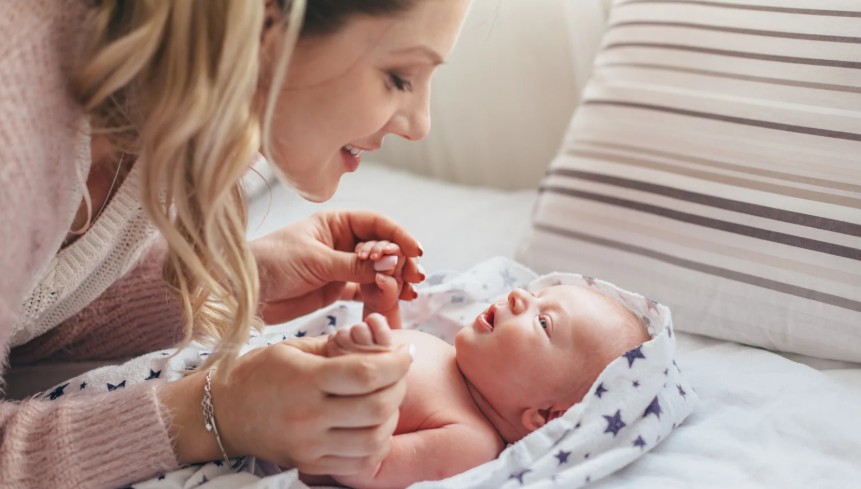
- If you’re awake and alert, holding your newborn skin-to-skin on your chest is not only safe but encouraged. It helps regulate their body temperature, heart rate, and breathing, and strengthens bonding.
- This is often called skin-to-skin contact, and it’s especially beneficial during the early days after birth.
⚠️ When It’s Not Safe:
- If you’re sleepy or planning to sleep, letting your baby sleep on your chest can be dangerous. You might accidentally roll over or let the baby slip into an unsafe position.
- Never fall asleep on a couch or armchair with your baby on your chest — this increases the risk of suffocation.
Safer Alternatives for Sleep:
- Once it’s time for both of you to sleep, it’s best to place your baby on their back, in a firm, flat crib or bassinet with no pillows, blankets, or toys.
- If you want closeness during sleep, consider room-sharing (not bed-sharing), where the baby sleeps in their own safe sleep space in the same room as you.
Is it a Bad Habit to Let Your Baby Sleep on You?
Letting your baby sleep on you can feel natural, as it fosters a sense of closeness and comfort. However, it’s essential to consider the potential risks involved. While this position might help your newborn fall asleep and feel secure, it is not always the safest option.
Experts recommend that infants should ideally sleep on a firm surface, such as a bassinet or crib, to reduce the risk of sudden infant death syndrome (SIDS). When a baby sleeps on an adult’s chest, the risk increases due to factors like airway obstruction or overheating. Therefore, while it can be a wonderful way to bond with your baby, it’s crucial to transition them to a safer sleeping surface as soon as possible.
Many parents find themselves in a dilemma between the emotional benefits of holding their infant close and the advice given by pediatricians. Although the act of cuddling and nurturing your newborn is invaluable, allowing them to sleep on your chest can be risky, especially if you fall asleep while holding them.
The safest sleep practices recommend placing infants on their backs to sleep in a separate crib or bassinet. This helps to reduce the risk of SIDS and promotes a more secure sleeping environment for your baby, who is still learning to regulate their breathing and body temperature.
Chest to Chest Sleeping Newborn Pros & Cons
Chest to chest sleeping with your newborn comes with its own set of pros and cons. On the positive side, this position can promote bonding and skin-to-skin contact, which can be beneficial for both the parent and the baby. It can help regulate your baby’s heart rate and temperature while facilitating breastfeeding.
The warmth and comfort of a parent’s chest can make it easier for the baby to fall asleep, providing a sense of security. However, the risks associated with chest sleeping cannot be ignored. As mentioned earlier, the chances of SIDS increase when a baby sleeps on an adult, especially on soft surfaces.
Additionally, there is a risk of the baby rolling off the parent’s chest or becoming wedged between the parent and another object, which could lead to suffocation.
Ultimately, the decision to allow a newborn to sleep on your chest should be made with careful consideration of these pros and cons. While the emotional connection fostered during this time is significant, it is vital to prioritize the baby’s safety.
Parents should explore alternatives, such as using a co-sleeper or a bassinet placed next to their bed. This way, they can still enjoy close contact while ensuring that their infant sleeps on a firm and safe surface. If you choose to practice chest sleeping, it is advisable to stay awake and attentive to your baby’s needs, reducing the likelihood of dangerous situations occurring.
How Long Can a Newborn Sleep on Your Chest?
The duration a newborn can safely sleep on your chest is a crucial consideration for many parents. While it may vary from baby to baby, it’s generally recommended to limit this practice to short periods while you are awake. For instance, allowing your baby to nap on your chest for 20 to 30 minutes can be comforting and beneficial for both of you.
However, prolonged chest sleeping is not advisable due to the potential risks involved. Newborns should be transitioned to a crib or bassinet after these short naps to ensure a safe night sleeping environment. The American Academy of Pediatrics advises that infants should sleep on their backs in a separate sleep space to reduce the risk of SIDS.
In the early weeks, many parents find that their babies are often asleep on their chests after nursing. While these moments are precious, it’s essential to establish a safe sleep routine that promotes better sleep habits for your newborn.
As your baby grows and begins to develop more consistent sleep patterns, it becomes increasingly important to encourage them to sleep independently. This gradual transition can help your baby become accustomed to sleeping on their back in a crib, which is the safest position recommended by pediatricians.
Ultimately, the goal should be to create a comfortable and secure sleep environment that prioritizes your baby’s safety while still allowing for those cherished bonding moments.
What is The Best Chest-Sleeping Position?
The best chest-sleeping position for a newborn involves several safety tips to ensure that the baby can breathe freely and stay secure. If you choose to allow your newborn to sleep on your chest, make sure you are seated in a firm and upright position. This will help prevent the baby from rolling off or becoming wedged in unsafe areas.
Additionally, ensure that your chest is free from any pillows, blankets, or other soft materials that could pose a suffocation risk. Keeping your baby’s head elevated slightly can also help maintain a clear airway, which is particularly important for infants at risk of reflux.
Furthermore, co-sleeping strategies should involve being attentive to your baby’s needs and maintaining a firm grip to prevent sudden movements. It’s also advisable to avoid sleeping on soft surfaces such as couches or armchairs, as these can increase the risk of accidents. Instead, consider a designated co-sleeping area designed for safety or a portable bassinet that allows for close proximity.
Remember, while chest sleeping can provide warmth and comfort, it should never replace the recommended safe sleep practices that prioritize your baby’s well-being. By implementing these tips, you can create a safer sleeping environment while still enjoying those intimate moments with your newborn.
Commonly Asked Questions about Chest to Chest Sleeping Newborn (FAQs)
Is it safe for a newborn to sleep chest to chest with a parent?
is it safe for newborn to sleep on my chest? While many parents enjoy the closeness of chest to chest sleeping, it is important to follow safety guidelines. The American Academy of Pediatrics recommends avoiding bedsharing due to the risk of suffocation and other hazards. It is best to place your baby to sleep on a separate cot or mattress nearby.
What are the pros of chest to chest sleeping with a newborn?
Chest to chest sleeping can help promote bonding, provide warmth, and allow for easy feeding. Many parents find that this position can help their baby to sleep more soundly, as the gentle rise and fall of the parent’s chest can be soothing.
Are there any cons to chest to chest sleeping with a newborn?
Yes, there are some cons. The most significant concern is the risk of suffocation or rolling over onto the baby while asleep. Additionally, if a parent is too tired, they may not be aware if their baby can’t sleep and may accidentally create a stressful sleeping environment.
How should I position my arm when my newborn is sleeping on my chest?
When holding your baby chest to chest, ensure your arm supports their head and neck while also allowing them to breathe easily. You can gently use your arm to create a slight incline or support their body snugly without restricting movement.
Can chest to chest sleeping help my newborn relieve gas or discomfort?
Yes, many parents find that holding their baby in a cuddle curl position against their chest can help relieve gas or discomfort. The warmth and gentle pressure can be soothing for the baby, assisting in digestion and reducing fussiness.
Should I be concerned if my baby prefers to sleep on my chest instead of in a cot?
It’s common for newborns to prefer being close to their parents, as it mimics the womb environment. However, gradually introducing your baby to their cot for sleep is recommended, as it promotes safe sleep practices. The pediatrician may offer advice tailored to your baby’s needs.
How can I transition my baby from sleeping on my chest to their cot?
To transition your baby to their cot, start by placing them in their cot when they are drowsy but still awake. This helps them learn to fall asleep independently. You can also try swaddling or using a gentle rocking motion to comfort them as they get used to the new sleeping environment.
What should I wear while my newborn sleeps on my chest?
Wearing a fitted shirt or a breastfeeding shirt can ensure that your baby is secure while providing easy access for feeding. Avoid loose clothing that can pose a risk of covering your baby’s face while they sleep.
Is there a recommended age for chest to chest sleeping with my newborn?
While chest to chest sleeping can be comforting for newborns, it is advisable to transition them to a safer sleep environment by 4-6 months, as they become more mobile and may start to roll over, increasing the risk of sleep-related incidents.
Conclusion
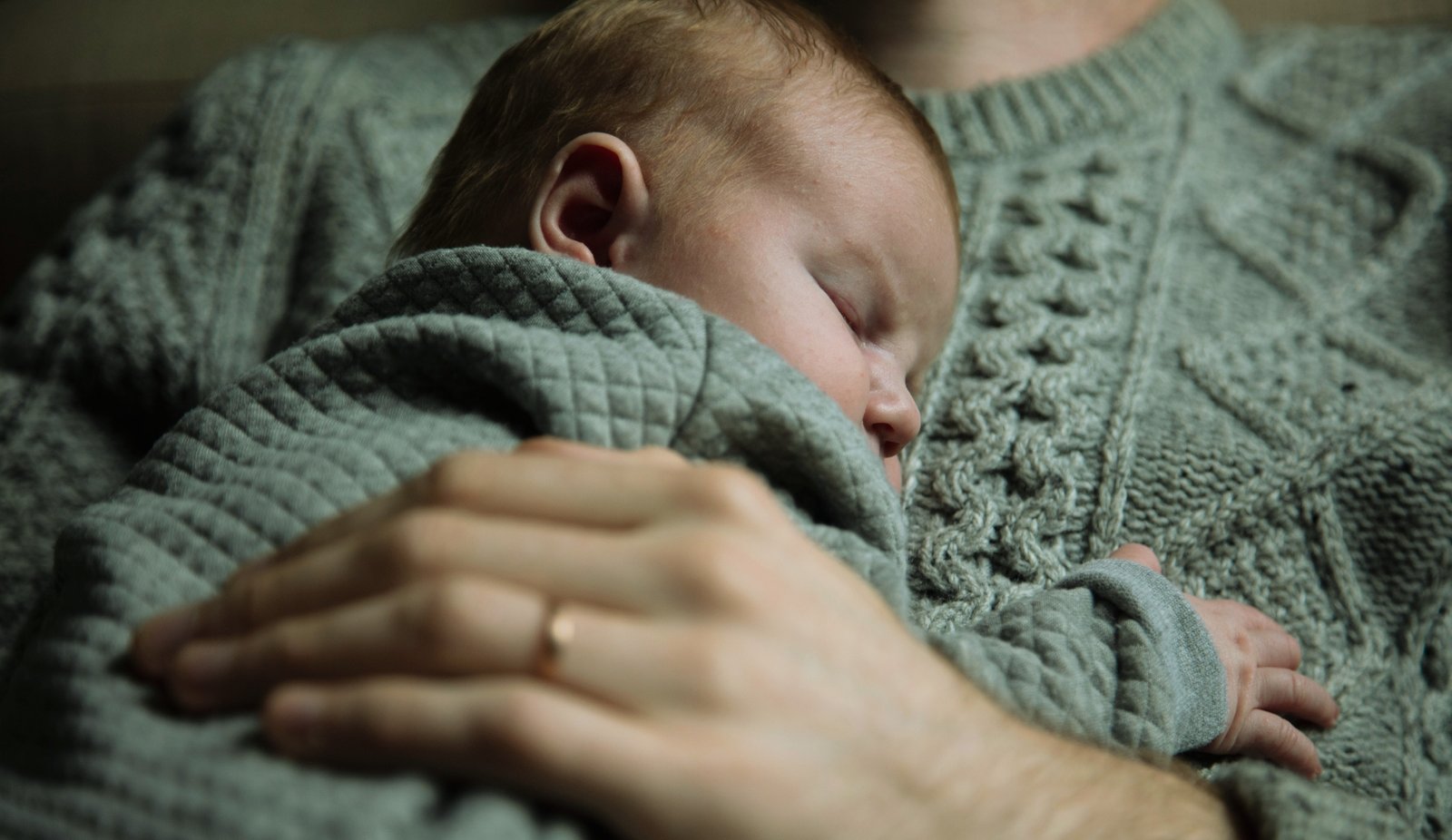
is it ok for Sleeping baby on the parent’s chest? In conclusion, chest to chest sleeping with a newborn can be both comforting and risky. While it fosters a strong bond between parent and baby, the safety implications cannot be overlooked. To reduce the risk of SIDS and ensure a safe sleep environment, parents should prioritize having their infants sleep on a firm surface, such as a crib or bassinet, while allowing for bonding moments during babies waking periods. Seeking advice from pediatricians can also provide additional guidance on safe sleeping practices tailored to your baby’s needs. Ultimately, the key is to find a balance that allows for comfort and connection while ensuring that your newborn sleeps safely.
As you navigate the challenges of parenthood, remember that every family’s situation is unique. The choice to practice chest sleeping should be informed by both the benefits of bonding and the necessity of adhering to safe sleep guidelines. By creating a structured sleep routine and making informed decisions, you can help your baby develop healthy sleep habits while enjoying those cherished moments of closeness. Embrace the journey of parenting, and make the choices that feel right for you and your baby, knowing that safety always comes first.
Recommended posts
- Newborn Sleepy Cues Vs Hunger Cues: A Helpful Parent’s Guide
- Newborn Spitting Up in Sleep: Causes, Concerns & Parent Tips
- Secrets Behind Newborn Giggles in Sleep You’ll Want to Know
- The 5 Week Infant Milestones that Every Parent Should Know
- Stomach Size of Newborn: Essential Breastfeeding Tips for Moms
- Can a Newborn Overfeed: Important Facts & Parents Advice
- Why Do Babies Grunt in Their Sleep: (Common Causes & What to Do)
- How to Get an Overtired Infant to Sleep? (Tested & Proven)