
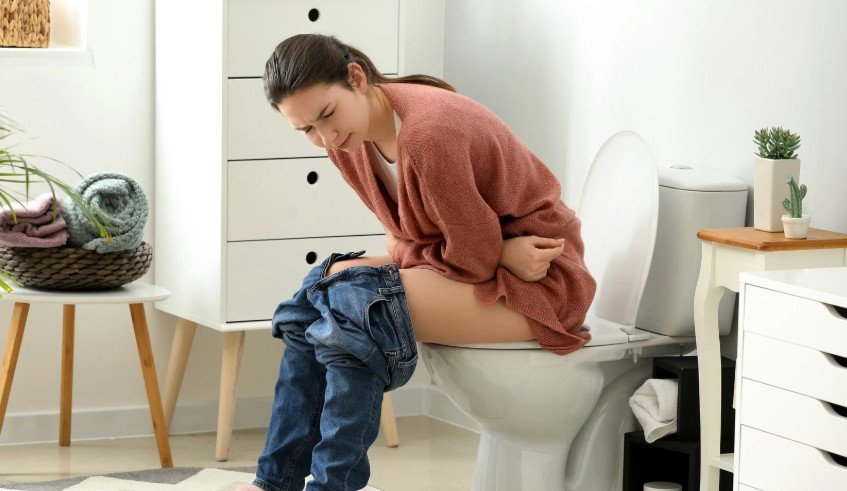
Postpartum diarrhea is loose or watery bowel movements that some women experience after childbirth. diarrhea post pregnancy can happen due to hormonal changes, stress, dietary shifts, or as a side effect of medications such as antibiotics or pain relievers. In some cases, underlying issues like infections, food intolerances, or irritable bowel syndrome (IBS) may also play a role.
Most cases of diarrhea postpartum improve within a few days with hydration, rest, and gentle dietary adjustments such as eating bland foods and avoiding caffeine or greasy meals.
Drinking plenty of fluids with electrolytes helps prevent dehydration, which is especially important if you’re breastfeeding. If diarrhea lasts more than a few days, or if you notice severe pain, fever, or blood in stools, you should consult a doctor.
What Causes Postpartum Diarrhea?
Post partum diarrhea is a common and often temporary condition experienced by new mothers. Several factors contribute to this digestive upset, ranging from physical changes in the body to emotional stress.
- Hormonal Changes: After childbirth, your hormone levels fluctuate as your body adjusts to life without pregnancy. Elevated levels of certain hormones like progesterone during pregnancy can slow down digestion. However, after delivery, a sudden drop in these hormones can accelerate bowel movements, leading to diarrhea.
- Stress and Anxiety: The transition into motherhood can be overwhelming, with the pressures of caring for a newborn, breastfeeding, and adjusting to a new routine. Anxiety can trigger gastrointestinal issues, including diarrhea. Postpartum depression or baby blues can exacerbate these symptoms.
- Dietary Changes: After childbirth, many women make changes to their diet as they try to boost their energy, improve breastfeeding, or simply cope with new routines. Certain foods, such as high-fiber foods, spicy dishes, or dairy, can trigger digestive disturbances. If you’re breastfeeding, foods you consume might even affect your baby, leading to diarrhea in both you and your infant.
- Over-the-counter Postpartum Medications: Many women are prescribed medications after childbirth, including pain relievers, antibiotics, and stool softeners. Some of these medications can disrupt the digestive system, causing diarrhea.
- Physical Changes from Labor: The physical toll of labor and delivery, including pushing, can strain the gastrointestinal system. In some cases, the pelvic floor muscles may weaken or become damaged, affecting bowel movements and leading to diarrhea or incontinence.
Understanding these causes is the first step in managing postpartum diarrhea. In most cases, this condition is temporary, but it can be uncomfortable and worrying if it persists.
How Can You Make Your First Postpartum Poop Easier?
The first postpartum poop can be intimidating due to the physical changes your body has undergone during childbirth. To make this experience easier, it’s important to focus on gentle strategies.
First, stay hydrated by drinking plenty of water to keep stool soft and easier to pass. Eating fiber-rich foods like fruits, vegetables, and whole grains can also help prevent constipation. If you’re dealing with hemorrhoids or stitches, take it slow and avoid straining, as this can worsen discomfort.
It may help to have a stool softener or a mild laxative, but consult your doctor before using any medication. When you’re ready to try, ensure you’re in a comfortable position, and you might want to elevate your feet slightly by using a small stool to mimic a squatting position.
Gentle perineal care, such as using a sitz bath or warm compresses, can soothe the area and reduce discomfort. Listen to your body and be patient—this process will gradually become easier over time.
Common Postpartum Bowel Problems
Postpartum diarrhea is just one of many potential bowel issues that can arise in the weeks and months after childbirth. Other common postpartum bowel problems include:
- Postpartum Constipation: Many women experience constipation after delivery due to factors like hormonal fluctuations, dehydration, and physical strain from labor. Constipation can be painful and frustrating, but with proper dietary and lifestyle changes, it can often be managed.
- Fecal Incontinence: The stress of vaginal birth and the weakening of the pelvic floor muscles can lead to fecal incontinence, or the inability to control bowel movements. This is often temporary, but pelvic floor exercises and physical therapy can help strengthen the muscles and improve control.
- Hemorrhoids: Hemorrhoids, which are swollen veins around the anus, are common during pregnancy and after child birth due to the pressure exerted during labor. These can cause pain, itching, and difficulty with bowel movements.
- Irritable Bowel Syndrome (IBS): For some women, the stress and hormonal fluctuations of pregnancy and childbirth can trigger or exacerbate pre-existing IBS. This condition can lead to a combination of diarrhea and constipation, along with abdominal cramps.
- Gastrointestinal Issues: Hormonal shifts and stress may also trigger conditions like acid reflux or bloating. These digestive disturbances can make it more difficult to manage bowel movements in the postpartum period.
If you’re dealing with one or more of these issues, don’t hesitate to reach out to your healthcare provider for advice and treatment options.
Risks Associated With Postpartum Constipation
While constipation is commonly associated with the postpartum period, it’s important to understand the risks associated with this condition. If left untreated or if constipation becomes chronic, it can lead to:
- Anal Fissures: Straining to pass stool can cause tiny tears in the skin around the anus, leading to painful anal fissures. These can make future bowel movements even more difficult and cause significant discomfort.
- Pelvic Floor Dysfunction: Chronic constipation can weaken the pelvic floor muscles, leading to long-term issues with bowel control and even urinary incontinence. It’s essential to address constipation early on to prevent complications.
- Hemorrhoids: Chronic straining from constipation increases the risk of developing hemorrhoids, which can cause additional discomfort and require medical intervention.
- Bloating and Discomfort: Unresolved constipation can cause bloating, abdominal pain, and a feeling of fullness, which can be especially uncomfortable when adjusting to postpartum life.
It’s crucial to address postpartum diarrhea and constipation early, ensuring that you’re using safe remedies and consulting with your healthcare provider if the condition persists.
Ways to Manage Fecal Incontinence – Treatment Options and Home Remedies
Fecal incontinence is a sensitive and distressing issue for many new mothers. Fortunately, there are several treatment options and home remedies that can help manage the condition:
- Pelvic Floor Exercises: Strengthening your pelvic floor muscles through exercises like Kegels can significantly improve bowel control. Regular practice can help you regain muscle tone and reduce incontinence over time.
- Biofeedback Therapy: This therapy uses sensors to help you learn how to control your pelvic floor muscles more effectively. It is often used in conjunction with pelvic floor exercises and can be highly effective.
- Dietary Adjustments: Eating a balanced diet rich in fiber and avoiding foods that may irritate the digestive system can help reduce the severity of fecal incontinence.
- Avoiding Excessive Straining: If you’re experiencing incontinence, avoid straining during bowel movements. Instead, aim to relax your body and let your digestive system work naturally.
- Medical Interventions: In some cases, medical treatments like medications, injections, or even surgery may be necessary to treat fecal incontinence. Always consult your healthcare provider for guidance.
- Supportive Garments: For temporary relief and peace of mind, consider using adult incontinence products, such as pads or briefs, which can help you manage the situation while you’re recovering.
While fecal incontinence can feel embarrassing, remember that it is a common issue after childbirth, and there are effective ways to address it. With time, patience, and proper treatment, most women regain full control.
Frequently Asked Questions about Causes of Postpartum Diarrhea (FAQs)
How long does postpartum diarrhea last?
Postpartum diarrhea typically resolves within a few days after giving birth due to hormonal shifts or medications. If it persists beyond a week, postpartum women should consult a doctor to rule out infections. New moms can stay hydrated and eat bland foods for relief.
Can postpartum hormones cause diarrhea?
Yes, postpartum hormones (like prostaglandins) can trigger diarrhea and other bowel changes as your body resets. It’s usually temporary—stay hydrated and eat bland foods. Consult a doctor if symptoms persist beyond a week.
Is diarrhea a symptom of postpartum?
Yes, some new mothers experience diarrhea postpartum due to hormonal shifts, stress, or medications. It’s usually temporary—focus on hydration and easy-to-digest foods. Seek medical advice if it persists beyond a few days.
Is diarrhea common postpartum?
Yes, constipation and diarrhea are common postpartum due to hormonal shifts, medications, or uterine contractions. Symptoms usually resolve within days—stay hydrated and eat fiber. Consult a doctor if issues persist.
Is diarrhea normal postpartum?
diarrhea is a normal postpartum bowel change due to hormonal shifts, stress, or medications. It typically resolves within days—focus on hydration and bland foods. Consult a doctor if symptoms worsen or persist.
Should mothers with diarrhea after giving birth breastfeed?
Yes, mothers with diarrhea can breastfeed—it’s safe and maintains milk production. Breast milk provides antibodies protecting the baby. Stay hydrated to avoid affecting supply. Consult a doctor if symptoms are severe or persistent.
How To Cope With Postpartum Bowel Issues?
Ease postpartum pain and bowel issues with hydration, fiber-rich foods like applesauce, banana, and gentle walks. For constipation, try stool softeners; for diarrhea, opt for bland diets. Consult a doctor if symptoms persist.
What causes diarrhea after a C-section?
Diarrhea after a C-section is often caused by antibiotics, pain medications, or hormonal shifts. Anesthesia and stress can also disrupt digestion—it’s usually temporary. Stay hydrated and consult a doctor if severe.
How To Deal With Postpartum Hemorrhoids?
Ease postpartum hemorrhoids with sitz baths, witch hazel, and fiber. While peer-reviewed studies on loperamide are limited for nursing moms, it may help diarrhea but consult a doctor first—your gut health matters.
Conclusion
Postpartum diarrhea and other bowel problems are a common yet often overlooked aspect of the postpartum recovery process. Whether it’s diarrhea, constipation, fecal incontinence, or hemorrhoids, understanding the causes and effective treatments is key to regaining comfort and normalcy. While these issues can feel overwhelming, they are usually temporary and manageable with the right approach.
If you experience persistent or severe symptoms, don’t hesitate to consult with your healthcare provider for personalized guidance and support. By taking proactive steps to manage your bowel health, you can focus more on enjoying your time with your newborn and less on digestive discomfort.
Recommended posts
- Postpartum Gassiness Causes, Treatment, and Home Remedies
- Top 7 Health Benefits of Drinking Raspberry Leaf Tea after Childbirth

