
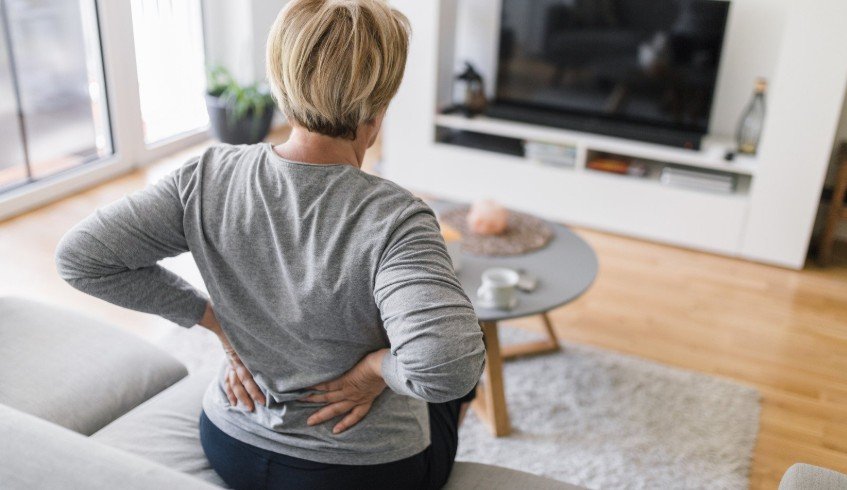
Back pain after C-section delivery can feel just as challenging as recovering from the surgery itself. Have you noticed lingering aches in your lower or upper back and wondered why they persist weeks after delivery? Many new mothers face this discomfort, yet few fully understand what causes it or how to manage it effectively.
In most cases, post-C-section back pain stems from a mix of anesthesia effects, muscle strain, and changes in posture during pregnancy and recovery. This article explores the main triggers, such as spinal anesthesia, weakened core muscles, and extended bed rest. We’ll also share proven relief strategies backed by medical experts and physiotherapists to help you recover faster.
Dr. Anita Kulkarni, a renowned obstetrician, emphasizes that “targeted exercises and proper posture can cut recovery time significantly.” But that’s only part of the story.
In the sections ahead, we’ll unpack every key cause, explain practical solutions, and highlight expert-backed tips so you can take control of your healing journey right now.
Causes of Back Pain After a C-section
Back ache after birth can stem from a variety of sources, making it essential to understand what is contributing to your discomfort.
1. Posture Changes Due to Pregnancy and Delivery
Throughout pregnancy, the body undergoes significant changes to accommodate a growing baby. Hormonal fluctuations, particularly the body release of the hormone relaxin, soften joints and ligaments to prepare for childbirth. While this makes delivery easier, it also increases instability in the spine and pelvis, which can lead to back pain. After the C-section, the body is still adjusting to its new state, and poor posture while breastfeeding, lifting, or moving around can contribute to or exacerbate back pain.
2. Scar Tissue and Healing Process
A C-section involves surgery, and as the incision heals, scar tissue can form inside the body, which might pull on muscles and cause discomfort in the lower back or abdominal area. As the body heals, this tension can create pain not only at the site of the incision but also in other parts of the back due to the interconnected nature of the muscles and ligaments.
3. Muscle Weakness from Abdominal Separation (Diastasis Recti)
During pregnancy, the abdominal muscles stretch to accommodate the growing baby. This can result in diastasis recti, a condition in which the abdominal muscles separate. After a C-section, the muscles might remain weak and separated, leading to instability in the core. This lack of support can shift more pressure onto the back muscles, causing pain, especially in the lower back area.
4. Postpartum Hormonal Changes
In the months following childbirth, your body is still dealing with hormonal fluctuations, especially the drop in pregnancy-related hormones like progesterone and estrogen. These changes can affect the way your muscles and joints function, potentially leading to stiffness, discomfort, and pain in the back.
5. Increased Physical Strain
The physical demands of caring for a newborn can contribute to back ache after delivery. Lifting, carrying, and moving your baby, often in ways that are not ideal for your posture, can strain the back muscles. Additionally, being less active during the initial weeks of recovery can lead to muscle weakness, which makes it harder to perform everyday tasks without discomfort.
How to Reduce Back Pain After C-section Naturally
Backache after C-section is a common issue that many women experience during their postpartum recovery. This discomfort can stem from various factors, including the physical strain of carrying and caring for a newborn, changes in posture due to limited mobility, and the impact of hormonal changes on ligaments and muscles.
Additionally, the surgical procedure itself can lead to muscle weakness and imbalances, contributing to back pain as the body adjusts to its new state.
It’s essential for new mothers to engage in gentle exercises and seek appropriate support, such as physical therapy or chiropractic care, to alleviate discomfort and promote healing.
Understanding the causes of backache after a C-section can empower women to take proactive steps toward recovery and improve their overall well-being during this critical time.
Fortunately, there are several natural ways to manage and reduce back ache post pregnancy. These approaches focus on improving posture, strengthening muscles, and promoting overall physical wellness.
1. Gentle Movement and Stretching
Engaging in light, gentle movement can help reduce stiffness in your back. A combination of stretching and slow, low-impact exercises (like walking or swimming) can relieve tension, promote circulation, and prevent further strain on your back muscles. It’s important to avoid any vigorous activities or heavy lifting until your doctor gives the green light, but gentle movements can go a long way in providing relief.
2. Pelvic Floor Exercises
While pelvic floor exercises (Kegels) are typically associated with strengthening the pelvic area, they also contribute to overall core stability. Strengthening the pelvic floor muscles can help support your spine and reduce back pain. Practicing these exercises regularly helps restore muscle function in the lower back region.
3. Breastfeeding Positioning
Incorrect breastfeeding positions can place strain on your back, particularly during the early stages of recovery. Ensure you are sitting upright with good posture, using pillows for support. Consider using a nursing pillow to raise the baby to your breast level, which will prevent slouching and reduce the risk of back pain.
4. Warm Compress or Cold Therapy
Applying heat or cold to the affected area can provide relief from back pain. A warm compress or heating pad can relax tight muscles, while cold packs can reduce inflammation if there is swelling. Alternate between the two depending on the severity and type of pain you’re experiencing.
8 Best Ways to Reduce Back Pain After C Section
If you’re looking for effective ways to manage and reduce low back pain after a C-section, here are eight helpful methods:
- Postpartum Exercises
Start with light, low-impact exercises like walking or yoga. These can help restore mobility and flexibility, improving posture and strengthening back muscles. - Massage Therapy
Consider seeing a licensed massage therapist for a postpartum massage. They can target tension in your back and promote circulation, which will speed up the recovery process. - Physical Therapy
If the pain persists, a physical therapist specializing in postpartum recovery can develop a tailored exercise program to restore muscle strength and prevent future pain. - Chiropractic Care
Chiropractic adjustments can help realign the spine and provide relief from discomfort caused by misalignment or poor posture. - Ergonomic Support
Invest in ergonomic furniture, like chairs with proper lumbar support, to reduce strain on your back. This is especially important for activities like breastfeeding or sitting for extended periods. - Strengthening Core Muscles
Strengthen your core muscles with appropriate exercises to support your spine. A strong core reduces the pressure on your back and improves overall posture. - Mindful Movement
Practice mindful movements when lifting or carrying your baby. Use your legs, not your back, when lifting heavy objects to avoid additional strain. - Use of Support Belts
A postpartum support belt can provide additional support to your lower back and abdomen during daily activities, reducing strain on the muscles and ligaments.
How to Sleep Comfortably with Postpartum Back Pain
Sleep is essential for recovery, but back pain can make it difficult to find a comfortable position. Here are some tips for sleeping better while managing back pain:
- Sleep on Your Side
Sleeping on your side with a pillow between your knees can help align your spine and reduce pressure on your back. - Use Supportive Pillows
Place pillows strategically to support your body. A pillow under your abdomen or between your knees can relieve tension in your back. - Avoid Sleeping on Your Back
While it may feel comfortable initially, lying flat on your back can worsen back pain after giving birth. Opt for side sleeping instead. - Consider a Firm Mattress
A medium-firm mattress will provide proper support for your body. Avoid overly soft mattresses that can cause your body to sink in and misalign your spine.
When to See a Doctor for Back Pain After a C-section
While back pain after a C-section is common, you should seek medical attention if you experience the following:
- Severe or persistent pain that doesn’t improve with rest or natural remedies
- Pain accompanied by swelling, redness, or fever
- Difficulty moving or experiencing numbness or tingling in the legs
- Pain that affects your ability to care for yourself or your baby
Your healthcare provider can assess your condition and determine whether additional treatment is necessary, such as physical therapy or pain management.
Strategies to Overcome Back Pain After C-Section
To overcome back pain after a C-section, it is crucial to adopt a holistic approach to recovery. This means addressing both physical and mental health needs. Incorporating proper posture, gentle exercises, supportive care, and a strong support system will all play a role in your recovery. Prioritize self-care, listen to your body, and don’t hesitate to seek help when necessary.
Recovering from a C-section can be challenging, especially with back pain. Here are some effective strategies to help alleviate back pain during your recovery:
1. Posture Correction
- Maintain Good Posture: Sit and stand up straight to prevent strain on your back.
- Use Support: When sitting, use cushions or lumbar rolls to support your lower back.
2. Gentle Exercises
- Walking: Start with short walks to improve circulation and strengthen muscles.
- Stretching: Gentle stretches can help relieve tension. Focus on the back and hips.
- Core Strengthening: Engage in core-strengthening exercises once cleared by your doctor.
3. Heat and Cold Therapy
- Cold Packs: Apply cold packs to reduce inflammation in the early days post-surgery.
- Heat Therapy: Use a heating pad to relax tight muscles after the initial recovery period.
4. Pain Management
- Medication: Consult with your doctor about appropriate pain relief options, including over-the-counter medications.
- Topical Treatments: Consider topical analgesics for localized pain relief.
5. Supportive Gear
- Postpartum Support Belt: Wearing a support belt can help stabilize your abdomen and back.
- Comfortable Footwear: Opt for supportive shoes to maintain proper alignment.
Dietary Considerations and Lifestyle Changes for Long-Term Back Pain Relief
Nutrition and lifestyle changes can also play a significant role in managing and preventing back pain long-term. Consider these strategies:
- Anti-inflammatory Diet
Incorporate foods rich in omega-3 fatty acids, such as fish, and antioxidants from fruits and vegetables. These can help reduce inflammation in the body and promote faster healing. - Stay Hydrated
Drink plenty of water to support tissue repair and maintain muscle flexibility. - Maintain a Healthy Weight
Extra weight can put additional strain on your back, so maintaining a healthy weight through balanced nutrition and exercise can alleviate pressure on your spine. - Postpartum Exercise Routine
Develop a consistent and sustainable postpartum exercise routine to strengthen core muscles and improve overall back health.
Commonly Asked Questions about Backache After C Section Delivery (FAQs)
Dealing with back pain in perimenopause?
Hormonal shifts in perimenopause cause back pain due to bone density loss and muscle spasms. Strengthen core muscles, practice yoga, and consider HRT—consult your doctor for persistent discomfort.
Extreme Lower Back Pain After Pregnancy?
Many experience back pain postpartum due to weakened core muscles, pelvic shifts, or epidural or spinal block effects. Physical therapy, gentle exercises, and proper posture help—consult a doctor if postpartum pain and inflammation persists beyond 6 weeks.
How i Find Professional Treatments and Therapies for Back Pain Due to a C-section?
For back pain after a cesarean section, seek C-section recovery therapies like pelvic floor PT, chiropractic care, or acupuncture. Always consult your OB before starting treatments to ensure safety and proper healing.
What are the common causes of back pain after a c-section?
Back pain after a c-section can result from several factors including the strain on your back during pregnancy, changes in posture, and the physical demands of caring for a newborn. The surgical procedure itself may also lead to muscle tension around the lower back as the body heals. Other causes can include weakened back muscles and the effects of anesthesia used during the cesarean delivery.
How can I reduce back pain after a c-section?
To reduce back ache post pregnancy, consider gentle stretching exercises, maintaining good posture, and using back support when sitting or lifting. Engaging in postpartum exercises that focus on strengthening the back muscles can also be beneficial. Additionally, applying heat or cold packs to the affected area may help alleviate discomfort and inflammation.
When should I see a doctor for back pain after a c-section?
If your back pain after a c-section is severe, persistent, or accompanied by other symptoms such as radiating pain, numbness, or weakness in the legs, it’s important to see a doctor for back pain. They can assess your condition and recommend appropriate treatment options to manage and relieve your backache after birth.
What are the best ways to manage postpartum back pain?
Managing postpartum back pain involves a combination of physical activity, proper body mechanics, and self-care strategies. Techniques such as back massages, using supportive pillows, and practicing relaxation exercises can help ease postpartum back pain. Consulting a healthcare professional for tailored exercises and pain relief options is also a good idea.
Can c-section back pain lead to chronic back pain?
Yes, c-section back pain can potentially lead to chronic back pain if not addressed properly. Prolonged strain on the back and improper recovery can contribute to ongoing discomfort. It is crucial to follow a recovery plan that includes strengthening and stretching exercises to prevent long-term issues.
What role does posture play in back pain after a c-section?
Posture plays a significant role in back ache post pregnancy. Poor posture while lifting, nursing, or sitting can increase strain on the lower back and aggravate pain. Keeping your back straight and maintaining ergonomic positions while caring for your baby can help reduce discomfort.
Are there specific exercises to help reduce back pain after a cesarean delivery?
Yes, specific exercises such as pelvic tilts, gentle yoga, and core strengthening can help reduce back ache after birth. Always consult with your doctor or a physical therapist before starting any exercise regimen to ensure it’s safe for your postpartum recovery.
How can I support my back during recovery from a c-section?
Supporting your back during recovery from a c-section involves using proper techniques while lifting, avoiding heavy loads, and using supportive furniture. Consider using a supportive chair with good back support, and practice exercises that strengthen your back muscles to aid in recovery and reduce pain.
Conclusion
Back pain after C-section can be challenging, but it’s manageable with the right strategies. Understanding the causes of this discomfort, adopting natural pain relief methods, and making long-term lifestyle changes can significantly improve your recovery process. If the pain persists or worsens, consult with a healthcare provider to explore further treatment options. With the right care and support, you can heal and get back to enjoying life with your newborn in no time.
Recommended posts
- How to Tighten Loose Skin After Pregnancy (7 Proven Tips)
- First Period After C Section: Recovery, Timing & Symptoms
- Postpartum Pelvic Pain When Walking? The Shocking Truth
- 5 Effective Tips for Relief Postpartum Back Pain that Work!
- Do You Need to Rest After a Cortisone Injection? (Rest Rules)
- Long Term Side Effects of Epidural Anesthesia: (What No One Tells You!)

