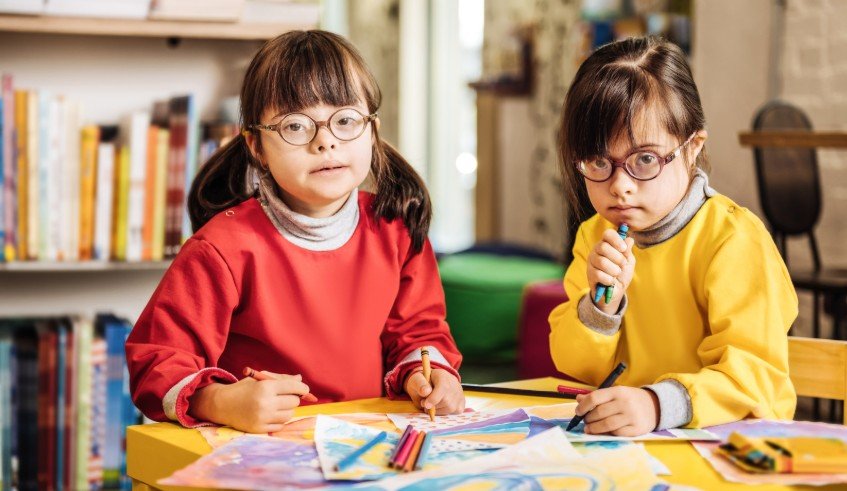
Twins with Down Syndrome are incredibly rare—have you ever wondered how often it happens? Can both twins be affected, or just one? If you’re curious about the genetic and medical details behind twin pregnancies with Down Syndrome, you’re not alone.
Studies show that when twins are diagnosed with Down Syndrome, it’s more common for just one twin to be affected. The condition occurs in about 1 in 700 births, but twin cases with both having Down Syndrome are far less frequent. Experts like Dr. Brian Skotko, a leading Down Syndrome researcher, note that each twin’s development can differ greatly—even in shared pregnancies.
But rarity doesn’t mean impossibility. These unique cases offer insight into genetics, prenatal care, and early intervention strategies. So, let’s explore what makes twin pregnancies with Down Syndrome so fascinating—and what families can expect on their journey.
How Rare Are Twins with Down Syndrome?
Is Down syndrome common in twins? Twins are already an extraordinary phenomenon. Identical twins, in particular, are even rarer than fraternal twins, occurring in approximately 3.5 out of every 1,000 births. However, when Down Syndrome is involved, the rarity increases even more. Down Syndrome itself occurs in about 1 in 700 live births across all populations, but the likelihood of both twins being affected by the condition is significantly lower.
Identical twins are created from a single fertilized egg that splits into two embryos. As both twins share the same genetic material, if one twin has Down Syndrome, the other will likely also have it. However, due to the rarity of Down Syndrome in general, the occurrence of both twins being diagnosed with Down Syndrome is very uncommon.
Research shows that the overall chance of identical twins being born with Down Syndrome is somewhere between 1 in 200,000 and 1 in 400,000 pregnancies. This statistic suggests that while the occurrence is very low, it is not entirely impossible. The most common form of Down Syndrome, Trisomy 21, involves an extra chromosome 21, and in the case of identical twins, both babies would need to inherit this condition for both to be diagnosed.
Observed Rate of Down Syndrome in Twin Pregnancies
Down Syndrome rates in twin pregnancies are generally studied in the context of both identical and fraternal twins. Studies indicate that twin pregnancies overall have a slightly higher chance of having a children with down syndrome compared to singleton pregnancies, though the difference is marginal.
In twin pregnancies, the rate of Down Syndrome is observed to be approximately 2-3 times higher than in single-birth pregnancies. This is partly due to the fact that women who conceive twins are typically older, and advanced maternal age is a known risk factor for Down Syndrome. With twin pregnancies, particularly those involving women over the age of 35, the rate of Down Syndrome can rise, but it still remains relatively low overall.
When examining fraternal twins, where each baby comes from a separate egg and sperm, the odds are slightly more complicated. Fraternal twins do not share identical genetic material, so if one twin has Down Syndrome, the other does not automatically inherit the condition. The occurrence of Down Syndrome in fraternal twins is more in line with the general population’s risk of 1 in 700.
For identical twins, however, the chances of both twins having Down Syndrome are dependent on the underlying genetic factors and whether the parents carry specific genetic markers or have certain medical conditions that increase the likelihood of chromosomal abnormalities. Although no definitive answer exists for the exact rate of Down Syndrome in identical twins, studies estimate that the occurrence is about 1 in 100,000 to 1 in 200,000 pregnancies.
Odds of Having Baby Twins with Down Syndrome
The probability of having twins with DS involves various factors that increase or decrease the risk, including maternal age, family history, and environmental influences. For women over the age of 35, the likelihood to gave birth to twins rises, and so does the risk of having a baby with Down Syndrome. In fact, women who are older than 40 are at a significantly higher risk of conceiving twins, and the rate of Down Syndrome for twins born to older mothers increases proportionally.
However, the odds of having twins with Down Syndrome do not rise simply due to age alone. The combination of factors including advanced maternal age, genetic predisposition, and the nature of twin pregnancies makes the occurrence of identical down’s syndrome twins exceptionally rare. The statistical risk of identical twins having Down Syndrome can be better understood by considering the genetic mechanisms at play.
In the case of assisted reproductive technologies (ART) such as in vitro fertilization (IVF), the likelihood of having twins and the risk of genetic conditions like Down Syndrome can be increased. ART pregnancies often result in multiple births due to the use of multiple embryos, and older mothers who use IVF may also face a higher prevalence and risk of chromosomal abnormalities, including Down Syndrome.
The specific genetic factors that contribute to Down Syndrome in identical twins are still being studied, and scientists are exploring the role of genetic mutations and inheritance patterns. While the overall chances are rare, the possibility remains for both twins to inherit the extra chromosome 21 that leads to Trisomy 21, which is the most common cause of Down Syndrome.
Commonly Asked Questions about Down Syndrome and Twins (FAQs)
Can one twin be born with down syndrome?
Yes, one twin can have Down syndrome (Trisomy 21) while the other doesn’t, due to genetic differences in early development. Testing confirms individual diagnoses.
Can i have twins with down syndrome?
Yes, twins with Down syndrome are possible, though rare. Fertility treatments increase the risk of twins and multiple births, which may also raise the chance of chromosomal conditions.
What are the chances of having twins with down syndrome?
Twin gestations have a slightly higher chance of Down syndrome (~1 in 700 per baby). If one sibling has it, the other may not—disability risk depends on zygosity (identical/fraternal).
What are the odds of having twins with down syndrome?
The odds of twins with Down syndrome are ~1 in 700 per baby, similar to singletons. Identical twins share the diagnosis; fraternal twins may not. Age raises risks.
If one twin has down syndrome will the other?
If one identical twin has Down syndrome, the other has a higher chance of being affected, but it’s not guaranteed. For fraternal twins, the likelihood remains low, with one affected, rate of 1 or 2, million births.
What is Down Syndrome and how does it affect twins?
Down Syndrome, also known as Trisomy 21, is a genetic condition caused by the presence of an extra chromosome. In twins, the incidence of Down Syndrome is similar to that in single births, but the zygosity of the twins can influence the likelihood. Identical twins with Down Syndrome can share the same genetic markers, while fraternal twins may have different genetic backgrounds.
What are the common health issues associated with twins born with Down Syndrome?
Twins with Down Syndrome can face various health challenges, including congenital heart defects such as AVSD (Atrioventricular Septal Defect) and other birth defects. These health issues may require ongoing medical care, including possible surgeries, speech therapy, and regular monitoring to ensure their development is on track.
How does increasing maternal age relate to the prevalence of Down Syndrome in twins?
Studies indicate that the risk of having a child with Down Syndrome increases with maternal age. Women who are older at the time of conception may have a higher likelihood of having twins, including twins with Down Syndrome. This correlation emphasizes the importance of prenatal counseling for mothers of twins.
Is there a difference in parenting twins with Down Syndrome compared to typical twins?
Parenting twins with Down Syndrome may involve additional considerations, such as addressing their special needs and ensuring they receive appropriate therapies. While the fundamental aspects of parenting remain similar, parents might find themselves navigating health issues and developmental milestones more closely for their children.
What resources are available for families with twins affected by Down Syndrome?
Families with twins affected by Down Syndrome can access a variety of resources, including support groups, educational materials, and counseling services. Organizations dedicated to Down Syndrome advocacy provide tools for early intervention, speech therapy options, and community connections to help parents navigate the unique challenges they may face.
Can twins with Down Syndrome communicate effectively?
Many twins with Down Syndrome can learn to communicate effectively through various means, including sign language. Speech therapy is often recommended to help improve their communication skills and social interactions, allowing them to express their needs and connect with others more easily.
Is it possible to have twins one with down syndrome one without?
Yes, it is possible to have twins, one with Down syndrome and one without. This can occur with fraternal twins, where each twin develops independently, resulting in different genetic outcomes and conditions, including Down syndrome for one.
Can I have twin daughters with down sundrome?
Twin daughters with Down syndrome are possible, though rare (~1 in 700 per baby). Identical twins share the diagnosis; fraternal twins may not. Genetic testing can confirm prenatally.
Conclusion
The chances of identical twin with Down Syndrome are extremely rare but not impossible. While Down Syndrome itself affects approximately 1 in 700 live births, the occurrence of both twins being affected by this genetic condition is much less frequent. Factors such as maternal age, the use of fertility treatments, and genetic predispositions can increase the chances of conceiving twins, but the likelihood of both twins being diagnosed with Down Syndrome remains very low, with an estimated rate of 1 in 200,000 to 1 in 400,000 pregnancies.
In twin pregnancies, the rate of Down Syndrome can be slightly higher than in single pregnancies, though it is still rare. Understanding the odds, the genetic factors, and the overall rarity of identical Down Syndrome twins is important for parents who may be expecting twins or who are managing a pregnancy involving this genetic condition.
For families expecting twins, it is essential to consult with a healthcare provider to understand the full range of possibilities and prepare for any potential challenges. While the chances of having Down syndrome twins are slim, the experience of raising children with special needs requires knowledge, preparation, and an understanding of the unique medical, emotional, and developmental aspects involved.
By understanding these key facts about the chances of having identical twins with Down Syndrome, parents and families can approach their pregnancy with greater awareness and readiness, empowering them to provide the best care and support for their children.
Recommended posts
- Down Syndrome hCG Levels by Week: Screening Risk Indicators
- Can NIPT Test Be Wrong for Down Syndrome? Accuracy Explained
- Down Syndrome Developmental Milestones (Tracking Progress)
- National Down Syndrome Awareness Month (Celebrate & Support)
- Are Down’s Syndrome People Sterile? (The Shocking Truth)