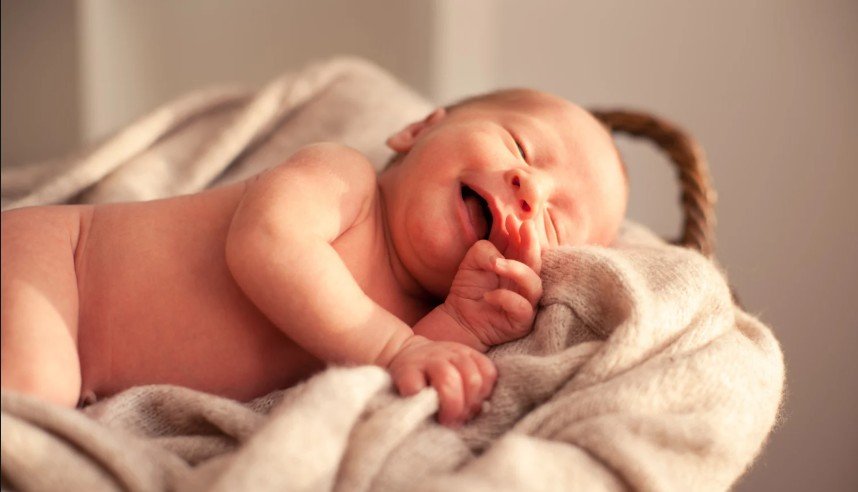
Why your newborn giggles in sleep? Ever noticed your baby smiling or giggling while sound asleep and wondered why? Is it a sign of sweet dreams or something deeper happening in that tiny brain? Let’s explore what really lies behind those sleepy smiles and why they’re more fascinating than you think.
These sleep giggles aren’t just adorable—they’re early signs of brain development and emotional growth. According to pediatric neurologists, newborns often smile during REM sleep, the stage linked to dreaming and memory processing. Some studies also suggest it’s a reflex linked to early social bonding and emotional expression.
But there’s more than meets the eye when it comes to baby sleep behavior. Dr. Charles P. Nelson, a child development expert from Harvard, emphasizes the importance of observing sleep cues for insights into infant well-being. So, let’s uncover the tiny mysteries behind those dreamy giggles that melt every parent’s heart!
Is This Normal for Newborn Laughing in Their Sleep?
Many new parents may be surprised to hear their newborn giggle or laugh during sleep. This behavior is generally considered normal and is often a part of the baby’s sleep physiology.
As newborns progress through different stages of sleep, especially during rapid eye movement (REM) sleep, they may exhibit laughter or smiles. This stage is crucial for brain development and is when dreaming occurs.
It’s important to note that while it may seem unusual for a week old baby to laugh while sleeping, it’s a common occurrence that signifies a healthy sleep cycle. As you observe your little one, you might notice that newborn sleep smiles are often accompanied by other movements such as twitching or facial expressions. These actions can be attributed to various stimuli, including dreams.
Newborns spend a considerable amount of time in active sleep, which facilitates brain development and emotional processing. Thus, if your baby laughs in their sleep, it’s typically a sign that everything is functioning as it should. Understanding this can provide reassurance to parents about their newborn’s well-being.
Why Do your Newborn Giggles in Sleep?
Why do newborns laugh in their sleep? The exact reasons why newborns giggle during sleep are still a subject of research, but several theories exist. One possibility is that babies dream, much like adults do, and the giggles could be a response to pleasant dream experiences.
Studies suggest that babies start dreaming as early as in the womb, and those dreams can evoke laughter. Additionally, the neurological development occurring during sleep may trigger spontaneous laughter or smiles.
Another explanation is tied to the natural sleep cycle of infants. Newborns experience different stages of sleep, including light sleep and deep sleep, with active sleep being particularly rich in brain activity. During this active sleep phase, a baby may smile or laugh, reflecting the joy or happiness associated with their dreams or subconscious experiences.
Understanding these reasons can help parents appreciate the wonder of their baby’s sleep habits and the rich inner world that exists even during slumber.
Secret Reasons Behind your Baby is Laughing in Sleep
The secrets behind why your baby laughs in their sleep lie in their developing brain and the unique sleep cycles that characterize infancy. Babies have distinct sleep stages, including deep sleep and REM sleep, where most dreaming occurs.
During REM sleep, the brain is highly active, and this is when laughter or giggles may manifest as a response to dreams or simply as a byproduct of neural activity. This behavior can often be mistaken for a sleep disorder, but in reality, it’s a normal part of sleep physiology.
Moreover, it’s essential to recognize that laughter during sleep can also happen when babies experience light sleep, where they may transition between sleep stages. During these transitions, it is not uncommon for a baby to smile or even giggle, as their brain processes the day’s events.
These moments provide a glimpse into the emotional and cognitive development of your little one, emphasizing that their laughter is a sign of healthy growth and exploration, even while they are asleep.
Babies and Sleep Cycles
Understanding babies and their sleep cycles is crucial for parents seeking to promote better sleep habits. Newborns typically cycle through stages of sleep every 50 to 60 minutes, moving between light sleep, deep sleep, and rapid eye movement sleep.
In the early weeks, a baby may spend a significant amount of time in active sleep, which is essential for brain development and memory consolidation. During this active sleep phase, parents may observe giggles, smiles and laughter, or even movements that reflect the baby’s engagement with their dreams.
As babies grow, their sleep cycles gradually mature, resulting in longer periods of deep sleep and less frequent awakenings. This evolution is essential for their overall health and well-being.
Understanding these sleep stages can help parents create a conducive environment for their newborn’s sleep, allowing them to experience the restful and restorative sleep necessary for their growth. By fostering healthy sleep patterns, parents can enhance their baby’s laughter during sleep, leading to more joyful experiences for both parent and child.
How Can I Help my Newborn Sleep Better?
To help your newborn sleep better, it’s essential to establish a soothing bedtime routine that encourages relaxation and comfort. Creating a calming environment can significantly impact your baby’s ability to fall asleep and remain asleep.
Techniques such as dimming the lights, playing soft music, or using white noise machines can create a tranquil atmosphere conducive to sleep. Additionally, maintaining a consistent sleep schedule allows your little one to understand when it’s time to sleep, enhancing their overall sleep quality.
Another crucial aspect is to ensure that your baby is comfortable. This includes dressing your newborn in breathable clothing, using a firm mattress, and ensuring the room is at a comfortable temperature.
Regular swaddling can also be beneficial for newborns, as it mimics the snugness of the womb and can help prevent startling movements that might disrupt their sleep.
By taking these steps, parents can create an environment that supports healthy sleep cycles, thereby increasing the likelihood of delightful giggles during those precious sleep moments.
When to Talk to a Pediatrician If Your Newborn Seems to Laugh While Sleeping
While laughing in their sleep is typically a normal behavior for newborns, there are instances when it’s advisable to consult a pediatrician. If your baby seems to be laughing during sleep but also exhibits signs of distress, such as crying or unusual movements, it may warrant a discussion with your doctor.
Additionally, if the laughter is accompanied by other concerning symptoms, such as difficulty breathing, excessive sleepiness, or failure to thrive, these may indicate underlying issues that require professional evaluation.
It’s also important to differentiate between normal sleep laughter and potential sleep disorders. For example, REM sleep behavior disorder can cause abnormal movements or vocalizations during sleep.
If you notice your baby frequently laughing or crying in their sleep without apparent reason, it’s best to seek advice from a pediatrician. Early intervention can ensure that any potential sleep issues are addressed promptly, allowing your little one to enjoy peaceful and healthy sleep cycles.
Commonly Asked Questions about Baby Laughing and smiling in sleep FAQs
Is this common for a newborn baby to laugh and smile in sleep?
Why do infants smile in their sleep? Yes, it’s common to see smiling and laughing during baby sleep. If you notice that your baby starts to laugh out loud, it’s usually part of normal brain development.
Should you be concerned if your baby smiles while sleeping?
When Sleep Laughing is a Cause for Concern? No, there’s no need to worry. Babies smile in their sleep as a natural reflex, often during deeper sleep stages, and it’s a normal part of early development.
Why might your baby not laugh yet?
If your baby hasn’t had their first laugh yet, don’t worry. Newborn baby laughing in sleep comes first—babies usually learn to laugh or smile socially between 6 to 12 weeks.
Why do the Newborns Laughing in Active Sleep?
Newborns may laugh in active sleep because as a baby is falling asleep, their brain develops and they can make involuntary movements, including facial expressions like smiling or laughing.
Sleep Laughing and Smiling in Babies Conclusion
SO, why do newborns smile in their sleep? In conclusion, the phenomenon of newborn giggles and laughter during sleep is a fascinating aspect of infant development. It is a sign of healthy brain activity and emotional processing that occurs during different sleep stages. Parents can take comfort in knowing that their little ones are likely engaging in joyful dreams or simply responding to the natural rhythms of sleep. By understanding the intricacies of baby sleep cycles and employing strategies to support better sleep, parents can enhance their baby’s overall sleep experience and encourage more giggles while they sleep.
Ultimately, observing your newborn’s laughter is not just an endearing moment; it is a glimpse into the complex world of a developing brain. By fostering an environment that promotes healthy sleep habits, parents can contribute positively to their baby’s emotional and neurological growth. So, embrace those delightful giggles; they are a testament to the wonder of your little one’s journey through sleep and dreams.
Recommended posts
- Why Newborn Sleeps with Mouth Open: (Causes & Solutions)
- What Should a Newborn Wear to Sleep? Tips for Swaddling Baby
- Infant Fights Sleep? Tips to Help Your Baby Rest Better
- How to Dress Your Baby for Sleep (for Every Season)
- Is It Ok Chest to Chest Sleeping Newborn (Pros & Cons)