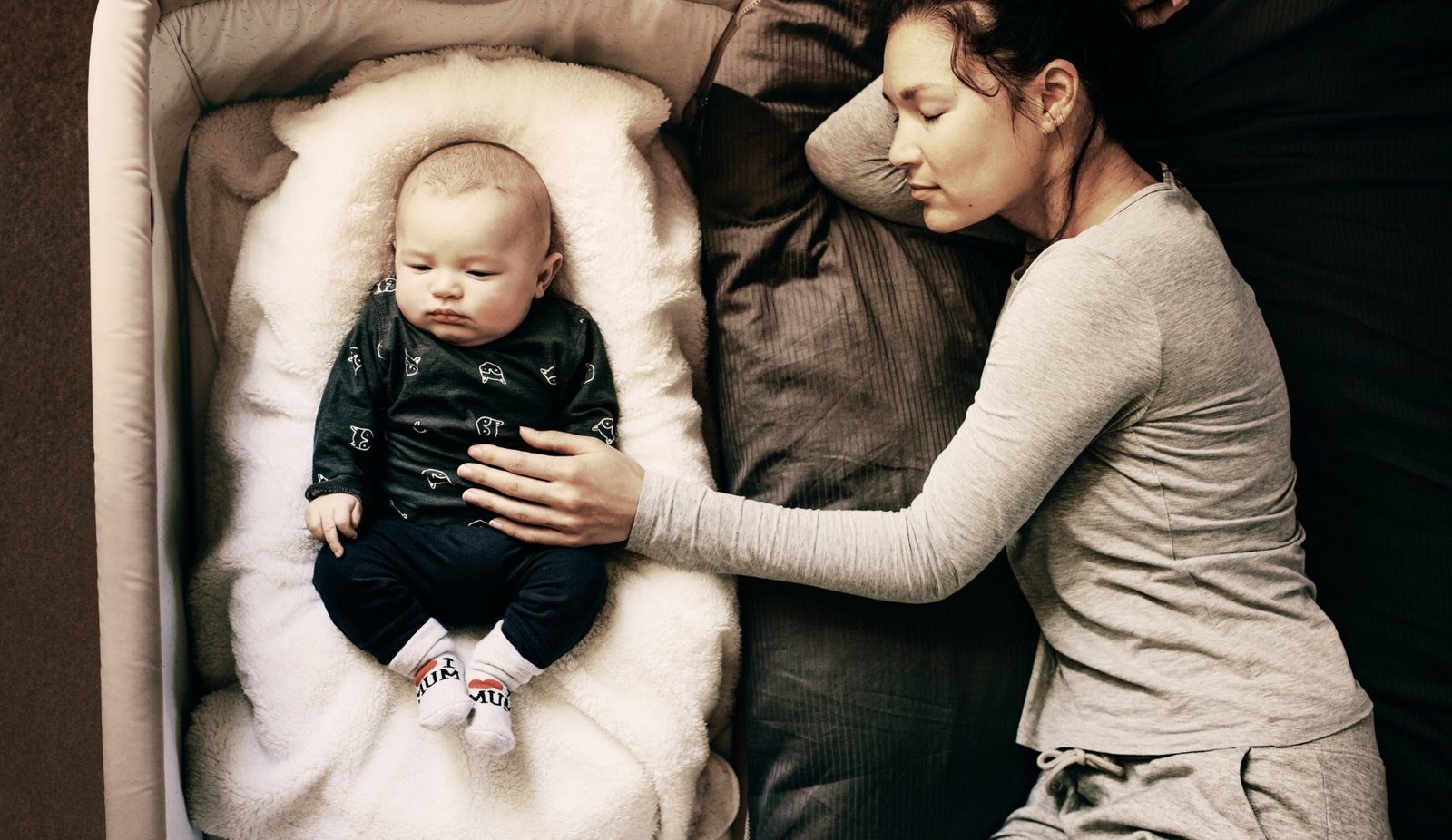
Ever noticed your baby grunting in sleep and wondered if it’s something to worry about? It can sound strange—almost like they’re struggling—but is it really a sign of discomfort or illness? Baby grunting in sleep is more common than you might think, especially in newborns. So, what does it actually mean?
Grunting during sleep often comes from a baby’s developing digestive system and immature breathing patterns.
In most cases, it’s harmless and a natural part of growth. Pediatric experts like Dr. Harvey Karp assure parents that it’s usually not a cause for alarm unless paired with other symptoms like fever or breathing difficulty.

But what if the grunting doesn’t stop or gets louder? Is there a point when you should consult a pediatrician? We’ll break it all down with insights from trusted child health specialists. Let’s explore what’s really going on when your little one sounds like a tiny, sleepy bear.
Why do Baby Grunting in Sleep: Causes of Grunting and Squirming
Why do newborns grunt in their sleep? It’s totally normal for new parents to feel a little on edge when they hear their baby making odd noises in their sleep—especially grunting or squirming. While it may seem concerning, in most cases, these sounds are completely harmless. Let’s break down the common reasons why do infants grunt in their sleep.
1. Immature Digestive System
Babies, especially newborns, have developing digestive systems. They often grunt as they work to pass gas or have a bowel movement. This is sometimes referred to as Grunting Baby Syndrome (GBS), where babies grunt due to uncoordinated abdominal muscles trying to push stool out.
2. Sleep Cycles and REM Sleep
Newborns spend a lot of time in REM sleep, which is a lighter sleep stage. During REM, babies may twitch, squirm, smile, frown, or make various sounds—including grunts. This is completely normal and a sign that their brains are developing properly.
3. Learning to Breathe
Infants are still mastering the rhythm of breathing. They may breathe irregularly or grunt slightly during sleep as they adjust to breathing through their noses. This usually resolves as their respiratory system matures.
4. Gas or Discomfort
Babies often swallow air during feeding, which can lead to gas buildup. If they’re feeling bloated or gassy, they may grunt or move around in discomfort while trying to relieve it.
5. Pooping
Sometimes, grunting can signal that your baby is trying to poop. They may not yet know how to coordinate their muscles to do so efficiently, which can result in a lot of noise and effort—even if they’re not constipated.
6. Nasal Congestion
Newborns are obligate nose breathers, meaning they prefer breathing through their noses. If their noses are even slightly congested (common in babies), they may grunt or make snorting noises as they breathe during sleep.
When Should You Be Concerned about Baby Grunts While Sleeping?
Grunting during sleep is typically not a cause for concern. However, you should contact your pediatrician if you notice:
- Grunting combined with blue lips, pale skin, or difficulty breathing
- Grunting that continues even when the baby is awake
- Signs of constipation or pain
- Poor weight gain or feeding difficulties
However, if your baby grunts while sleeping and shows signs of distress, such as excessive fussiness or difficulty breathing, it’s important to consult your pediatrician. They can help determine whether the grunting is related to a medical condition like reflux or if it’s just a part of your baby’s natural sleep sounds.
Additionally, if the grunting is accompanied by abnormal sleep patterns or poor feeding habits, these could be signs of underlying issues that should be addressed.
Keeping track of your baby’s sleep rhythms and behaviors can be beneficial when discussing concerns with your pediatrician. Overall, understanding that grunting is often a normal aspect of newborn sleep can provide peace of mind for new parents.
Newborns Grunting in Their Sleep Recap & Next Steps
In summary, newborn grunting during sleep is typically a normal behavior associated with their developing digestive system and sleep patterns. As your little one grows, these sounds are likely to diminish as their body matures and adapts to the various stages of sleep.
If you’re noticing that your baby grunts while sleeping, it’s essential to observe any accompanying symptoms that could indicate discomfort or medical issues.
Next steps for parents include ensuring a comfortable sleep environment for your noisy sleeper, positioning them safely on their back to promote better breathing, and monitoring their feeding habits.
It might also be beneficial to consult with your pediatrician for advice tailored to your baby’s specific needs. By staying informed and proactive, you can help your baby transition into a more peaceful sleep experience.
When Typical Baby Grunting and Other Sleep Sounds Keep You Awake
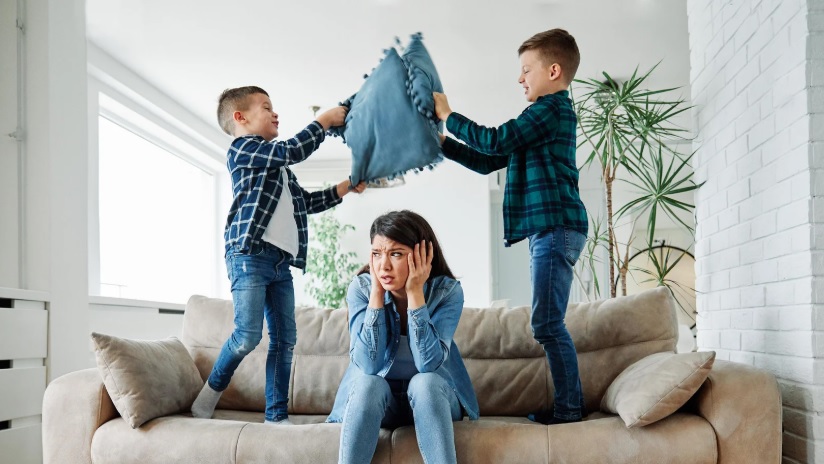
It’s not uncommon for new parents to find themselves awake throughout the night due to their baby’s grunting and other sleep sounds. While these noises are typical of newborn sleep, they can disrupt a parent’s sleep cycle.
Understanding the various sleep stages your baby goes through can help you differentiate between normal sounds and those that may require attention. For instance, during light sleep, your baby may make more noise, while deep sleep may be quieter.
To cope with these interruptions, consider creating a conducive sleep environment for both you and your baby. White noise machines or soft lullabies can help mask the sounds, allowing you to sleep more soundly.
Additionally, establishing a consistent bedtime routine can help your little one settle into a more predictable sleep pattern, ultimately reducing the frequency of grunting and other disturbances throughout the night.
What are Common Sleep Sounds that Newborns Make?
Newborn sleep sounds can vary widely, ranging from grunting to gurgling and even light wheezing. These noises often result from the natural reflexes of a developing infant and their immature respiratory system.
Grunting is typically associated with bowel movements or gas, while gurgling may indicate that your baby is transitioning through sleep stages or processing food in their digestive system. Occasionally, babies may also produce sounds related to nasal congestion, as their nasal passages are still developing.
Understanding these common sleep sounds can help new parents feel more at ease, knowing that their little one is simply navigating the complexities of sleep.
Most of these noises will diminish as the infant matures, but being aware of them allows you to differentiate between normal sounds and those that may need further examination from a pediatrician. Overall, the myriad of baby sleep sounds is part of the fascinating journey of early parenthood.
When Do babies stop making sleep noises?
Many parents wonder when their babies will stop making sleep noises altogether. Typically, as infants grow and their nervous systems mature, the frequency and intensity of sleep sounds, like grunting and squirming, begin to decrease.
Most newborn babies will significantly reduce these noises by the time they reach 6 to 12 months of age, as their digestive and respiratory systems become more developed. However, it’s essential to remember that some noise is still normal, as every child is unique.
Factors such as sleep cycles and individual temperament can influence how much noise your baby makes during sleep. Even as they grow, some children may remain more vocal in their sleep than others.
It’s crucial for parents to understand that occasional grunting or other noises are generally part of normal sleep behavior and do not always indicate discomfort. Maintaining a calm atmosphere during sleep can help both parents and babies achieve a more restful night.
How to Help your Baby Sleep Better: (sleep tips)
Helping your baby sleep better involves creating a conducive sleep environment and establishing active sleep habits. Start by ensuring that your little one sleeps in a safe and comfortable space, free from distractions and excessive noise.
A consistent bedtime routine can signal to your baby that it’s time to wind down, promoting relaxation and better sleep. Techniques like swaddling or using a pacifier may also provide comfort and reduce sleep noises.
Additionally, be mindful of your baby’s feeding patterns, as a full tummy can contribute to longer sleep stretches. Positioning your baby on their back to sleep is recommended by the American Academy of Pediatrics to ensure safety and promote better breathing.
Lastly, consider incorporating gentle soothing techniques, such as rocking or singing, to help your little one sleep better minimizing grunting and disturbances throughout the night.
Tips to Help Your Baby Sleep More Comfortably
- Burp them well after feeding to reduce gas
- Try bicycle leg exercises to help relieve gas
- Make sure their sleep environment is calm and safe
- Elevate the head of the crib slightly (with doctor approval) if congestion is an issue
Grunting and squirming are typically just part of your baby adjusting to life outside the womb. As long as your baby is eating well, growing, and generally content when awake, those nighttime sounds are probably just another adorable part of babyhood.
Commonly Asked Questions about Reasons of Baby Grunts in Sleep (FAQs)
Why Is My Newborn Grunting and Squirming While Sleeping?
Newborns grunt and squirm while sleeping due to immature digestive systems, gas, or adjusting to life outside the womb. It’s usually normal but consult a doctor if concerned.
When to Worry About Sounds Like Baby Grunting During Sleep?
Worry if grunting is accompanied by fever, irregular breathing, bluish skin, or poor feeding. Otherwise, occasional grunting is normal as newborns adjust to breathing and digestion.
Should you be concerned about your baby grunting in their sleep?
Grunting during sleep is normal for newborns adjusting to breathing and digestion. Seek medical help if it’s persistent, accompanied by labored breathing, fever, or poor feeding.
When Do babies sleep sounds stop?
Baby sleep sounds (grunting, squirming) usually decrease by 3–6 months as their digestive and respiratory systems mature. Most outgrow it by 6–12 months. Consult a doctor if concerns persist.
Why do newborns grunt so much in their sleep?
Baby grunts while sleeping due to immature digestive systems and reflexes. Grunting helps them pass gas and adjust to feeding, often signaling comfort or a need for attention. Certain infants experience acid reflux, which may lead to gurgling and grunting noises while they digest food.
Conclusion
Why do babies grunt in their sleep? In conclusion, baby grunting in sleep is a common occurrence that often reflects the natural processes of a developing infant. While it can be concerning for new parents, understanding the reasons behind these sounds can help alleviate worries. By creating a supportive sleep environment and being aware of your baby’s needs, you can promote better sleep for both you and your little one. Remember that as your baby grows, these noises will likely diminish, and you will both find a rhythm to your nightly routines, leading to more peaceful nights ahead.
Recommended posts
- Can You Overfeed a Newborn: Important Facts & Parents Advice
- New born Stomach Size: Essential Breastfeeding Tips for Moms
- Is It Ok Chest to Chest Sleeping Newborn (Pros & Cons)
- Is It Safe for Newborn Sleeping on a Pillow? (Expert Advice)
- Reasons Newborn Baby Spit Bubbles While Sleeping (What to Do!)
- Is It OK If Newborn Rolls to their Side While Sleeping? Safety Tip
- Can a Newborn Sleep with a Pacifier: (Safety Tips for Parents)
- Why Do Newborns Make Noises in Their Sleep: Comfort Tips