
When to start solid foods often becomes the biggest question for new parents, and it can feel both exciting and overwhelming at the same time. Are you wondering how to know the right moment to introduce that very first spoonful? Every baby grows at their own rhythm, so this decision matters more than many parents realize.
Most babies start eating solid foods around six months when they can sit with support, control their head, and show interest in what you’re eating. At this point, their digestive system becomes mature enough to handle more than milk. Starting solids too early or too late can affect nutrition, growth, and long-term feeding skills.
Knowing the right timing helps you feel confident as your baby steps into this new chapter. The journey becomes smoother when you understand the signs, the best first foods, and the role each texture plays. Let’s dive into what experts recommend and how you can make this transition enjoyable for your little one.
When Do We Start Feeding Infants Solid Foods?
When to Start Solids? Introducing solid foods is a major milestone that many parents look forward to with excitement and curiosity. You might wonder When to Introduce Solid Foods, and when your baby is truly ready to take that first spoonful. This stage doesn’t just add flavor to their diet—it builds the foundation for healthy eating habits.
Most pediatricians recommend starting solid foods around six months of age. At this stage, babies typically show signs of readiness, such as good head and neck control, the ability to sit up without support, and showing interest in food during mealtime.
It’s essential to recognize when to start introducing solids; starting solids too early, before four months, can lead to digestive issues and increase the risk of allergies.
The American Academy of Pediatrics (AAP) emphasizes that every child is different. While some babies may be ready a bit earlier, some may not show interest until later. Always consult with your pediatrician to determine the best timing for your infant’s unique needs.
Signs Your Baby is Ready for Solids
- Physical readiness: Your baby can sit up with minimal support and has good control of head and neck movements.
- Curiosity about food: Your baby watches you eat with great interest and reaches out for your food.
- Diminished tongue-thrust reflex: This reflex enables infants to suck rather than chew, which is necessary for drinking liquids. As the reflex fades, they can start to process solid foods more effectively.
What Foods to Introduce First?
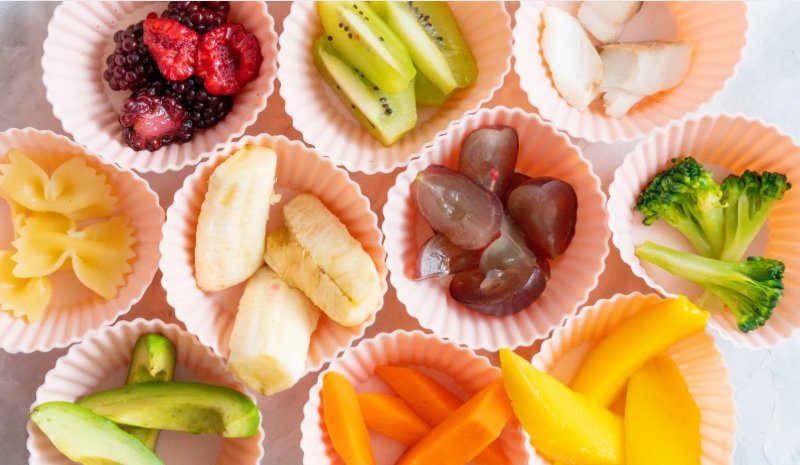
The first foods you introduce can set the tone for your baby’s eating habits for years to come. Opt for iron-rich foods, as babies’ iron stores begin to deplete around six months. Here are some excellent options to consider:
- Iron-fortified cereals: Rice or oatmeal cereals mixed with breast milk or formula make for a familiar flavor.
- Vegetables: Start with mild options like sweet potatoes, carrots, or peas. Pureeing is a common method for introducing these foods.
- Fruits: Apples, pears, and bananas can be served as purees, offering natural sweetness and essential nutrients.
- Proteins: Pureed meats like chicken, turkey, and fish can be introduced around the same time to boost iron intake.
- Legumes: Pureed lentils or beans are also fantastic sources of protein and fiber.
What to Avoid in the Beginning
Certain foods should be avoided in the early stages of introducing solids, including honey (due to botulism risk), nuts (choking hazard), and any foods that may trigger allergies beyond what has been discussed with your pediatrician.
Do’s and Don’ts for Baby’s First Foods
Navigating the first foods journey requires a blend of knowledge and vigilance. Here’s a quick-reference table followed by detailed explanations.
| Do’s | Don’ts |
|---|---|
| DO introduce common allergens early and consistently (after medical okay). | DON’T introduce solids before 4 months of age. |
| DO ensure baby is seated upright in a high chair. | DON’T put cereal in a bottle unless medically directed. |
| DO offer sips of water in a sippy cup with meals. | DON’T give honey or unpasteurized foods before age 1. |
| DO cook and soften hard fruits/vegetables. | DON’T offer choking hazards (whole nuts, popcorn, hard candies). |
| DO cut food into safe, long finger-shaped strips for BLW. | DON’T force-feed or show stress during mealtimes. |
| DO let baby explore textures and make a mess. | DON’T replace breast milk/formula as the primary nutrition source. |
Critical Allergen Introduction: Current research strongly suggests that early introduction of common allergenic foods (like peanut butter, egg, dairy, soy, wheat, tree nuts, fish, and shellfish) may help prevent food allergies. After introducing a few less-allergenic foods successfully, discuss a plan with your pediatrician to introduce these. For example, mix a tiny amount of smooth peanut butter with breast milk or offer a well-cooked scrambled egg.
Choking Prevention is Paramount: Always supervise meals. Ensure food is soft enough to mash between your fingers. When starting your baby on solids, avoid hard, or sticky foods. Learn the difference between gagging (a normal, safety reflex as babies learn) and choking (silent and dangerous).
Creating Positive Mealtime Habits: Keep mealtimes relaxed and follow your baby’s cues for hunger and fullness. “Food before one is just for fun” isn’t entirely true nutritionally, but it highlights that exploration and learning are primary goals. Let your baby touch, smell, and play with food—this is how they learn.
What Changes Can You Expect after Baby Starts Solids?
Introducing solid foods marks a significant transition in your baby’s development. Expect to see:
- Improved coordination: Your baby will begin to develop their hand-eye coordination and may start picking up food and self-feeding.
- Changes in bowel movements: As their diet changes, so will their stool consistency and frequency.
- Increased interest in family meals: Your little one may express eagerness to join family meals, indicating a newfound curiosity about food.
Behavioral Changes
Babies may also exhibit more independence as they sample new foods, which can lead to both delightful and challenging moments. It’s important to embrace this curiosity while maintaining a safe eating environment.
Potential Risks of Early Introduction of Solids
While starting solid foods is a delightful milestone, there are risks associated with beginning solids too early. Consider the following:
- Increased risk of allergies: Introducing solids before four months may heighten the chances of food allergies later in life. Consult your pediatrician for guidelines specific to allergy-prone foods.
- Choking hazards: Babies do not yet have the chewing skills required for certain solid foods. Smooth purees should be the first step before introducing more complex textures.
- Nutritional imbalance: If solids are introduced too soon or in place of breast milk/formula, your baby may not receive crucial nutrients necessary for growth and development.
Recognizing Signs of Trouble
Watch for signs such as rashes or gastrointestinal upsets after introducing new foods. Immediate consultation with a pediatrician is essential to address concerns and modify dietary introductions.
Commonly Asked Questions about When to Start Solid Foods Safely (FAQs)
When can I give my baby finger foods?
When to Introduce Solids? You can give your baby finger foods around 8 to 12 months, when they can sit and grasp items. Start with soft foods, as baby food options. This is part of the transition to baby solid foods.
How to introduce foods?
To introduce foods, start with single-grain baby cereal like rice cereal and gradually add new baby food options. Wait a few days between new foods to monitor for allergies, including peanut allergy symptoms, and ensure your baby enjoys eating solid foods.
Should I give my baby juice?
Juice is not recommended for babies under 1 year old. Instead, focus on baby cereal and other solid foods. When age-appropriate, choose 100% fruit juice and limit it to small amounts as part of a balanced diet.
How to know when a child is ready for foods other than breast milk or infant formula?
Signs include good head control, sitting up with support, and showing interest in baby food. Generally, babies are ready around 4 to 6 months, indicating they are prepared to start eating solid foods.
What are the important nutrients for infants and toddlers?
Important nutrients for infants and toddlers include iron, protein, vitamins A and C, and healthy fats. These can be found in foods like fortified infant cereals, fruits, and vegetables, ensuring your baby receives balanced nutrition as they transition to solid foods.
Can I start eating habits early?
Yes, establishing healthy eating habits early is beneficial. Introduce a variety of baby food options during solids to encourage diverse tastes and preferences. This sets a foundation for lifelong healthy eating behaviors for your baby.
Why is it important to establish good eating habits early in life?
Establishing good eating habits early promotes better health, reduces the risk of obesity, and encourages a balanced diet as your child matures. Early exposure to healthy baby solid foods can influence long-term preferences and nutritional choices.
Is it okay to feed a baby with a spoon?
Yes, it’s perfectly fine to feed your baby with a spoon once they start eating solid foods around 4 to 6 months. This method helps them learn coordination and develop skills necessary for self-feeding as they grow.
Conclusion
Knowing when to start solid foods is an important facet of your baby’s development. By clearly understanding the signs of readiness, choosing the right foods, adhering to best practices, and being mindful of potential risks, you can set the stage for a positive eating experience. Remember, this phase is not just about nutrition; it’s about creating a healthy relationship with food that will last a lifetime. Embrace the adventure of introducing solids, and enjoy watching your child explore the world of flavors and textures!
Recommended posts
- Top 10 First Weaning Foods for Babies (Safe Starter Options)
- Is it Too Early Starting Solids at 4 Months? Expert Guidance
- 5 Common Mistakes to Avoid When Introducing Solids to Baby
- What Solid Foods to Introduce at 6 Months (Ultimate List)
- When to Introduce Rice Cereal to Baby? (Safe Transition)
- Risky Foods to Avoid When Starting Solids (Do-Not-Feed List)
- 7 Genius Tips for Early Allergen Introduction (Tested & Proven)
- Is it Normal 6 Month Old Gagging on Puree? Here’s What to DO

