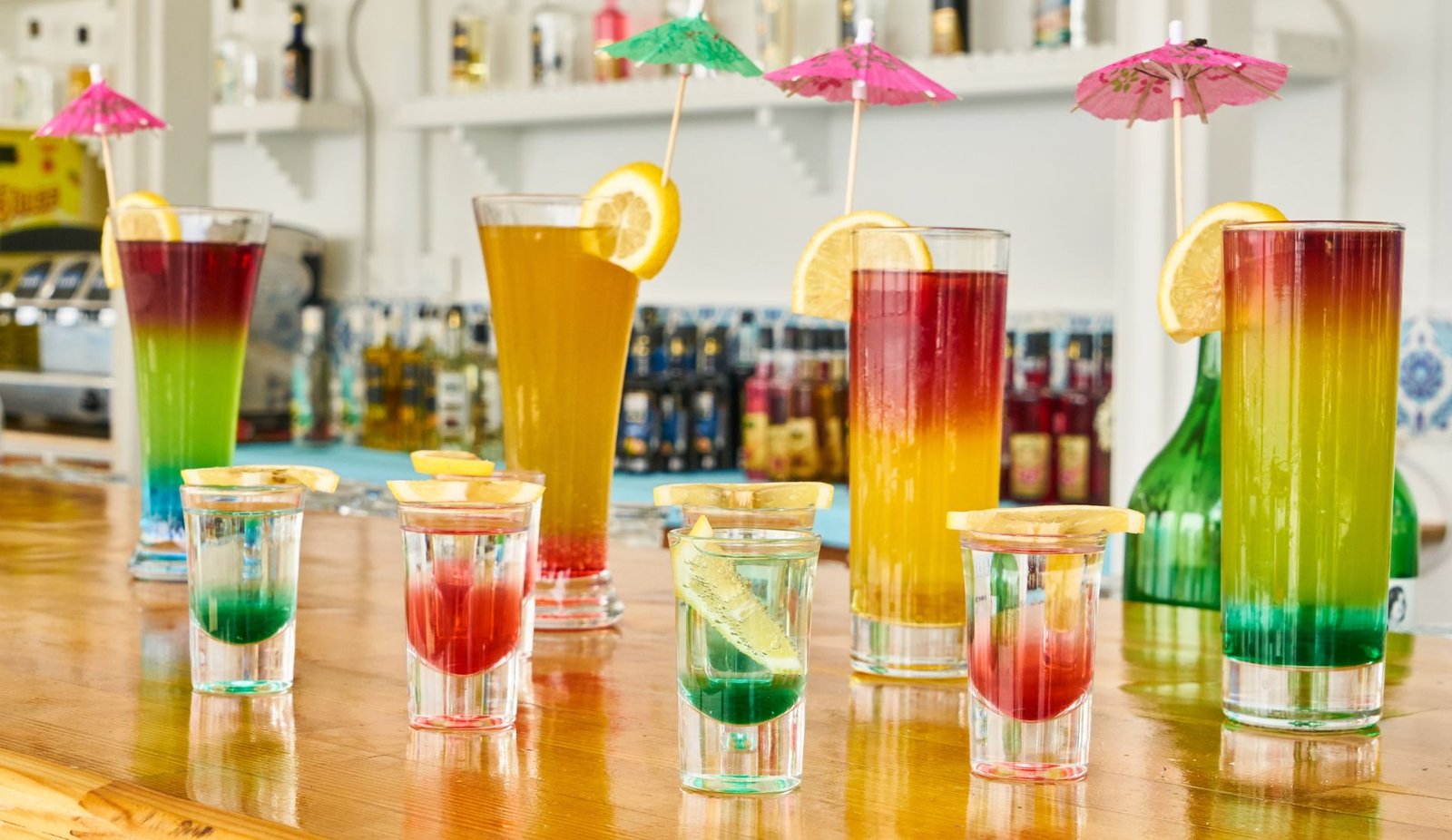
What to Drink to Increase Hemoglobin? Have you ever felt fatigued, dizzy, or weak and wondered if low hemoglobin could be the reason? Boosting hemoglobin isn’t only about food; the right drinks can play a vital role too. Let’s uncover how certain beverages can naturally enhance your blood health.
Fresh beetroot juice, pomegranate juice, and green smoothies rich in spinach and kale are excellent choices to raise hemoglobin. Iron-packed drinks like blackstrap molasses water and vitamin C-infused citrus juices help the body absorb iron more effectively. Even herbal teas like nettle tea and fenugreek water contribute to better blood formation.
But these are not the only proven options experts suggest. Dr. Michael Greger, a renowned physician and nutrition researcher, emphasizes the impact of plant-based drinks in supporting healthy hemoglobin levels. So, if you’re ready to discover delicious and effective ways to improve your blood health, let’s dive into the full list of power-packed drinks.
How does Vitamin C aid in Iron Absorption?
Vitamin C, also known as ascorbic acid, plays a pivotal role in enhancing the absorption of non-heme iron—the type of iron found in plant-based foods. Non-heme iron is less efficiently absorbed by the body compared to heme iron found in animal sources. This is where Vitamin C comes in.
When consumed alongside iron-rich foods or drinks, Vitamin C converts iron into a form that is easier for the body to absorb. For instance, adding citrus juice, tomatoes, or bell peppers to meals significantly boosts iron uptake.
Research suggests that Vitamin C can enhance iron absorption by up to six-fold, making it an essential nutrient for individuals struggling with low hemoglobin.
Moreover, Vitamin C not only aids in iron absorption but also supports overall immune function, collagen synthesis, and wound healing. Therefore, integrating Vitamin C-rich drinks with iron-rich beverages is a highly effective strategy for increasing hemoglobin levels naturally.
What to Drink to Increase Hemoglobin?
Increasing hemoglobin through drinks is both convenient and effective. Certain beverages are naturally high in iron, while others help your body absorb iron more efficiently. Here are some scientifically backed drinks to consider:
– Beetroot Juice
Beetroot juice is packed with iron, folate, and Vitamin C, making it an excellent option for boosting hemoglobin. Folate supports red blood cell formation, while iron directly contributes to hemoglobin production. Drinking fresh beetroot juice daily can help improve blood quality and oxygen transport.
– Pomegranate Juice
Pomegranate is rich in iron and antioxidants. Studies have shown that regular consumption of pomegranate juice can increase hemoglobin levels and improve red blood cell count. Its natural sweetness also makes it a preferred option for people who dislike the taste of other iron-rich drinks.
– Spinach and Green Leafy Vegetable Smoothies
Spinach, kale, and other leafy greens are iron-rich. When blended into a smoothie with fruits like oranges or strawberries, the Vitamin C content aids in iron absorption, making these smoothies an effective hemoglobin-boosting drink.
– Blackstrap Molasses Drink
Blackstrap molasses is a natural sweetener containing a high concentration of iron, calcium, magnesium, and potassium. A tablespoon of molasses in warm water or milk can be a powerful daily remedy for low hemoglobin.
– Carrot Juice
Carrots are rich in beta-carotene, which is essential for the production of red blood cells. Combined with an iron source, carrot juice can indirectly support hemoglobin formation while providing antioxidants for overall health.
– Citrus and Berry Infusions
Oranges, lemons, and berries are high in Vitamin C and can be combined with iron-rich ingredients like spinach or beetroot in a drink. This combination maximizes iron absorption and naturally raises hemoglobin levels.
– Herbal Iron Teas
Certain herbs such as nettle, dandelion, and alfalfa are naturally high in iron. Brewing them as tea provides a gentle, daily method to enhance iron intake without added sugar or calories.
Iron Rich Drinks List
For convenience, here is a structured iron-rich drinks list to include in your daily routine:
| Drink | Key Benefits | Iron Content / Serving |
|---|---|---|
| Beetroot Juice | Improves red blood cell production | ~0.8 mg / 100 ml |
| Pomegranate Juice | Boosts hemoglobin and antioxidants | ~0.3 mg / 100 ml |
| Spinach Smoothie | Rich in non-heme iron + Vitamin C | ~2.7 mg / cup |
| Blackstrap Molasses Drink | Highly concentrated iron source | ~3.5 mg / tbsp |
| Carrot Juice | Supports red blood cell formation | ~0.6 mg / 100 ml |
| Orange + Spinach Smoothie | Enhances iron absorption | 2–3 mg / serving |
| Nettle Tea | Gentle, herbal iron source | ~0.5 mg / cup |
| Alfalfa Tea | Supports hemoglobin levels | ~0.4 mg / cup |
By alternating between these drinks or combining multiple ingredients in one beverage, you can achieve optimal iron intake and support healthy hemoglobin levels.
What Is the Best Drink for Low Hemoglobin?
While there is no single “best” drink for everyone, some beverages stand out due to their high iron content, bioavailability, and synergistic nutrients. Among them, beetroot juice with added citrus is often considered one of the most effective. The combination of iron, folate, and Vitamin C maximizes hemoglobin production and absorption.
Another top contender is a spinach and orange smoothie, which blends leafy greens rich in non-heme iron with Vitamin C-rich fruits. This pairing not only improves absorption of iron but also provides essential antioxidants and phytonutrients.
For those preferring a more concentrated source, blackstrap molasses in warm milk or water is highly effective. Its dense iron content ensures that even small servings contribute significantly to hemoglobin improvement.
In practice, the best drink may depend on personal taste, dietary restrictions, and lifestyle. Incorporating a variety of the iron-rich drinks mentioned above ensures a steady supply of iron and supporting nutrients, leading to consistent hemoglobin improvement over time.
Commonly Asked Questions about Best Fruits to increase Hemoglobin (FAQs)
Which fruit has the highest hemoglobin?
No fruit significantly increases hemoglobin levels directly. However, iron-containing fruits like dried apricots, prunes, and raisins can support iron intake, which is essential for hemoglobin production when paired with Vitamin C sources.
What to avoid if hemoglobin is low?
If hemoglobin is low, avoid tea/coffee with meals, calcium-rich foods, and antacids as they block iron absorption. Also limit processed foods and focus on an iron-rich diet with Vitamin C for better uptake.
How can i raise my hemoglobin fast?
To raise hemoglobin fast, increase iron-rich foods (red meat, spinach) and Vitamin C. A doctor may recommend iron supplementation for a quick boost. Treat the underlying cause, such as deficiency or chronic blood loss.
What foods are high in iron?
Foods high in iron include red meats, poultry, fish, lentils, beans, tofu, cooked spinach, and fortified cereals. These iron-rich foods can help increase hemoglobin levels and improve overall blood health.
How can vitamin C help with iron absorption?
Vitamin C enhances the absorption of non-heme iron, which is found in plant-based foods. Including citrus fruits and other vitamin C-rich foods, such as bell peppers and strawberries, in your diet can significantly improve iron absorption and help increase hemoglobin levels.
What are some home remedies to increase hemoglobin?
Home remedies to increase hemoglobin include consuming iron-rich foods combined with vitamin C sources, such as drinking fresh orange juice with meals or having a salad with lemon dressing. Additionally, incorporating dried fruits like apricots and raisins can also contribute to improving iron levels naturally.
What is the difference between heme and non-heme iron?
Heme iron is found in animal products and is more easily absorbed by the body, while non-heme iron is found in plant-based foods and has lower bioavailability. To increase hemoglobin levels, it’s beneficial to include both types of iron in your diet.
How does anemia affect hemoglobin levels?
Anemia is a condition characterized by low hemoglobin levels and can result from various factors, including iron deficiency. People with anemia often experience fatigue and weakness due to insufficient oxygen delivery throughout the body, making it essential to address the underlying causes, such as increasing iron intake.
What are the best sources of iron for people with iron deficiency anemia?
For people with iron deficiency anemia, the best sources of iron include red meats, chicken, fish, beans, lentils, and fortified cereals. Incorporating these iron-rich foods into your meals can help improve iron levels and support red blood cell production.
Can iron supplements help increase hemoglobin levels?
Iron supplements are often recommended for individuals with low iron levels or iron deficiency anemia. They can effectively boost iron content in the body and increase hemoglobin levels when taken as directed by a healthcare professional.
How do plant-based foods contribute to iron intake?
Plant-based foods, such as legumes, nuts, seeds, and leafy greens, can be excellent sources of non-heme iron. While the absorption of non-heme iron is lower compared to heme iron, combining these foods with vitamin C sources can enhance iron absorption and help maintain healthy hemoglobin levels.
Conclusion
Optimizing hemoglobin levels through beverages is both practical and effective. By focusing on what to drink to increase hemoglobin, you can integrate natural, nutrient-dense options into your daily routine. Drinks like beetroot juice, pomegranate juice, leafy green smoothies, and blackstrap molasses provide essential iron, folate, and Vitamin C, all critical for red blood cell production and hemoglobin synthesis.
Regular consumption of these iron-rich drinks, combined with a balanced diet and Vitamin C-rich foods, can significantly improve hemoglobin levels, prevent anemia, and enhance overall energy and vitality. Whether you prefer smoothies, juices, or herbal teas, prioritizing iron intake through drinks is a simple yet powerful strategy for long-term health.
✅ Pro Tip: For best results, consume iron-rich drinks on an empty stomach or between meals, and avoid pairing them with coffee or tea, as these beverages can inhibit iron absorption.
You might also like
- Top 10 Foods High in Iron for Pregnancy – You Should Eat
- Ferritin Levels in Pregnancy Chart (Trimester-By-Trimester)
- How to Increase Hemoglobin in Pregnancy? (5 Proven Ways)
- Is iron transfusion during pregnancy Safe? (Essential Guide)
- Best Time to Take Iron Tablets During Pregnancy (Expert Tips)
- 7 Iron Deficiency Eyes Symptoms You Shouldn’t Ignore