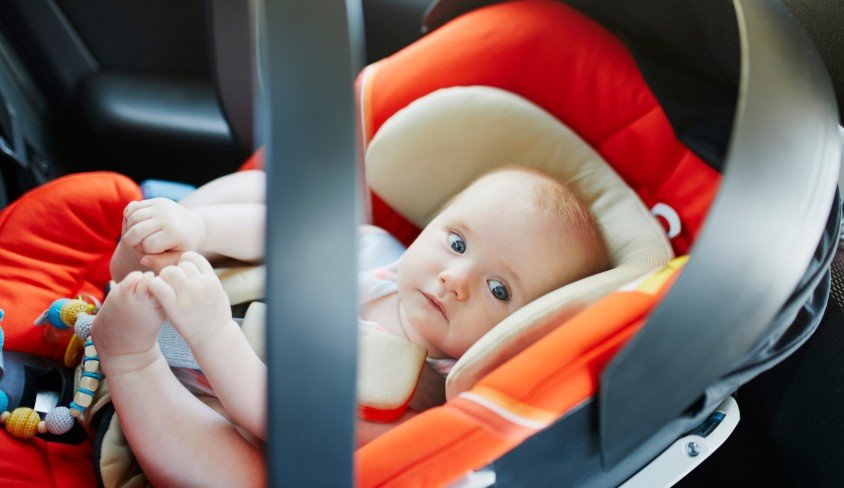
Flying with your baby soon and wondering how to manage traveling with an infant car seat on plane? Is it allowed, is it safe, and how do other parents do it without stress? You’re not alone—this is one of the most common concerns for flying families.
You can bring an infant car seat on board. In fact, the FAA recommends using an approved child restraint system (CRS) for kids under two. This guide breaks down airline policies, expert safety advice, and tips from seasoned parents to help you fly smoothly with your little one.
Parenting experts like Dr. Harvey Karp and organizations like the American Academy of Pediatrics agree: securing your baby during flight isn’t just safer—it’s smarter. Curious which seats are allowed or how to install them mid-flight? Let’s dive into everything you need to know for a worry-free journey.
Can You Bring Infant Car Seat on Plane?
Are infant car seats allowed on planes? Yes, you can bring an infant car seat on a plane, and many airlines allow you to use it on the airplane seat. The Federal Aviation Administration (FAA) recommends using a car seat for children under two years old, as it provides a safer and more secure environment during the flight.
However, it’s crucial to check with your airline regarding their specific policies on car seats, as some may have restrictions on size or type. If you choose to bring a car seat, ensure it is FAA approved, as this certification guarantees that it meets safety standards for air travel.
Confirming with your airline ahead of time can save you potential hassles at the airport. While some carriers may charge for a seat, it’s often worth the investment for your child’s safety and comfort.
Additionally, using an infant car seat can help prevent your baby from being classified as a lap child, which means they won’t be required to sit on a parent’s lap during the flight. Thus, understanding the airline’s regulations and preparing accordingly can make your journey smoother and more secure.
How to Travel with Infant Car Seat on Plane?
Flying with a car seat involves several steps to ensure that both you and your baby have a comfortable experience. First, make sure to book a separate seat for your child, as this allows for the installation of a car seat on the plane.
When you arrive at the airport, check your infant seat at the gate if you don’t plan to use it during the flight; this can often be done for free. If you do use the car seat, remember to carry it onboard as part of your carry-on luggage.
Once on the plane, inform the flight attendant that you will be using a car seat. They can assist you with the installation and ensure that it is properly secured. It’s essential to know how to install the car seat according to the guidelines provided by the manufacturer, ensuring that the seat belt fits snugly.
Some parents find it helpful to practice installing the car seat before the trip to become familiar with the process. This preparation can alleviate stress and guarantee that your infant will be safely restrained during the flight.
Safety tips for Traveling with Infant Car Seat on Plane
Traveling with an infant car seat on a plane can be a safe and convenient option if done correctly. Here are some essential safety tips to help make your journey smoother and safer:
✈️ Before You Fly
1. Choose the Right Car Seat
- Ensure the car seat is FAA-approved for use on aircraft. Look for a label that says:
- “This restraint is certified for use in motor vehicles and aircraft.”
2. Book a Separate Seat
- Although infants under 2 can fly on your lap, it’s safest to purchase a separate seat for your baby and use the car seat.
3. Check Airline Policies
- Airlines may have specific rules about car seat dimensions, placement, and boarding procedures—confirm this before you fly.
4. Select a Suitable Seat on the Plane
- Car seats cannot be placed in exit rows or seats that block access to the aisle. A window seat is usually best.
🧳 At the Airport
1. Use a Car Seat Travel Bag or Dolly
- A padded bag or wheeled dolly can help protect the seat and make it easier to transport.
2. Gate-Check Wisely
- If you’re not using the seat on board, gate-check it rather than checking it with baggage to reduce the risk of damage.
3. Arrive Early
- it’s a good idea to give yourself extra time for check-in and security. TSA may inspect the car seat, and you’ll want time to install it properly on the plane.
🪑 On the Plane
Install the Seat Properly
- Follow the manufacturer’s instructions and use the aircraft seatbelt to secure the car seat. Rear-facing seats are safest for infants under 2.
Use the Seat During the Entire Flight
- Even during turbulence, your baby is safest when secured in their seat, not in your arms.
Avoid Bulkhead Seats
- While they offer more legroom, they often lack movable armrests, making it harder to secure the seat properly.
🍼 Comfort Tips
– Feed During Takeoff/Landing
- Nursing, bottle-feeding, or using a pacifier during ascent and descent can help ease ear pressure.
– Pack Essentials in Reach
- Keep diapers, wipes, a change of clothes, snacks, and small toys in your carry-on or diaper bag.
✅ Bonus Tip
- Practice Installing the Car Seat
- Familiarize yourself with how to install the seat using only a lap belt, as airplanes don’t have LATCH systems.
Checking Infant Car Seat on Plane
If you decide not to bring the infant car seat onto the plane, you will need to check it as baggage. Most airlines allow you to check a car seat for free, but it’s advisable to confirm this when booking your flight.
Ensure that the car seat is well-protected using a padded travel bag to avoid damage during handling. You can also choose to gate-check the car seat, which allows you to keep it with you until you board the plane. This way, it will be available immediately upon landing, making your transition to a rental car smoother.
When checking the car seat, make sure to remove any loose items and secure the harness to prevent it from getting tangled. Additionally, take photographs of the car seat and keep your receipt handy in case you need to file a claim for any damage.
Understanding the airline’s baggage policies and taking precautions can help ensure that your car seat arrives at your destination in good condition, ready for use in your vehicle or rental car.
10 Tips For Bringing Your Car Seat on an Airplane
When planning to bring a car seat on an airplane, there are several tips that can make the experience more manageable. Here are 10 practical tips for bringing your car seat on an airplane, whether you’re traveling with a baby, toddler, or small child:
✈️ 1. Check the Car Seat’s Certification
Make sure your car seat is FAA approved. Look for a label that says:
“This restraint is certified for use in motor vehicles and aircraft.”
🧾 2. Buy a Separate Seat for Your Child
If you want to use the car seat on the plane, you’ll need to buy a ticket for your child. Lap infants (under 2) fly free on most airlines, but they can’t use a car seat without their own seat.
🧳 3. Use a Car Seat Travel Bag or Cover
Protect your car seat from dirt or damage with a padded travel bag. Many also have backpack straps or wheels for easy transport.
🛠️ 4. Practice Installing It Before Your Trip
Install it a few times at home using only the airplane lap belt (no LATCH systems on planes!). This helps avoid frustration mid-flight.
🪑 5. Know the Dimensions
Make sure the car seat fits airline seat width—most standard economy seats are 16–17 inches wide. Narrow car seats are best for air travel.
🧒 6. Rear-Facing or Forward-Facing?
- Under 2? Rear-facing is safest (and allowed by most airlines).
- Over 2? Forward-facing is often easier in tight airplane rows.
Always check your car seat manual and airline policy.
🪄 7. Use a Car Seat Travel Cart or Strap
To make getting through the airport easier, use a cart, strap, or adapter to attach the seat to your carry-on or stroller.
🪑 8. Request Bulkhead or Window Seats
Car seats must go in window seats so they don’t block other passengers’ exit paths. Bulkhead seats have more space, which is helpful for installation.
🚫 9. Avoid Exit Rows
You’re not allowed to install car seats in exit rows or the row directly in front/behind them due to safety regulations.
🛬 10. Check Airline Policies Ahead of Time
Policies can vary slightly. Check your airline’s rules about booster seats, and call ahead if needed to confirm the seat is approved.
How to Install Infant Car Seat on Plane
Installing an infant car seat on a plane may seem daunting, but with the right steps, it can be a straightforward process. First, ensure that the car seat is facing the rear of the airplane seat, as this is the safest way for infants.
Next, route the seat belt through the designated path on the car seat, following the manufacturer’s instructions closely. It’s essential to pull the seat belt tight and ensure that the car seat doesn’t move more than an inch when pulled at the base.
If you’re unsure how to install a car seat, don’t hesitate to ask the flight attendant for assistance. They can offer guidance and ensure that the car seat is secure before takeoff. Additionally, having a travel-friendly car seat that is lightweight can make this process easier.
Practicing the installation in advance can further help parents feel confident and prepared when it’s time to board the flight. A properly installed car seat is crucial for your child’s safety during the flight, especially in case of turbulence.
The Best Convertible Car Seat for Travel: Cosco Scenera Next (travel car seat)
When it comes to traveling with a children car seat, the Cosco Scenera Next is often recommended as one of the best options available. This travel car seat is FAA-approved, which means it meets all safety regulations for air travel.
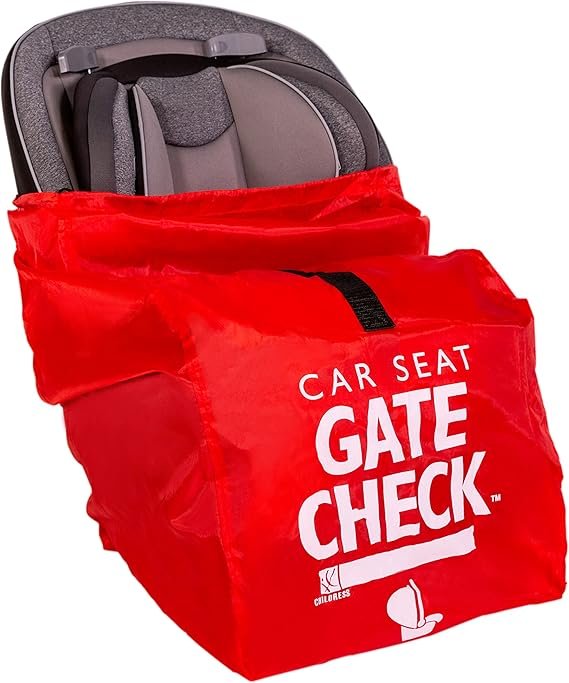
Its lightweight design makes it easy for parents to carry through the airport while providing a comfortable and safe environment for infants. Additionally, the Cosco Scenera Next can be used as both a rear-facing and forward-facing convertible seat, offering longevity as your child grows.
Moreover, the Cosco Scenera Next is known for its affordability without compromising safety. It features a 5-point harness system that keeps your child securely strapped in, which is vital for air travel.
Parents appreciate that the seat is easy to install in both vehicles and on planes, making it a versatile choice for families on the go. Investing in a reliable travel car seat like the Cosco Scenera Next can significantly enhance your air travel experience, making it more enjoyable and worry-free.
Conclusion
Traveling with an infant car seat on a plane doesn’t have to be overwhelming. With the right preparation, you can ensure a safe and comfortable travel experience for your child. Always check with your airline about their policies, choose a car seat that is FAA-approved, and familiarize yourself with the installation process. By following the provided tips and guidelines, you can confidently navigate air travel with your infant. Remember, the safety of your little one is the top priority, and using a car seat is one of the best ways to ensure their protection while flying.
Recommended posts
- When Is My Baby Too Big for Infant Car Seat: (Safety Tips)
- Infant Car Seat Expiry Date: Why It Matters & Warnings
- Infant Car Seat Maximum Weight Limit – How to Choose the Right One?