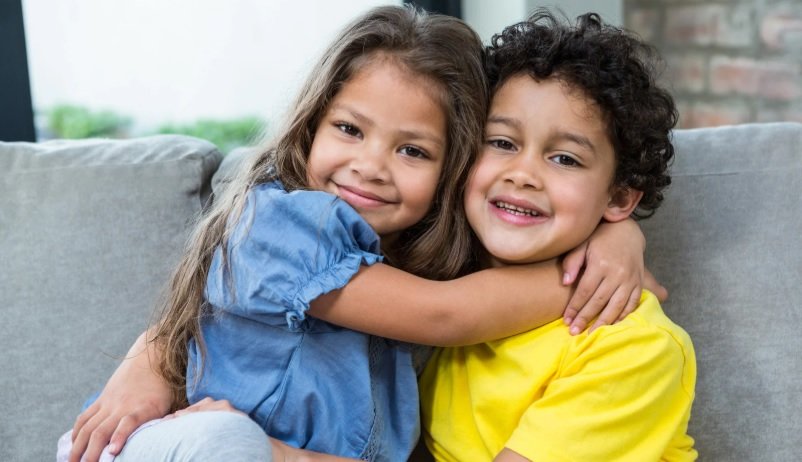
Sibling Bond Meaning. What truly defines the relationship between brothers and sisters beyond shared parents and childhood memories? Why does this connection often shape emotions, behavior, and identity long into adulthood?
The sibling bond means a unique and powerful emotional connections built through shared experiences, family roles, and daily interaction. It combines affection, rivalry, loyalty, and mutual influence in a single relationship. This bond often becomes the longest-lasting social tie in a person’s life.
Yet this definition of sibling relationship only scratches the surface of how it work and why they matter so deeply. Renowned developmental psychologist Dr. Judy Dunn explains that sibling bonds actively shape empathy, conflict skills, and emotional resilience from early childhood. So, are you ready to explore how this powerful bond forms, evolves, and influences your life more than you may realize?
What Is the Meaning of Sibling Bond?
At its core, the sibling bond represents a unique relationship that combines companionship, rivalry, and loyalty. This bond is often formed in early childhood and may last a lifetime, fostering deep emotional ties that can influence an individual’s identity and behavior. The complexity of this relationship stems from shared experiences, memories, and upbringing, which create a profound understanding of one another.
Research has shown that younger siblings often play a critical role in each other’s lives. They are not just family; they are companions and confidants. This relationship can provide emotional support during difficult times, foster social skills, and even teach conflict resolution.
However, the bond is not devoid of challenges, as relationships can also be punctuated by rivalry and jealousy, which can play a significant part in an individual’s emotional development.
Kathy McCoy, Ph.D., is a psychotherapist, journalist, speaker, and author of We Don’t Talk Anymore: Healing After Parents and Their Adult Children Become Estranged.
What Makes Siblings Bond?
While shared genetics and environment provide the stage, the strength of the sibling connection is built through specific interactions and experiences. Key bonding factors include:
- Shared History and Collective Memory: Growing up together creates a vast reservoir of shared experiences—from mundane family dinners to major life events like moves or vacations. This collective memory forges a powerful, unbreakable link.
- Cooperative Caregiving and Protection: In many families, older siblings take on nurturing roles. This “caregiving” dynamic, when positive, fosters deep attachment, trust, and a sense of responsibility. Similarly, siblings often unite to protect each other from external threats, solidifying their alliance.
- Play and Companionship: Siblings are often each other’s first and most constant playmates. Through play, they learn social skills, negotiation, and cooperation. This shared world of imagination and fun is a primary bonding mechanism.
- Parental Influence: Parents play a critical role in shaping sibling bonds. When parents model empathy, enforce fair conflict resolution, and avoid comparisons or favoritism, they create an environment where positive sibling relationships can flourish.
- Navigating Adversity Together: Families facing challenges—such as financial stress, parental divorce, or loss—often see siblings draw closer. Facing adversity as a united front can create an immensely powerful and resilient bond.
- Emotional Security and Attachment: A secure emotional base within the family allows siblings to explore their relationship with less anxiety. When children feel individually loved and secure, they are more likely to form positive attachments to each other.
Why Sibling Rivalry is Really about Love in Disguise?
Sibling rivalry is not a sign of a failed relationship; rather, it is an almost universal feature of it—and it is fundamentally rooted in love, or more precisely, in the competition for the resources necessary for survival and emotional security: parental love and attention.
From an evolutionary psychology perspective, siblings are naturally programmed to compete for parental investment to ensure their own well-being and success. This manifests as squabbles over toys, time, and praise. Here’s why it’s “love in disguise”:
- A Cry for Connection: Often, antagonistic behavior is a bid for attention. A child who feels overlooked may pick a fight with a sibling precisely because it guarantees a focused, though negative, response from a parent or the sibling.
- Testing Boundaries Within a Safe Relationship: The sibling relationship is a relatively safe space to experiment with emotions like anger, jealousy, and frustration. Because the bond is presumed permanent, children often feel freer to express negative emotions, learning vital emotional regulation skills in the process.
- Differentiation and Individuality: Rivalry helps siblings define themselves as separate individuals. By opposing each other, they carve out distinct identities, interests, and roles within the family system.
- The Foundation for Future Negotiation: Every argument over who gets the last cookie or who controls the TV remote is a training ground for future conflict resolution. Through these skirmishes, siblings learn persuasion, compromise, and advocacy—skills critical for adolescence, and adult sibling life.
Understanding rivalry as a natural, functional aspect of the bond allows parents and caregivers to respond not with alarm, but with guidance, helping children channel competition into healthier forms of connection and teaching them to reconcile love with conflict.
How to Support Children in Foster Care?
For children in foster care, the sibling bond often takes on monumental significance. Siblings may be the only living link to a child’s past, a source of comfort, identity, and continuity amidst trauma and displacement. Supporting children in foster care effectively requires a dedicated, trauma-informed focus on preserving and nurturing these sibling connections. Here are essential ways to provide that support:
- Prioritize Joint Placements: The single most impactful action is to keep siblings together whenever safely possible. Child welfare agencies, social workers, and foster parents must advocate fiercely for joint placements. The trauma of separation compounds the existing trauma of removal from the biological home.
- Facilitate Consistent Contact: If separation is unavoidable (due to space, needs, or safety), immediate and consistent visitation must be a non-negotiable priority. Use technology (video calls) alongside frequent, supported in-person visits in neutral, child-friendly settings to maintain the connection.
- Educate and Support Foster Parents: Foster parents caring for sibling groups need specific training. This includes understanding sibling dynamics in the context of trauma, managing complex behaviors without showing favoritism, and creating rituals that help the siblings feel like a cohesive unit within the new home.
- Create “Sibling Profiles” in Case Files: Move beyond basic bios. Case files should include detailed accounts of the siblings’ relationship—their inside jokes, favorite shared activities, who comforts whom, and their fears about separation. This informs better decision-making.
- Advocate for Legal Sibling Visitation Rights: Support policies and laws that legally mandate sibling visitation rights, even when children are placed separately, ensuring the relationship is protected by the system designed to serve them.
- Use Life Books and Narrative Therapy: Help siblings create shared life books that honor their past together. Narrative therapy techniques can help them process their shared story, reinforcing their identity as a sibling unit beyond their circumstances.
- Support During Reunification or Adoption: If siblings are separated in care, ensure their bond is central to permanency planning. Whether returning to birth family or moving to adoptive homes, plans must include how the siblings will maintain their relationship long-term.
By centering the sibling bond in foster care practice, we protect a critical lifeline for these vulnerable children, offering them stability, identity, and a profound source of healing love.
Birthmom Story of Love and Open Adoption
[Note: This is a composite narrative based on common experiences, reflecting deep emotional truths.]
“My name is Maya, and five years ago, I made the most agonizing decision of my life. I placed my newborn daughter, Chloe, for adoption. I was young, lacked stability, and wanted a life for her that I couldn’t provide. But I also had a three-year-old son, Liam. The thought of them growing up as strangers shattered me.
I chose an open adoption with a wonderful couple, Sarah and James, with one non-negotiable condition: that Liam and Chloe would know each other as brother and sister. We worked together to create a new, extended family model. Sarah sends me photos weekly. We have quarterly visits, and now, as Chloe gets older, video calls where she ‘plays’ with Liam on screen.
Last month, we all went to the zoo together. Watching Liam, now a protective eight-year-old, hold Chloe’s hand to show her the monkeys, my heart swelled and ached simultaneously. It wasn’t the traditional family picture, but it was real. Chloe knows I am her birthmom, but she also knows Liam is her brother, full stop. She runs to him with the same joy he reserves for her.
This open adoption, centered on preserving the sibling bond, didn’t just give Chloe a future; it gave both of my children a piece of each other. It transformed my grief into a complex, but beautiful, tapestry of love. Liam’s bond with Chloe is his anchor to his own story, and for Chloe, it’s a living connection to her origins. Love isn’t about having everything under one roof; it’s about ensuring that the most sacred connections, like the one between a brother and sister, never break.”
Commonly Asked Questions about Sibling Bond Meaning (FAQs)
What Is the Meaning of Brother Bond?
Brother bond signifies a strong emotional connection between brothers, marked by loyalty, support, and shared experiences. It represents a lifelong relationship built on trust, camaraderie, and mutual respect, fostering deep ties that endure over time.
What Does It Mean to Be Sibling Bound?
Being sibling bound describes the inherent emotional ties and responsibilities between siblings. It highlights their lifelong connection, support, and shared experiences, emphasizing mutual influence and commitment that shape their identities and relationships throughout life.
What is sibling bond meaning?
Sibling relationship meaning refers to the enduring emotional connection between brothers and sisters, shaped by family dynamics, time together during childhood and adolescence, shared experiences, closeness and teamwork. It can provide a lasting bond, sense of identity, warmth and support.
How does sibling conflict affect development?
Sibling conflict influences child development by teaching conflict resolution skills, testing boundaries during puberty, and shaping effects of sibling rivalry on learning. Managed well, conflict often promotes resilience and teamwork; unmanaged strain can estrange relationships and harm later life adjustment.
Can sibling bond last into adulthood?
Yes. Adult sibling relationships often evolve but can remain a lasting source of support throughout life. Research shows siblings closer when maintained, becoming the longest relationship of your life, offering companionship, shared history, advice in parenthood, and support throughout aging.
How can parents strengthen sibling closeness?
Strengthen sibling closeness through regular family activities, time together, open communication and practicing conflict resolution skills. Cherish shared memories, encourage camaraderie, support one another during adolescent challenges, celebrate milestones, and rebuild balance after bickering or secrecy to maintain lifelong warmth.
What can be done if siblings estrange?
When siblings estrange, adult sibling relationships can change the dynamics of family life. Prioritize boundaries, communicate, consider mediation or therapy, focus on rebuilding love and respect through small gestures, honest conversations, trust rebuilding, and accepting that healing may take time.
Conclusion
The sibling bond is a powerful force—a blend of love, rivalry, shared history, and unwavering loyalty that shapes us from childhood through old age. It teaches us our first lessons in love, conflict, and compromise. For children in foster care, this bond is not merely important; it is a crucial pillar of emotional survival and identity. Understanding the profound sibling bond meaning and how to support children in foster care is a societal imperative.
By prioritizing sibling placements, facilitating unwavering contact, and legally protecting these relationships, we do more than follow best practices in child welfare—we honor a fundamental human connection that can offer healing, continuity, and unconditional love amidst life’s greatest challenges. Whether by blood or by circumstance, the sibling bond remains one of life’s most significant and enduring relationships, deserving of our utmost recognition and support.
Recommended posts
- Healing Sibling Estrangement in Adulthood: A Practical Path
- 100+ Heartwarming Bond of a Brother and Sister Quotes
- Why Adult Sibling Relationships Matter More Than Ever?
- Trust Between Siblings and Family Trust Governance Explained
- Sibling Attachment Disorder: How Bonds Shape Lifelong Relationships
- 7 Effective Tips for Healing Sibling Relationships (Proven)