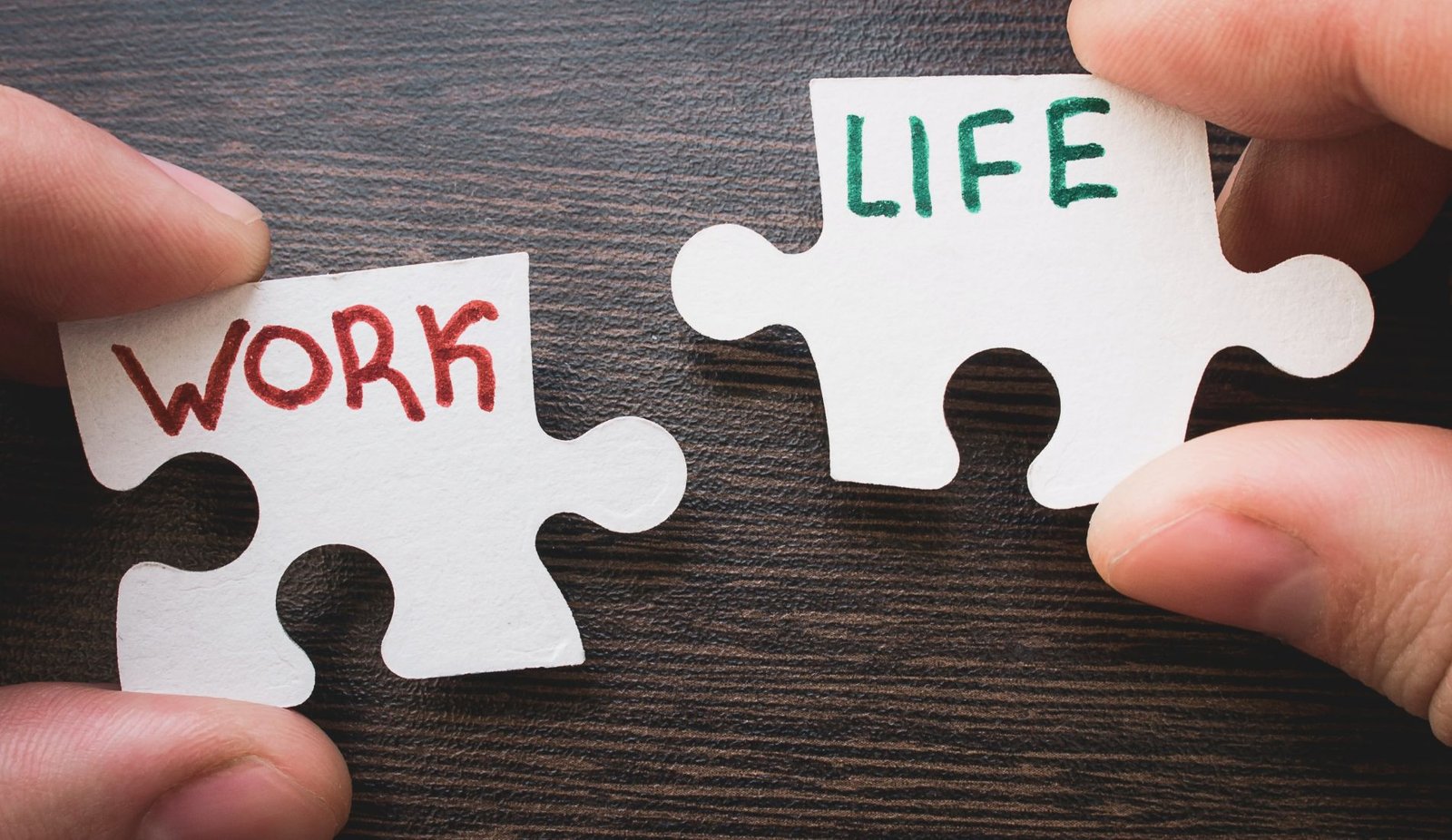
The Importance of Work-Life Balance for Families cannot be overstated in today’s fast-paced world. Do long work hours often leave you with little time for your loved ones? When work takes over family time, relationships, emotional health, and overall happiness start to suffer.
Work life balance allows parents to stay present, supportive, and emotionally available for their families. Research from the American Psychological Association shows that balanced schedules reduce stress and strengthen family bonds. Children benefit from consistent attention, while adults experience better mental and physical health.
But balance does not happen on its own; it requires intentional choices and clear priorities. This article explores why employees’ work-life balance matters for families and how it shapes healthier homes and stronger connections. Are you ready to discover how small changes can create lasting family well-being?
The Real Importance of Work-Life Balance And What Happens Without It
Work-life balance is frequently discussed in corporate wellness brochures, but its real importance is deeply rooted in human psychology and sociology. At its core, it is about the conscious management of energy and attention across the domains of work, family, community, and self. For families, this balance is critical because it directly shapes the home environment, models behavior for children, and determines the quality of relationships.
Without a conscious effort to maintain balance, several predictable and damaging outcomes occur, Here.s why a good work life balance Is Important for your family and your organisation:
- Role Conflict and Chronic Stress: The competing demands of a looming deadline and a child’s school play create internal conflict. This constant tug-of-war elevates cortisol levels, leading to a state of chronic stress that impairs decision-making, emotional regulation, and physical health.
- Erosion of Family Bonds: Time is the currency of relationships. When work consistently consumes evenings, weekends, and mental space, the opportunities for meaningful connection—shared meals, unstructured play, deep conversation—diminish. Relationships become transactional (logistics, schedules) rather than emotional.
- The “Presenteeism” Paradox at Home: Just as an employee can be physically at work but mentally disengaged, a parent can be physically at home but psychologically absent. Scrolling through work emails on the couch or ruminating over a project during dinner sends a subtle, damaging message to family members: “You are not my priority right now.”
- Lost Childhood and Partnership Moments: Children develop rapidly, and milestones are non-recoverable. A consistent work-life imbalance means missing first steps, school events, and the quiet, everyday moments that build a child’s sense of security. Similarly, partnerships wither without dedicated time for intimacy and friendship.
The absence of balance, therefore, creates a deficit not in time alone, but in presence, attention, and emotional availability—the very elements that constitute a thriving family.
Benefits of a Healthy Work-Life Balance
Cultivating a healthy equilibrium delivers transformative benefits that extend far beyond simply “feeling less busy.” It creates a positive feedback loop that enhances every aspect of family life and individual performance.
- Stronger, More Resilient Family Relationships: Prioritized, quality time fosters secure attachment in children and deepens romantic bonds. Families develop shared rituals, inside jokes, and a collective memory bank, building a fortress of mutual support against external stresses.
- Enhanced Emotional and Mental Well-being: Reduced conflict and guilt lower anxiety and depression risks. Adults experience greater life satisfaction and purpose, while children benefit from the stability and emotional regulation modeled by their parents.
- Improved Physical Health: Work-life balance allows for adequate sleep, regular physical activity, and mindful nutrition—habits often sacrificed during burnout. This leads to stronger immune systems, lower blood pressure, and reduced risk of lifestyle-related diseases.
- Increased Productivity and Creativity at Work: Paradoxically, constraining work hours and truly disconnecting leads to higher efficiency and innovation. Rested minds are sharper, more creative, and better at strategic thinking. Employees with good balance demonstrate greater loyalty and engagement.
- Positive Behavioral Modeling for Children: Children learn by observation. Parents who set boundaries, prioritize health, and engage fully at home teach invaluable lessons about self-worth, respect, and how to manage future life demands. They are more likely to grow into well-adjusted adults who can set their own healthy boundaries.
- Greater Overall Life Satisfaction: This holistic benefit encompasses a sense of control, alignment with personal values, and the joy of not just managing life, but living it fully.
The Health Impacts of Poor Work-Life Balance
The health consequences of chronic imbalance are severe and well-documented, moving beyond “feeling tired” to systemic physiological and psychological harm.
- Mental Health Crisis: Persistent imbalance is a primary driver of burnout—a state of emotional, physical, and mental exhaustion characterized by cynicism, detachment, and feelings of ineffectiveness. It is a direct pathway to clinical anxiety, depression, and emotional fragility.
- Cardiovascular and Metabolic Damage: Chronic stress from work-life conflict keeps the body in a perpetual “fight-or-flight” mode. This leads to elevated blood pressure, increased heart rate, inflammation, and elevated blood sugar—key risk factors for hypertension, heart attack, stroke, and Type 2 diabetes.
- Compromised Immune Function: Constant stress hormones like cortisol suppress the immune system, making individuals and, by extension, their families (through shared stress and germs) more susceptible to infections, from common colds to more serious illnesses.
- Sleep Disorders: An inability to “switch off” work concerns leads to insomnia, restless sleep, and fatigue. Poor sleep further impairs cognitive function, mood, and physical health, creating a vicious cycle.
- Musculoskeletal Issues: Stress manifests physically as tension, leading to headaches, migraines, back pain, and muscle aches. The sedentary behavior often associated with long work hours exacerbates these problems.
For the family, a parent’s poor health is a family crisis. It drains financial resources (medical costs, lost income), creates caregiver burden, and generates an atmosphere of worry and instability for children.
How To Achieve Healthy Work-Life Balance: 7 Steps For Success
Achieving balance is an active, ongoing process, not a one-time fix. These seven foundational steps create the structure for a more harmonious life.
- Conduct a Ruthless Audit: For one week, track your time and energy. Objectively log how hours are spent and note when you feel drained or energized. Identify “time leaks” (excessive social media, inefficient work practices) and moments of true family connection.
- Define Your Non-Negotiables: Based on your core values, identify 3-4 activities that are sacred. This could be “weekday dinners as a family,” “no work emails after 7 PM,” or “Saturday morning adventures.” Treat these as immovable appointments.
- Master the Art of Boundary Setting: Communicate clear boundaries to your employer, colleagues, and even family. Use technology tools (email auto-responders, focused work blocks) and verbal cues (“I’m offline for family time until tomorrow morning”) to protect your personal space.
- Embrace Quality Over Quantity: A 20-minute phone-free, fully engaged play session is more valuable than three hours of distracted coexistence. Be intentionally present in the moments you have.
- Schedule Downtime and Self-Care: Just as you schedule meetings, block time for exercise, hobbies, and doing nothing. A depleted caregiver cannot effectively care for others. Self-care is not selfish; it’s a prerequisite for sustainable family care.
- Leverage Technology Wisely: Use technology as a tool for efficiency (meal planning apps, shared calendars) but set strict rules to prevent intrusion. Establish device-free zones (bedrooms, dining table) to foster connection.
- Practice Delegation and Let Go of Perfection: Outsource tasks where possible (e.g., grocery delivery) and share household responsibilities equitably. Accept that the house may be messy, and that’s okay. Aim for “good enough” in areas that do not align with your core values.
Practical Strategies to Achieve Work-life Balance
Turning philosophy into daily practice requires concrete tactics. Implement these strategies to make balance a lived reality.
- The Power of Rituals: Create simple, daily connection rituals. A 10-minute morning cuddle, sharing “rose and thorn” at dinner, or a bedtime story routine provide predictable anchors of connection for children.
- Time-Blocking for Life: Use your calendar to block not just work meetings, but also “family time,” “personal admin,” and “deep work.” This visualizes your commitment and prevents over-scheduling.
- The “Glass Ball vs. Rubber Ball” Mindset: Visualize your responsibilities as balls you are juggling. Work is often a rubber ball—if you drop it, it will bounce back. Your health and family are glass balls—if dropped, they may be irreparably damaged. Prioritize accordingly.
- Strategic Disconnection: Designate specific times to be completely offline. Inform your workplace of this policy. The world will not end, and your focused presence at home will become transformative.
- Communicate with Your Employer: Frame your needs in terms of productivity and sustainability. Propose flexible arrangements (remote work, adjusted hours) backed by a clear plan for maintaining or improving output.
- Build a Support Network: Cultivate relationships with other families, neighbors, or relatives for carpooling, childcare swaps, or simply moral support. Isolating yourself makes the burden heavier.
- Regular Family Check-Ins: Have weekly family meetings to discuss the upcoming schedule, air concerns, and plan fun activities. This gives everyone agency and ensures alignment.
Commonly Asked Questions about Importance of Life Work Balance (FAQs)
How to improve work-life balance?
To improve work-life balance, prioritize time management and set clear boundaries between work and personal life. Engage in activities that promote physical and mental health, ensuring you find the right balance to enhance overall well-being and productivity.
Can regular breaks help maintain focus and prevent burnout?
Yes, regular breaks can significantly help maintain focus and prevent burnout. Taking short breaks throughout the day supports physical and mental health, allowing for rejuvenation and improved productivity, ultimately contributing to a healthier work-life balance and overall job satisfaction.
What is work-life balance and why is it important?
Work-life balance means creating clear boundaries between work demands and personal time, enabling a fulfilling life. Employers who promote flexible work, support their employees, and understand the importance of personal and professional life see better morale, decreased work stress, and improved job security and retention.
How can I maintain a healthy work-life balance daily?
Employees can maintain a good work-life balance by scheduling regular exercise, taking breaks throughout the day, and setting clear boundaries between work and family responsibilities. These practices reduce health conditions linked to chronic stress and help younger workers and experienced staff balance work, personal priorities.
What are benefits of work-life balance for employers?
Finding a balance between work and life improves productivity, reduces turnover, and fosters a healthier work environment. Managers who encourage boundaries between work and personal activities, provide support for family responsibilities, and recognize employee contributions increase job satisfaction and long-term engagement and overall well-being benefits.
How does poor work-life balance negatively impact employees?
Poor work-life balance can lead to burnout, reduced sense of accomplishment, and negatively impact relationships outside of the office. Organizations that attract and retain talent offer flexible schedules, clear communication about time at work, and policies that support return to work after leave employee well-being.
What role does flexible work play in maintaining balance?
Maintaining flexible work arrangements helps balance work and personal life by allowing employees to manage personal time, family responsibilities, and specific work tasks. Flexible schedules, breaks throughout the day, and clear boundaries between work and personal life reduce stress levels and improve overall well-being.
How can managers promote healthier work-life balance?
To maintain work and personal harmony, set a specific work schedule, disconnect from work outside hours, and create a routine that includes personal time. Small adjustments to workload and clear expectations reduce work demands, lower stress levels, and support a fulfilling professional and personal life.
Conclusion
So, why a good work life balance is very important? The pursuit of work-life balance is not a sign of a lack of ambition, but a profound demonstration of wisdom. The Importance of Work-Life Balance for Families is hidden in plain sight—it is the quiet engine of long-term health, the unseen glue of family bonds, and the ultimate performance enhancer for a meaningful career. The cost of imbalance is paid in the currency of missed moments, strained relationships, and compromised health—a price far too high for any family to bear.
Begin not with a sweeping overhaul, but with a single, conscious choice: one protected dinner, one communicated boundary, one moment of fully engaged presence. These small, consistent actions compound into a new reality—a life where work serves the family, and the family fuels a purposeful and joyful existence. The balance is not a final destination to be reached, but a compassionate and intentional practice to be woven into the fabric of every day. Start weaving today.
Recommended posts
- The Power of Prioritizing Family Over Work And How to Do It
- How to Balance Work and Family as a Dad? (5 Proven Ways)
- Work and Family Conflict Causes, Types, and Practical Solutions
- 100+ Best Work and Family Life Balance Quotes to Help You Reclaim
- The Power of Work with Flexible Hours in a Modern Workplace
- 5 Essential Boundaries When Working from Home to Protect Your Sanity