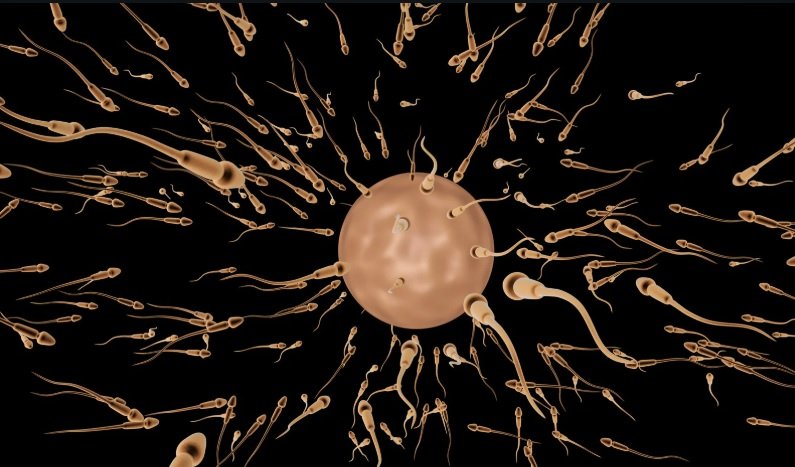
Trying to start a family and wondering about male fertility? Understanding the signs a man is fertile can be a game-changer for couples trying to conceive. Are there visible or measurable signs that show if a man’s reproductive health is in good shape?
Yes, there are! Healthy sperm count, strong motility, balanced hormone levels, and a healthy libido are clear indicators of male fertility. Experts like Dr. Paul Turek, a leading male fertility specialist, confirm that lifestyle and overall health directly impact sperm quality and fertility.
But these signs only scratch the surface. Curious about how to assess fertility and what tests or habits can boost reproductive health? Let’s dive deeper into the proven signs and expert advice that can help men take control of their fertility journey.
Signs of High Fertility in Men: Understanding Male Fertility
High fertility in men can be determined through various signs that indicate healthy sperm production. A man with a robust sperm count, which is generally defined as having 15 million sperm per milliliter of ejaculate, is likely to be fertile.
Additionally, sperm motility, or the ability of sperm to swim effectively, plays a crucial role in male fertility. Men who exhibit these characteristics often possess higher fertility and are more likely to contribute positively to the conception process.

Moreover, hormonal balance significantly contributes to male reproductive health. Men with optimal testosterone levels typically show robust sperm production and healthier sperm parameters, including sperm morphology.
Understanding these signs of high fertility can empower couples on their fertility journey, allowing them to make informed decisions regarding their reproductive plans and the steps they may need to take to increase their chances of getting pregnant.
7 Subtle Signs a Man Is Fertile
Male fertility often goes unnoticed until a couple starts trying to conceive. While semen analysis is the most accurate test, certain subtle signs may point to healthy reproductive function. If you’re curious about male fertility, these quiet indicators may offer helpful clues.
1. Strong Libido and Sexual Performance
A healthy sex drive is often linked to good testosterone levels, which play a key role in sperm production. Men who experience regular arousal and have consistent performance may be showing signs of balanced hormones and fertility.
2. Clear, Healthy Skin
Good hormone balance often reflects in the skin. Men with clear, even-toned skin may have balanced testosterone and reduced oxidative stress—two factors essential for sperm quality and reproductive health.
3. Normal Testicle Size and Firmness
Healthy testicles are usually firm and about the size of a small egg. Since sperm is produced in the testicles, their size and feel can be subtle indicators of fertility. Shrinking, swelling, or softness might signal a problem.
4. High Energy Levels
Men with consistent energy and mental focus often have better hormonal health. Testosterone supports both energy and sperm production. Fatigue or low stamina could suggest hormonal imbalance affecting fertility.
5. Regular Morning Erections
Frequent morning erections suggest strong blood flow and good testosterone levels. While not a direct sign of sperm count, it shows that the reproductive system is functioning well, which supports fertility.
6. Balanced Body Weight
Obesity can lower testosterone and sperm count. Fertile men often maintain a healthy BMI and avoid excess belly fat. Fitness, proper diet, and muscle mass are positive signs of reproductive health.
7. No History of STIs or Testicular Injury
Past infections or injuries can harm sperm production. A clean medical history with no significant reproductive issues often supports better fertility. Men who avoid risky behaviors may also protect their sperm health over time.
While these signs don’t guarantee fertility, they often suggest good reproductive health. If pregnancy isn’t happening after months of trying, a semen analysis is the best next step. Still, recognizing these subtle indicators helps build awareness and take control early.
Can You Fix Male Infertility?
Addressing male infertility is often a multifaceted approach that requires understanding its causes and implementing lifestyle changes. Many fertility issues in men can be improved with appropriate interventions, such as changes in diet and exercise.
Additionally, medical treatments, such as hormone therapy or medications, may also be necessary to correct hormonal imbalances affecting sperm production. Couples should also consider fertility testing, which includes semen analysis to assess sperm count, motility, and morphology.
In some cases, assisted reproductive technologies, like in vitro fertilization (IVF), can help overcome male infertility challenges. These treatments can enable couples to achieve their goal of getting pregnant, even when faced with severe male reproductive health issues.
Seeking fertility support from specialists can provide tailored guidance and treatment options based on individual circumstances, ultimately increasing the chances of conception.
Signs and Symptoms of Potential Fertility Issues in Men
Male fertility plays a vital role in a couple’s ability to conceive. Many men are unaware of their fertility issues until they try for a baby. Early detection of signs can help address problems sooner. Let’s explore the common symptoms and warning signs.
– Low Sex Drive or Libido
Reduced interest in sex can indicate hormonal imbalances. Low testosterone levels often affect libido and sperm production. A sudden change in sex drive should not be ignored.
– Erectile Dysfunction (ED)
Difficulty achieving or maintaining an erection may point to fertility issues. ED is often linked with poor blood flow or hormone problems. It may also be a sign of underlying health concerns.
– Problems with Ejaculation
Inability to ejaculate or reduced volume may be red flags. Painful or delayed ejaculation can affect sperm delivery. Retrograde ejaculation, where semen enters the bladder, can also reduce fertility.
– Pain or Swelling in the Testicles
Testicular discomfort, lumps, or swelling may indicate infections or varicocele. These conditions can lower sperm quality and count. Persistent pain should be checked by a doctor immediately.
– Changes in Testicle Size or Firmness
Smaller or softer testicles could signal reduced sperm production. Testicular atrophy is often linked to hormonal imbalances. Regular self-exams help detect abnormalities early.
– Low Semen Volume or Cloudy Ejaculate
Semen that is unusually thin, watery, or low in volume might show low sperm count. Changes in color, texture, or smell may also point to infections or other issues.
– Abnormal Breast Growth (Gynecomastia)
Enlarged breasts in men may result from hormonal imbalances. High estrogen levels can disrupt sperm production. This sign should be evaluated by a healthcare provider.
– Hair Loss or Reduced Facial Hair
Sudden or patchy hair loss may relate to low testosterone. Facial and body hair changes often reflect hormone shifts. These signs can affect both appearance and fertility.
– Chronic Health Conditions
Conditions like diabetes, hypertension, or obesity impact fertility. They can alter hormone levels, blood flow, and sperm quality. Managing these conditions can improve reproductive health.
– Frequent Respiratory Infections
In rare cases, fertility issues are linked to genetic conditions like Kartagener syndrome. These can cause respiratory problems and immobile sperm. Repeated lung infections might be a clue.
– Decreased Muscle Mass or Energy
Fatigue, muscle loss, and mood changes often result from low testosterone. These symptoms can reduce overall sexual health and sperm quality. Addressing hormone levels can help restore balance.
– Inability to Conceive After One Year
If conception hasn’t occurred after 12 months of unprotected sex, fertility testing is recommended. This is one of the most telling signs. Both partners should undergo evaluation.
What Does Healthy Semen Look Like?
Healthy semen is an essential component of male fertility and can provide insight into sperm quality. A normal semen sample should be a thick, white fluid with a volume of approximately 2 to 6 milliliters per ejaculate.
Additionally, healthy sperm should be able to swim effectively, showcasing good motility. The presence of a normal sperm count, which typically includes over 15 million sperm per milliliter, is also critical for fertility.
Furthermore, sperm morphology, or the shape and structure of sperm, plays a crucial role in determining sperm health. A higher percentage of normally shaped sperm increases the likelihood of successful fertilization.
Men who are concerned about their semen quality can consider undergoing sperm analysis, which can help assess these vital parameters. Understanding what constitutes healthy semen can empower couples to take proactive steps in their fertility journey, ensuring they are well-informed about their reproductive health.
Factors Affecting Male Fertility
Factors affecting male fertility include various fertility problems that can impact overall fertility. Understanding your fertility involves knowing if you are fertile by assessing the number of sperm and sperm concentration, measured as sperm per milliliter of semen.
Lower sperm count and sperm quantity can lead to male fertility issues, with causes of male infertility ranging from lifestyle factors to underlying health conditions. Significant signs include the size and shape of sperm and the percentage of motile sperm, which can affect the ability to produce healthy sperm.
A thorough physical exam may reveal telltale signs of fertility concerns. Monitoring sperm count and quality is a vital way to know if you are experiencing fertility problems and to address any underlying fertility issues that could affect female fertility as well. Here are several factors that can affect male fertility:
Biological Factors
- Hormonal Imbalances
- Issues with testosterone or other hormone levels can impact sperm production.
- Genetic Factors
- Genetic disorders, such as Klinefelter syndrome or Y-chromosome microdeletions, can affect fertility.
- Age
- Fertility may decline with age, particularly after the aged 35.
Environmental Factors
- Heat Exposure
- Prolonged exposure to high temperatures (e.g., hot baths, saunas) can negatively affect sperm production.
- Toxins and Chemicals
- Exposure to pesticides, heavy metals, and industrial chemicals can impair fertility.
- Radiation and X-rays
- High levels of radiation can damage sperm production.
Lifestyle Factors
- Diet and Nutrition
- Poor nutrition can lead to deficiencies in vitamins and minerals essential for sperm health.
- Substance Use
- Alcohol, tobacco, and recreational drugs can impair sperm quality and production.
- Obesity
- Being overweight can disrupt hormone levels and lower fertility.
Health Conditions
- Infections
- Sexually transmitted infections (STIs) and other infections can affect sperm health.
- Chronic Illnesses
- Conditions such as diabetes, thyroid disorders, and autoimmune diseases can impact fertility.
- Medications
- Certain medications, including some antibiotics and steroids, can affect sperm production.
Psychological Factors
- Stress and Mental Health
- High stress levels can interfere with hormone production and sexual desire.
Maintaining a healthy lifestyle and managing underlying health issues can help improve fertility. If concerns arise, consulting a healthcare professional is advisable.
When Should You See a Fertility Specialist?
Couples should consider seeing a fertility specialist when they encounter difficulties in their fertility journey, particularly if they have been trying to conceive for over a year without success.
Early consultation is essential, especially if there are existing concerns regarding male reproductive health, such as low sperm count or hormonal imbalances. A fertility specialist can conduct comprehensive fertility testing to identify specific issues impacting male fertility.
Moreover, if men experience any symptoms of infertility, such as changes in sexual function or noticeable decreases in ejaculate volume, seeking professional help is crucial.
A specialist can provide tailored treatment options, including lifestyle recommendations or advanced reproductive technologies, to help couples overcome fertility challenges. Taking proactive steps by consulting a fertility expert can significantly enhance the chances of achieving a successful pregnancy.
Commonly Asked Questions about Signs That a Man Is Fertile (FAQs)
How to tell if a man is fertile at home?
No reliable at-home test confirms male fertility. Check for healthy sperm volume (1.5-5mL/ejaculate), consistency (thick, whitish), and signs like no chronic pain. For accuracy, use a clinical semen analysis.
What Does Testosterone Have To Do With Fertility And Sperm Count?
Testosterone has a direct effect on male fertility, it fuels sperm production. Low levels reduce sperm count, while balanced levels support healthy motility and morphology, crucial for conception.
Does Summer Heat Affect Sperm Health?
Yes, summer heat can lower sperm health. High temperatures reduce sperm count and motility. Avoid hot tubs, tight clothing, and prolonged sitting to protect fertility in warm weather.
Can Allergies Affect Fertility?
Allergies typically don’t directly affect fertility, but severe symptoms or medications (like antihistamines) may impact cervical mucus or libido. Consult a doctor for personalized advice.
What are some subtle signs that indicate a man has healthy sperm?
Some subtle signs linked to healthy sperm production include regular physical exams showing no hormonal imbalances, maintaining a healthy lifestyle, and having no significant improvements in sperm quality over time.
How can a semen analysis help determine a man’s fertility?
A semen analysis can provide vital information about the quantity, shape, and ability of sperm to move efficiently, which are crucial indicators of male fertility.
What effect can hormonal levels have on male fertility?
Hormonal imbalances can significantly impact men’s fertility by affecting sperm production and leading to fertility issues, such as lower sperm counts or motility problems.
Are there specific signs or symptoms that indicate a man may have lower fertility?
Yes, signs or symptoms may include changes in libido, physical exam findings like testicles shrinking, or experiencing difficulty getting pregnant with a partner.
How does maintaining a healthy lifestyle contribute to getting pregnant?
A healthy lifestyle can lead to fertility support by promoting better hormonal balance and improving the quality and quantity of sperm in your semen.
What role does the shape of the sperm play in male fertility?
The shape of the sperm is crucial; irregularly shaped sperm may have a lower ability to fertilize an egg, impacting the chances of couples getting pregnant.
Can stress impact a man’s ability to have healthy sperm?
Yes, chronic stress can affect hormonal levels and lead to fertility issues, which may result in lower sperm counts or diminished sperm quality.
How often should a man consider getting a semen analysis for fertility assessment?
Men trying to conceive should consider a semen analysis if they have been unable to get pregnant after a year of unprotected intercourse, or sooner if there are other concerns about fertility.
What can men do to improve their sperm quality and fertility?
Men can improve their sperm quality by avoiding smoking, limiting alcohol consumption, maintaining a healthy weight, managing stress, and ensuring adequate nutrition and exercise.
Is it possible for a man to have healthy sperm but still face challenges in getting a partner pregnant?
Yes, even with healthy sperm, other factors such as the partner’s fertility, timing of intercourse, or underlying medical conditions can affect the ability of a couple to get pregnant.
Conclusion
Understanding the subtle signs of male fertility is crucial for couples trying to conceive. Recognizing the factors that affect male reproductive health, including lifestyle choices and hormonal balance, can empower couples on their fertility journey. By being informed about the signs of high fertility and potential issues, men can take proactive measures to support their reproductive health. Additionally, seeking professional help when necessary can make a significant difference in overcoming fertility challenges and achieving the goal of getting pregnant.
You might also like
- 5 Clear Signs Clomid Is Working During Fertility Treatment
- Things to Do or Avoid While Taking Clomid (Dos and Don’ts)
- How Test Fertility at Home Work & What to Expect