
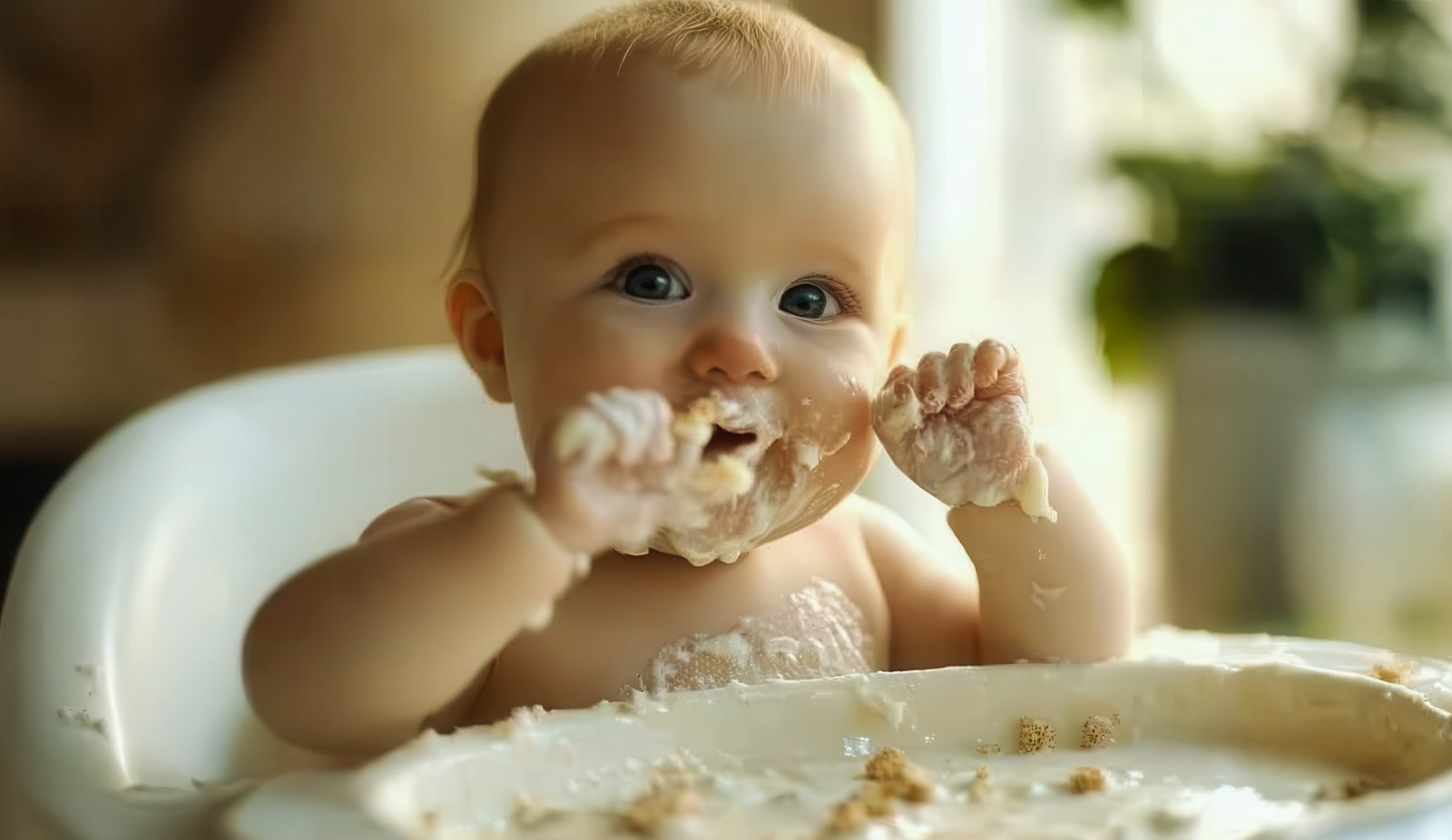
Starting solids at 4 months often raises a big question for new parents: Is it too early for starting solids at 4 months? Many caregivers feel excited to introduce new flavors, yet wonder if their baby’s tiny tummy is ready. Experts like pediatric nutrition specialist Dr. Claire McCarthy encourage parents to look closely at developmental signs before taking the leap. What signs does your baby show right now?
Most babies still need more time before they begin solid foods. Leading organizations, including the American Academy of Pediatrics, recommend introducing solids around 6 months when babies show better head control and interest in food. This article breaks down the science, expert viewpoints, and practical tips every parent should know.
You will soon discover what top pediatricians say, how early solids can affect growth, and what milestones matter most. I’ll guide you through clear insights you can trust. So, if you’re ready to understand whether your baby should wait a bit longer, let’s dive into the heart of this essential parenting topic.
Is it Too Early Starting Solids at 4 Months?
The short answer, according to leading global health organizations like the American Academy of Pediatrics (AAP), the World Health Organization (WHO), and the NHS in the UK, is yes, for most babies, 4 months is too early. The universal recommendation is to exclusively feed your baby breast milk or formula for the first about 6 months of life.
However, this guideline acknowledges individual variation. Some pediatricians may give the green light for a 4-month start if and only if your baby demonstrates specific signs of readiness. It is absolutely critical to understand that the following are not true signs of readiness to start solid:
- Watching you eat
- Sucking on fists
- Increased night waking (this is often a growth spurt or sleep regression)
The true, non-negotiable signs of readiness, which rarely all align at 4 months of age, are:
- Head Control: Your baby can hold their head up steadily and independently without any wobbling.
- Sitting with Support: They can sit upright in a high chair with minimal slumping.
- Loss of the Tongue-Thrust Reflex: This reflex causes babies to automatically push solids out of their mouth with their tongue. When it’s gone, they can move food to the back of their mouth to swallow.
- Interest in Food: A genuine curiosity, such as reaching for food and opening their mouth when a spoon approaches.
The Final Arbiter: You must have a detailed conversation with your child’s pediatrician. They will assess your baby need for a unique developmental progress and provide a personalized recommendation. Never start solids at 4 months without this professional consultation.
What Food Can Give a 4 Month Old Baby?
If your pediatrician has approved starting solids at 4 months, the focus should be on single-ingredient, smooth, and easily digestible foods. The goal is not to replace milk but to introduce the concept of eating.
The best starting food at 4 months are:
- Iron-Fortified Single-Grain Cereal: Oat or barley cereal are excellent choices over rice cereal, which can be constipating and has higher levels of arsenic. Mix it to a very thin, soupy consistency with breast milk or formula for a familiar taste and texture.
- Simple Vegetable Purees: Start with mild, low-acid vegetables that are easy on the stomach. Examples include pureed sweet potato, squash, or carrots.
- Simple Fruit Purees: Opt for gentle fruits like pureed apple, pear, or banana. Ensure they are completely smooth and runny.
Crucial Rule: Introduce only one new food at a time and wait 3-5 days before introducing another. This “waiting rule” is essential for identifying any potential food sensitivities or allergic reactions, such as rash, diarrhea, or vomiting.
Solids for 4 Month Old – 4 Months Baby Food Chart
This chart is a sample guide for the very beginning of the solids journey, assuming pediatrician approval. Portions are extremely small—think teaspoons, not tablespoons.
| Week | Day 1 | Day 2-3 | Day 4-7 | Notes |
|---|---|---|---|---|
| 1 | 1-2 tsp Iron-fortified Oat Cereal | Continue Oat Cereal | Continue Oat Cereal | Watch for any reaction to oats. |
| 2 | 1-2 tsp Sweet Potato Puree | Continue Sweet Potato | Continue Sweet Potato | Watch for any reaction to sweet potato. |
| 3 | 1-2 tsp Pear Puree | Continue Pear | Continue Pear | Watch for any reaction to pears. |
| 4 | You could offer Oat Cereal one day, Sweet Potato the next. | Introduce a new vegetable, like Squash. | Continue with Squash. | Baby is now experiencing 3-4 different foods. |
Important: Breast milk or formula should still be provided on demand and offered before the solid food. At this stage, solids are a complement, not a replacement.
Disadvantages of Starting Solids at 4 Months
Proceeding with solids at 4 months without a clear medical or developmental reason carries several documented risks:
- Digestive System Immaturity: A baby’s gut is often described as “open” or highly permeable at this early age. Introducing solids at 4 months may increase the risk of future food allergies, eczema, and digestive discomfort like gas and constipation.
- Choking Hazard: Babies who cannot sit upright steadily and lack the oral motor skills to move food properly have a significantly higher risk of choking.
- Displacement of Vital Nutrition: A baby’s primary nutritional needs for the first 6 months are met by breast milk or formula. Filling their tiny stomachs with solids can cause them to drink less milk, potentially leading to inadequate calorie and nutrient intake.
- Increased Risk of Obesity: Some studies suggest a correlation between the early introduction of solids and a higher risk of being overweight later in childhood, as it may disrupt the infant’s innate ability to self-regulate calorie intake.
- Parental Frustration and Feeding Aversion: If a baby is not physically ready, forcing or coaxing them to eat can create a negative association with mealtimes and lead to feeding aversions.
How Much Purees for a 4 Month Old?
The quantity is almost negligible and should be strictly limited. For a 4-month-old just beginning their journey, one to two teaspoons of puree, once per day, is more than sufficient.
Think of this as a “tasting session,” not a meal. Let your baby be your guide. If they turn their head away, clamp their mouth shut, or seem disinterested, stop immediately. The process should be pressure-free. Their primary source of nutrition must remain breast milk or formula, which they should consume before you offer the small taste of puree.
What Fruit Can I Give My 4 Month Old Baby?
If you are introducing fruits, they must be cooked (if hard) and pureed until perfectly smooth to prevent choking.
Best First Fruits:
- Apples: Peel, core, steam or bake until soft, and puree.
- Pears: Peel, core, steam until soft, and puree.
- Bananas: Mash a very ripe banana with a fork until it forms a smooth, runny paste. You can add a little breast milk or formula to thin it.
- Avocado: Mash a ripe avocado to a super-smooth consistency. It’s a great source of healthy fats.
Fruits to Avoid When Starting Food at 4 Months:
- Citrus Fruits (oranges, strawberries): These are highly acidic and can cause painful diaper rash or digestive upset in a young baby’s system.
- Any fruits with skins or seeds that cannot be completely removed and pureed smooth.
- Any fruit that is not served as a completely smooth puree.
Commonly Asked Questions about Introducing Food at 4 Months (FAQs)
Is it safe to start solids at 4 months?
Most experts recommend waiting until about 6 months of age, but some babies show readiness earlier. Before starting solids at 4 months, talk to your pediatrician. Baby may be ready if they can sit with support, show weight gain, and interest in food and development.
When should I introduce solid foods?
You should generally introduce solid foods around 6 months of age when baby is ready to start solids. Offer new foods one at a time, waiting 3 to 5 days between each new food to monitor any reaction to a food and prevent food allergies.
How much should I feed my baby when starting solids at 4 months?
Start with half a spoonful to a teaspoon of pureed first foods, gradually increasing over days. Amount of solids should be small at breastfeeding or formula remains primary. By 6 months of age amounts increase as baby starts eating solid and variety of foods expands.
Which first foods should I offer?
Begin with iron-rich baby cereal, pureed meats, beans, or fortified cereals to support iron and zinc needs. Offer foods one at a time, include fruits and vegetables later. Avoid giving highly allergenic foods until after starting; discuss introducing allergenic foods with your pediatrician and guidelines.
How can I help prevent food allergies when starting solids?
Current guidance suggests introducing allergenic foods early, around 6 months of age or when baby is ready, Offer small amounts of foods like peanut or egg after baby can eat solid food, one at a time, watching 3 to 5 days between each new food.
How do I know my baby is ready to start solid foods?
Signs your baby is ready for solid foods include good head control, ability to sit with support, showing interest in eating, with stable growth. Ready to start solids may vary; babies younger than 4 months usually aren’t ready, so consult your pediatrician for personalized advice.
Can I continue to breastfeed when I introduce solids?
Yes, continue to breastfeed while you introduce solid foods; breast milk remains a primary source of nutrition through around 6 months of age Start introducing solids slowly; solids complement breastfeed or formula, and won’t replace feeds until baby regularly eats a variety of healthy foods.
When and how should I offer finger foods and transition to solids?
After baby shows readiness, introduce soft finger foods like mashed banana or cooked vegetables to practice self-feeding. Start with small amounts and supervise closely; offer foods one at a time to watch reactions. Transition to solid foods gradually between 6 months and 12 months old.
Conclusion
The decision of when to start solids is one of the first major choices parents make regarding their infant’s nutrition. While the contemplation of Starting Solids at 4 Months is understandable, the evidence-based consensus is clear: for the vast majority of infants, it is too early. The recommended window of about 6 months, coupled with the demonstration of key developmental readiness signs, is the safest and most effective path.
If, after a detailed consultation, your pediatrician advises starting at 4 months, proceed with caution. Focus on tiny amounts of single-ingredient, smooth purees, prioritize breast milk or formula, and always follow your baby’s cues. By prioritizing your baby’s physiological readiness over calendar dates, you lay the foundation for a healthy, positive, and safe relationship with food.
Recommended posts
- 5 Common Mistakes to Avoid When Introducing Solids to Baby
- 7 Quick Baby Led Weaning Eggs Recipes Perfect at Any Time
- When to Start Finger Foods for Baby? (The Perfect Timeline)
- When to Introduce Solid Foods for Baby (Do’s and Don’ts)
- What Foods to Introduce at 6 Months? (Ultimate List)
- Is it OK introducing solids at 5 months? (Do’s and Don’ts)
- 5 Ways to Relieve Constipation After Introducing Solids
- After Starting Solids How Much Breast Milk Baby Really Need?
- Essential Developmental Milestones for Infants 0 12 Months

