
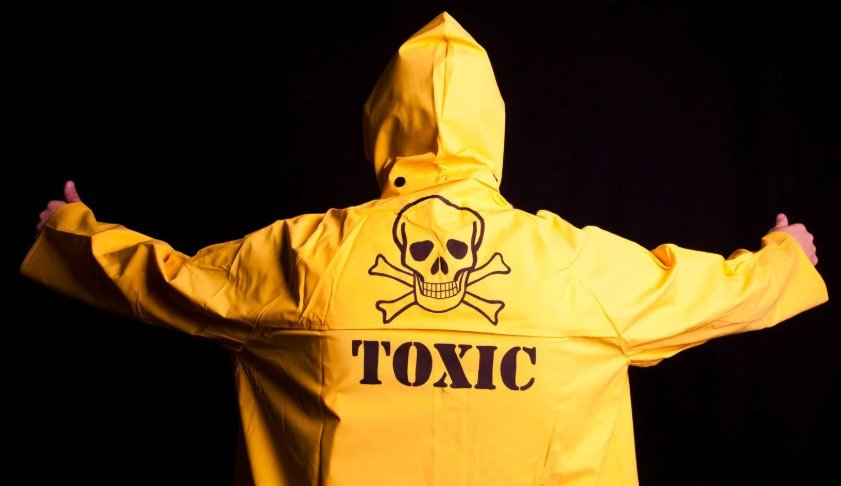
Is your teen just going through a tough phase, or are they showing toxic behavior patterns? When does normal teenage rebellion cross the line into emotional manipulation or harmful habits? Knowing the signs of a toxic teenager can help you set healthy boundaries early on.
Common signs include constant disrespect, manipulation, aggressive outbursts, and a refusal to take responsibility. Dr. Joshua Klapow, a clinical psychologist, explains that toxic behavior in teens often stems from emotional struggles, lack of accountability, or untreated mental health issues. These actions can deeply affect family dynamics and friendships if left unaddressed.
But don’t lose hope—awareness is the first step toward change. Ready to identify the behaviors that need attention and learn how to handle them effectively? Let’s dive into the clear signs of a toxic teenager and what you can do to guide them back on track.
Dealing with Manipulative Teens?
Dealing with manipulative teens can be one of the most challenging aspects of parenting. These teens may employ manipulative tactics such as the silent treatment or guilt-tripping, making it difficult for parents to respond effectively. Their behavior often stems from a desire to control situations or to avoid responsibility for their actions.
It’s essential for parents to remain vigilant about the signs of toxic behavior and to address these issues proactively. Developing open lines of communication can help foster trust and encourage your teen to express their feelings without resorting to manipulation.
In many cases, manipulative behavior can create an unhealthy relationship between parents and their teenage children. Recognizing this toxic dynamic is the first step towards creating a more positive environment. By setting clear boundaries and expectations, parents can help their teens understand the consequences of their actions.
Moreover, being consistent in responses to manipulative behavior can deter such actions in the future. Ultimately, teaching your teen about healthy communication can significantly improve the family dynamic.
What are Signs of Manipulative Behavior in Teens?
Several signs can indicate manipulative behavior in teens. A teenager may frequently employ guilt or shame as a means of control, making family members feel responsible for their emotional state. They may also exaggerate situations to gain sympathy or act as if they are the victim to avoid accountability for their actions.
Additionally, a manipulative teen may isolate themselves from friends and family, using emotional outbursts or the silent treatment to maintain control over their environment.
Identifying these warning signs is crucial for parents looking to help their teens overcome negative behavior. It’s important to note that manipulative behavior in your teen can manifest in various forms, including lying, emotional blackmail, or even passive-aggressive actions.
Being aware of these behaviors allows parents to respond effectively and guide their teens toward healthier coping mechanisms. Through open dialogue and understanding, parents can help their teenagers recognize and change their manipulative tendencies.
Causes of toxic behavior in teens: (Causes of Manipulative Behavior)
Understanding the causes of toxic behavior in teens is essential for effective intervention. Often, manipulative behavior stems from underlying issues such as low self-esteem, anxiety, or other mental health challenges.
Toxic teenager may feel guilty to conform to social standards or may struggle with feelings of inadequacy, which can lead them to manipulate situations to gain acceptance or control. Additionally, environmental factors such as family dynamics and peer relationships can significantly influence a teenager’s behavior.
Moreover, some teens may resort to manipulation as a learned behavior, having observed similar tactics in their peers or even parents. It’s critical to recognize that these underlying mental health conditions may manifest as manipulative teen behavior, and addressing these root causes can lead to more positive outcomes.
By fostering an environment where teens feel safe discussing their struggles, parents can help mitigate the toxic behaviors and guide their children towards healthier emotional expressions.
Key Signs of a Toxic Teenager Behavior (10 Signs to Look Out for)
Dealing with toxic teenage behavior can be challenging for parents, teachers, and peers. Here are 10 key signs to watch for:
1. Manipulative Behavior
- Uses guilt, lies, or emotional blackmail to control others.
- Plays the victim to avoid responsibility.
2. Excessive Rudeness & Disrespect
- Consistently talks back, curses, or insults authority figures.
- Shows no remorse for hurtful words or actions.
3. Chronic Lying
- Lies even when the truth would suffice.
- Creates elaborate stories to deceive others.
4. Bullying or Mean-Spiritedness
- Puts others down, spreads rumors, or excludes peers intentionally.
- Enjoys seeing others upset.
5. Lack of Accountability
- Always blames others for their mistakes.
- Refuses to apologize or take responsibility.
6. Recognize the signs of Extreme Selfishness
- Only cares about their own needs and desires.
- Expects special treatment without reciprocating.
7. Aggressive or Violent Outbursts
- Reacts with physical or verbal aggression when upset.
- Destroys property or threatens others.
8. Substance Abuse or Risky Behavior
- Engages in underage drinking, drug use, or dangerous activities.
- Encourages others to participate in harmful behaviors.
9. Social Isolation or Toxic Friendships
- Either isolates themselves or surrounds themselves with negative influences.
- Drains others emotionally with constant drama.
10. Extreme Mood Swings & Emotional Instability
- Shifts between extreme anger, sadness, or indifference unpredictably.
- Uses emotional outbursts to manipulate situations.
What to Do?
- Set clear boundaries and enforce consequences.
- Encourage open communication without judgment.
- Seek professional help (therapist, counselor) if behavior escalates.
- Model healthy behavior to reinforce positive traits.
If you recognize these signs, addressing them early can help guide the teen toward healthier relationships and coping mechanisms. Would you like advice on handling a specific situation?
Associations Between Manipulative Teenager Behavior and Mental Health Issues
There is a significant correlation between manipulative behavior in teenagers and various mental health issues. Research indicates that teens exhibiting signs of toxic behavior often grapple with underlying mental health conditions such as depression, anxiety, or behavioral disorders.
These mental health challenges can exacerbate manipulative tendencies, leading to a cycle of negative behavior that is difficult to break. Understanding this association is crucial for parents seeking to support their teens effectively.
By recognizing that manipulative behaviors may be a cry for help, parents can approach the situation with compassion and understanding. Encouraging open discussions about mental health can help teens feel validated and less isolated in their struggles.
It is also essential for parents to remain vigilant about their teen’s emotional well-being, as early intervention can significantly improve outcomes. Seeking professional help when necessary can provide teens with the support they need to address their mental health concerns and reduce manipulative behaviors.
How to Deal with a Manipulative Teenager: 5 Tips for Parents
Dealing with a manipulative teenager requires patience and strategic approaches. Here are five tips for parents to consider. First, establish clear and consistent boundaries, ensuring your teen understands the consequences of manipulative behaviors. Second, practice active listening to validate your teen’s feelings while also encouraging healthier expressions of those feelings. Third, model positive communication skills, demonstrating how to resolve conflicts without manipulation.
Fourth, encourage your teen to engage in activities that promote self-esteem and emotional resilience, helping them to find healthier outlets for their feelings.
Finally, don’t hesitate to seek professional help if the manipulative behavior persists or escalates. Mental health professionals can provide valuable insights and strategies tailored to your teen’s unique needs. By employing these techniques, parents can foster healthier relationships, ultimately guiding their teenagers away from toxic behavior.
Help Your Teen Form Healthy Connections:
Helping your teen form healthy connections is vital for their emotional development. Encouraging friendships built on mutual respect and understanding can significantly reduce manipulative behavior.
Teach your teen the importance of communication and empathy, which are essential skills for building strong relationships. By fostering an environment where your teen feels supported and accepted, they are less likely to resort to toxic behaviors as a means of coping with peer pressure or social anxiety.
Additionally, encouraging participation in group activities, such as sports or clubs, can help your teen develop social skills and forge meaningful connections with others. These experiences can enhance their self-esteem and reduce feelings of isolation.
By actively engaging in your teen’s social life and providing guidance on navigating relationships, you can help them establish a supportive network that encourages positive interactions. This foundation will ultimately empower your teen to express themselves healthily and avoid manipulative behaviors.
When to Seek Professional Help?
Knowing when to seek professional help for your teen is crucial, especially when dealing with manipulative behavior. If you notice that your teen’s toxic behavior is persistent, escalating, or affecting their relationships with family and friends, it may be time to consult a mental health professional. Signs that indicate the need for professional intervention include extreme mood swings, withdrawal from social activities, or a decline in academic performance.
Additionally, if your teen expresses feelings of hopelessness or engages in self-destructive behaviors, it is essential to seek assistance immediately. A mental health professional can assess your teen’s situation, provide appropriate therapy, and help develop coping strategies tailored to their needs.
Early intervention can lead to better outcomes and a healthier relationship with both peers and family members. Remember that seeking help is a sign of strength, and addressing these issues can pave the way for a brighter future for your teenager.
Treatment for Mental Health Issues Underlying Manipulative Child Behavior Symptoms – Mental Health Treatment
Treatment for adolescent mental health issues underlying manipulative child behavior symptoms is essential for long-term success. Therapy options such as cognitive-behavioral therapy (CBT) can help your teen identify unhealthy thought patterns and replace them with more positive behaviors.
Additionally, family therapy may be beneficial for addressing communication issues and fostering healthier interactions among family members. These therapeutic approaches can equip your teen with the tools needed to handle their emotions and navigate relationships without resorting to manipulation.
Furthermore, medication may also be considered in conjunction with therapy, particularly if your teen struggles with anxiety or depression. A mental health professional can evaluate whether medication is appropriate and monitor its effectiveness.
It’s important to spending time to maintain an open dialogue with your teen throughout the treatment process, encouraging them to express their feelings and concerns. By providing a supportive environment and access to mental health services, you can significantly improve your teen’s emotional well-being and reduce manipulative behaviors.
Frequently Asked Questions about Common Signs of a Toxic Teenager (FAQs)
When typical teen behavior becomes troubled teen behavior?
Typical teen behavior becomes troubled when mood swings, rebellion, or isolation disrupt daily life—like failing grades, self-harm, or substance use. Seek help if risks outweigh normal teenage challenges.
How to Deal with a Toxic Teenager?
Set clear boundaries, stay calm, and avoid power struggles. Offer support without enabling toxic behavior. Seek therapy if needed. Prioritize self-care and model healthy communication for your troubled teen.
How online therapy can help teens and parents?
Online therapy helps teens and parents by providing convenient, private access to professional support for anxiety, depression, and family conflicts. It improves communication, coping skills, and mental health from home.
What are the common warning signs early indicating toxic behavior in your teen?
Some common warning signs early indicating toxic behavior in your teen include extreme mood swings, frequent lying, manipulation in relationships, lack of empathy, and a consistent pattern of disrespect towards authority figures.
How can I identify if my teenager’s manipulative behavior is harmful?
If your teenager’s manipulative behavior is causing distress in their relationships or leading to feelings of guilt in others, it may be harmful. Look for patterns such as using guilt to control others or shifting blame frequently.
What should I do if my teen is showing signs of mental health problems?
If your teen is showing signs of mental health problems, it’s important to seek professional help. A mental health evaluation can provide insights into their behavior and help you understand how to better support them.
How can parents and caregivers respond effectively to toxic behavior in their teen?
Parents and caregivers can respond effectively by setting clear boundaries, maintaining open communication, and modeling healthy emotional responses. It’s crucial to understand the underlying issues contributing to manipulative teenage behavior.
Is it normal for teenagers to display toxic behavior during the teen years?
While some level of conflict and testing boundaries is normal during the teenage years, consistent toxic behavior is not. It’s important to address these behaviors early to prevent long-term issues.
Can toxic behavior in your teen be a sign of underlying issues?
Yes, toxic behavior in your teen can often be a sign of underlying issues such as stress, anxiety, or even unresolved conflicts. Addressing these issues can help improve their overall mental and emotional health.
How can I help my child deal with manipulative teenage behavior?
To help your child deal with manipulative teenage behavior, encourage them to express their feelings openly, teach them about empathy, and provide them with tools to manage their emotions in a healthy way.
What role do parents play in changing toxic behavior in their teen?
Parents play a crucial role in changing toxic behavior in their teen by fostering a supportive environment, establishing trust, and actively participating in their teen’s emotional and mental health journey.
How can I improve my relationship with my teen exhibiting toxic behavior?
Improving your relationship with a teen exhibiting toxic behavior involves active listening, showing understanding, and consistently reinforcing positive behavior. Open dialogue can also strengthen your bond.
Conclusion
In conclusion, recognizing the signs of a toxic teenager and understanding how to respond effectively is crucial for fostering healthy family dynamics. By addressing manipulative behavior, understanding underlying mental health issues, and seeking professional help when necessary, parents can guide their teens toward healthier emotional expressions and relationships. Encouraging open communication and empathy can significantly improve the parent-teen relationship, allowing for a more positive and supportive environment. Ultimately, with the right tools and resources, parents can help their teens navigate the complexities of adolescence and emerge as emotionally resilient individuals.
Recommended posts
- 5 Effective Consequences for Disrespectful Teenager Behavior
- 10 Red Flags in Teenage Behavior Parents Shouldn’t Ignore
- The Real Causes Why Teenagers Are Rebellious & What to Do
- Teenage Angst Meaning, Causes, Symptoms and Proven Solution