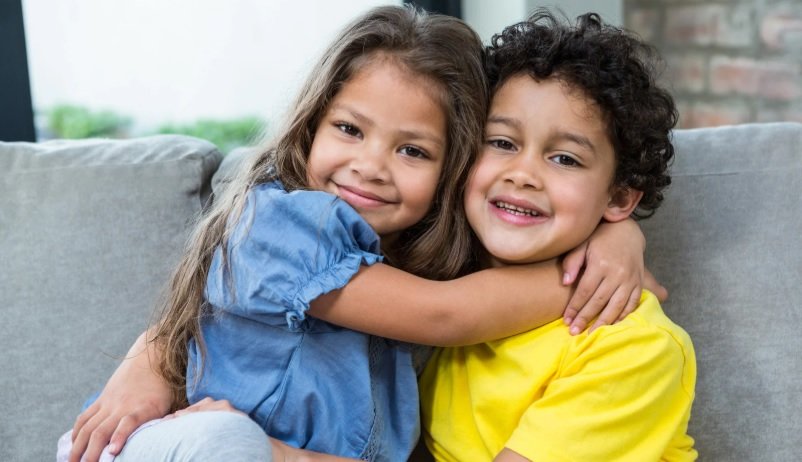
Sibling Attachment. How do brothers and sisters shape each other’s emotions, behavior, and lifelong bonds? Do these early relationships quietly influence how we trust, compete, and connect with others as adults?
Sibling attachment refers to the emotional bond siblings form through daily interaction, shared caregiving, and mutual regulation of stress. Developmental research links secure sibling bond with stronger empathy, better conflict resolution, and higher social competence across childhood. Psychologists observe these effects even when parental attachment styles differ.
Yet these outcomes do not tell the whole story. Pioneers like John Bowlby and Mary Ainsworth show how attachment patterns evolve through proximity, responsiveness, and emotional availability between siblings. So, let’s examine how sibling attachment forms, why it matters, and what science reveals about nurturing healthier sibling bonds—are you ready to explore it?
What Is Sibling Attachment?
Sibling attachment refers to the emotional bond that develops between siblings during childhood and evolves over time. Rooted in sibling attachment theory — originally developed by psychologist John Bowlby—this concept extends beyond the parent-child relationship to examine how siblings serve as attachment figures for one another. Especially in families where siblings spend significant time together, they often function as sources of comfort, security, validation, and social learning.
Unlike parental attachment, which is typically hierarchical and caregiving-based, sibling attachment is more reciprocal. Older siblings may take on quasi-caregiver roles, while younger siblings often seek reassurance, modeling, and protection.
These roles can shift over time, creating a dynamic and adaptive bond. The quality of sibling attachment is influenced by several factors, including parental behavior, family stressors, temperament differences, and cultural expectations.
Healthy sibling bond is characterized by trust, emotional availability, and the ability to navigate conflict without long-term rupture. In contrast, insecure sibling attachment may involve rivalry, emotional distance, chronic conflict, or enmeshment. These early relational patterns often become templates that individuals unconsciously replicate in friendships, romantic relationships, and workplace interactions.
Can Insecure Attachment Affect Sibling Relationships?
Absolutely. Just as individuals can develop insecure attachment styles (anxious, avoidant, disorganized) with parents, these patterns can profoundly transfer to and manifest in sibling relationships. A child who does not feel securely attached to a primary caregiver may struggle to form a healthy bond with a sibling.
- Anxious-Preoccupied Dynamics: A child with an anxious attachment may become overly clingy, dependent, or jealous toward a sibling, constantly seeking validation and fearing abandonment within the relationship.
- Avoidant-Dismissive Dynamics: A child with an avoidant attachment may emotionally distance themselves from a sibling, rejecting overtures for closeness, sharing, or comfort, leading to a cold or rivalrous relationship.
- Disorganized Dynamics: Stemming from fear or trauma, this can result in highly unpredictable sibling interactions—swinging between aggression and desperate neediness, creating a chaotic and potentially harmful bond.
Furthermore, parental treatment plays a crucial role. Persistent parental favoritism, comparison, or failure to mediate conflicts fairly can exacerbate insecure attachments between siblings, fostering lasting resentment and emotional distance that can stretch well into adulthood.
The Truth About Birth Order
Birth order has long been a topic of popular psychology, credited with shaping personality traits—the responsible firstborn, the rebellious middle child, the pampered youngest. While these stereotypes are appealing, modern research suggests their influence is more nuanced and less deterministic than once believed.
The real impact of birth order on sibling attachment often lies in the differing roles and experiences within the family system, not in innate personality changes.
- Firstborns often experience a temporary “only child” status and may initially resist a sibling’s arrival, but they frequently take on caretaking or mentoring roles, which can foster protectiveness or authority-based conflict.
- Middle Children may develop strong negotiation and social skills as they navigate relationships with older and younger siblings, but they might also struggle for parental attention, potentially affecting their perceived place in the sibling hierarchy.
- Youngest Children are often the recipients of care from multiple family members, which can shape their expectations of relationships.
Ultimately, factors like gender, age gaps, family values, temperament, and overall parenting style interact with birth order to influence the bond. A five-year age gap creates a different dynamic than an eighteen-month gap. The quality of the parental relationship and the family’s emotional environment are far more predictive of attachment strength than birth order alone.
Which Is the Unhealthiest Attachment Style?
Within the framework of attachment theory, the disorganized attachment style is widely regarded as the most concerning and unhealthy, both in parent-child and sibling contexts. It arises from a fundamental dilemma: the source of fear (often a neglectful or abusive caregiver) is also the source of supposed comfort. This creates a “fear without solution.”
In sibling attachment, a disorganized dynamic might manifest when a sibling is both a bully and a protector, or when interactions are wildly inconsistent and laced with anxiety or fear. Signs include:
- Contradictory behaviors (approaching a sibling for comfort then suddenly freezing or hitting).
- Obvious confusion or apprehension in the sibling’s presence.
- Role reversal, where a child is forced to “parent” an older or volatile sibling.
This style is linked to the highest risk for future psychological difficulties, including emotional dysregulation, dissociative symptoms, and challenges in forming stable relationships. It often stems from unresolved trauma or loss in the parent, which then disrupts the entire family’s attachment network. While anxious and avoidant styles have challenges, they are organized strategies; disorganized attachment reflects a collapse of strategy, making it the most detrimental.
What Are the Four Main Types of Sibling Interactions?
Psychologist Judy Dunn identified broad patterns of sibling interaction that define the quality of the bond. These types are not always static; siblings can move between them over time, but they offer a clear framework for understanding relationship dynamics.
- The Caretaker Relationship: One sibling, often older, takes on a nurturing, protective, and teaching role. This can foster a warm, secure bond but may sometimes lead to a hierarchical dynamic that limits peer-like friendship.
- The Buddy Relationship: Characterized by closeness, companionship, and mutual enjoyment. Siblings in this category are friends and confidants, sharing activities and emotions freely. This pattern most strongly promotes a secure sibling affection and lifelong friendship.
- The Rival Relationship: Centered on competition for parental attention, resources, and status. Interactions are marked by comparison, jealousy, and frequent conflict. While some rivalry is normal, a relationship dominated by it can create lasting insecurity and distance.
- The Casual/Uninvolved Relationship: Siblings in this category lead largely separate lives with minimal emotional engagement. They may not be hostile, but they are indifferent, with little interest in each other’s lives. This often results from large age gaps, markedly different temperaments, or family structures that don’t encourage connection.
Is There Such a Thing as Sibling Therapy?
Yes, absolutely. Sibling therapy is a recognized and effective form of family therapy that focuses specifically on improving the relationship between brothers and sisters. It is beneficial for siblings struggling with entrenched conflict, estrangement, unresolved childhood wounds, or the need to collaborate in caring for aging parents.
The process typically involves:
- Creating a Neutral Space: A therapist provides a safe, impartial environment where each sibling can express their feelings without interruption or judgment.
- Unpacking History: Exploring family narratives, roles assigned in childhood, and perceived favoritism to understand the root of current tensions.
- Improving Communication: Teaching active listening, non-defensive speaking, and conflict de-escalation techniques tailored to their specific patterns.
- Setting Boundaries & Rebuilding Trust: Helping siblings establish healthy adult boundaries and identify small, manageable steps to rebuild reliability and trust.
- Facilitating Forgiveness: Guiding siblings through processes of acknowledging hurt and working toward forgiveness or acceptance, even if full reconciliation isn’t possible.
Sibling therapy can be transformative, helping adults move from being “obligatory relatives” to chosen allies, strengthening the sibling attachment in its mature form.
Commonly Asked Questions about Unhealthy Sibling Attachment (FAQs)
What is the psychology behind sibling rivalry?
Sibling rivalry stems from competition for parental attention and resources. It is a normal psychological process where getting along is challenged, helping children learn conflict resolution, but extreme rivalry can harm the quality of sibling relationships.
Can siblings cause attachment issues?
Yes, negative sibling interactions like bullying can contribute to insecure attachment, sibling attachment disorder, affecting trust in close relationships. However, positive and secure quality of sibling relationships often promotes healthy emotional development and resilience.
What is sibling attachment and how does it form?
Sibling attachment refers to emotional bonds between siblings formed from infancy through adolescence and adulthood. Early attachment interactions, sibling socialization, and family relationships create a secure base for younger siblings, shaping peer relationships, adult sibling relationships, and broader social functioning.
How do sibling dynamics influence sibling rivalry and conflict?
Sibling dynamics, including temperament, parental treatment, and similarity of siblings’ attachments, contribute to sibling rivalry and conflict. Variations in sibling bond strength predict whether relationships may become supportive or hostile, affecting adolescent sibling adjustment and relationships across the life span.
Can sibling attachment affect adult attachment and relationships in adulthood?
Yes. Attachment relationships between siblings can influence adult attachment patterns, shaping expectations in romantic and peer relationships. Longitudinal research shows sibling bond strength and early attachment experiences help predict whether adults develop secure or insecure relationships, relating among adult siblings.
What role does sibling socialization play in personality and social development?
Sibling socialization provides practice for negotiation, conflict resolution, and empathy, influencing personality and social skills. Through sibling dynamics, children learn about trust, boundary-setting, and peer relationships. Positive sibling relationships create a sense of security aiding relationships throughout childhood and beyond.
How do variations in sibling relationship quality emerge?
Variations in sibling relationship closeness arise from birth order, age gap, parental differential treatment, personality, and early attachment histories. Siblings more likely experience conflict or closeness depending on similarity of siblings’ attachments, family dynamics, and stressors across childhood and adolescence.
What does longitudinal sibling research tell us about relationships across the life span?
Longitudinal sibling research indicates that early attachment and sibling relationship quality predict outcomes. Positive sibling bonds can buffer stress and promote adaptive attachment, while chronic sibling conflict predicts poorer mental health. Research supports studying relationships throughout childhood, adolescence, and adulthood.
How can parents foster positive sibling relationships and reduce sibling rivalry?
Parents can encourage positive sibling bonds by modeling respectful conflict resolution, avoiding favoritism, and fostering cooperative tasks. Early attachment promotion and consistent family routines improve sibling relationship quality, reducing sibling rivalry and conflict while strengthening family relationships among siblings positively.
Do sibling attachments differ between sisters and brothers or vary by gap between siblings?
Sibling bond can vary by gender, with sister or brother pairs sometimes showing different patterns, and by gap between siblings. Personality, parental treatment, and socialization contribute, with attachment research linking these variations to relationships in adulthood and family relationships positively.
Conclusion
Our bonds with our siblings are complex tapestries woven from shared history, competing needs, deep loyalty, and sometimes, profound hurt. Understanding these relationships through the lens of sibling attachment provides invaluable insight into our own emotional blueprints and relational patterns. Whether secure or insecure, these early horizontal bonds shape our capacity for friendship, partnership, and collaboration throughout our lives.
The healthiest sibling attachments are not necessarily conflict-free, but they are resilient—built on a foundation of repaired ruptures, earned trust, and enduring empathy. By recognizing the impact of birth order myths, identifying unhealthy interaction styles, and even seeking professional help like sibling therapy when needed, we can choose to nurture and repair these irreplaceable bonds. In doing so, we honor a relationship that holds a unique power to reflect our past, support our present, and companion us into the future.
Recommended posts
- The Importance of Sibling Relationships for Lifelong Bonds
- Sibling Bond Meaning: Love, Rivalry, and Lifelong Loyalty
- Healing Sibling Estrangement in Adulthood: A Practical Path
- Signs of Toxic Sibling Relationship Shouldn’t Ignore Anymore
- 7 Effective Sibling Conflict Resolution Activities That Work
- 5 Effective Ways to Improve Sibling Relationships at Any Age