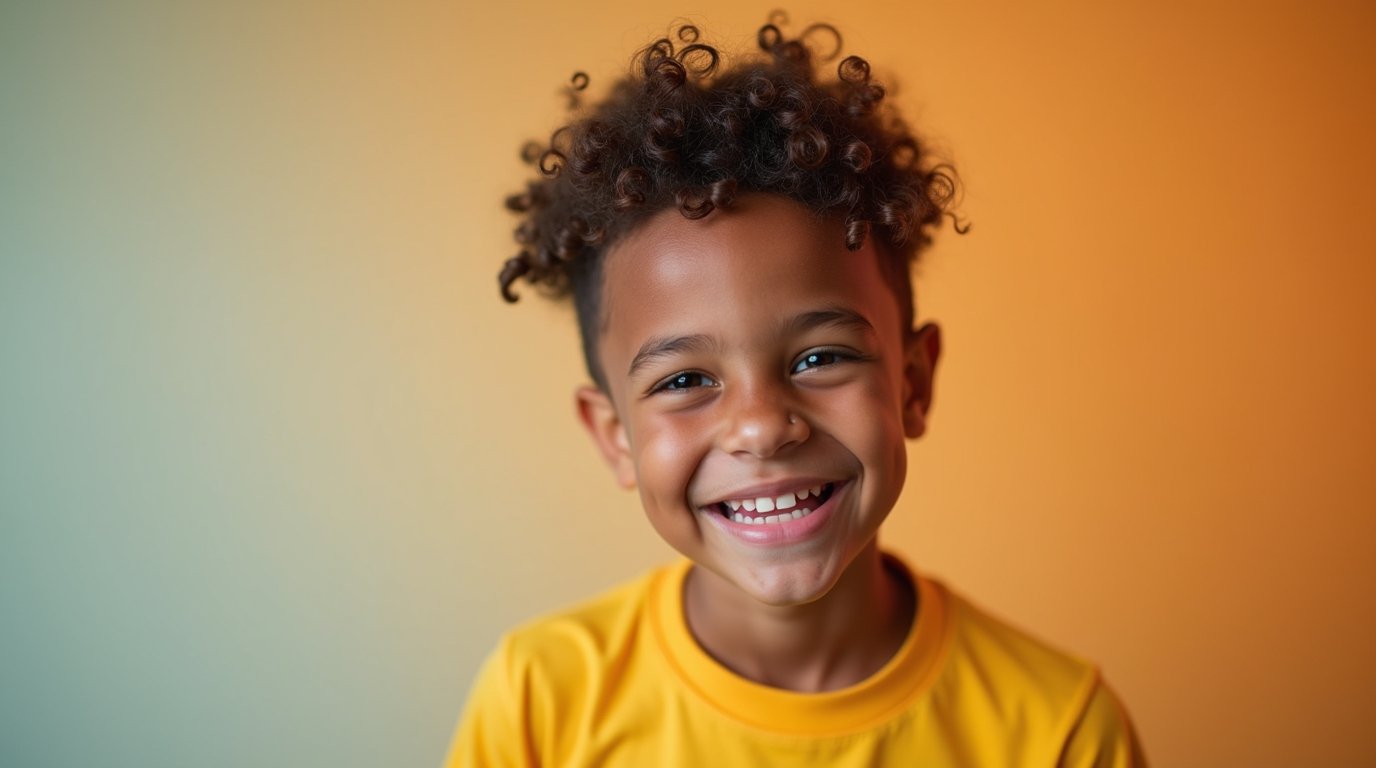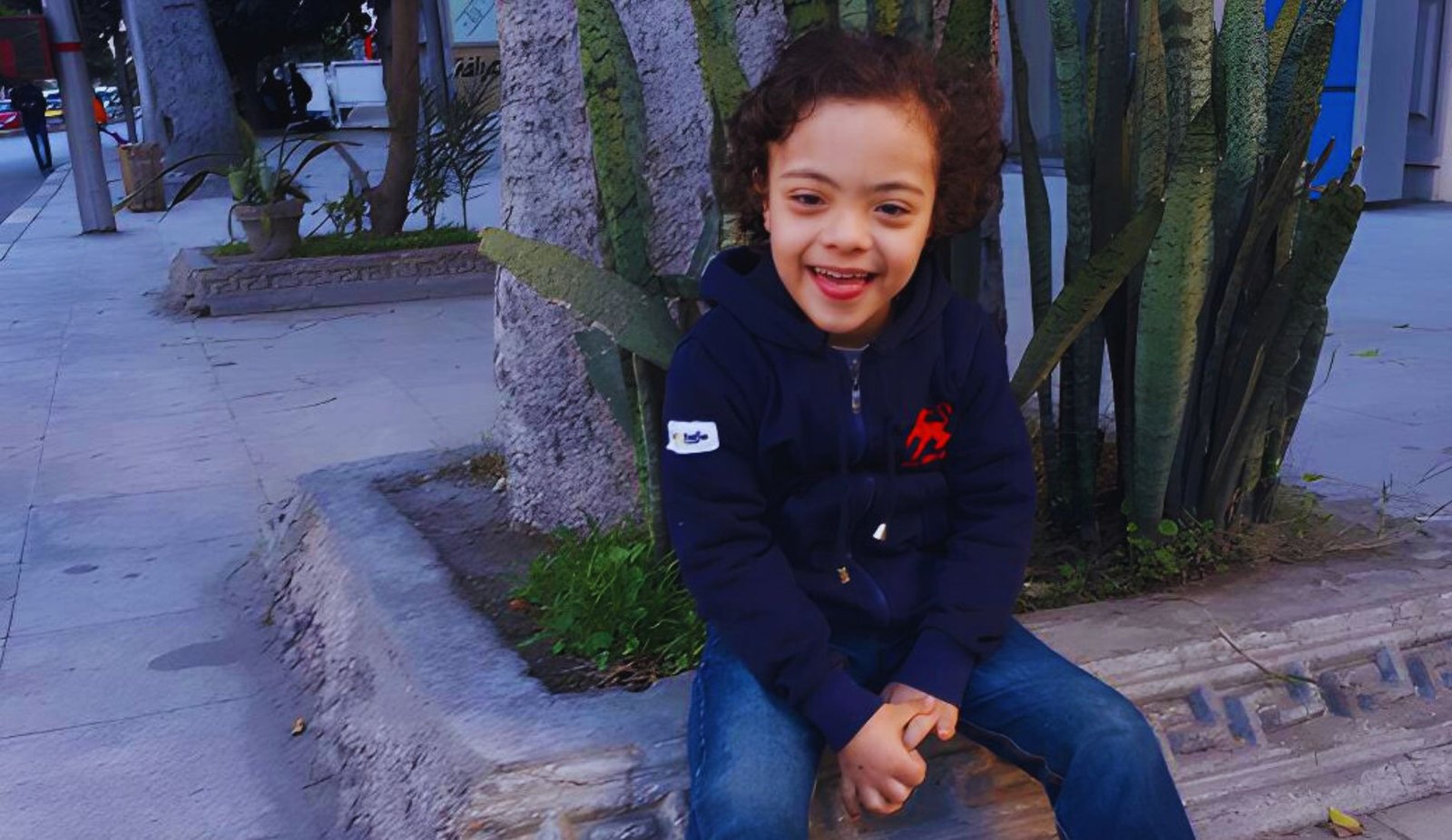
Down Syndrome smile—have you ever noticed how warm and contagious it feels? Why do so many people say that children with Down Syndrome have the brightest, most genuine smiles? There’s more behind that expression than meets the eye.
Individuals with Down Syndrome often smile with deep emotion, due to strong social awareness and a natural sense of connection. Their facial structure, including fuller cheeks and almond-shaped eyes, can make their smiles especially expressive. According to Dr. Dennis McGuire, a behavioral expert in Down Syndrome, these smiles reflect emotional intelligence and trust.
But it’s not just about looks—it’s about heart. These smiles often light up a room and build instant bonds. Let’s explore what makes the Down Syndrome smile so special, and why it leaves such a lasting impression on everyone it touches.
Why Down Syndrome Smile is So Recognizable and Warm
The Down Syndrome smile is often described as one of the most genuine, joyful expressions of happiness. But what makes it so instantly recognizable and emotionally resonant?
1. Neurological and Facial Features
People with Down syndrome tend to have unique craniofacial features due to the presence of an extra chromosome 21. These features—such as almond-shaped eyes, a slightly flatter facial profile, and hypotonia (reduced muscle tone)—can subtly affect the way smiles form. Hypotonia in particular can result in wider, softer smiles that remain on the face a bit longer than usual, making them feel more heartfelt and lingering.
2. Emotional Authenticity
Children and adults with Down syndrome are often praised for their emotional expressiveness and capacity for deep interpersonal connections. Their smiles are not simply reflexive; they are often deeply tied to the emotions of the moment. When someone with Down syndrome smiles, it typically conveys unfiltered joy, gratitude, or affection—emotions that register clearly and immediately.
3. Social Motivation and Bonding
Many individuals with Down syndrome have strong social motivation, meaning they enjoy and actively seek interaction. This social inclination naturally results in more frequent smiling, hugging, and eye contact. Smiling becomes a core tool for connection and communication, helping to form lasting social bonds.
In essence, the Down Syndrome smile resonates so strongly because it merges unique physiological factors with a remarkable emotional depth, creating a universally recognized and celebrated expression of joy.
Smile on Down Syndrome: Bright Hope for Tomorrow
Smiles are not only moments of happiness; they are indicators of cognitive and emotional development, especially in individuals with developmental disorders like Down syndrome. The smile on Down syndrome individuals often serves as a symbol of resilience, positivity, and the potential for a full, meaningful life.
Hope Through Expression
For many parents, the first smile from their child with Down syndrome can bring overwhelming joy and relief. It often marks a major developmental milestone and serves as reassurance that their child is engaging with the world in emotionally meaningful ways.
Therapy and Milestones
Therapists frequently use smiles as indicators of progress in emotional regulation, sensory integration, and social communication. A child’s ability to smile appropriately and responsively is often an early sign of successful early intervention strategies.
Smiles as a Form of Advocacy
Images of smiling children and adults with Down syndrome have become powerful tools in advocacy campaigns. They challenge outdated stereotypes and communicate an essential truth: individuals with Down syndrome are capable of joy, achievement, and rich emotional lives. Their smiles are a call to inclusion and respect.
In this context, the Down Syndrome smile is more than just a momentary gesture—it’s a symbol of hope, inclusion, and a bright future filled with potential.
Aspects of Early Social Smiling by Infants With Down’s Syndrome
Early social smiling is one of the first ways infants begin to connect with their caregivers, and in infants with Down syndrome, it carries additional significance in developmental assessment and intervention planning.
When Does Smiling Begin?
Typically developing infants begin to smile socially between 6 to 8 weeks of age. For infants with Down syndrome, this milestone may be slightly delayed—often occurring between 8 to 12 weeks—but it is no less meaningful.
Characteristics of Smiles in Infants With Down Syndrome
- Delayed Onset: Due to hypotonia and global developmental delays, infants with Down syndrome may show social smiling a bit later.
- Increased Duration: Studies have shown that when these infants do smile, their smiles often last longer and involve the entire face.
- Responsiveness to Stimuli: Infants with Down syndrome may smile more in response to familiar voices, faces, and touch, highlighting their strong social orientation.
Why Early Smiling Matters
Social smiling is a crucial milestone because it signals emotional engagement and social awareness. It provides caregivers with feedback that their infant is processing social cues and beginning to form attachments. For clinicians, it offers insight into early neural development and responsiveness to social interaction.
Early detection of delays in smiling can guide interventions, helping therapists and families support the child’s emotional and communicative growth from the very beginning.
A Smiling Star for Kids and Adults With Down Syndrome
Children and adults with Down syndrome often exude a sense of joy and emotional openness that draws others to them. The smiling star—a term used affectionately by many educators and therapists—refers to the positive energy and warmth they radiate through smiles.
In Schools
Teachers often note that students with Down syndrome play key roles in classroom communities, partly because of their expressive, inclusive nature. Their smiles are not only tools of communication but also catalysts for peer bonding and emotional connection. Educators often refer to these children as the “emotional glue” of the class.
In the Workplace
Adults with Down syndrome who are employed in inclusive settings often receive praise for their positive attitudes. Their smiles can create a more inclusive and supportive work environment, influencing team morale and interpersonal harmony.
In Media and Representation
From fashion campaigns to TV appearances, individuals with Down syndrome are now more visible in public media—and their smiles are front and center. These positive representations are not just about visibility; they are about celebrating authentic joy and breaking down misconceptions.
In every phase of life, the Down Syndrome smile stands out as a reminder of humanity’s shared emotional experiences—and the power of a single smile to change perceptions and open hearts.
NDSS Resources About Down Syndrome Smile
The National Down Syndrome Society website (NDSS) offers an extensive range of resources that support families, educators, and healthcare professionals in understanding the emotional and developmental aspects of Down syndrome—including the significance of smiling and other forms of emotional expression.
Key Resources:
- Early Intervention Guidelines: NDSS provides comprehensive materials for recognizing developmental milestones, including early social smiling.
- Healthcare Professional Toolkits: These resources help clinicians understand the behavioral and emotional patterns seen in children with Down syndrome.
- Family Support Programs: NDSS connects families with local support networks where shared experiences, such as the joy of a child’s first smile, are celebrated.
- Awareness Campaigns: Through photography and storytelling, NDSS promotes positive imagery of smiling individuals with Down syndrome to combat stigma and foster inclusion.
By utilizing these resources, families can better support their children’s social-emotional development while advocating for greater visibility and acceptance in broader society.
Commonly Asked Questions about Smile Down Syndrome kids (FAQs)
What is Down syndrome and how does it affect babies?
Down syndrome is a genetic condition caused by the presence of an extra chromosome 21. This condition can lead to developmental delays and various health challenges in babies. However, with early intervention and support services, babies with Down syndrome can thrive and grow into healthy children.
How can families support a child with Down syndrome?
Families can support a child with Down syndrome by providing a nurturing environment and accessing resources tailored to their needs. Engaging with community events, connecting with support groups, and utilizing educational programs are crucial in promoting a child’s development and inclusion in society.
What types of therapy are beneficial for individuals with Down syndrome?
Several therapies can benefit individuals with Down syndrome, including speech therapy, occupational therapy, and physical therapy. These therapies address the unique challenges faced by children and adults with Down syndrome, helping them develop essential skills and improve their overall quality of life.
Are there specific health concerns for babies with Down syndrome?
Yes, babies with Down syndrome may face specific health concerns, including congenital heart defects, hearing issues, and thyroid problems. Regular medical evaluations and a network of support services are essential to monitor and manage these conditions effectively.
How do I find support services for a child with Down syndrome?
Support services can be found through local organizations, the National Down Syndrome Society (NDSS), and medical providers. These networks can provide assistance in accessing educational resources, therapy options, and community support tailored to meet the unique needs of individuals with Down syndrome.
What is the importance of early intervention for children with Down syndrome?
Early intervention is critical for children with Down syndrome as it can significantly enhance their developmental outcomes. Programs that focus on speech, physical, and social skills help children reach important milestones and promote their independence as they grow older.
Can adults with Down syndrome lead independent lives?
Many adults with Down syndrome can lead independent lives, especially when provided with the right support and resources. Programs that focus on life skills training, job coaching, and social integration play a vital role in promoting independence and community involvement.
What role does the Down syndrome community play for families?
The Down syndrome community provides essential resources, encouragement, and a network of support for families. By connecting with other families and organizations, parents can share experiences, access information, and find emotional support, making the journey easier and more fulfilling.
What are the early intervention activities for Down syndrome?
Early intervention for Down syndrome after birth includes physical, speech, and occupational therapy. Stimulating play, muscle-strengthening exercises, and feeding support boost development. Start services ASAP for best outcomes.
Conclusion
The Down Syndrome smile is more than just a beautiful, heartwarming expression—it is a symbol of connection, resilience, and human joy. Rooted in unique neurological and emotional traits, this smile represents the deep social and emotional intelligence of individuals with Down syndrome.
From infancy to adulthood, the smile remains a consistent indicator of emotional growth, social bonding, and inclusion. It is recognized in classrooms, workplaces, and communities as a powerful force of positivity. With the support of organizations like NDSS and a growing global movement toward inclusion, the world is beginning to appreciate the full depth of what that smile represents.
Whether seen in a baby’s first social grin or an adult’s joyful interaction, the Down Syndrome smile radiates love, authenticity, and the universal human need to connect. And in doing so, it continues to redefine perceptions and open hearts around the world.
Recommended posts
- Down Syndrome Developmental Milestones (Tracking Progress)
- Early Signs of Autism in Newborns for New Parents
- Down Syndrome Face Features 101: Science, Signs, and Support