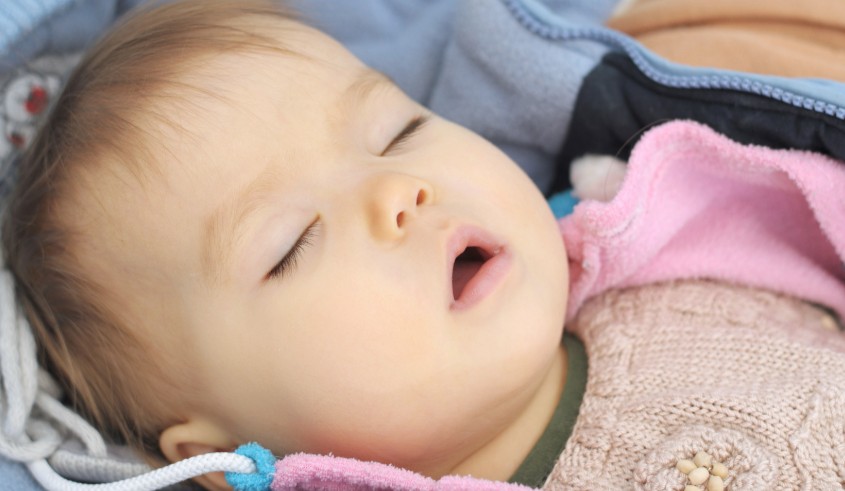
Why do your newborn sleeps with mouth open? Is it just a harmless habit or a sign of something more serious? In this blog we uncover the medical and environmental reasons behind this puzzling behavior. If you’ve noticed this in your baby, you’re not alone—and it’s worth exploring.
Mouth breathing in newborns can result from nasal congestion, enlarged adenoids, tongue tie, or even a structural issue. Pediatric experts say most causes are temporary, but some need medical attention. This article covers all the key reasons newborn sleep with open mouth, along with practical tips and doctor-recommended solutions for parents.
But don’t rely on guesswork when it comes to your baby’s breathing. Dr. Harvey Karp, renowned pediatrician and author of The Happiest Baby on the Block, emphasizes early awareness and intervention. So, let’s dive into the full picture to understand what’s normal, what’s not, and how you can help your baby breathe—and sleep—better.
Babies Sleeping With Their Mouths Open: What Can It Mean?
When a baby sleeps with their mouth open, it can indicate several factors influencing their breathing patterns. This habit may stem from a stuffy nose, causing the baby to breathe through their mouth instead. Moreover, mouth breathing can lead to a dry mouth, which might cause discomfort during sleep.
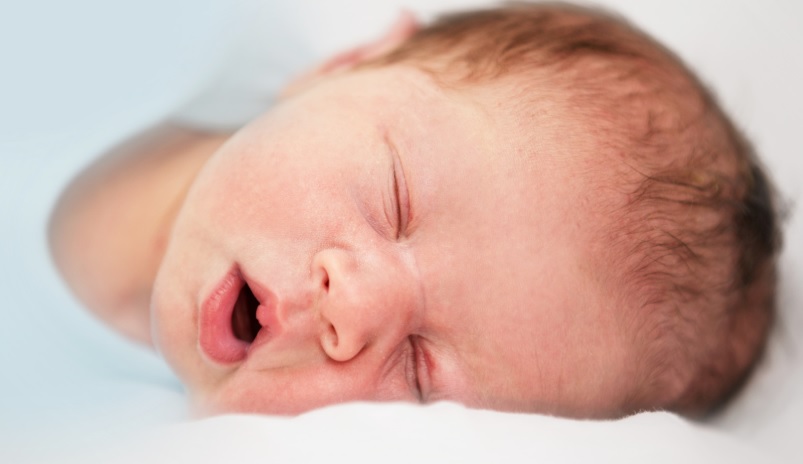
In some cases, it can also signify underlying health conditions such as allergies or enlarged adenoids, which block the nasal passage. Parents should notice mouth breathing habits and consult a pediatrician if they notice persistent mouth breathing, as it may warrant further investigation.
Additionally, sleeping with an open mouth can sometimes be a natural phase of development. Infants have relatively smaller nasal passages, making it challenging for them to breathe through baby’s nose effectively.
If a baby has a cold or nasal congestion, they may resort to mouth breathing as a coping mechanism. However, if this behavior continues beyond infancy or is accompanied by other symptoms like snoring or pauses in breathing, a more comprehensive evaluation by a healthcare professional is advisable.
Is It Normal if Newborn Sleeps with Mouth Open?
It is relatively common for newborns to sleep with their mouths open, especially as they adapt to their new environment. Babies primarily breathe through their nose, but when faced with nasal congestion or other issues, they may switch to mouth breathing.
This behavior can be a temporary response and may not pose a significant health risk. However, if mouth breathing persists, it can lead to complications like dry mouth or even dental problems later on. Parents should monitor their baby’s sleep patterns and be aware of any accompanying symptoms that may indicate an underlying health concern.
In some instances, mouth breathing may be a normal part of a baby’s growth, particularly during their early months. It’s essential to consider factors such as seasonal allergies or respiratory infections that may contribute to a stuffy nose.
Maintaining an optimal sleeping environment, such as using a cool mist humidifier, can help ease nasal congestion and promote healthier breathing during sleep. Ultimately, if parents have concerns or notice unusual patterns, consulting with a pediatrician can provide peace of mind and appropriate guidance.
Causes of Baby Sleeping with Mouth Open
Several factors can contribute to a baby sleeping with their mouth open. One common cause is nasal congestion, which may arise from allergies, colds, or even environmental irritants. When a baby’s nasal passages are blocked, they are more likely to breathe through their mouth as an alternative.
Additionally, enlarged adenoids and tonsils can create a blockage in the upper airway, leading to mouth breathing during sleep. Identifying and addressing these issues early on can help prevent complications and promote better sleep quality for the baby.
Another cause of mouth breathing in babies is a deviated septum, which can impair airflow through the nostrils. This condition, while less common, can lead to chronic mouth breathing if left untreated.
Parents should also consider the impact of dry air in the sleeping environment, which can exacerbate nasal congestion and encourage mouth breathing.
saline sprays or a bulb syringe can help clear any mucus buildup, making it easier for the baby to breathe through their nose and reducing the likelihood of sleeping with their mouth open.
How Can I Tell if My Child Has Sleep Apnea?
Identifying sleep apnea in children can be challenging, especially since symptoms may not always be obvious. Common indicators include loud snoring, pauses in breathing through the mouth during sleep, or gasping for air.
Parents may also notice their child frequently waking up at night or struggling to stay asleep. If a child exhibits these behaviors, it is crucial to consult a pediatrician for a comprehensive evaluation. The doctor may recommend a sleep study to monitor breathing patterns and assess for any underlying sleep disorders.
In addition to the physical symptoms, children with sleep apnea may experience daytime fatigue, irritability, or difficulty concentrating in school. These behavioral changes can stem from disrupted sleep patterns, making it essential for parents to be vigilant about their child’s sleeping habits.
If mouth breathing is accompanied by these signs, it could indicate the presence of sleep apnea. Early intervention is vital to address the condition and prevent long-term health complications, making it critical for parents to seek medical advice when in doubt.
Can Mouth Breathing Affect My Child’s Facial Development?
Mouth breathing in children can have significant implications for their facial development. When a child consistently breathes through their mouth, it can alter the natural growth patterns of their jaw and facial structure.
Over time, this may lead to dental issues, such as misaligned teeth or an improper bite. Additionally, chronic mouth breathing may affect the development of the palate, resulting in a higher arch. Such changes can have long-lasting aesthetic and functional consequences, making it essential for parents to address mouth breathing early on.
Moreover, the impact of mouth breathing extends beyond facial aesthetics. It can also influence speech development, leading to articulation problems or difficulty pronouncing certain sounds.
Children who breathe through their mouths may experience decreased airflow, which can affect their ability to speak clearly.
Early intervention, such as consulting with a pediatrician or an orthodontist, can help mitigate these effects and promote healthier oral habits. By addressing mouth breathing promptly, parents can support their child’s overall development and well-being.
Health Complications of Mouth Breathing
Mouth breathing can lead to a range of health complications, particularly if it becomes a chronic behavior. One of the primary concerns is the increased risk of dental problems, such as tooth decay or gum disease, due to dry mouth. Saliva plays a crucial role in maintaining oral health, and inadequate moisture in the mouth can lead to bacterial growth.
Additionally, children who breathe through their mouths are more susceptible to respiratory infections, as the air bypasses the natural filtration system of the nose. This can result in frequent illnesses and a compromised immune system.
Moreover, chronic mouth breathing can contribute to sleep disturbances, leading to fatigue and behavioral issues during the day. Children who experience disrupted sleep may have difficulty concentrating in school and may be more prone to irritability. Addressing mouth breathing early can help prevent these complications and ensure that children maintain optimal health and development.
Parents should be proactive in monitoring their child’s breathing habits and consulting a healthcare professional if they notice persistent mouth breathing or any related health concerns.
Treatments for Your Baby Sleeping with their Mouth Open
When it comes to treating a baby sleeping with their mouth open, addressing the underlying causes is crucial. For instance, if nasal congestion is present, utilizing a humidifier can help moisten the air and relieve symptoms.
Saline nasal sprays or a bulb syringe can assist in clearing mucus from the nasal passages, allowing the baby to breathe more comfortably through their nose. In cases where allergies are a concern, identifying and avoiding allergens can significantly improve breathing patterns during sleep.
If structural issues like enlarged tonsils or adenoids are causing mouth breathing, consulting with a pediatrician is essential for further evaluation. In some cases, surgical intervention may be necessary to remove these obstructions and restore proper airflow.
Additionally, parents can encourage their child to adopt healthier sleeping positions that promote nasal breathing. By taking a proactive approach to address mouth breathing, parents can help their baby enjoy better sleep quality and overall health.
Commonly Asked Questions about reasons of Newborn Sleeping with Mouth Open (FAQs)
What Causes Mouth Breathing at Night?
Baby may have a stuffy or blocked nose due to upper respiratory infections. When this happens, a sleeping baby may breathe through their mouth out of necessity, leading to mouth breathing.
Is it normal if my baby always sleeps with her mouth open?
Is it normal for newborns to sleep with mouth open? Sleeping with the mouth open is common in newborn babies, but if your baby starts sleeping with their mouth consistently, it may be a concern.
Why does my newborn sleep with her mouth open?
It can be a sign of sleep apnea. This mouth breathing may also occur if the baby’s mouth is blocked with mucus or if the nose is stuffy or blocked. When breathing difficulties arise, the baby may breathe easier through her mouth.
Why Is My Child Breathing Through Their Mouth?
Your child may breathe through their mouth due to nasal congestion, allergies, enlarged tonsils or adenoids, or a habit. Consult a pediatrician to identify and treat the cause.
When Can Babies Breathe Through Their Mouths?
Babies can breathe through their mouths starting around 3 to 4 months old, but prefer nasal breathing. Mouth breathing before then may indicate nasal blockage and needs medical attention.
Is it common for a baby to sleep with mouth open?
It’s not common for babies to sleep with their mouths open. It may signal nasal congestion, enlarged adenoids, or other issues. Consult a pediatrician if it happens regularly.
Conclusion
so why do newborn sleeps with mouth open? In conclusion, while it is relatively common for newborns to sleep with their mouths open, it is essential for parents to monitor this behavior closely. Understanding the causes of mouth breathing and its potential implications can help parents take appropriate action to ensure their child’s health and well-being. Whether through addressing nasal congestion, consulting a pediatrician, or implementing preventative measures, there are various strategies to promote healthier breathing patterns. By being vigilant and proactive, parents can support their baby’s development and foster a peaceful sleeping environment.
You might also like
- What Should a Newborn Wear to Sleep? Tips for Swaddling Baby
- Newborn Fighting Sleep? Tips to Help Your Baby Rest Better
- Why do Newborn Cries When Put Down & How to Help!
- Secrets Behind Newborn Giggles in Sleep You’ll Want to Know
- Newborn Spit Up in Sleep: Causes, Concerns & Parent Tips
- Can Newborn Sleep in Pack N Play? (Is It Safe or Not?)
- The 5 Top Parenting Books for Newborns for New Parent: Must Read
- Baby Mouth Breathing: Causes, Concerns, and What to Do
- 7 Reasons Newborn Sticking Tongue Out & When to Seek Help!
- Newborn Sleeping with Mouth Open but Breathing Through Nose