
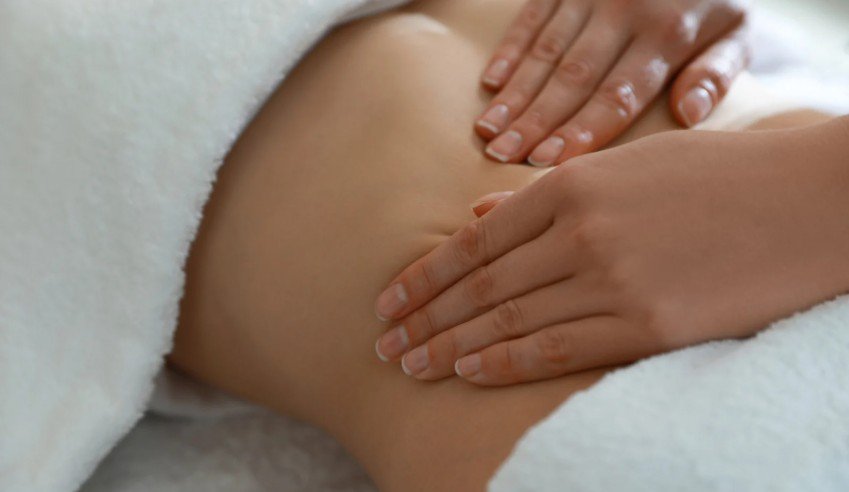
Have you considered postpartum massage as part of your recovery? Many new mothers use it to ease muscle tension, increases circulation, and support emotional well-being after childbirth. But how soon can you start, and what benefits can you expect?
Postpartum massage can help reduce swelling, relieve back and shoulder pain, and promote relaxation during the early weeks after birth. Depending on your birth experience and healing progress, some women start within days, while others wait a few weeks with their doctor’s approval.
But the techniques and timing matter for safe and effective results. Massage therapist and maternal care specialist Susan Cotta emphasizes gentle, targeted methods to support healing. Want to discover the right approach for your recovery after birth? Let’s explore your options in detail and learn more about the benefits of postnatal massage at home.
What Is Postpartum Massage?
Postpartum massage refers to therapeutic massage techniques specifically designed to help a mother’s full body recover after childbirth. Unlike general massage, it addresses the unique physical changes, hormonal shifts, and muscle tension that occur after pregnancy and delivery.
This type of post natal massage often includes a combination of gentle Swedish strokes, deep tissue techniques for targeted muscle relief, lymphatic drainage to reduce swelling, and abdominal massage to support uterine recovery. It may also incorporate breathing exercises and relaxation methods to help regulate stress hormones.
After birth massage is adaptable and can be performed in various settings—at home, in a spa, or even in a hospital—depending on the mother’s condition and preferences. It’s usually tailored to factors like:
- The type of delivery (vaginal or cesarean)
- Healing progress
- Comfort level with pressure and positioning
- Whether the mother is breastfeeding
The Importance of Postpartum Recovery
The postpartum period, also called the “fourth trimester,” is often underestimated in terms of its physical and emotional demands. During pregnancy, a woman’s body undergoes massive changes: ligaments loosen, the center of gravity shifts, muscles stretch, and internal organs adjust to accommodate the growing baby. Childbirth itself, whether vaginal or surgical, requires significant healing.
Key areas of postpartum recovery include:
- Physical Healing – Repairing tissue, rebuilding muscle tone, and restoring pelvic floor strength.
- Hormonal Adjustment – Balancing estrogen, progesterone, and other hormones that fluctuate dramatically after birth.
- Emotional Adaptation – Coping with mood swings, stress, and potential postpartum depression or anxiety.
- Breastfeeding Support – Managing tension in the shoulders, neck, and upper back caused by feeding and carrying the baby.
- Sleep Deprivation Management – Supporting the body’s ability to rest and recover despite irregular sleep schedules.
Neglecting this recovery phase can contribute to chronic back pain, pelvic floor dysfunction, prolonged fatigue, and heightened stress. Incorporating therapies like postpartum massage can help bridge the gap between childbirth and full restoration of health.
The 7 Benefits of Postpartum Massage
Postpartum massage offers a range of benefits that go far beyond simple relaxation. Here are seven surprising ways it supports recovery:
1. Reduces Swelling and Fluid Retention
During pregnancy, the body naturally retains extra fluids to support the baby and prepare for delivery. Hormonal changes and reduced circulation can cause lingering puffiness in the hands, feet, and legs after birth. Gentle lymphatic massage stimulates the lymph system, encouraging fluid drainage and reducing swelling.
2. Eases Muscle Tension and Pain
Labor, delivery, and caring for a newborn can strain muscles—especially in the neck, shoulders, lower back, and hips. Deep tissue massage techniques can target knots, improve flexibility, and restore comfort to overworked areas.
3. Supports Uterine Recovery
Postpartum abdominal massage can stimulate uterine contractions, helping the uterus return to its pre-pregnancy size more quickly. It can also promote blood flow to the area, aiding tissue repair.
4. Improves Posture
Pregnancy alters posture as the growing belly pulls the spine forward. After birth, new mothers often adopt positions that strain the back and shoulders, such as leaning over to breastfeed or holding the baby for extended periods. Post natal massage can release tight muscles, making it easier to stand and sit with proper alignment.
5. Promotes Emotional Well-being
Massage triggers the release of endorphins, serotonin, and dopamine—natural mood enhancers that help combat postpartum blues. It also lowers cortisol levels, reducing stress and promoting a sense of calm.
6. Enhances Sleep Quality
Even short, restorative naps can feel deeper and more rejuvenating after full body massage. By reducing muscle discomfort and calming the nervous system, postpartum massage supports better rest despite irregular sleep patterns.
7. Aids in Scar Tissue Healing
For mothers who have had a cesarean section, gentle scar tissue massage (after medical clearance) can improve mobility, reduce adhesions, and support smoother skin healing.
When Can You Get a Massage Postpartum?
The timing for postpartum massage depends on your delivery type, overall health, and your doctor’s recommendations.
- After Vaginal Delivery: Many women can begin gentle massage within a few days, provided there are no complications such as severe perineal tears or infections.
- After Cesarean Delivery: It’s typically best to wait at least 4–6 weeks, or until your doctor confirms the incision has healed enough for massage in that area.
General guidelines include:
- Start with gentle, non-invasive techniques in the early days.
- Avoid deep abdominal massage until at least 6 weeks postpartum.
- If breastfeeding, consider scheduling your massage after a feeding for maximum milk production.
- Always inform your therapist about your birth experience, pain points, and any ongoing medical concerns.
Postpartum Massage Techniques
Several massage techniques are particularly effective for postpartum recovery. A skilled therapist may use a blend of the following:
1. Swedish Massage
This gentle, flowing style focuses on relaxation, improving circulation, and reducing muscle tension. It’s ideal for early postpartum recovery when the body is still tender.
2. Deep Tissue Massage
Using firm pressure to release chronic tension, this method targets deeper muscle layers. It’s beneficial for shoulder, neck, and lower back pain but should be introduced gradually.
3. Lymphatic Drainage
A light, rhythmic technique that stimulates the lymphatic system to reduce swelling and detoxify the body.
4. Abdominal Massage
Applied only after sufficient healing, abdominal massage supports organ repositioning, uterine recovery, and digestive health.
5. Myofascial Release
This technique works on connective tissue restrictions to improve mobility and relieve pain, especially after cesarean surgery.
6. Breast Massage (Optional)
When performed by a trained therapist, gentle breast massage can relieve engorgement, improve milk flow, and prevent blocked ducts.
Commonly Asked Questions about Postnatal Massage Benefits (FAQs)
When can I have a massage after giving birth?
You can have a massage as soon as 1-2 weeks postpartum if delivery was uncomplicated. Always get doctor approval first. Gentle postpartum support massages aid recovery—avoid deep tissue until fully healed.
How to do postpartum massage at home?
Use gentle massage to help your body and mind recover postpartum. Focus on the abdomen (light circular motions) and back massage for relaxation. Postpartum massage has been shown to reduce pain—avoid deep pressure. Always consult your doctor first.
What is postpartum massage?
Postpartum massage is a specialized type of massage therapy designed to help new mothers recover after giving birth. It focuses on the physical and emotional changes that occur during the postpartum period, promoting relaxation, reducing stress reduction, and aiding in the healing of the body.
When can I start postpartum massage after giving birth?
It is generally recommended to start post natal massage within the first 12 weeks after giving birth. However, it’s essential to check with your doctor or midwife before beginning any massage therapy to ensure it’s safe for your specific situation.
What are the benefits of postpartum massage?
The benefits of prenatal massages: Postpartum massage offers numerous benefits, including reduced swelling, relief from aches and pains, improved circulation, and enhanced relaxation. It can also help the uterus contract back to its pre-pregnancy size and alleviate symptoms of postpartum depression.
Where to find post pregnancy massage near me?
Search “postpartum massage near me” on Google or wellness apps like SpaFinder. Check licensed therapists specializing in postpartum care, or ask your OB-GYN for recommendations. Always verify credentials for safety before scheduling an appointment.
Can massage therapy help with C-section recovery?
Yes, massage therapy can be beneficial for C-section recovery. Gentle abdominal and fundal massage can aid in healing the surgical site, reduce scar tissue, and help the body recover more effectively. Always consult with a healthcare professional before starting massage therapy after a C-section.
What types of massage techniques are used in postpartum massage?
Various massage techniques can be used in postpartum massage, including gentle strokes, lymphatic drainage, and craniosacral therapy. Each technique aims to promote relaxation, reduce tension, and support the body’s healing process after childbirth.
How does postpartum massage help my body recover?
Postpartum massage helps your body recover by promoting blood circulation, reducing muscle tension, and relieving stress. It also supports hormonal balance, which can be crucial for new moms dealing with fluctuations in prolactin and other hormones during the early postpartum period.
Is it safe to have a massage during breastfeeding?
Yes, postpartum massage is generally safe while breastfeeding. In fact, it can help promote relaxation, which may assist in the breastfeeding process. However, it’s essential to communicate with your massage therapist about your breastfeeding status and any specific concerns you may have.
Can I get a massage at home during my postpartum recovery?
Absolutely! Many massage therapists offer at-home services, allowing you to enjoy the benefits of massage in the comfort of your home. This can be particularly helpful for new moms who are managing the demands of a newborn and may find it challenging to visit a spa or clinic.
What should I look for when finding a massage therapist for postpartum care?
When looking for after birth massage therapist for postpartum care, seek someone with experience in prenatal and postpartum massage. It’s also beneficial to find a therapist who is knowledgeable about the specific needs of new mothers and can tailor the massage techniques to your recovery needs.
How can essential oils enhance my postpartum massage experience?
Essential oils can enhance your postpartum massage experience by providing additional relaxation benefits and promoting emotional well-being. Oils like lavender and chamomile are known for their calming properties, while others may help reduce inflammation and improve circulation. Always consult with your therapist regarding the use of essential oils during your massage.
What areas should not be massaged during pregnancy?
Avoid massaging the abdomen, lower back, and pressure points like ankles/wrists during massage during pregnancy, as they may trigger contractions. Always consult your doctor and choose a prenatal-certified therapist for safe techniques.
What is the best massage after pregnancy?
The best massage after pregnancy is a gentle postpartum massage, ideally on a massage table with proper support. Focus on relaxation, easing muscle tension, and improving circulation—always consult your doctor before starting.
Conclusion
Where to find postnatal massage near me? After birth massage is far more than a pampering treat—it’s a targeted, evidence-backed practice that helps new mothers heal faster, feel stronger, and better cope with the physical and emotional demands of early motherhood. By improving circulation, reducing pain, balancing hormones, and promoting relaxation, it can significantly enhance the postpartum experience.
If you’re considering postpartum massage, consult your healthcare provider to determine the safest timing and techniques for your unique situation. Then, choose a certified therapist experienced in postpartum care to ensure you get the maximum benefit from each session.
A well-cared-for mother is better equipped to care for her baby, and investing in your own recovery is one of the most valuable gifts you can give both yourself and your family.
Recommended posts
- Postpartum Dandruff: Causes, Remedies, and Scalp Care Tips
- 5 Effective Tips for Relief Postpartum Back Pain that Work!
- Postpartum Pelvic Pain When Walking – The Shocking Truth
- Hot Flashes Postpartum – Causes, Duration & Easy Relief Tips
- Is it Just Symptoms of Postpartum Depression, or Baby Blues?

