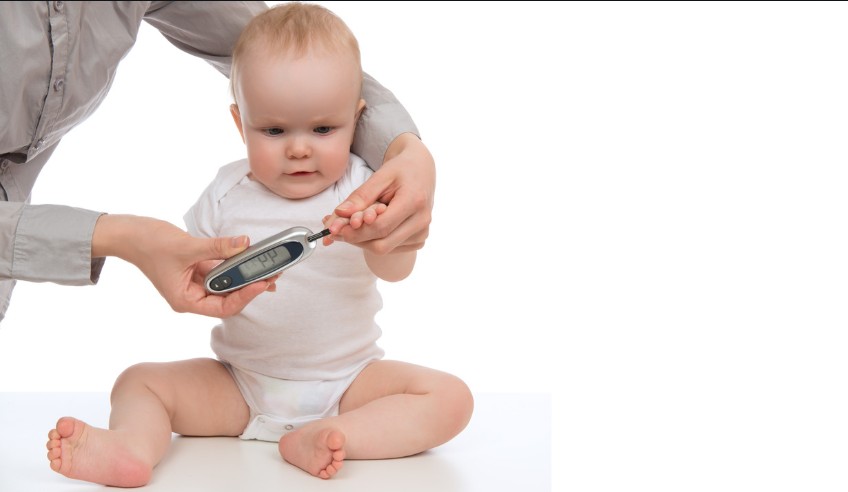
What should be the normal blood glucose for newborn babies, and why is it so important to monitor it in the first few hours of life? Parents often worry when doctors talk about sugar levels right after birth. Understanding what’s normal can make a huge difference in newborn care and health outcomes.
The normal blood glucose level for a newborn ranges between 70 and 150 mg/dL. At birth, levels may briefly drop but usually stabilize within a few hours. This article explains the healthy range, when intervention is needed, and what factors influence glucose levels in newborns.
Dr. William Hay, a leading neonatologist and professor of pediatrics, has emphasized how crucial early glucose monitoring is in preventing complications. But there’s more to it than just numbers. Let’s explore everything you need to know to ensure your baby’s sugar levels stay in the safe zone.
Can a Newborn Have Low Blood Sugar?
Yes, newborns can experience low blood sugar, also known as hypoglycemia. This condition is particularly prevalent in babies born to mothers with gestational diabetes or those with low birth weight. During the first few hours of life, newborns may struggle to maintain an adequate blood glucose level due to their immature glucose production mechanisms.

Monitoring blood glucose levels is vital in these cases, as untreated low blood sugar can lead to severe complications, including neurological damage. It is essential for healthcare providers to assess the glucose concentration in neonates routinely to prevent adverse outcomes.
Low blood sugar in newborns can manifest soon after birth, especially in preterm infants or those experiencing increased glucose use due to stress or illness. In such cases, pediatric healthcare practitioners emphasize the importance of early detection and intervention.
Blood glucose monitoring should begin in the first few hours of life, particularly in at-risk populations. Understanding the causes and implications of low blood glucose is critical for caregivers and healthcare providers alike, as timely responses can significantly impact a newborn’s health trajectory.
What is the Normal Blood Glucose for Newborn?
The normal blood glucose levels for newborns typically range from 45 mg/dl to 150 mg/dL, depending on the infant’s age and overall health. In the first few hours of life, it is common for blood sugar levels to be at the lower end of this spectrum, but they should stabilize as the infant adjusts to feeding and glucose production.
For term newborns, maintaining a normal glucose level is crucial to support their developing organs and brain. Newborn infants rely heavily on breast milk or formula to provide the necessary energy and nutrients to sustain newborn normal blood sugar levels.
In the context of neonatal health, it is crucial to monitor the plasma glucose levels for infants, especially within the first few days of life. This monitoring ensures that newborns are not at risk for hypoglycemia or hyperglycemia, both of which can have detrimental effects.
The normal glucose concentration should be re-evaluated after feeding, as breast milk can influence glucose levels significantly. Regular assessment of blood glucose values provides essential insights into the metabolic health of newborns and helps to identify any potential risks early in their development.
Symptoms of Neonatal Hypoglycemia
Symptoms of neonatal hypoglycemia can vary but often include jitteriness, lethargy, poor feeding, and, in severe cases, seizures. These symptoms are critical indicators that blood glucose levels may be dangerously low.
Newborns might also display irritability or abnormal motor responses, which can be alarming for parents. Recognizing these signs early can lead to prompt intervention, minimizing the risk of long-term complications associated with newborn sugar levels low.
Healthcare providers stress the importance of vigilant monitoring for signs of neonatal hypoglycemia in at-risk infants. Parents should be educated on how to observe their newborns for any unusual behaviors, especially during the initial days of life. If any symptoms arise, immediate blood glucose testing is warranted to confirm the diagnosis.
Early identification and treatment of hypoglycemia can significantly improve outcomes for newborns, allowing them to thrive and grow without the hindrance of low blood sugar complications.
Causes of Hyperglycemia Sepsis in Infants
Hyperglycemia in newborns can occur as a result of sepsis, a serious infection that can lead to increased blood glucose levels. In the context of neonatal care, sepsis can disrupt the body’s ability to store and use glucose effectively.
When an infant is battling an infection, their body may respond by releasing stress hormones, which can elevate blood sugar concentrations. Understanding the interplay between infection and glucose regulation is essential for managing hyperglycemia in newborns.
Additionally, other factors contributing to hyperglycemia in newborns include the administration of intravenous fluids that contain glucose. In some cases, infants may have difficulty processing glucose due to immature metabolic pathways.
This condition can complicate the management of infants with underlying health issues. Healthcare providers must monitor blood glucose levels closely in newborns diagnosed with sepsis to ensure that any elevations are promptly addressed to prevent hypoglycemia.
What Do I Do if My Baby Has Low Blood Glucose Levels?
If a newborn is diagnosed with low blood glucose levels, immediate action is necessary to raise their blood sugar to a normal range. Typically, the first step involves feeding the infant, either through breast milk or formula, as these provide essential nutrients to elevate glucose levels.
In cases where oral feeding is not sufficient or feasible, healthcare providers may administer intravenous dextrose to quickly alleviate hypoglycemia. Continuous monitoring of glucose levels is essential following treatment to ensure stability.
Parents should be aware of the signs of low blood sugar and seek medical advice if their newborn exhibits any concerning symptoms. It is vital to follow the pediatrician’s recommendations regarding feeding schedules and glucose monitoring to prevent recurrent episodes of hypoglycemia.
Understanding how to manage newborn sugar levels low, empowers parents to take an active role in their newborn’s health and ensures timely intervention when necessary.
Insulin Treatment without Bolus Insulin for Babies
In some cases, newborns may require insulin treatment to manage elevated blood glucose levels, particularly in the context of neonatal hyperglycemia. Using insulin without bolus insulin administration can be part of a continuous infusion strategy to maintain normal blood glucose levels.
This approach allows for more controlled management of glucose concentration and can help mitigate the risks associated with fluctuating blood sugar levels. Continuous monitoring is essential to adjust the insulin dosage appropriately and ensure the infant remains within the normal glucose range.
Healthcare providers must carefully assess each newborn’s individual needs when determining the appropriate insulin treatment plan. The goal is always to achieve optimal glucose control without causing hypoglycemia in a newborn.
Parents should stay informed and involved in their baby’s care, understanding that managing blood glucose levels is a dynamic process requiring close attention and regular adjustments based on the infant’s response to treatment.
Commonly Asked Questions about Normal Glucose Level for Newborn Babies (FAQs)
How can I prevent low blood glucose in my baby?
Feed your baby regularly, especially within the first hour after birth. Monitor for symptoms of hypoglycemia, maintain skin-to-skin contact, and ensure proper breastfeeding or formula feeding to prevent low blood glucose.
Where do babies get glucose?
Babies get glucose from breast milk or formula, which contain carbohydrates. After digestion, carbohydrates break down into glucose, providing essential energy for growth, brain development, and overall body function.
What are normal blood glucose levels for a newborn infant?
Normal blood glucose levels for a newborn infant typically range between 70-150 mg/dL, depending on the hours of life and gestational age. It’s crucial to monitor these levels closely, especially in the first few days after birth.
How is glucose concentration monitored in neonates?
Glucose concentration in neonates is monitored through blood glucose value tests, which can include whole blood or plasma glucose measurements. This is particularly important for newborn infants at risk of low blood sugar levels.
What factors can lead to low blood sugar levels in newborns?
Low blood sugar levels in newborns can be caused by several factors, including low birth weight, premature birth, maternal gestational diabetes, and increased glucose use due to conditions like hyperinsulinism.
How often should blood glucose monitoring be done in the first few days of life?
Blood glucose monitoring should be performed regularly in the first few days of life, especially for at-risk infants. Monitoring frequency may vary but is often done every few hours until stable normal blood glucose levels are achieved.
What are the risks associated with neonatal hyperglycemia?
Risks associated with neonatal hypoglycemia include potential long-term metabolic issues and complications related to insulin production and glucose metabolism. It is essential to maintain glucose concentration within the normal range to avoid these issues.
Can breast milk affect blood glucose levels in newborns?
Yes, breast milk can influence blood glucose levels in newborns. It provides essential nutrients and glucose, which can help maintain normal newborn glucose levels, especially in term newborns.
What should be done if a newborn has low blood sugar levels?
If a newborn has low blood sugar levels, immediate intervention may include feeding the infant, either through breastfeeding or formula, or in some cases, intravenous glucose may be administered to stabilize their blood glucose concentration.
How does gestational age impact blood glucose monitoring in newborns?
A: Gestational age significantly impacts blood glucose monitoring in newborns, as preterm infants may have impaired glucose production and utilization, requiring more frequent monitoring to ensure their glucose levels remain stable.
What is the threshold value for initiating treatment for low blood sugar in newborns?
The threshold value for initiating treatment for low blood sugar in newborns is typically below 40 mg/dL. If levels drop below this point, intervention is necessary to prevent complications.
How to Keep newborn blood glucose normal?
To keep a newborn’s blood glucose normal, feed frequently (every 2–3 hours), ensure skin-to-skin contact, monitor for signs of hypoglycemia, and seek medical advice if risk factors exist.
What happens at the blood test for a baby?
A baby blood test involves collecting a small blood sample, usually from the heel, to screen for genetic, metabolic, and hormonal disorders shortly after birth for early diagnosis and treatment.
Conclusion
Maintaining normal blood glucose levels in newborns is essential to their overall health and development. Awareness of the risks associated with both hypoglycemia and hyperglycemia can empower parents and caregivers to take proactive measures to ensure their infants thrive. Regular glucose monitoring, prompt recognition of symptoms, and appropriate interventions are critical components of neonatal care. By staying informed about normal blood glucose ranges and seeking medical guidance when necessary, families can help safeguard their newborn’s well-being during these crucial early days of life.
In summary, the importance of understanding blood glucose dynamics in newborns cannot be overstated. As medical professionals and parents work together, they can create a supportive environment that fosters healthy glucose levels and addresses any complications that may arise. This collaborative approach not only enhances the immediate care provided to infants but also lays the foundation for their long-term health and development as they grow into thriving children.
Recommended posts
- Is Newborn Leg Tremor Normal? Causes and When to Seek Help!
- Newborn Purple Feet: Causes, Concerns, and What to do
- Normal Vital Signs in Newborn: What Every Parent Should Know