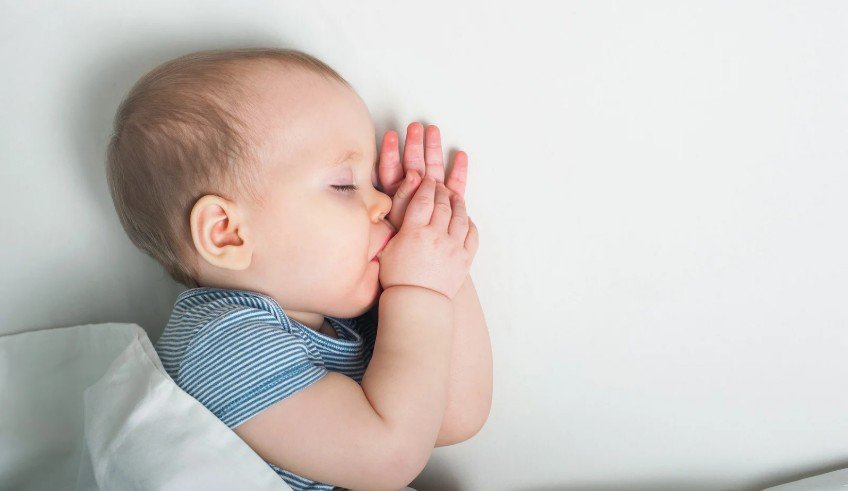
Newborn rolls to side while sleeping — should you be concerned or relieved? Is this a sign of early development or a red flag for sleep safety? New parents often get caught between celebrating milestones and worrying about risks. So, what does it really mean when your baby starts rolling over at night?
Rolling to the side during sleep can be normal once your baby gains neck and core strength. According to pediatricians, it’s generally safe if your newborn can roll back and forth independently.
But before that point, the safest sleep position is always on their back to reduce the risk of SIDS (Sudden Infant Death Syndrome).

Dr. Rachel Moon, chair of the AAP Task Force on SIDS, emphasizes the importance of a safe sleep environment over simply how a baby moves. Want to know when rolling is okay, what to do if it happens too early, and how to create a safer sleep space? Let’s dive into everything you need to know to sleep peacefully — while your baby does too.
Is It Normal for Newborn Rolls to Side While Sleeping?
It is not uncommon for newborns to roll onto their side while sleeping. Many parents observe their little ones curling up or shifting positions during their sleep cycles.
Although some babies may naturally gravitate to sleeping on their side, the American Academy of Pediatrics AAP recommends that infants should sleep on their backs to reduce the risk of sudden infant death syndrome (SIDS).
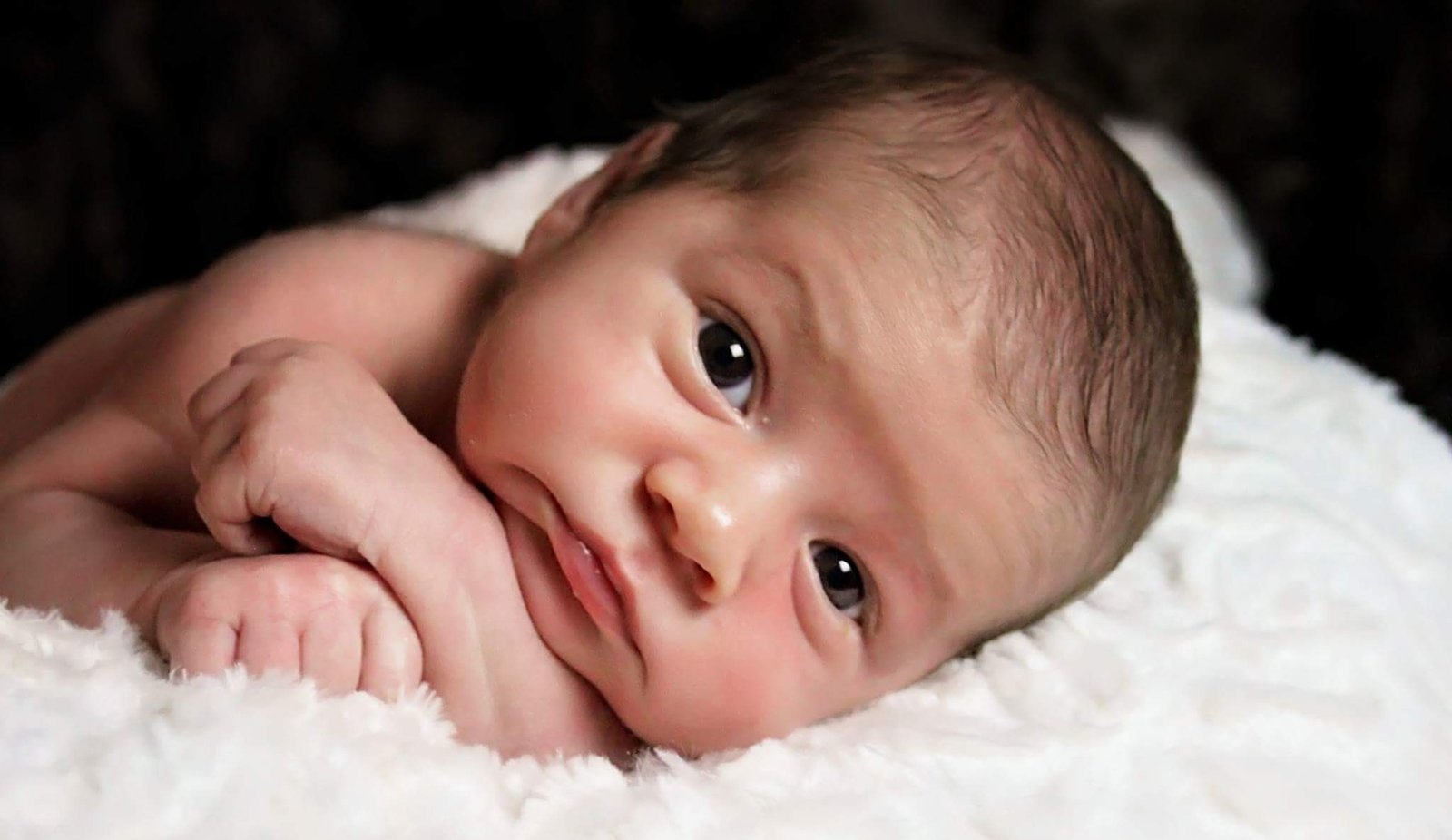
Parents should be aware that while rolling onto their side is a natural movement, it’s essential to monitor the baby’s sleep position, especially if they are able to roll both ways. If a baby can roll onto their side, it is crucial to ensure their sleep surface is safe and free of any soft items that might pose a risk.
As your newborn grows, they will develop new motor skills that enable them to roll over more frequently. This development is a positive sign, indicating that your baby is growing stronger and gaining control over their body.
However, the transition from back sleeping to side sleeping must be managed carefully. Always place your baby on their back for sleep, and once they start to show signs of rolling, such as the ability to roll onto their side or stomach, it’s important to keep a close eye on their sleep habits. Ensuring proper sleep practices can help maintain a safe environment for your baby.
When will Newborns Sleep on their Sides?
Newborns typically start to show signs of rolling around the age of 4 to 6 months, which coincides with their developing motor skills.
During this period, parents may notice their baby attempting to roll onto their side or even completely onto their stomach. However, even when babies begin to roll, it’s essential to continue following safe sleep guidelines.
The American Academy of Pediatrics emphasizes that babies should always be placed on their backs for sleep, regardless of their ability to roll. Once the baby can roll both ways independently, parents can allow them to find a comfortable sleeping position.
What to Do When Your Baby Starts Rolling? help your baby
When your baby starts rolling, it can be both exciting and concerning for parents. As your little one begins to discover their ability to roll onto their side or stomach, it’s important to continue prioritizing safe sleep practices.
If your baby rolls onto their side while sleeping, gently reposition them onto their back. It’s essential to create a safe sleep environment free from soft toys, pillows, and other hazards that may pose a risk. A sleep sack or swaddle can be beneficial for keeping your baby comfortable while also preventing excessive movement during sleep.
Additionally, as your baby becomes more mobile, consider incorporating tummy time into their daily routine. Tummy time is crucial for strengthening your baby’s neck and shoulder muscles, helping them gain better control over their body.
This practice can also encourage your baby to learn how to roll back onto their back, further enhancing their motor skills. Always supervise your baby during tummy time and ensure they are placed on a safe, firm surface. This not only helps in their development but also reinforces safe sleep guidelines as they grow.
How Do You Get Your Newborn Baby to Sleep in a Crib?
Getting your newborn baby to sleep in a crib can sometimes be challenging, especially if they are accustomed to sleeping in a different environment. To help your baby transition to their crib, create a calming sleep environment that encourages relaxation.
Start by establishing a bedtime routine that includes activities such as reading a book, gentle rocking, or soft music. These actions can signal to your baby that it is time to wind down and prepare for sleep.
When placing your baby in the crib, ensure they are always positioned on their back for sleep, as recommended by the American Academy of Pediatrics. Make the sleep surface comfortable yet firm, avoiding soft bedding, pillows, and toys that could pose a danger.
Consider using a sleep sack to keep your baby cozy and safe. If your baby resists sleeping in their crib, try to gradually acclimate them by placing them in the crib for short periods during the day, allowing them to associate the crib with positive experiences. Over time, your baby will become more comfortable with their sleep space.
Tips for Safe Sleep with the Newborn Curl: (Safe Baby Sleep Positions)
Ensuring a safe sleep environment for your newborn is paramount in reducing the risk of SIDS. To create a safe sleep environment, always place your baby on their back for sleep, whether in a crib, bassinet, or any other sleep surface.
Keep the sleep area clear of any soft items, including blankets, pillows, and stuffed animals, to promote safe sleep practices. If your baby enjoys curling up, consider using a sleep sack that allows them to move freely while keeping them warm and secure.
Additionally, monitor your baby’s sleep position as they grow and start rolling. If your newborn baby rolls onto their side or tummy during sleep, gently reposition them onto their back to sleep. This ensures their safety while acknowledging their newfound mobility.
Encourage tummy time during their awake hours to help them develop the necessary muscle strength to support their rolling and crawling. By following these guidelines and creating a safe sleep environment, you can effectively reduce the risk of sudden infant death syndrome and promote healthy sleep habits for your newborn.
Commonly Asked Questions about Safe Sleep for Babies: Side Sleeping and rolling (FAQs)
What Is the Newborn Scrunch?
The Newborn Scrunch is a natural reflex in newborns where they scrunch their legs and arms, often seen during sleep, indicating comfort and a response to their environment.
How to Prevent Newborn from Rolling to the Side While Sleeping?
To prevent newborn rolling on side while sleeping, always place them on their back in a crib with a firm mattress, no loose bedding, and use a sleep sack instead of blankets.
Is it safe to swaddle with the newborn curl?
Yes, swaddling with the newborn curl is safe. It mimics the womb’s environment, providing comfort and security, but ensure the swaddle is not too tight around the hips.
Is it OK for newborn babies to sleep on their sides?
No, babies should always sleep on their backs to reduce SIDS risk. Side sleeping is unsafe as they can roll onto their stomach, blocking airflow. Follow AAP’s safe sleep guidelines.
What are common signs of rolling in newborn babies?
Common signs of rolling in newborns include turning their head side-to-side, arching their back, kicking legs, pushing up during tummy time, and shifting hips—often starting around 3-4 months of age. Supervise closely!
Is It Safe for Newborns to Sleep on Their Side?
No, newborns should always sleep on their backs. Side sleeping increases the risk of SIDS as they can roll onto their stomach. Use a firm, flat mattress with no loose bedding.
What to do if Your Baby Rolls onto their Side During Sleep?
If your baby rolls onto their side during sleep, gently Put your baby to sleep on their back. Ensure a firm, flat mattress with no loose bedding. Most outgrow this as they gain mobility.
Conclusion
In conclusion, while it is normal for newborn rolls to side while sleeping, it is vital to adhere to baby safe sleep practices to ensure your baby’s safety. Always place your baby on their back for sleep and keep their sleep environment free from potential hazards.
As your baby grows and develops the ability to roll, continue to monitor their sleep positions and encourage safe sleep habits. By following the recommendations of the American Academy of Pediatrics and prioritizing your baby’s safety, you can help reduce the risk of SIDS and promote a healthy sleep routine for your little one. Ultimately, ensuring your baby sleeps safely is the best way to support their developmental milestone and give you peace of mind.
Recommended posts
- Is It Safe for Newborn Sleeping on Pillow? (Expert Advice)
- How to Get an Overtired Newborn to Sleep (Tested & Proven)
- Why My Newborn Will Only Sleep on Me: (Causes & Solutions)
- Reasons Baby Grunting while Sleeping: (Common Causes & What to Do)
- How to Get Newborn to Sleep in a Bassinet: (7 Helpful Ways)
- How Long Does a Newborn Sleep in a Bassinet: (Age Limits)
- How to Wake Up a Newborn Baby from Deep Sleep (Gentle Ways)
- When Can Baby Sleep Without Swaddle: (Pros and Cons)