
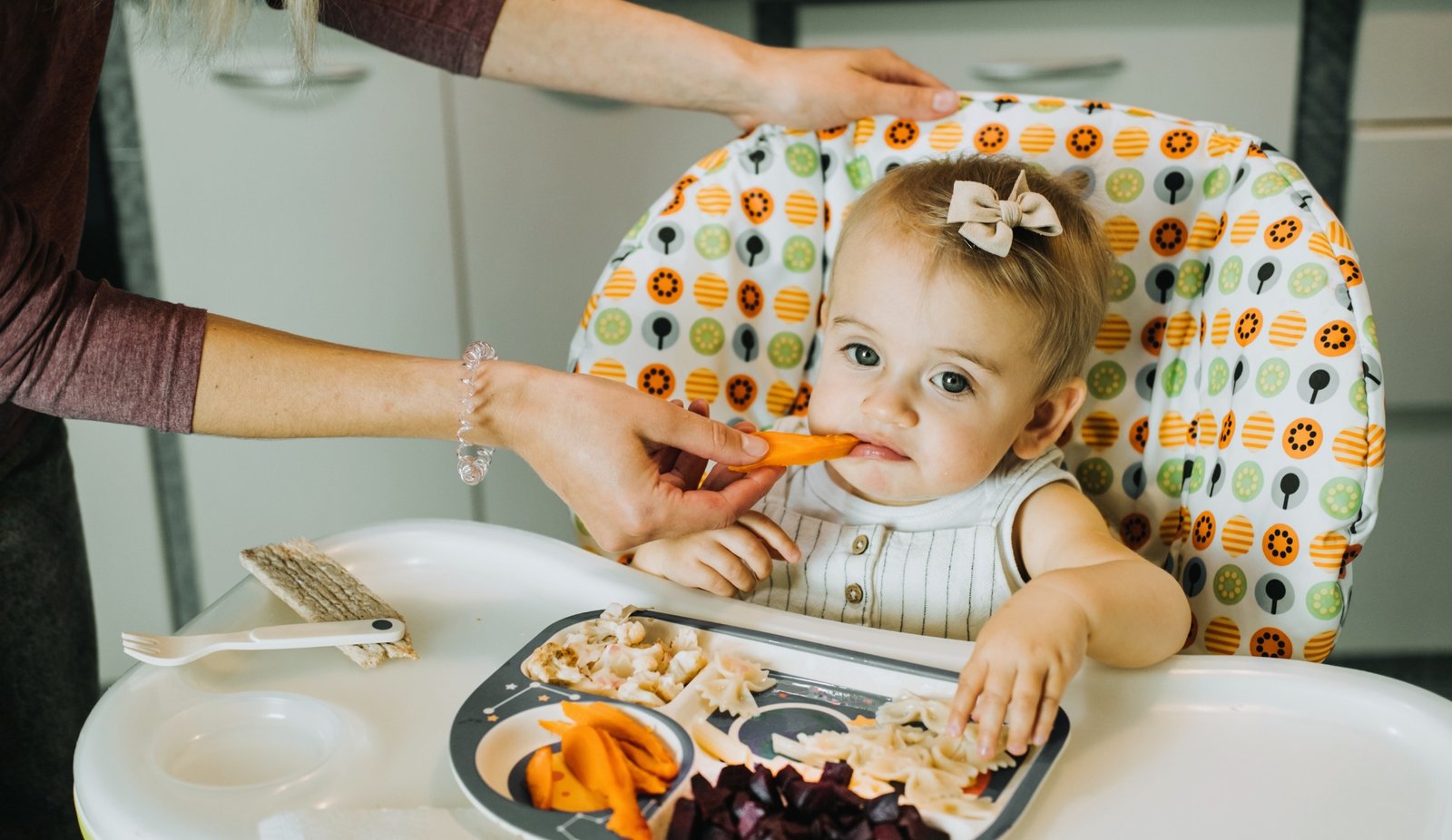
Introducing solids to baby can feel exciting, but it often raises many questions. Parents wonder when to start, what foods work best first, and how to keep mealtimes safe. Do you feel unsure about how to start introducing solids to your little one?
Babies usually start solids around six months, beginning with iron-rich foods like pureed meats, cereals, and soft vegetables. Pediatric nutrition experts such as Dr. Tanya Altmann highlight that early exposure to varied textures helps babies develop strong eating skills. This article breaks down timing, food choices, and simple steps to make the transition smooth.
You’ll gain clear guidance, trusted expert insights, and practical tips that keep feeding fun rather than stressful. There’s so much more to explore as your baby enters this exciting phase of growth. So, let’s dive into the essentials and help you feel confident as you introduce solids to your little one.
Why Do Babies Need Solid Foods?
By around six months of age, babies begin needing more nutrients than breast milk or formula alone can provide. Their bodies grow rapidly—brain development accelerates, muscles strengthen, and fine motor skills improve. Solid foods play a crucial role in meeting these increasing nutritional demands.
One of the most important nutrients required during this time is iron. Babies are born with iron stores that begin to deplete between four and six months. While breast milk contains small amounts of iron, the concentration is not high enough to sustain their developmental needs. Iron-rich solid foods such as fortified cereals, pureed meats, and lentils help support healthy blood cells, cognitive development, and immunity.
Additionally, introducing solid foods exposes babies to new tastes, which lays the foundation for healthy eating habits later in life. Research shows that early exposure to a variety of flavors can reduce picky eating tendencies, encourage dietary diversity, and increase acceptance of vegetables. Solid foods also help your baby develop chewing skills, enhance coordination, and support oral motor development.
In summary, solids offer nutritional, developmental, and sensory benefits that breast milk or formula alone cannot provide after a certain age.
What are the Signs Your Baby Is Ready for Solids?
Every baby grows at a different pace, so readiness for solids depends on developmental cues rather than a specific age. The following signs indicate that your baby may be prepared to start solid foods:
1. Good head and neck control
Your baby should be able to hold their head steady without support. This ensures safe swallowing and reduces the risk of choking.
2. Sitting with minimal support
Babies who can sit upright—either in your lap or a high chair—are better able to handle and swallow solids effectively.
3. Showing interest in your food
If your baby watches you eat, reaches for your plate, or imitates chewing motions, they may be ready for solids.
4. Loss of the tongue-thrust reflex
Newborns automatically push foreign objects out of their mouth with their tongue. When this reflex diminishes, typically around 4 – 6 months of age, babies can better accept spoons and thicker textures.
5. Increased appetite and demand for more frequent feedings
If your baby seems unsatisfied after full milk feeds, they may be ready to try solid foods.
It’s important to note that reaching four months does not automatically mean a baby is ready for solids. Readiness is based on development, not age.
What Foods to Introduce First?
There is no single “right” food to begin with, but experts recommend prioritizing iron-rich and nutrient-dense options. These include:
Iron-Fortified Infant Cereals
Single-grain cereals such as oat, rice, or barley cereals are a popular starting point. They mix easily with breast milk or formula, offering a smooth texture that’s gentle for beginners.
Pureed Meats
Beef, chicken, turkey, and lamb provide excellent sources of heme iron, zinc, and protein. Pureed meats are highly recommended—especially for breastfed babies.
Vegetable Purees
Sweet potatoes, carrots, peas, green beans, and squash offer vitamins, fiber, and antioxidants. Rotating different vegetables can help your baby accept varied flavors early.
Fruit Purees
Apples, pears, bananas, peaches, and avocados are baby-friendly fruits rich in vitamins and healthy fats.
Allergenic Foods
Current guidelines encourage early introduction of allergenic foods such as peanut, egg, and dairy (in safe forms like yogurt) to reduce allergy risk—as long as your baby shows readiness and there’s no history of severe allergies in the household.
Start simple, offer one new food at a time for 2–3 days, and observe carefully for reactions.
Solid Foods: How to Get Your Baby Started
introducing solids to infants is not just about the food—it’s about creating a positive, relaxed experience for your baby. Below are key steps to getting started successfully:
- Timing is Key: Choose a time of day when your baby is alert and happy, not overly hungry or tired. Mid-morning, after a nap and a small milk feed, is often ideal.
- Gear Up: You’ll need a sturdy high chair, a soft-tipped spoon to protect tender gums, and a bib (or three!). A splat mat on the floor is a wise investment.
- Start Small: Begin with one or two teaspoons of a single-ingredient food. Offer the breast milk or formula first to take the edge off their hunger, so they are curious, not frantic.
- Follow Their Lead: Let your baby set the pace. Never force a spoon into a closed mouth. If they turn their head away, clamp their lips shut, or become upset, the meal is over. Respect their “full” cues.
- Embrace the Mess: Sensory exploration is part of the learning process. Let them touch, squish, and play with the food. This is how they learn.
The 5 Mistakes to Avoid When Introducing Solids to Baby
To ensure a smooth transition, it’s important to avoid certain common mistakes that can hinder progress or create unhealthy habits.
1. Starting Solids Too Early
Offering solids before your baby is developmentally ready can increase choking risk, reduce breast milk intake prematurely, and contribute to digestive issues. Always look for readiness cues before starting.
2. Relying Too Much on Fruit Purees
While fruit purees are healthy, babies who consume too much fruit early may develop a strong preference for sweet foods. Balance fruit with vegetables, proteins, and iron-rich cereals.
3. Avoiding Allergenic Foods for Too Long
Delaying introduction of allergenic foods (such as peanuts or eggs) may increase allergy risk. Unless advised otherwise by a pediatrician, introduce these foods gradually once your baby is ready.
4. Offering the Same Foods Repeatedly
Diversity is key to preventing picky eating. Rotate different grains, vegetables, proteins, and textures—even if your baby initially rejects some of them.
5. Overfeeding or Pressuring the Baby to Eat
Babies are intuitive eaters. Pushing them to “finish the bowl” can lead to negative feeding experiences. Respect hunger and fullness cues, and let your baby guide the pace.
3 to 5 Months Old Feeding Schedule: Pre-Solids
During the 3–5 month stage, your baby’s nutritional needs are met entirely by breast milk or formula. This period is crucial for establishing healthy growth patterns and preparing for solids later.
A typical pre-solids feeding schedule includes:
- 7–8 feedings per day for breastfed babies
- 5–7 bottles per day for formula-fed babies
- 2.5–5 ounces per feeding, depending on the baby’s size and appetite
Babies at this age may show early interest in food, but solid foods should not be introduced until developmental signs appear, usually closer to six months.
This is also a great time to let your baby watch you eat, explore a high chair, and engage in sensory experiences that promote feeding readiness.
8 to 9 Months Old On-Demand Breastfeeding
By 8–9 months, your baby is likely consuming a greater variety of solid foods but still relies heavily on breast milk or formula for nutrition. On-demand breastfeeding during this stage ensures your baby receives enough healthy fats, calories, hydration, and immune support.
A balanced feeding approach at this age includes:
- 3 solid meals per day
- 1–2 snacks (optional)
- Frequent breastfeeding sessions or 24–32 ounces of formula
Solids should still follow milk feeds rather than replace them. Continue to offer soft finger foods such as cooked vegetables, small pieces of fruit, scrambled eggs, or shredded chicken to support chewing skills.
Food Sensitivities and Allergies
When introducing new foods, particularly allergens, it’s essential to proceed thoughtfully.
Common Allergens Include:
- Eggs
- Cow’s milk (in yogurt or cheese, not liquid milk)
- Peanuts
- Tree nuts (ground or in butter form)
- Fish
- Shellfish
- Soy
- Wheat
How to Safely Introduce Allergens
- Introduce one allergenic food at a time.
- Offer it in the morning or early afternoon when you can observe your baby.
- Start with a very small amount and gradually increase over several days.
- Watch for signs of reaction: hives, facial swelling, vomiting, wheezing, or severe fussiness.
If your baby has severe eczema, a family history of food allergies, or any known health concerns, consult your pediatrician before introducing allergenic foods.
Commonly Asked Questions about Starting Solid Foods (FAQs)
Does your baby need breastmilk and infant formula when they start solids?
Yes. When you start to give your baby solid food, breastmilk or formula should remain their primary nutrition source. The American Academy of Pediatrics recommends this for the first year.
When can I give my baby finger foods?
You can give your baby finger foods around 8-9 months, when they develop a pincer grasp. Ensure foods include soft, easily gummed options like small banana pieces or well-cooked vegetable sticks to prevent choking.
What textures should first foods be?
First baby foods should be a single-ingredient, pureed texture. When you feed your baby on solid foods, start with very smooth purees like baby cereal or mashed vegetables. Gradually advance to thicker textures and soft lumps as they learn to eat solid food.
Can i continue offering breast milk while weaning?
Absolutely. The American Academy of Pediatrics advises continuing breast milk while weaning. It should be the primary liquid nutrition as you introduce solid food, providing essential nutrients and immune support for your baby.
How can i introduce foods to Infant and Toddler?
How to start an infant on solids? Introduce one single-ingredient food at a time. Wait 3 to 5 days between each new food to monitor for allergies. Start with iron-fortified baby cereal, pureed meats, or vegetables when you feed your baby.
How to know when child is ready for foods other than breast milk or infant formula?
Signs include sitting with minimal support, good head control, and showing interest in what you eat. The American Academy of Pediatrics notes most babies are ready for solid food around 6 months, not at 4 months.
Should I give my baby juice?
No. The American Academy of Pediatrics discourages juice for babies under 12 months. It offers no nutritional benefit over whole fruit and can cause tooth decay and poor weight gain. Give your baby breast milk or formula instead.
Conclusion
Navigating the world of solid foods is a journey of discovery for both you and your baby. It’s a process that should be guided by patience, observation, and a spirit of exploration. By understanding the why, when, and how, and by consciously avoiding the five common mistakes of starting too early, using bottles for cereal, giving up on new foods, offering choking hazards, and delaying texture progression, you set a strong foundation. Remember, this isn’t a race. It’s about nurturing a positive and healthy relationship with food that will benefit your child for a lifetime. Trust your instincts, celebrate the messy moments, and enjoy this incredible milestone together.
Recommended posts
- 15 Easy Baby Led Weaning Muffins – Soft, Safe, and Delicious
- Best 8 Month Old Baby Led Weaning Recipes (Easy Meal Ideas)
- When Can You Start Baby Led Weaning (Signs and Safe Timing)
- When to Introduce Finger Foods for Baby? (The Perfect Timeline)
- Is it Too Early Introducing Solids at 4 Months? Expert Guidance
- When to Start Introducing Solids for Baby Safely (Do’s and Don’ts)
- Is it OK Starting Solid Foods at 5 Months? (Do’s and Don’ts)
- 7 Genius Tips for Infant Allergen Introduction Early
- How Much Breast Milk After Starting Solids Baby Really Need?

