
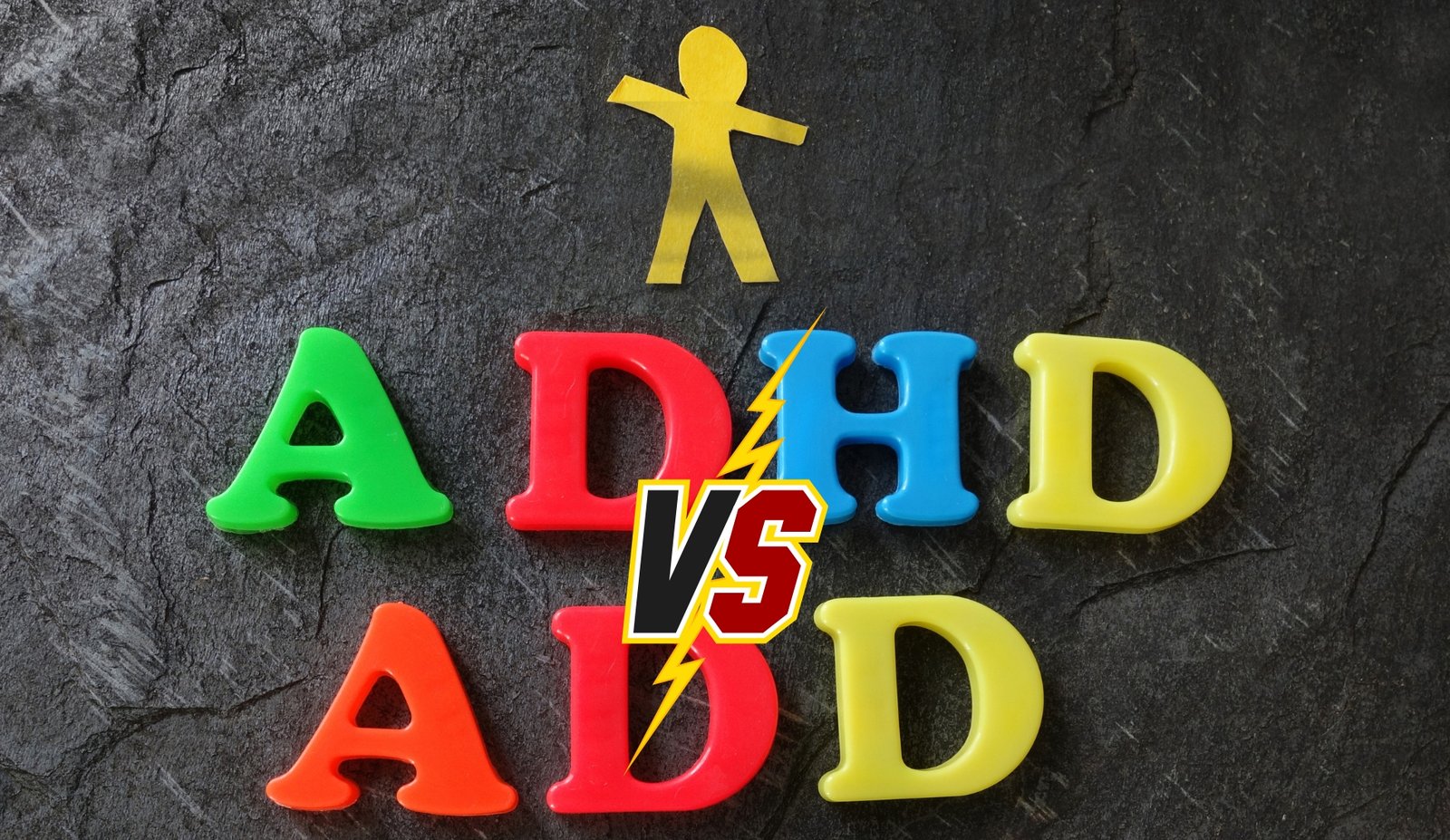
Is ADD and ADHD the same thing? You might have heard these terms tossed around, but are they really interchangeable? Can one label truly explain the struggles millions face every day? Let’s break it down together.
ADD is actually an outdated term once used for Attention Deficit Disorder, while ADHD, or Attention Deficit Hyperactivity Disorder, is the modern medical diagnosis. ADHD covers all types, whether hyperactivity is present or not. Experts like Dr. Russell Barkley confirm that ADD is simply an older name under the ADHD umbrella.
Curious to know how these differences impact treatment and daily life? There’s more to uncover about subtypes, symptoms, and real-life examples. So, stick around as we dive deep into what truly separates—or connects—ADD and ADHD.
Is Add and ADHD the Same Disorder?
Is there a difference between ADD and ADHD? First, let’s clarify the basics. ADD stands for Attention Deficit Disorder, while ADHD stands for Attention-Deficit/Hyperactivity Disorder.
Historically, ADD described individuals who had significant attention problems but did not display hyperactivity. ADHD, on the other hand, included both attention difficulties and hyperactive-impulsive behaviors.
In the early days of diagnosis, these were considered somewhat separate conditions. People who struggled to focus but were not fidgety or impulsive were often diagnosed with ADD, while those with both focus issues and hyperactivity were labeled ADHD.
However, the current medical consensus, as outlined by the Diagnostic and Statistical Manual of Mental Disorders, Fifth Edition (DSM-5), recognizes only ADHD as the formal diagnosis. ADHD is considered an umbrella term with three presentations:
- Predominantly inattentive presentation (historically known as ADD)
- Predominantly hyperactive-impulsive presentation
- Combined presentation
Therefore, while ADD and ADHD were once viewed as distinct, today they are categorized under the single diagnosis of ADHD, with various subtypes that reflect the differences in symptoms.
So in simple terms, they describe related patterns of behavior but are officially classified the same under ADHD, with “ADD” now viewed as an outdated term.
Why is ADD not Used Anymore?
You might wonder why the term ADD is no longer part of the official vocabulary. The main reason is to create diagnostic clarity and consistency. Before the 1980s, mental health professionals used ADD to describe people with concentration problems who weren’t hyperactive.
But as research advanced, it became clear that these symptoms existed along a spectrum, and the hyperactivity component was not a separate disorder but a dimension of the same underlying condition.
As a result, the American Psychiatric Association updated the terminology in the DSM-III-R (1987) to adopt “Attention-Deficit/Hyperactivity Disorder” as the single, unifying name.
This change reflected the understanding that attention challenges and hyperactivity-impulsivity are part of the same neurodevelopmental disorder, just with different presentations. In other words, “ADD” became an outdated label, replaced by the more comprehensive ADHD framework.
Even today, many people — including teachers, parents, and even some clinicians — still casually use “ADD” out of habit, especially when referring to inattentive-type ADHD. But in the medical world, ADHD is the only formal, recognized diagnosis.
Is ADD a Form of Autism?
This is another common source of confusion. People sometimes ask if ADD (or ADHD) is on the autism spectrum, given that both conditions involve brain-based developmental differences and challenges with social functioning. However, ADHD (and formerly ADD) and autism spectrum disorder (ASD) are distinct conditions, each with its own diagnostic criteria.
ADHD is characterized by patterns of inattention, hyperactivity, and impulsivity, while autism spectrum disorder is defined by social communication difficulties, restricted interests, and repetitive behaviors. Although some people are diagnosed with both ADHD and ASD — meaning they have what’s called comorbidity — one is not a subtype of the other.
Researchers have found that there is overlap in genetic and neurological features, which explains why they sometimes occur together. Still, attention deficit disorder ADD (or inattentive-type ADHD) is not a form of autism. They are separate but occasionally co-occurring neurodevelopmental disorders.
Is ADHD Harder than ADD?
People frequently wonder whether ADHD is more difficult to manage than “classic” ADD. The answer is nuanced. Remember, in modern terminology, ADD is simply ADHD with a predominantly inattentive presentation. So it’s really about comparing inattentive symptoms to hyperactive-impulsive symptoms.
For many individuals, the hyperactivity and impulsivity components of ADHD create more challenges in social situations, education, and work.
For example, someone with hyperactive-impulsive behaviors might interrupt frequently, struggle with waiting their turn, or engage in risky activities, which can have severe consequences. These symptoms are often more obvious, leading to quicker diagnosis, but sometimes harsher judgment from others.
On the other hand, inattentive-type ADHD (formerly called ADD) can be equally impairing, though in more subtle ways. People with inattentive ADHD may daydream, miss details, lose focus, or have organizational problems. These symptoms often go unrecognized, particularly in girls and adults, leading to late diagnosis and chronic struggles.
Ultimately, one presentation is not “harder” than the other in an absolute sense — it depends on the person’s environment, coping resources, and co-occurring conditions. What’s clear is that all forms of attention deficit hyperactivity disorder ADHD can be challenging and deserve serious attention and appropriate treatment.
Commonly Asked Questions about The Difference Between ADD vs ADHD FAQs
What is the difference between ADD and ADHD?
is add the same thing as adhd? ADD, or Attention-Deficit Disorder, is an outdated term that is often used interchangeably with ADHD, or Attention-Deficit Hyperactivity Disorder. The official name for the condition now encompasses three different types: predominantly inattentive, predominantly hyperactive-impulsive, and combined type. Individuals with the inattentive type may struggle with symptoms of inattention, while those with the hyperactive-impulsive type exhibit symptoms of hyperactivity and impulsivity.
What are the three types of ADHD?
The three types of ADHD include the predominantly inattentive type, the predominantly hyperactive-impulsive type, and the combined type. Each type presents different symptoms and challenges. For instance, individuals with predominantly inattentive type often have trouble focusing and may miss important details, while those with combined type experience symptoms from both categories.
Can a child have inattentive ADHD?
Yes, a child can exhibit symptoms of ADHD, which is characterized by difficulty sustaining attention, following through on tasks, and organizing activities. These symptoms may lead to challenges in school and social settings, making it crucial for parents and teachers to recognize the signs of ADHD.
What are common ADHD symptoms in children and adults?
Common ADHD symptoms include trouble focusing, difficulty organizing tasks, fidgeting, forgetfulness, and impulsivity. Symptoms may vary between children and adults, with adults often displaying more subtle signs, such as chronic procrastination and difficulty managing time.
How is ADHD diagnosed?
The ADHD diagnosis process typically involves a comprehensive evaluation by a healthcare professional, which may include interviews, behavioral assessments, and questionnaires. It is essential for the symptoms to be present in multiple settings, such as at home and in school, to receive an official diagnosis.
Can ADD symptoms be recognized in adults?
Yes, ADD symptoms can be recognized in adults, although they may present differently than in children. Adults may experience challenges in managing responsibilities, maintaining relationships, or staying focused during tasks, which can indicate the presence of ADHD.
Are ADHD and ADD terms used interchangeably?
While ADD and ADHD are often used interchangeably, it is important to note that ADD is an outdated term. The current terminology encompasses ADHD, which includes various subtypes reflecting a range of symptoms, including inattentive and hyperactive-impulsive behaviors.
What are the signs of ADHD in children?
Signs of ADHD in children may include impulsivity, hyperactivity, trouble focusing, and difficulty following instructions. A child with inattentive ADHD may struggle with academic tasks and may be easily distracted, which can impact their performance and social interactions.
Conclusion
So, is ADD and ADHD the same thing? Technically, yes and no. They both refer to the same underlying neurodevelopmental disorder, but “ADD” is an outdated term that described what we now call the inattentive presentation of ADHD. Modern psychiatry uses ADHD as the umbrella diagnosis, with three different presentations to capture the variety of symptoms.
ADD is not used anymore because medical professionals realized that inattention and hyperactivity are dimensions of the same condition, not separate disorders. And while ADD (or inattentive ADHD) shares some overlapping traits with autism, it is not a form of autism.
Whether someone has inattentive type of ADHD or hyperactive-impulsive ADHD, they can face significant obstacles in school, work, and personal life. Understanding the nuances of these terms empowers individuals and families to seek proper evaluation, effective interventions, and the support they deserve.
If you or someone you know is struggling with attention or hyperactivity symptoms, don’t get caught up in outdated labels — focus instead on evidence-based treatment and a holistic approach. ADHD, in all its forms, can be managed with the right strategies, helping people thrive despite its challenges.
Recommended posts
- Does Lexapro Help with ADHD? Here’s What Science Says
- Do I Have ADHD or Am I Just Lazy: (Know the Difference)
- Can Nurse Practitioners Diagnose ADHD? (You Might Surprise)
- Does ADHD Qualify for Disability Benefits: (What Law Says)

