Have you ever noticed pale eyelids, dark circles, or unusual redness around your eyes and wondered if it could be more than just tiredness? Iron Deficiency Eyes are one of the most overlooked signs of low iron levels in the body. This condition not only affects your vision and eye health but also signals a bigger problem in your overall well-being. Could your eyes be telling you it’s time to check your iron levels?
Iron Deficiency Eyes often appear with symptoms such as dryness, pale inner eyelids, or swelling, all linked to low hemoglobin levels. According to the World Health Organization, iron deficiency anemia affects more than 1.6 billion people worldwide, making it a global health issue. In this article, we will explore the symptoms, causes, and expert-backed solutions for maintaining healthy eyes through balanced iron intake.
But these warning signs aren’t the only things you need to know. Dr. Michael Greger, a physician and nutrition expert, highlights how early detection of iron deficiency can protect both your vision and long-term health.
So, let’s dive deeper into how Iron Deficiency Eyes can impact you and discover the best ways to manage and prevent this condition effectively.
Can Iron Deficiency Cause Blurred Vision?
Yes, iron deficiency can absolutely cause blurred vision, and it is one of the most frequently reported visual symptoms associated with anemia. The link is fundamentally rooted in oxygen deprivation, or hypoxia.
The retina, the light-sensitive layer of tissue at the back of your eye, is one of the most metabolically active tissues in the entire human body. It demands a constant and robust supply of oxygen to convert light into neural signals and send them to the brain. This oxygen is delivered via a vast network of tiny blood vessels, powered by hemoglobin-rich red blood cells.
When you are iron deficient, your body cannot produce enough healthy hemoglobin. This results in:
- Reduced Oxygen Carrying Capacity: Your blood becomes less efficient at transporting oxygen from the lungs to other tissues.
- Retinal Hypoxia: The retina becomes starved of oxygen. This compromises the function of photoreceptor cells (rods and cones) and other retinal neurons.
- Dysfunction and Swelling: Hypoxia can lead to cellular dysfunction and even swelling within the retina, altering its shape and ability to focus light precisely. This physical change, combined with impaired neural signaling, manifests as blurred or unfocused vision.
It’s crucial to understand that this blurriness may not be constant. It might come and go, worsen with physical exertion when oxygen demand is higher, or be more noticeable in certain lighting conditions.
If you experience persistent blurred vision alongside other signs of anemia, it is a significant indicator that your iron deficiency eyes symptoms warrant a medical investigation.
7 Iron Deficiency Eyes Symptoms Shouldn’t Ignore
Iron deficiency can sometimes show up in the eyes and the area around them. Common eye-related symptoms of iron deficiency include:
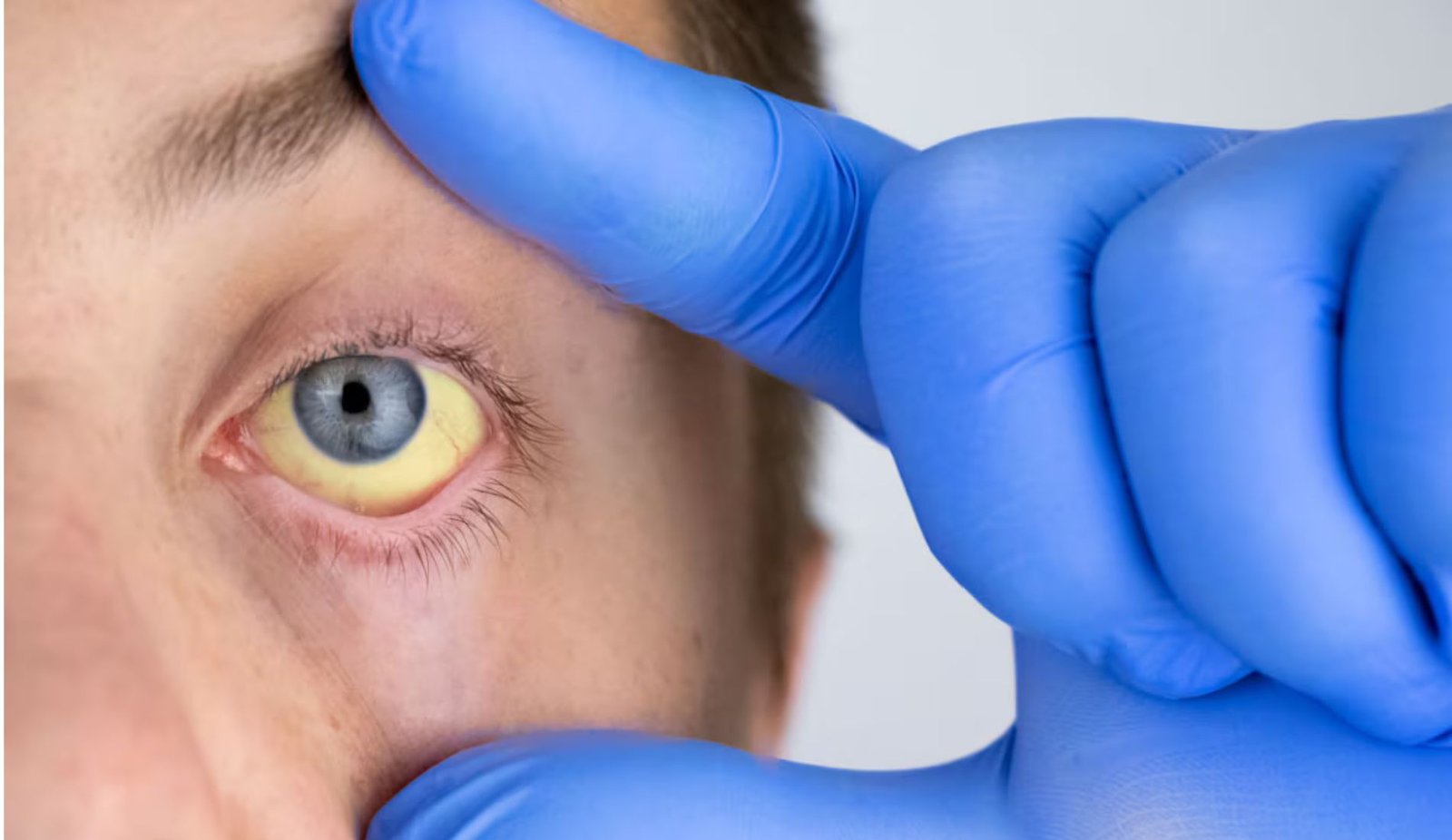
- Pale inner eyelids – The inside of the lower eyelid may appear lighter than normal due to reduced red blood cells.
- Pale skin around the eyes – A general paleness that is noticeable near the eyes.
- Dry eyes – Iron is important for maintaining healthy tear production, so deficiency may cause dryness or irritation.
- Dark circles under the eyes – Reduced oxygen delivery can make circles more prominent.
- Red, inflamed eyes – In some cases, the eyes may appear red or bloodshot.
- Vision disturbances – Severe iron deficiency anemia may cause blurry vision, dizziness, or sensitivity to light.
- Eye twitching – Muscle spasms, including eyelid twitching, can be linked to nutrient deficiencies like iron.
👉 If you notice these symptoms along with fatigue, weakness, or shortness of breath, it’s a good idea to see a doctor. A simple blood test can confirm iron levels, and treatment often includes dietary changes or supplements.
Iron Deficiency Eyes – How Does Low Iron Affect Vision?
Low iron impacts vision by reducing oxygen delivery and disrupting normal eye function. Iron plays a role not just in hemoglobin production but also in cellular metabolism, nerve health, and vascular stability—all critical for eye health.
Effects of low iron on vision include:
- Retinal Hypoxia: Without sufficient oxygen, retinal cells may struggle to function properly, leading to visual disturbances.
- Pale Conjunctiva: The inside of the eyelids and the whites of the eyes may appear pale due to reduced blood supply.
- Reduced Tear Production: Iron deficiency can affect tear gland function, leading to dry eyes.
- Optic Nerve Stress: The optic nerve requires steady oxygen and nutrient delivery. Chronic deficiency may contribute to nerve strain.
In short, low iron level doesn’t just cause general fatigue—it has direct pathways that can impair your ability to see clearly and comfortably.
Symptoms of Iron Deficiency in Eyes (Eye-related symptoms of anemia)
Eye symptoms are often overlooked, but they can be early warning signs of anemia. Common eye-related symptoms include:
- Pale inner eyelids: A classic indicator of low hemoglobin.
- Dark circles under the eyes: Caused by poor circulation and oxygen deficiency.
- Dry or itchy eyes: Due to reduced tear production and poor oxygenation.
- Visual fatigue: Eyes may tire easily when reading or focusing.
- Increased sensitivity to light (photophobia): Linked to retinal stress.
- Twitching eyelids (myokymia): Muscle fatigue from insufficient nutrients.
These symptoms may develop gradually, making routine eye exams an important step in early detection of underlying iron deficiency anemia.
Other Eye Symptoms of Low Iron
In addition to the more common eye symptoms, low iron levels can cause less obvious but equally concerning issues:
- Conjunctival pallor: Noticeably pale whites of the eyes, often observed by doctors during exams.
- Vision dimming: Temporary fading or dimming of vision, particularly in dim lighting.
- Headaches and eye strain: Oxygen shortage in visual pathways can cause discomfort behind the eyes.
- Dizziness-related vision changes: Anemia-related dizziness may present with visual “blackouts” when standing quickly.
- Delayed wound healing in the eye: After minor injuries or surgeries, recovery may be slower.
These subtle signs, when combined with systemic symptoms like fatigue, hair loss, or brittle nails, point strongly toward low iron level.
How Certain Types of Anemia Affect Your Eyes?
While iron deficiency anemia is the most common type, other forms of anemia can have distinct and sometimes more severe effects on the eyes.
- Pernicious Anemia (Vitamin B12 Deficiency): This type of anemia is particularly notorious for causing neurological and visual complications. B12 is vital for maintaining the myelin sheath that insulates nerve fibers. Deficiency can lead to toxic optic neuropathy, damaging the optic nerve and causing significant, sometimes permanent, vision loss, including reduced visual acuity and color vision defects.
- Hemolytic Anemias (e.g., Sickle Cell Disease): In sickle cell disease, the misshapen red blood cells can block the tiny blood vessels that supply the retina. This is called sickle cell retinopathy. It can lead to retinal ischemia (severe oxygen starvation), the growth of abnormal, fragile blood vessels (neovascularization), and potentially retinal detachment and vitreous hemorrhages, which are serious sight-threatening conditions.
- Aplastic Anemia: This rare condition, where the bone marrow fails to produce enough blood cells, can lead to retinal hemorrhages due to critically low platelet counts (thrombocytopenia), increasing the risk of bleeding in the retina.
Can Iron Supplements Improve Vision?
A lack of iron in the body can lead to various signs and symptoms, including potential vision issues. Iron supplements can improve vision if your eye problems are directly linked to iron deficiency anemia. By restoring hemoglobin levels and oxygen delivery, supplements help relieve
People with low iron levels may experience fatigue and other general symptoms of anemia that can affect daily life. Insufficient iron can also cause severe iron deficiency, leading to more significant health problems.
It’s essential to maintain iron balance, as low iron can cause a decrease in iron stores, affecting overall health. To boost your iron, consider incorporating sources of iron into your diet and consult an eye doctor if you notice any signs of iron deficiency affecting your vision.
Swollen Eyelids – Causes, Symptoms and Treatments
Swollen eyelids are a common concern and can sometimes be linked to iron deficiency, though they often have multiple causes.
Causes include:
- Iron deficiency-related fluid imbalance.
- Allergies or sinus infections.
- Eye infections such as conjunctivitis.
- Poor sleep or fatigue.
- Kidney or thyroid conditions.
Symptoms may include:
- Puffy eyelids, especially in the morning.
- Redness or tenderness around the eyes.
- Blurred vision or eye discomfort.
Treatments:
- Address underlying iron deficiency with diet or supplements.
- Apply cold compresses to reduce swelling.
- Ensure adequate hydration and sleep.
- Use antihistamines if allergies are the cause.
- Seek medical care if swelling is severe, persistent, or associated with pain and vision loss.
How to Treat Iron Deficiency and Improve Eye Health
Treating low iron level involves both medical care and lifestyle adjustments. A comprehensive plan may include:
- Iron Supplements: Prescribed based on severity; usually taken with vitamin C for better absorption.
- Dietary Changes: Include iron-rich foods such as red meat, poultry, fish, lentils, beans, fortified cereals, spinach, and pumpkin seeds.
- Treating Underlying Causes: Address bleeding disorders, heavy menstrual cycles, or gastrointestinal conditions leading to iron loss.
- Regular Monitoring: Blood tests to check hemoglobin and ferritin levels.
- Supportive Eye Care: Artificial tears for dryness, sunglasses for photophobia, and regular eye exams.
Early diagnosis and consistent treatment not only restore overall energy but also protect eye health from long-term damage.
Preventing Blurry Vision from Iron Deficiency
Prevention focuses on maintaining healthy iron levels and monitoring eye changes regularly. Key steps include:
- Balanced Diet: Incorporate both heme iron (animal sources) and non-heme iron (plant sources).
- Vitamin C Intake: Improves iron absorption when consumed with iron-rich meals.
- Avoid Excessive Tea or Coffee: These contain tannins that reduce iron absorption.
- Regular Check-ups: Annual blood tests and eye exams help detect early signs.
- Managing Risk Factors: Women with heavy periods, vegetarians, and frequent blood donors should be especially mindful of iron intake.
By prioritizing preventive care, you can reduce the risk of blurred vision and other eye-related complications associated with low iron level.
Commonly Asked Questions about Iron Deficiency in Eyes (FAQs)
What Is Iron Deficiency Anemia?
It’s a condition where the body lacks enough healthy red blood cells due to insufficient iron. This occurs from blood loss, poor diet, or an inability to absorb iron, causing fatigue, weakness, and pale skin.
What causes anemia?
Iron deficiency may result from poor diet or blood loss. Anemia can also cause fatigue and weakness. Other causes include vitamin B12/folate deficiencies, chronic diseases, or genetic conditions like sickle cell, which reduce red blood cell count or function.
Can anemia affect the eyes?
Yes, severe anemia can affect eyes and vision. iron deficiency anemia can cause pale eyelids, retinal changes, blurry vision, or dark spots. While not a primary eye disease, it can worsen underlying conditions due to reduced oxygen delivery.
How does anemia affect the eyes?
People with iron deficiency may experience retinal damage from low oxygen. Symptoms low iron cause include blurry vision, pale inner eyelids, and dark spots. Severe, untreated anemia can lead to retinal hemorrhages or fluid buildup.
How to Increase Iron Levels?
If you don’t have enough iron, consume red meat, spinach, and lentils with Vitamin C to boost absorption. The severity of anemia determines if oral supplements or medical interventions like infusions are needed.
What are the common symptoms of iron deficiency anemia?
Common symptoms of iron anemia include fatigue, weakness, pale skin, and shortness of breath. People may also experience dizziness, headaches, and cold hands or feet. In some cases, vision can occur as a symptom, as a lack of iron affects the oxygen supply to the eyes, potentially leading to issues with eye health.
How can iron deficiency affect the health of your eyes?
Iron deficiency can cause various eye-related issues, such as dry eyes, irritation, and even vision problems. The lack of sufficient iron may inhibit the proper absorption of oxygen in the blood, which is essential for maintaining healthy eyes. Ensuring you have enough iron is crucial for preventing these potential complications.
Can anemia cause vision problems?
Yes, anemia may cause vision problems due to the reduced oxygen supply to the eyes. When iron levels are low, the body’s capacity to transport oxygen diminishes, which can lead to symptoms affecting vision. This is why addressing anemia is important for overall eye health.
What should I do if I suspect I have iron deficiency?
If you suspect that you have iron deficiency, it’s important to consult a healthcare professional. They can perform tests to diagnose anemia and recommend appropriate treatments, including dietary changes or taking iron supplements. Learning more about iron deficiency and the amount of iron your body needs can also help you manage your health better.
How does anemia occur when the body doesn’t have enough iron?
Anemia occurs when the body doesn’t have enough iron to produce hemoglobin, the protein in red blood cells that carries oxygen. This condition may manifest in various ways, including fatigue and reduced physical performance. Identifying the cause of anemia is crucial for effective treatment, as different types of anemia require different approaches.
What is the relationship between sickle cell anemia and iron deficiency?
Sickle cell anemia is a genetic condition that affects the shape of red blood cells, which can lead to complications including iron deficiency. While it is a different type of anemia, people with sickle cell anemia may have a higher risk of developing anemia due to repeated blood transfusions or chronic hemolysis. Regular monitoring of iron levels is essential in managing both conditions effectively.
Conclusion
The link between anemia and vision problems is clear: Iron Deficiency Eyes can manifest as blurred vision, pale eyelids, eye strain, and sensitivity to light. Because the eyes are highly oxygen-dependent, they are among the first organs to reflect the impact of low hemoglobin levels.
Fortunately, with proper diagnosis, iron supplementation, dietary adjustments, and regular eye care, most people can reverse these symptoms and restore healthy vision. Recognizing the signs early—both systemic and eye-specific—can prevent long-term complications and improve overall quality of life.
If you experience unexplained vision changes alongside fatigue, weakness, or pale skin, consult your healthcare provider. Addressing iron deficiency promptly not only protects your vision but also safeguards your general health and vitality.
Recommended posts
- Best Time to Take Iron Pills During Pregnancy (Expert Tips)
- 5 Side Effects of Iron Transfusion While Pregnant (Alert)
- What to Drink to Increase Hemoglobin (Iron Rich Drinks List)
- Elevated WBC in Pregnancy: Causes, Normal Ranges, and Concerns