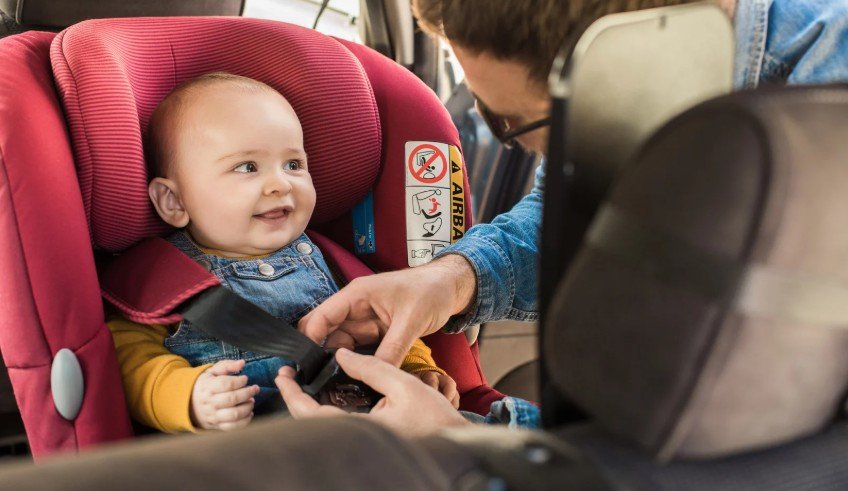
Are you unsure if your baby is getting too big for their infant car seat? Infant car seats weight limit aren’t just guidelines—they’re crucial for your child’s safety. So how much weight is too much for an infant car seat?
Most infant car seats have weight limits between 22 to 35 pounds, depending on the brand and model. Once your baby hits the seat’s upper weight or height limit—usually around 30–32 inches—it’s time to switch to a rear-facing convertible car seat. This article covers the standard weight limits, how to find yours, and what to do when your baby outgrows it.
According to the American Academy of Pediatrics, children should stay rear-facing as long as possible within the seat’s limits. Want to make sure your baby is still riding safely? Let’s break down infant car seat weight limits and how to plan your next move.
Typical Infant Car Seats Weight Limit
What is the weight limit for an infant car seat? Most infant car seats have a weight limit ranging from 22 to 35 pounds, with some seats extending to 40 pounds. The weight limit is essential for ensuring that your child remains secure in their seat during travel.
Additionally, it is critical to consider the height limit, which typically falls between 29 to 32 inches, as exceeding this may compromise the effectiveness of the seat.
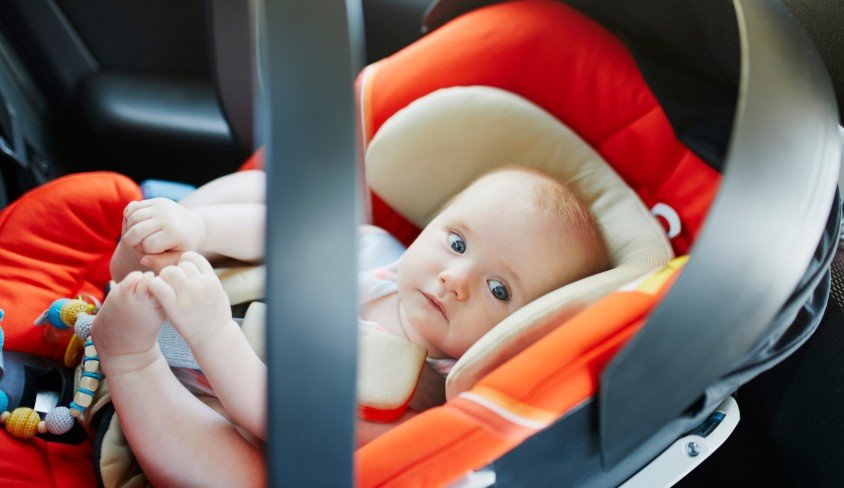
As babies grow, it is important to monitor both the weight and height limits to decide when it’s time to transition to a convertible seat. Many parents may not realize that keeping their child in a rear-facing car seat for as long as possible significantly enhances their safety during a car crash.
When selecting an infant car seat, understanding these weight limits helps ensure that your child is positioned correctly while using the seat. Infants should ideally remain in a rear-facing car seat until they reach the maximum weight limit specified by the car seat manufacturer.
This position is designed to provide optimal support for their head, neck, and spine, which are still developing. Many infant seats come equipped with a harness system that secures the child, and this system must be adjusted to fit your growing child.
Therefore, it’s essential to keep an eye on your child’s growth to ensure that they do not outgrow their infant seat prematurely, which could put them at risk during travel.
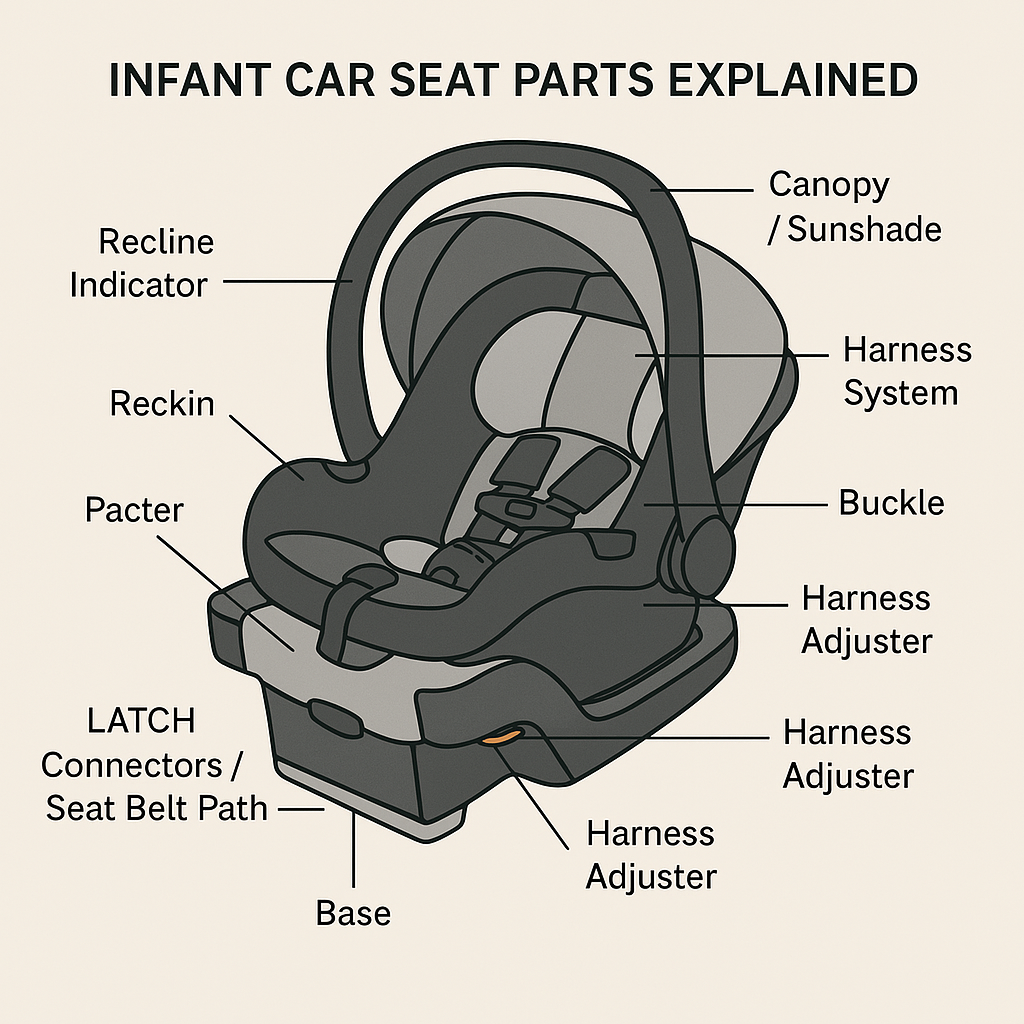
Vehicle and Infant Car Seat Parts Explained
When choosing a car seat for your new baby, it’s crucial to understand the different types of car seats available. The car seat shell provides essential protection, while a bucket seat offers convenience for infants. Many parents opt to use an infant seat from birth, which allows the baby to remain in a rear-facing seat for optimal safety.
As your child grows and reaches the required height and weight limits, you may consider moving to a front-facing seat or a combination seat. The best convertible car seat can transition from rear-facing to front-facing, making it a versatile choice.
Installing the seat properly is vital, whether you use the seat belt or the LATCH system. A properly installed car seat and vehicle setup ensures safety during every ride.
When installing the seat, ensure it is easy to access and understand. Many parents appreciate a rotating car seat that allows for easier entry and exit. For those who prefer a more permanent solution, car seats based on growth stages, like a convertible or all-in-one car seat, can last for years. As your child transitions into a booster, it’s essential to know when to move to a front-facing seat or child in a booster seat.
Remember, safety is paramount, and finding the right car seat is critical to protecting your little one during every journey. By 2025, innovations in car seats to install will likely enhance safety features, making it even more important to stay informed about the latest options available.
Transitioning to the Vehicle Seat Belt
As your child grows, they will eventually outgrow their infant seat and need to transition to the vehicle seat belt. This transition typically occurs when your baby reaches the maximum height or weight limit of their infant car seat.
Parents should transition to a forward-facing car seat with a harness, which is designed to accommodate larger children safely.
It is advisable to keep your child in a forward-facing seat with a harness for as long as possible before moving them to a booster seat. The booster seat helps position the vehicle seat belt properly across your child’s body, enhancing vehicle seat safety.
It is essential to ensure that the vehicle seat belt fits correctly when transitioning to a booster seat. The lap belt should lie low across the top of your child’s thighs, and the shoulder belt should cross the middle of their chest and shoulder. Parents should also be aware that many booster car seats have weight limits that generally range from 30 to 120 pounds, depending on the model.
Choosing the right seat during this transition phase is crucial for maintaining your child’s safety while traveling. Therefore, always consult the seat’s manual for specific guidelines regarding weight and height limits to ensure that your child is secure in their new seating arrangement.
How to Pick the Best Car Seat: (Convertible Car Seats)
When it comes to choosing the right car seat, convertible seats offer versatility as they can be used in both rear-facing and forward-facing positions. These seats typically have a higher weight limit, allowing your child to remain in a rear-facing position longer, which is recommended for optimal car seat safety.
Convertible car seats can accommodate children from infancy through toddlerhood, making them a popular choice among parents. It’s essential to review the height and weight limits of the convertible seat before purchasing to ensure it fits your child’s growth trajectory.
Additionally, convertible and all-in-one car seats can adapt as your child grows, offering a cost-effective solution. All-in-one car seats can transition from rear-facing to forward-facing and eventually to a booster seat, which means you won’t need to purchase multiple seats as your child ages.
When selecting a convertible car seat, consider factors such as ease of installation, seat safety ratings, and additional features like side-impact protection. Always opt for a vehicle seat that meets safety standards and has been crash-tested to provide the highest level of protection for your child.
Best infant car seat for those who want rigid LATCH: Clek Liing
The Clek Liing is often recognized as one of the best infant car seats available, especially for parents seeking a rigid LATCH system. This seat features a unique installation system that ensures a secure fit in your vehicle, minimizing movement during travel.
The Clek Liing supports infants from 4 to 35 pounds and has a height limit of 32 inches, making it an excellent option for extended use. Its steel anti-rebound bar further enhances safety during a car crash, providing additional stability.
Moreover, the Clek Liing infant car seat is designed with safety in mind, boasting a high safety rating from various child passenger safety organizations. The seat’s design includes an adjustable headrest and a no-rethread harness, making it easy to adapt as your child grows.
The Clek Liing also features a compact design, making it suitable for smaller vehicles without compromising safety. Investing in a high-quality infant car seat like the Clek Liing means prioritizing your child’s safety on the road, ensuring peace of mind for parents during travel.
Best Budget-Friendly Convertible Seats (booster seats)
If you’re seeking budget-friendly convertible car seats that offer safety, comfort, and longevity, here are some top-rated options available for Choosing a Seat in 2025:
Graco Extend2Fit 3-in-1 Convertible Car Seat
Accommodates children from 5 to 100 lbs, transitioning from rear-facing to forward-facing and booster modes. Features a 4-position extension panel for extra legroom and a 6-position recline. Currently on sale for $149 during Amazon’s Big Spring Sale.
Safety 1st Grow and Go 3-in-1 Convertible Car Seat
Supports children from 5 to 100 lbs, converting from rear-facing to forward-facing and booster modes. Features side impact protection and a removable, machine-washable seat pad. Known for its affordability and versatility.
Cosco Scenera NEXT Convertible Car Seat
A lightweight and compact seat suitable for children from 5 to 40 lbs rear-facing and 22 to 40 lbs forward-facing. Priced under $50, it’s ideal for travel and tight spaces. Note: lacks extra padding, making it less comfortable for extended use.
Evenflo Tribute LX 2-in-1 Convertible Car Seat
Accommodates children from 5 to 40 lbs rear-facing and 22 to 40 lbs forward-facing. Features a compact design, making it suitable for smaller vehicles. Known for its easy installation and affordability.
Diono Radian 3R Convertible Car Seat
Supports children from 5 to 120 lbs, transitioning from rear-facing to forward-facing and booster modes. Features a slim design allowing for three seats across in most vehicles and a foldable design for easy storage. Priced higher than others but offers long-term use.
These seats are available through various online retailers and may be eligible for international shipping to Saudi Arabia. Always check for the latest deals and ensure compatibility with your vehicle before purchasing.
Conclusion about infant seat Weight Limit
What is the weight limit on infant car seats? In conclusion, selecting the right infant car seat is vital for ensuring your child’s safety during travel. Understanding the weight limit and height limit of various types of car seats will help you make an informed decision.
Always aim to keep your child in a rear-facing car seat for as long as possible and transition to a harnessed forward-facing seat before moving to a booster seat. Investing in a high-quality infant vehicle and car seat or convertible seat is essential for child passenger safety. By considering options like the Clek Liing for rigid LATCH installations or the Graco 4Ever DLX for budget-conscious families, parents can ensure they are making the best choice for their child’s safety on the road.
Recommended posts
- When Is My Baby Too Big for Infant Car Seat: (Safety Tips)
- Infant Car Seat Disposal: Safe & Responsible Recycling Ways
- Infant Car Seat on a Plane: Travel Tips and Safety Guidelines
- How to Put Infant Car Seat on Shopping Cart (Dos & Don’ts)
- When to Go from Infant Car Seat to Convertible?