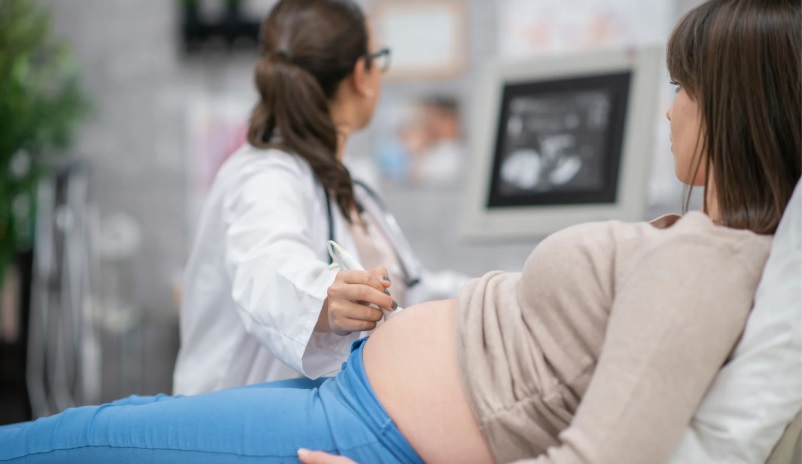
What are the signs of stillbirth at 36 weeks? How can an expectant mother tell if something isn’t right so late in pregnancy? At this stage, when the baby is almost full-term, any unusual changes can cause deep concern and fear. Recognizing early warning signs could be crucial in getting timely medical help.
Stillbirth at 36 weeks can show signs like the baby’s sudden loss of movement, absence of baby’s heartbeat, unusual vaginal bleeding, or severe abdominal pain.
According to Dr. Mary E. D’Alton, Chair of Obstetrics and Gynecology at Columbia University, decreased fetal movement is often the most critical signal that requires immediate attention. This article breaks down each symptom, explains why it happens, and outlines what actions to take if these signs appear.
Every moment matters when it comes to late-term pregnancy health. Understanding these warning signals can empower mothers and families to act quickly and seek help before it’s too late.
Let’s explore the key signs, expert advice, and preventive measures that can make all the difference at 36 weeks.
How Common Is It to Lose a Baby at 36 Weeks?
While most pregnancies progress safely into delivery, stillbirth can occur even in the final weeks of gestation. In developed countries, stillbirth after 20 weeks affects approximately 1 in every 160 pregnancies, though rates differ globally depending on healthcare access and maternal risk factors.
At 36 weeks, a baby is considered late preterm, meaning the risk of stillbirth is significantly lower than in earlier stages of pregnancy—but it’s not zero. In fact, studies show that about 15–20% of all stillbirths happen after 35 weeks.
Common Risk Factors Include:
- Placental problems: Placental insufficiency is one of the leading causes of late stillbirth, where the placenta no longer delivers enough oxygen and nutrients to the baby.
- Umbilical cord complications: Cord accidents, knots, or compression can reduce blood flow, leading to distress or death in utero.
- Maternal health conditions: Hypertension, gestational diabetes, preeclampsia, autoimmune diseases, and infections can increase risk.
- Fetal growth restriction (IUGR): Babies who grow slower than expected may be at higher risk of stillbirth due to placental or nutritional issues.
- Advanced maternal age: Women over 35 have a slightly higher chance of stillbirth in late pregnancy.
- Lifestyle factors: Smoking, drug use, or lack of prenatal care also elevate risk.
Although statistics can sound alarming, it’s vital to remember that most pregnancies reach full term without complications. However, knowing the signs and maintaining regular prenatal care can be key to prevention and timely intervention.
Overview of Pregnancy Loss at Late Pregnancy
Late pregnancy loss—defined as a stillbirth occurring after 28 weeks of gestation—differs from early miscarriage not only medically but emotionally. By 36 weeks, the baby has developed fully, and expectant parents are often emotionally, mentally, and physically prepared for childbirth.
Why Late Pregnancy Loss Happens
Late-term stillbirth can result from many factors, including:
- Placental abruption: The placenta separates prematurely from the uterine wall, cutting off oxygen and nutrients.
- Infections: Certain bacterial or viral infections (like listeria, group B strep, or cytomegalovirus) can cross the placenta and harm the fetus.
- Congenital abnormalities: Structural or genetic abnormalities in the baby can sometimes lead to fetal death.
- Maternal complications: High blood pressure, preeclampsia, or gestational diabetes may compromise placental function.
- Umbilical cord issues: A cord that wraps tightly around the baby’s neck (nuchal cord) or knots can obstruct oxygen flow.
- Unexplained causes: Tragically, in nearly 30–40% of stillbirths, the cause remains unknown even after investigation.
Emotional and Psychological Impact
The emotional toll of late stillbirth is profound. Parents often experience grief, shock, guilt, and trauma. These emotions can last for months or years and may require counseling, support groups, and compassionate care from medical professionals.
Understanding the possible warning signs your baby died and acting promptly offers the best chance of intervention when complications arise.
Are There Warning Signs Before Stillbirth?
Yes, in many cases, there are subtle but significant warning signs before a stillbirth occurs. However, these signs can be easily overlooked or mistaken for normal pregnancy changes. Being aware and attentive to your body’s cues is crucial in the final weeks of pregnancy.
Key Warning Signs to Watch For:
- Reduced or absent fetal movement: One of the most critical indicators of fetal distress is a noticeable decrease in your baby’s movements. If your baby’s usual pattern changes—fewer kicks, less activity, or complete stillness—contact your healthcare provider immediately.
- Unusual abdominal pain or cramping: Persistent pain, tightness, or pressure that doesn’t resemble normal Braxton Hicks contractions may signal a problem with the placenta or uterus.
- Vaginal bleeding or fluid leakage: Any unexpected bleeding, spotting, or watery discharge requires immediate medical evaluation.
- Sudden swelling or headaches: These can be signs of preeclampsia, which increases the risk of placental failure and stillbirth.
- No fetal heartbeat: During a checkup, your doctor or midwife may be unable to detect a heartbeat—a definitive sign of fetal demise.
Prompt medical attention can sometimes identify reversible causes, such as placental insufficiency or maternal complications, preventing tragedy. Always trust your instincts—if something feels wrong, seek care without delay.
What Are the Symptoms of a Stillborn Baby at 36 Weeks?
When stillbirth occurs, the physical and emotional symptoms can vary. Because the baby is fully developed at 36 weeks, the signs may become more noticeable compared to earlier stages of pregnancy.
Common Physical Symptoms Include:
- Absence of movement: A complete stop in fetal kicks or rolls for several hours.
- Lack of heartbeat: Confirmed through Doppler, ultrasound, or fetal monitoring.
- Changes in belly size or shape: The bump may appear smaller or softer as amniotic fluid levels decrease and the baby stops growing.
- Abnormal discharge: Dark, blood-tinged fluid or mucus may indicate complications.
- Back or abdominal pain: Can occur if the body begins labor naturally after fetal death.
Emotional Signs and Intuition
Many mothers describe a sudden sense that something is wrong—a feeling of emptiness or connection loss with their baby. This intuitive awareness, though subjective, should always be taken seriously and followed up medically.
Signs of Stillbirth at 36 Weeks in Pregnancy: (Be Alert)
The later stages of pregnancy bring rapid growth and heightened sensitivity to your baby’s movements. Recognizing subtle shifts in these patterns can save lives. Below are the most critical signs of stillbirth at 36 weeks that demand immediate medical evaluation.
Vaginal Bleeding
While light spotting can occasionally occur after cervical checks or intercourse, fresh red bleeding, clots, or heavy discharge are red flags. Bleeding can signal placental abruption—a dangerous condition where the placenta detaches from the uterine wall.
Seek emergency care if:
- You notice heavy bleeding or clotting.
- You feel sharp abdominal pain or back pain with bleeding.
- You experience dizziness, faintness, or rapid heartbeat.
Decreased Fetal Movement
If your baby’s kicks or rolls become significantly less frequent or stop altogether, it could indicate distress. You can monitor movement with a kick count test—you should feel at least 10 movements in two hours when your baby is usually active. Any deviation from your normal pattern warrants immediate evaluation.
Severe Abdominal Pain
Persistent or severe abdominal pain unrelated to contractions can indicate placental rupture or other complications. Even if the pain comes and goes, don’t ignore it.
Fluid Leakage
A sudden gush or continuous trickle of fluid from the vagina could mean your water has broken prematurely, or it may be amniotic fluid leaking due to complications. This situation increases infection risk and requires medical attention.
Unusual Swelling or Headaches
Sudden swelling of the face, hands, or legs, along with blurred vision or severe headaches, can suggest preeclampsia—a condition that increases the risk of stillbirth if untreated.
No Fetal Heartbeat
During prenatal visits, the absence of a heartbeat detected by Doppler or ultrasound is a definitive sign of stillbirth. Always keep up with appointments in the final weeks, as regular monitoring can help catch distress early.
Can Medical Malpractice Lead to Stillbirth?
In some cases, stillbirth at 36 weeks may occur due to medical negligence or malpractice. While not every tragic outcome is preventable, there are instances where proper medical care could have made a difference.
Examples of Medical Negligence:
- Failure to monitor fetal distress: Ignoring or misinterpreting signs of oxygen deprivation during late pregnancy or labor.
- Delayed response to reduced fetal movement reports: If a patient reports fewer movements and the provider fails to investigate, it may lead to preventable stillbirth.
- Mismanagement of preeclampsia or gestational diabetes: These conditions require vigilant monitoring and timely treatment.
- Failure to detect placental abruption or cord issues: Missing key warning signs during ultrasounds or prenatal exams.
- Neglecting to perform timely delivery: In high-risk pregnancies, delaying induction or cesarean delivery can lead to fatal outcomes.
If medical malpractice is suspected, parents have the right to request medical records, seek an independent review, and, if necessary, consult legal experts specializing in obstetric negligence. These cases are deeply emotional, but they can also bring awareness and drive improvements in maternal healthcare.
Commonly Asked Questions about Symptoms of Stillbirth at 36 Weeks (FAQs)
What Symptoms Should I Not Ignore at 36 Weeks Pregnant?
Do not ignore severe abdominal pain, persistent headaches, vision changes, sudden swelling, vaginal bleeding, fluid leakage, or a significant decrease in fetal movement. These require immediate medical evaluation to rule out serious complications like preeclampsia or placental issues.
What are possible causes of stillbirth late pregnancy?
Causes include placental abruption, infections, birth defects, and umbilical cord issues. These complications can also trigger a preterm birth. Uncontrolled maternal conditions like hypertension or diabetes are significant contributors to late-pregnancy stillbirth.
Are there risk factors for stillbirth?
Yes. Key risks include advanced maternal age, obesity, high blood pressure, and diabetes. A pregnancy complication like placental issues or cord problems also increases risk, as does a previous stillbirth or multiple gestation.
Is intrahepatic cholestasis of pregnancy dangerous?
Yes, ICP is a serious liver condition. It poses a significant risk of preterm birth and fetal distress, including stillbirth, due to bile acid buildup. It requires immediate medical management, often leading to early delivery around 37 weeks.
What Causes Stillbirth at 36 weeks?
Common causes include placental abruption, umbilical cord accidents, infections, birth defects, or maternal conditions like preeclampsia or ICP. These complications can compromise the baby’s oxygen or nutrient supply, leading to fetal demise in the final weeks.
What are the common signs of stillbirth at 36 weeks of pregnancy?
Common signs of stillbirth at 36 weeks may include a noticeable decrease in the baby’s movement or heartbeat. Pregnant women may find that their unborn baby is moving less than usual, which can be a warning sign. Other symptoms might include vaginal bleeding, fluid from your vagina, or severe abdominal pain, all of which warrant immediate medical attention.
How can I tell if my baby’s health is at risk during pregnancy?
Monitoring your baby’s movement is crucial. If you notice your baby is moving less than usual, it could indicate potential complications. Additionally, high blood pressure, diabetes, or signs of pre-eclampsia may increase the risk of stillbirth. Regular prenatal care and ultrasound examinations can help assess the baby’s health and detect any problems in pregnancy early on.
What are the causes of stillbirth at this stage of pregnancy?
Causes of stillbirth at 36 weeks can include placental problems, such as placental abruption or insufficient oxygen supply to the fetus. Other factors that may lead to stillbirth include infections in the mother, issues with the umbilical cord, or underlying health conditions like diabetes or high blood pressure. It’s essential to discuss these risk factors with your healthcare provider.
What should I do if I think my baby has died in the womb?
If you suspect that your baby has died in the womb, it is vital to seek immediate medical attention. Your doctor may perform an ultrasound to check for the fetal heartbeat and assess the baby’s condition. If confirmed, you may need to discuss options to induce labor or further assessments, such as an autopsy, to understand the cause of stillbirth.
How can I reduce the risk of stillbirth in future pregnancies?
To reduce the risk of stillbirth in future pregnancies, maintaining a healthy lifestyle is critical. This includes managing chronic health conditions, attending regular prenatal appointments, and monitoring your baby’s movements. Additionally, avoiding smoking, alcohol, and illicit drugs during pregnancy can significantly contribute to a healthier gestation period.
What pregnancy loss support is available for families experiencing stillbirth?
Families facing stillbirth often benefit from pregnancy loss support services, which may include counseling, support groups, and resources from healthcare providers. These services can help parents navigate their grief, understand their options for memorializing their baby, and receive emotional support during this challenging time.
Conclusion
The final weeks of pregnancy should be a time of joyful anticipation, yet the reality of stillbirth reminds us how fragile life can be. Understanding the signs of stillbirth at 36 weeks—such as reduced fetal movement, vaginal bleeding, abdominal pain, or unusual swelling—can empower expectant mothers to act quickly and seek life-saving care.
Stillbirth at 36 weeks is rare but real. Trusting your intuition, monitoring your baby’s movements, and maintaining open communication with your healthcare team are your best defenses. Remember: you know your body and your baby better than anyone else.
If you’ve experienced a loss, healing takes time. Support groups, counseling, and compassionate medical guidance can help you navigate the grief and find hope again. Every parent’s journey is unique, but awareness, education, and timely care can save lives and bring meaning to unimaginable pain.
Recommended posts
- 7 Warning Signs of Stillbirth in Pregnancy You Can’t Ignore!
- How Long Does It Take to Heal After Stillbirth?
- How to Prevent Stillbirth During Pregnancy (5 Proven Ways)
- Causes of Late Stillbirth: Key Medical and Maternal Factors