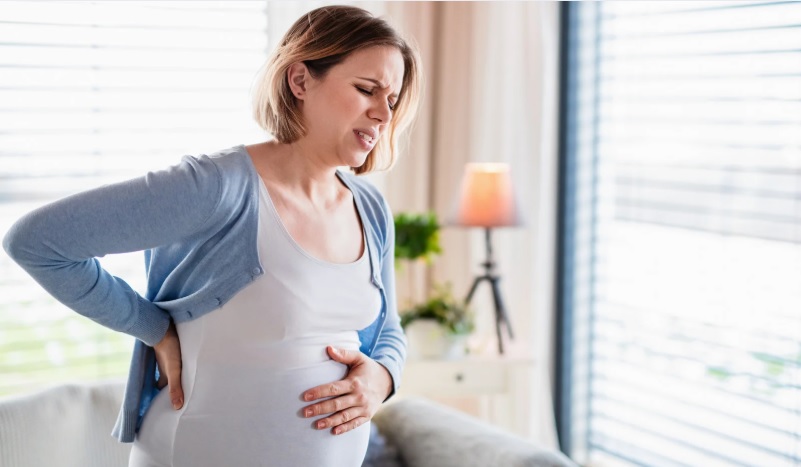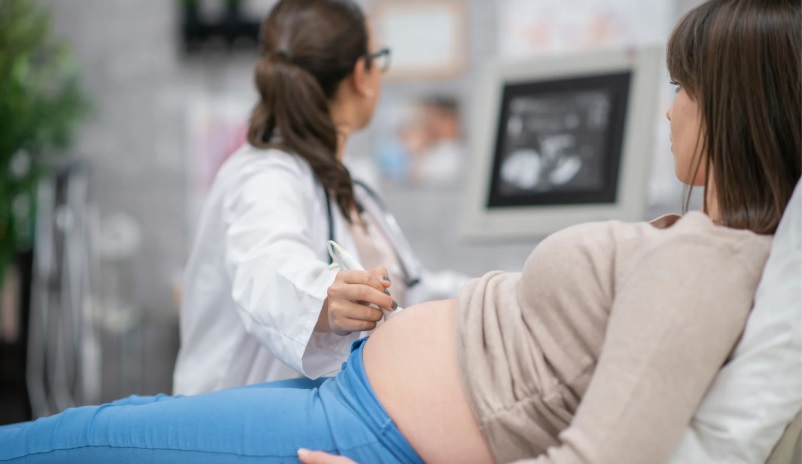
How to lower blood pressure in pregnancy safely and effectively? Many expecting mothers worry when they see their readings climb, fearing risks for both themselves and their baby. Do you know which lifestyle habits and medical tips can protect your heart and keep your pregnancy healthy? Let’s explore what top experts recommend for this critical stage.
To lower blood pressure during pregnancy, specialists like Dr. Laura Riley of Weill Cornell Medicine recommend regular prenatal checkups, a balanced diet rich in fruits and vegetables, and daily low-impact exercises such as walking or prenatal yoga. Cutting back on excess salt and monitoring stress levels also play a vital role. Your doctor may advise safe medications only when lifestyle changes aren’t enough.
These are just the essential steps to start with, but there’s much more you can do to safeguard both mother and baby. Ready to learn the science-backed strategies trusted by leading obstetricians? Let’s dive deeper into proven methods to keep blood pressure in check throughout your pregnancy.
Why Is High Blood Pressure a Problem During Pregnancy?
High blood pressure levels during pregnancy can lead to serious complications for both the mother and the baby. It can restrict blood flow to the placenta, which is vital for the fetus’s growth and development.
Additionally, elevated blood pressure can increase the risk of preeclampsia, a condition that can result in severe health issues if left untreated.
Moreover, high blood pressure can lead to premature birth and low birth weight, impacting the baby’s overall health. Understanding why high blood pressure is a problem is the first step in effective management, making it essential for pregnant women to monitor their blood pressure closely.
What’s Considered High Blood Pressure in Pregnancy?
High blood pressure in pregnancy is typically defined as a systolic blood pressure of 140 mm Hg or higher, or a diastolic blood pressure of 90 mm Hg or higher. These readings can be identified through regular prenatal check-ups, where healthcare providers assess the mother’s blood pressure to ensure it remains within a healthy range.
It’s important to note that there are different classifications of high blood pressure in pregnancy, including:
- Chronic Hypertension: Present before pregnancy or diagnosed before the 20th week.
- Gestational Hypertension: Develops after the 20th week of pregnancy and usually resolves after delivery.
- Preeclampsia: A more severe condition characterized by high blood pressure and signs of damage to another organ system, often the kidneys.
Understanding these classifications helps expectant mothers recognize their condition and take necessary precautions.
5 Proven Ways to Lower Blood Pressure in Pregnancy Safely
Now that we understand the risks associated with high blood pressure during pregnancy, let’s explore How to lower blood pressure during pregnancy, and five effective strategies to manage it safely.
1. Maintain a Healthy Diet
A balanced diet rich in fruits, vegetables, whole grains, and lean proteins can significantly impact blood pressure. Specifically, the DASH (Dietary Approaches to Stop Hypertension) diet is highly recommended. This diet emphasizes foods low in sodium and high in potassium, calcium, and magnesium, which can help lower blood pressure.
Consider incorporating foods such as:
- Leafy greens (spinach, kale)
- Berries
- Bananas
- Fatty fish (salmon, mackerel)
- Nuts and seeds
2. Stay Hydrated
Proper hydration is essential during pregnancy. Drinking enough water helps maintain healthy blood volume and can assist in regulating blood pressure. Aim for at least 8-10 glasses of water daily, or as recommended by your healthcare provider.
3. Regular Exercise
Physical activity is a natural way to lower blood pressure. Engaging in moderate exercise—such as walking, swimming, or prenatal yoga—can help strengthen the cardiovascular system. Always consult with a healthcare professional before starting any exercise regimen to ensure it is safe for your specific situation.
4. Stress Management
High stress levels can contribute to elevated blood pressure. Techniques such as deep breathing, meditation, and prenatal massage can help manage stress effectively. Finding time for relaxation and self-care is crucial during pregnancy.
5. Monitor Blood Pressure Regularly
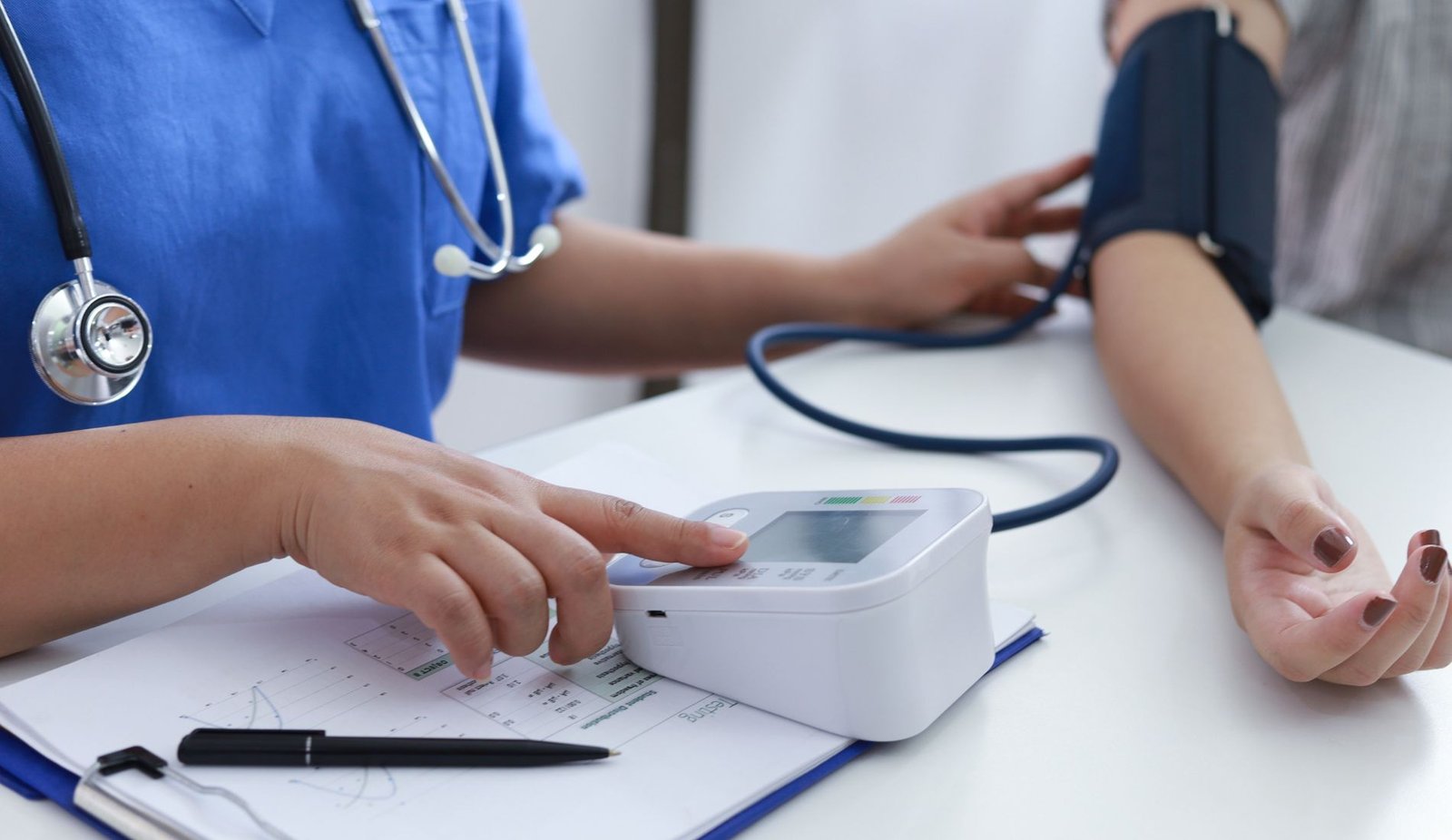
Regular monitoring of blood pressure is vital for any pregnant woman, especially those at risk of hypertension. Home blood pressure monitors are available and can provide valuable insights between medical appointments. Keeping a record of your readings can help you and your healthcare provider make informed decisions regarding your health.
High Blood Pressure During Pregnancy Potential Risks
The consequences of unmanaged high blood pressure can be severe. Some potential risks include:
- Preeclampsia: This serious condition can affect multiple organs, including the liver and kidneys, and may lead to complications such as placental abruption, where the placenta detaches from the uterus prematurely.
- Eclampsia: A severe form of preeclampsia that can cause seizures, posing a serious threat to both mother and baby.
- Placenta Abruption: High blood pressure can result in the placenta separating from the uterus, leading to heavy bleeding and potential loss of the baby.
- Preterm Birth: Elevated blood pressure may necessitate early delivery to protect the health of the mother and child.
- Low Birth Weight: Babies born to mothers with high blood pressure may experience growth restrictions, resulting in lower birth weights and associated health issues.
Managing high blood pressure effectively during pregnancy is not just beneficial for the mother; it is critical for ensuring a healthy start for the newborn.
Common Questions about Managing Low Blood Pressure During Pregnancy (FAQs)
What are symptoms of low blood pressure in pregnancy?
Symptoms include dizziness, lightheadedness, fainting, blurred vision, nausea, fatigue, and rapid, shallow breathing. These often occur when standing quickly. It’s usually manageable but report frequent episodes to your doctor.
What medicine is used to lower blood pressure in pregnancy?
Common safe medications for heart health include labetalol, methyldopa, and nifedipine. These are prescribed to manage hypertension while minimizing risks to the fetus. Always follow your obstetrician’s specific dosage instructions and attend regular monitoring appointments.
What helps lower blood pressure with pre-eclampsia?
Medications like labetalol are used. However, the only complete cure for pre-eclampsia is delivery. Blood pressure often lowers significantly after the baby is born, though monitoring continues postpartum.
What is considered high blood pressure in pregnancy?
High blood pressure during pregnancy, also known as gestational hypertension, is typically defined as a blood pressure reading of 140/90 mmHg or higher. It can occur after the 20 weeks of pregnancy and may lead to complications for both the mother and baby if not managed properly.
How can I control my blood pressure in pregnancy?
To control your blood pressure throughout pregnancy, it’s important to maintain a healthy diet, exercise regularly, and manage stress. Regular check-ups with your obstetrician can help monitor your blood pressure readings and ensure you are within the normal range.
What are the risks of hypertension in pregnancy?
Hypertension in pregnancy can increase your risk of complications such as preeclampsia, which can be dangerous for both the mother and baby’s health. Women who have chronic hypertension with superimposed preeclampsia are at a higher risk for cardiovascular and kidney disease.
When should I have my blood pressure checked during pregnancy?
It is recommended to check your blood pressure regularly throughout your pregnancy, especially during the first trimester and second trimester. Your doctor or midwife will advise you on how often you should measure your blood pressure based on your individual health needs.
Can low-dose aspirin help prevent preeclampsia?
Yes, taking low-dose aspirin can help prevent preeclampsia in women identified as high-risk. The American College of Obstetricians and Gynecologists recommends this approach for women who have a history of high blood pressure or other risk factors for pregnancy-related hypertension.
What should I do if I feel dizzy during pregnancy?
If you feel dizzy during pregnancy, it could be a sign of low blood pressure or other underlying issues. It’s important to sit or lie down and inform your obstetrician. They may recommend checking your blood pressure to determine if any action is needed to ensure your safety and your baby’s health.
What is the impact of long-term hypertension on pregnancy?
Long-term hypertension can complicate pregnancy and increase the risk of adverse outcomes such as fetal growth restriction and preterm birth. Therefore, managing blood pressure before and during pregnancy is crucial for both maternal and fetal well-being.
Are blood pressure medications safe during pregnancy?
Some blood pressure medications are considered safe during pregnancy, but others may not be. It’s essential to consult your doctor to determine which medications are appropriate for you, especially if you are planning to get pregnant or are already pregnant.
How does high blood pressure affect my baby’s health?
High blood pressure can affect your baby’s health by increasing risk of complications such as low birth weight, premature birth, and may even lead to stillbirth in severe cases. Monitoring and managing blood pressure is an important part of women’s health.
Conclusion
So, How to Lower Blood Pressure While Pregnant? Managing high blood pressure during pregnancy is crucial for the health of both the mother and the baby. By following these five proven methods to lower blood pressure in pregnancy safely, expectant mothers can take significant steps toward ensuring a healthy pregnancy and a positive birth outcome. Regular check-ups with healthcare providers, combined with lifestyle changes, can lead to better management of blood pressure and overall health during this critical time.
Recommended posts
- The Best Preeclampsia Diet Plan for A Healthy Pregnancy
- How to Recognize Preeclampsia Without High Blood Pressure?
- How to Prevent Preeclampsia and Support a Healthy Pregnancy
- Low Blood Pressure in Pregnancy: Causes, Risks & Relief Tips
- Pregnancy After Stillbirth: Hope, Healing & Success Stories