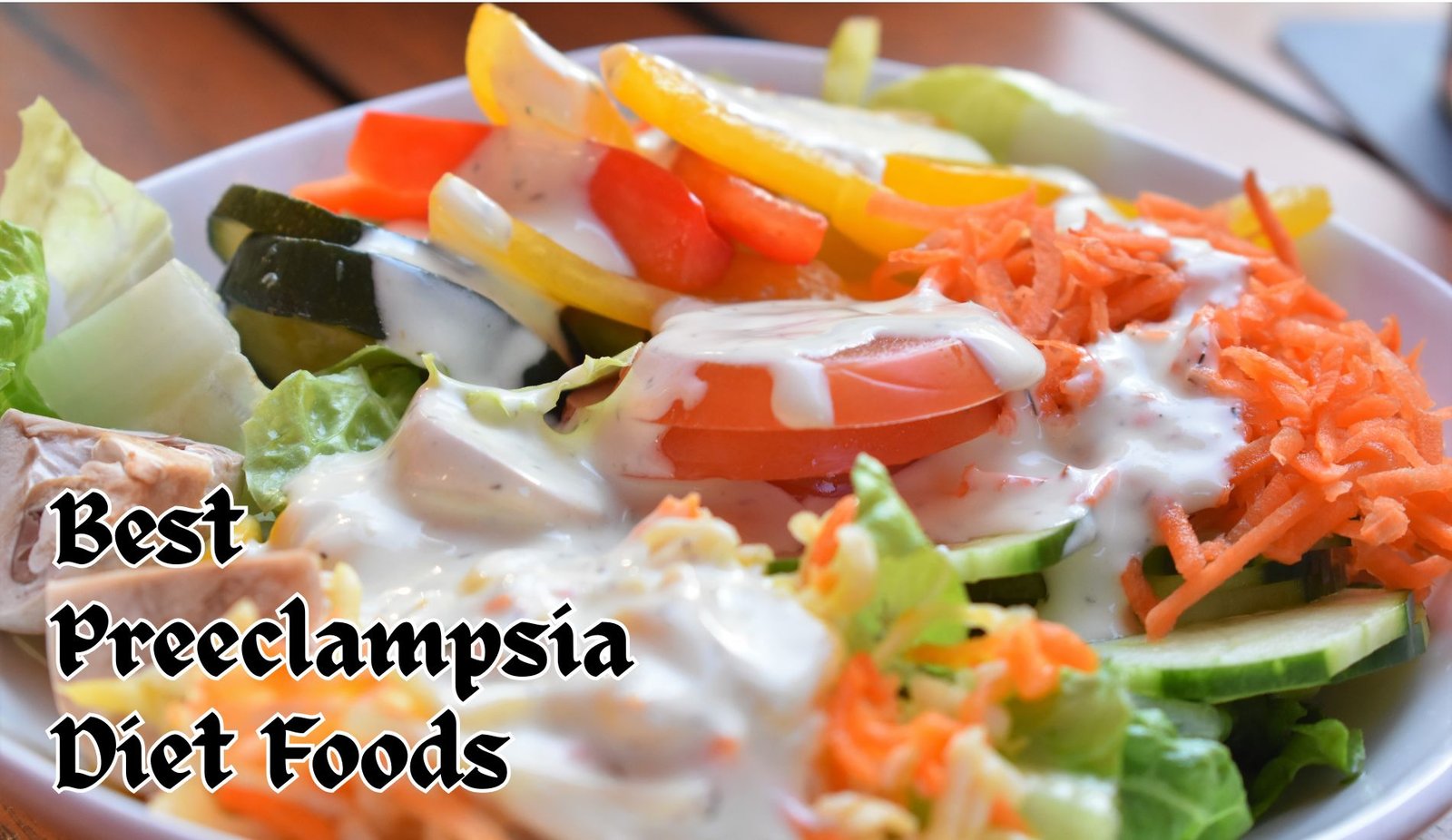
Are you looking for the right preeclampsia diet plan to protect both mother and baby during pregnancy? Preeclampsia affects around 5–8% of pregnancies, making nutrition a key factor in management. But what foods actually help, and which ones should you avoid?
A preeclampsia diet focuses on nutrient-rich meals with lean protein, whole grains, calcium, and antioxidants to reduce complications. Doctors often highlight foods like spinach, berries, beans, and fish for their blood pressure–supporting benefits. Limiting processed foods, excess salt, and sugary snacks also plays a major role in keeping symptoms under control.
Experts like Dr. Sibai, a leading maternal-fetal medicine specialist, stress that diet choices can make a real difference in outcomes. Curious to see which foods should be on your plate and which ones to skip? Let’s dive into the complete guide to the best and worst foods for a healthy preeclampsia diet.
What should You Eat if you Have Preeclampsia?
Eating with preeclampsia requires focusing on foods that support vascular health, reduce inflammation, and ensure you get sufficient nutrients for both mother and fetus.
Here are key dietary inclusions:
- Fruits and Vegetables
Aim for at least 400–500 grams per day (or ~5 servings) of a wide variety of colors. Dark leafy greens (spinach, kale), orange/red vegetables (carrots, red peppers), cruciferous veggies (broccoli, Brussels sprouts) are especially beneficial. They are rich in antioxidants, fiber, and micronutrients. - Whole Grains and Fiber‐Rich Foods
Choose whole grain breads, brown rice, oats, quinoa, barley. Aim for fiber intake in the range of 25-30 grams/day or more (depending on tolerance). Fiber helps reduce oxidative stress, moderates blood sugar levels, and supports healthy weight gain. - Lean Protein Sources
Include lean meats (chicken, turkey), fish (low‐mercury options like salmon, sardines), legumes (beans, lentils, chickpeas), eggs. Protein supports placental growth, helps with circulation, and contributes to maternal tissue health. - Healthy Fats
Favor monounsaturated fats (olive oil, avocado), omega-3 fatty acids (from fatty cold-water fish, flax seeds, walnuts). Omega-3s may have modest benefits in lowering risk of preeclampsia and help reduce inflammation. - Dairy or Calcium-Rich Alternatives
If tolerated, low‐fat dairy (milk, yogurt, cheese) provides calcium. For those who avoid dairy, fortified plant milks, tofu, green leafy vegetables, almonds, sesame seeds are good. Calcium is one of the better‐supported nutrients in reducing risk, especially when baseline calcium intake is low. - Micronutrients & Antioxidants
Vitamins and minerals such as vitamin D, folate/folic acid, vitamin C, iron, selenium play important roles. Foods rich in these include fortified cereals, lean meat, seafood, nuts, seeds, citrus fruits. Antioxidants help with endothelial function and reducing oxidative stress. - Hydration and Water
Staying well hydrated is essential. While fluid alone won’t prevent preeclampsia, dehydration worsens vascular constriction. Water, herbal (safe) teas, and fluids without excessive sugar are best. - Dietary Patterns
Adopt dietary patterns like the Mediterranean diet or similar whole-food, low processed food approaches. These patterns are shown to reduce risk in observational studies.
The Perfect Preeclampsia Diet Plan
Here’s a sample diet plan that supports people with preeclampsia.
⚠️ Important: This is general information, not a substitute for medical advice. Always follow your healthcare provider’s guidance—especially if you are pregnant with preeclampsia, because individual needs vary.
Key Nutrition Goals
- Manage blood pressure: Emphasize fresh produce, lean protein, and whole grains.
- Reduce excess sodium: Avoid processed and packaged foods.
- Support healthy pregnancy: Adequate protein, calcium, magnesium, and vitamins.
Daily Guidelines
| Focus On | Why It Helps |
|---|---|
| Fresh fruits & vegetables (5–7 servings/day) | Rich in potassium and antioxidants that support blood pressure control. |
| Lean protein (chicken, fish, beans, lentils) | Helps reduce swelling and maintains muscle health. |
| Whole grains (brown rice, quinoa, oats) | Provides fiber for stable blood sugar and healthy weight. |
| Low-fat dairy or fortified alternatives | Calcium supports healthy blood pressure. |
| Healthy fats (olive oil, avocado, nuts) | Anti-inflammatory, heart-healthy fats. |
| Plenty of water | Aids kidney function and reduces fluid retention. |
Foods to Limit
- High-sodium foods: processed meats, canned soups, salty snacks.
- Sugary drinks & refined carbs: soda, white bread, pastries.
- Highly processed foods: fast food, instant noodles.
- Excess caffeine & alcohol: avoid or minimize as advised by your doctor.
Sample One-Day Meal Plan
🌅 Breakfast
- Oatmeal cooked with low-fat milk or fortified soy milk
- Topped with fresh berries and a sprinkle of chia seeds
- Herbal tea or warm water with lemon
🕙 Mid-Morning Snack
- A small apple with a handful of unsalted almonds
🌞 Lunch
- Grilled salmon or baked skinless chicken breast
- Steamed broccoli, spinach, and carrots
- ½ cup brown rice or quinoa
- Drizzle of olive oil and lemon juice
🕒 Afternoon Snack
- Low-fat Greek yogurt with sliced kiwi or pear
🌆 Dinner
- Lentil and vegetable soup (low-sodium broth)
- Whole-grain bread slice
- Side salad with mixed greens, cucumber, and olive oil–balsamic dressing
🍵 Evening
- Chamomile tea or warm milk if desired
Lifestyle Tips
- Monitor blood pressure daily or as recommended.
- Stay active with gentle activities like walking or prenatal yoga (if approved by your doctor).
- Rest adequately and elevate your feet to help reduce swelling.
- Follow your doctor’s prescribed medication and supplements (like calcium or magnesium if advised).
What to Avoid with Preeclampsia?
Just as important as what to eat is what to limit or avoid so you don’t worsen symptoms or increase risks:
- High Sodium / Excess Salt
While some salt is necessary, excess salt can exacerbate hypertension. Avoid highly salted processed foods, chips, canned soups with high sodium, salty snacks. Be cautious of “hidden” salts. - Foods with Added Sugars
Sugar-sweetened beverages (sodas, sweetened juices), candy, desserts: high consumption of these has been linked with increased risk. Natural sugars in fruit are fine; focus on limiting refined sugars. - Saturated and Trans Fats
Limit fatty red meats, processed meats (sausages, deli meats), full-fat dairy heavy in saturated fat. Avoid trans fats (many processed baked goods, fried fast foods) which contribute to inflammation. - Excessive Caffeine
Moderate caffeine is usually safe, but high intake can increase blood pressure. Consult your healthcare provider about safe levels. - High-Mercury Fish / Toxin Load
Avoid fish known to have high mercury levels (e.g. shark, swordfish, tilefish, king mackerel). Also avoid raw or undercooked seafood. Pesticide residues, heavy metals should be minimized. - Highly Processed, Refined Foods
Foods high in refined carbohydrates (white bread, pastries), packaged snacks, fast food: these are often high in sugars/salt/fats, low in micronutrients, and contribute to poor weight control and metabolic imbalance. - Dehydrating Substances
Alcohol (if relevant by regulation), and limit drinks with high sugar or caffeine. (Note: alcohol is contraindicated in pregnancy in many guidelines.) - Unbalanced Vitamin/Mineral Over‐Supplementation
More is not always better. Some antioxidant supplements (e.g. excessive Vitamin E or C) have not shown benefit, and in some studies may be harmful or have no effect.
What are 5 Nutritional Recommendations and Interventions for Preeclampsia?
Here are five evidence-based nutritional interventions that are preeclampsia among the most supported in current research to reduce the risk of pre-eclampsia:
1. Calcium Supplementation
- In populations with low dietary calcium intake, supplementing with about 500 mg per day, or ensuring total intake of ≥ 1,000 mg/day, has been shown to approximately halve the risk of preeclampsia.
- Best begun in the first trimester of pregnancy when possible; good dietary sources plus supplement if diet is insufficient.
2. Adequate Vitamin D
- Maintaining sufficient vitamin D status supports immune modulation, endothelial function, and placental health. Several studies suggest it may reduce risk, though evidence is mixed and more trials are needed.
- Safe levels must be maintained; combine sunlight exposure, diet, and supplements under medical guidance.
3. Dietary Pattern Interventions (Mediterranean, DASH etc.)
- Adherence to a Mediterranean or DASH (Dietary Approaches to Stop Hypertension) style diet has been associated with 35-45% reduction in preeclampsia risk in observational studies.
- Key features: high fruits & vegetables, whole grains, fish, legumes, nuts; low processed foods, red meat, added sugar, and unhealthy fats.
4. Multivitamin / Mineral Supplementation (where appropriate)
- Especially important are folate/folic acid (to support placental development), iron (to avoid anemia, which appears to elevate risk), selenium, and others depending on baseline diet.
- Supplement use should be tailored to individual deficiencies and risk factors; blanket high-dose supplementation without testing can sometimes be ineffective or even risky.
5. Limiting Added Sugar and Weight Management
- Excessive weight gain during pregnancy, pre-pregnancy obesity, and high intake of foods/beverages with added sugar are consistent risk factors. Controlling gestational weight gain within recommended guidelines helps reduce risk.
- Replacing sugary drinks with water or healthy alternatives, choosing whole fruits instead of sugary desserts, balancing energy intake and physical activity (where safe) are critical interventions.
Which Deficiency Causes Preeclampsia?
Preeclampsia is multi‐factorial and no single deficiency alone “causes” it in all cases. However, a number of nutritional deficiencies are robustly associated with higher risk. Addressing these is part of an effective prevention and dietary plan:
| Nutrient | Role in Preeclampsia Risk / Physiology |
|---|---|
| Calcium | Low calcium intake leads to increased vascular resistance and higher blood pressure. Adequate calcium helps regulate vascular tone and may reduce risk significantly in populations with low intake. PMC+1 |
| Vitamin D | Affects immune modulation, endothelial health, and inflammation. Deficiency correlates with higher preeclampsia risk. Evidence of benefit when supplemented, though results vary. Nature+2BioMed Central+2 |
| Folate / Folic Acid | Important for placentation, cell growth, DNA synthesis. Deficient folate status may lead to impaired placental development and increased oxidative stress. PMC+1 |
| Iron | Anemia (low hemoglobin / iron) is associated with higher odds of preeclampsia. Ensuring adequate iron helps maternal oxygenation and reduces compensatory stress on vascular system. Nature+1 |
| Selenium | Acts via antioxidant enzyme systems; lower selenium status has been observed in many women with preeclampsia; supplementation in low‐selenium populations shows reduced risk. MyNutriWeb+1 |
Other deficiencies under study of hypertension in pregnancy include magnesium, zinc, and certain amino acids (e.g. L-arginine), but evidence is less definitive.
Commonly Asked Questions about the Best Diet for Preeclampsia (FAQs)
What is preeclampsia and how can diet affect it?
Preeclampsia is a pregnancy complication characterized by high blood pressure and signs of damage to other organ systems, often the kidneys. Diet plays a crucial role in managing risk factors associated with developing preeclampsia. A balanced diet rich in fruits, vegetables, whole grains, and healthy fats can help reduce the risk of developing preeclampsia.
How can pregnant women reduce the risk of preeclampsia?
Pregnant women can reduce the risk for preeclampsia by adhering to a healthy diet, staying physically active, and managing weight. Incorporating dietary factors such as low-sodium options, adequate calcium intake, and a focus on whole foods can be beneficial in preventing hypertensive disorders of pregnancy.
Which dietary factors are known to affect the risk of preeclampsia?
Several dietary factors can affect the risk of preeclampsia, including low dietary calcium intake, insufficient intake of fruits and vegetables, and high consumption of processed foods. A diet rich in antioxidants and low in saturated fats is recommended to help mitigate these risks.
Is there a specific diet for pregnant women to prevent preeclampsia?
While there is no one-size-fits-all diet, a Mediterranean-style diet is often recommended for its protective role in reducing the risk of preeclampsia. This diet emphasizes whole grains, lean proteins, healthy fats, and plenty of fruits and vegetables, which can contribute to better pregnancy outcomes.
What role does dietary intervention play in the prevention of preeclampsia?
Dietary intervention can significantly lower the incidence of preeclampsia by promoting a healthier lifestyle and improving diet quality. Studies have shown that women who adopt healthier eating patterns during pregnancy may experience a reduced risk of preeclampsia and other pregnancy complications.
How does the DASH diet relate to preeclampsia risk?
The DASH (Dietary Approaches to Stop Hypertension) diet, which encourages the intake of fruits, vegetables, whole grains, and low-fat dairy, may help reduced risk of developing. Adherence to this dietary pattern has been associated with lower blood pressure and improved outcomes in pregnant women.
What are the recommended foods for reducing the risk of preeclampsia?
Foods recommended for reducing the risk for preeclampsia include leafy greens, fruits like bananas and oranges, whole grains, nuts, seeds, and healthy fats such as olive oil. These foods provide essential nutrients that support overall health and help manage blood pressure.
When should dietary changes be made to prevent preeclampsia?
Ideally, dietary changes should begin preferably when planning pregnancy. Early intervention can help establish healthy habits that support both maternal and fetal health throughout all trimesters, especially during late pregnancy when the risk for complications increases.
Are there supplements that can help risk of cardiovascular disease?
Some studies suggest that calcium and magnesium supplementation may help reduce the risk of developing preeclampsia, especially in women with low dietary intake. However, it is essential to consult with a healthcare provider before starting any supplementation.
What is the impact of high blood pressure on pregnancy outcomes?
High blood pressure during pregnancy can lead to serious complications such as preeclampsia, which can adversely affect pregnancy outcomes. Managing blood pressure through diet, exercise, and medical care is critical to ensuring the health and safety of both the mother and the baby.
Conclusion
Managing preeclampsia through a well-structured Preeclampsia Diet Plan is essential for promoting a healthy pregnancy. By focusing on nutrient-dense foods, avoiding harmful substances, and following specific nutritional recommendations, expectant mothers can support their health and that of their babies. Always consult with healthcare professionals to tailor dietary choices to individual needs and ensure the best outcomes during pregnancy. Through proper nutrition and care, the risks associated with preeclampsia can be effectively managed.
Recommended posts
- National Preeclampsia Awareness Month: (5 Life-Saving Facts)
- Early Onset Preeclampsia – The Critical Signs to Watch for
- The Power of Using Magnesium for Preeclampsia Treatment
- How to Lower Blood Pressure During Pregnancy Safely
- Low Blood Pressure in Third Trimester of Pregnancy: Risks & Relief Tips
- The Physiology of Anemia in Pregnancy in Expecting Mothers