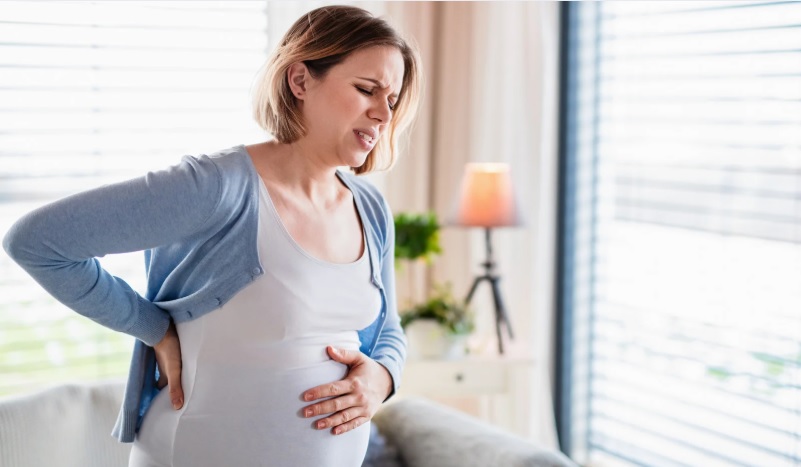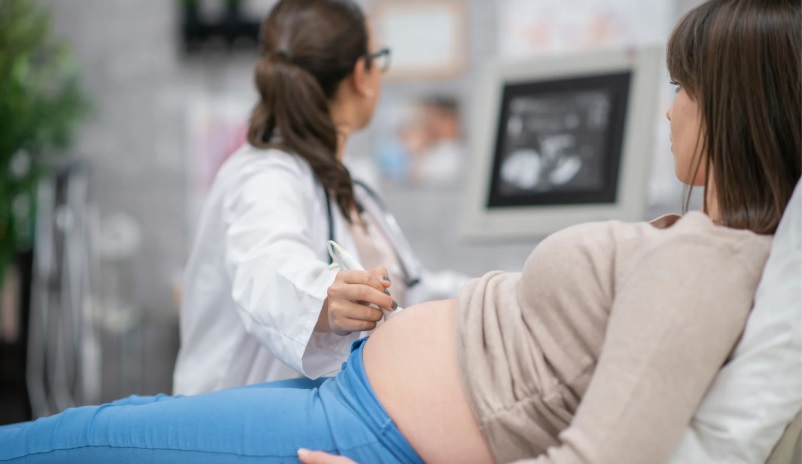
How to Get Pregnant Fast After Ectopic Pregnancy—have you been searching for the safest and quickest way to conceive again after such a challenging experience? Many women wonder how soon they can try and what steps actually improve their chances. Is there a proven path to boost fertility after recovering from an ectopic pregnancy?
The answer lies in combining medical guidance with lifestyle adjustments. Specialists suggest waiting for complete healing, usually three to six months, before trying again. Proper medical follow-ups, fertility-friendly nutrition, and timed intercourse under your doctor’s advice can significantly raise the odds of getting pregnant fast.
But these are not the only steps that make a difference. Fertility experts like Dr. Jane Frederick, a renowned reproductive endocrinologist, emphasize the importance of monitoring ovulation and emotional well-being alongside physical recovery.
So, let’s dive deeper into the expert-backed strategies that can help you safely and effectively conceive after an ectopic pregnancy.
Can You Get Pregnant After an Ectopic Pregnancy?
Yes, it is possible to get pregnant after an ectopic pregnancy, though it requires careful monitoring and sometimes intervention. An ectopic pregnancy usually happens when a fertilized egg implants outside the uterus, most commonly in a fallopian tube.
This can compromise the tube’s structure and, in some cases, fertility. However, the likelihood of conceiving naturally largely depends on factors such as the extent of tubal damage, the method of treatment, and the woman’s overall reproductive health.
Medical treatments for ectopic pregnancy include:
- Medication (Methotrexate): Used to stop cell growth and dissolve the pregnancy without surgery. Tubal function is often preserved, increasing the likelihood of future conception.
- Conservative Surgery: A salpingostomy, which removes the ectopic tissue while keeping the tube intact, often maintains fertility.
- Radical Surgery: Salpingectomy, the removal of the affected tube, can reduce fertility but doesn’t eliminate the possibility of conception, as the remaining tube can still allow fertilization.
Importantly, emotional recovery is as crucial as physical recovery. Anxiety, grief, and stress can indirectly affect fertility, so addressing mental health is an essential component of preparing for a subsequent pregnancy.
Fertility after ectopic pregnancy – chance for a successful pregnancy after a tubal pregnancy
Fertility after an ectopic pregnancy varies depending on individual circumstances. Studies suggest that approximately 65–70% of women who have had one ectopic pregnancy can achieve a successful intrauterine pregnancy in the future. Key factors influencing this include:
- Condition of the Fallopian Tubes: If both tubes are healthy, chances of natural conception remain high. If one tube was removed or damaged, the other tube may compensate.
- increased Age: Fertility naturally declines with age, so younger women generally have higher success rates after an ectopic pregnancy.
- Underlying Health Conditions: Issues like endometriosis, pelvic inflammatory disease PID, or previous surgeries can affect fertility outcomes.
- Time Between Pregnancies: Doctors often recommend waiting a few menstrual cycles before attempting conception to allow the body to heal and reduce the risk of recurrent ectopic pregnancy.
Tracking ovulation, maintaining a healthy lifestyle, and attending regular follow-ups with your gynecologist or fertility specialist can significantly improve your chances of a healthy pregnancy.
How to Get Pregnant Fast After Ectopic Pregnancy?
For women eager to conceive after an ectopic pregnancy, a proactive approach can make a meaningful difference. Here are proven strategies:
- Medical Clearance: Before trying to conceive, ensure your doctor confirms that your hormone levels have normalized and your reproductive organs have healed. This is critical to reduce risks of complications.
- Track Your Fertile Window: Understanding ovulation is key. Fertility apps, basal body temperature charts, or ovulation test kits can help pinpoint the best days to conceive.
- Manage Stress and Mental Health: Stress can disrupt ovulation and lower fertility. Mindfulness techniques, therapy, and support groups are highly beneficial.
- Address Tubal Health: For women who had tubal surgery, doctors may recommend imaging tests like hysterosalpingography (HSG) to confirm the tubes are clear and functional.
- Avoid Risk Factors: Smoking, excessive alcohol, and certain medications can impair fertility. Consult your doctor about safe alternatives.
- Consider Timed Intercourse or Ovulation Induction: In some cases, your doctor may prescribe medications like clomiphene citrate to stimulate ovulation and increase chances of conception.
By following these steps and working closely with a fertility specialist, many women can achieve pregnancy faster than they might expect after an ectopic pregnancy.
When IVF May Be the Best Option After an Ectopic Pregnancy?
While natural conception is possible for many women, there are scenarios where in vitro fertilization (IVF) may offer the best path to pregnancy after an ectopic pregnancy. IVF bypasses the fallopian tubes entirely, making it particularly suitable when:
- Both fallopian tubes are damaged or removed: IVF directly implants the embryo in the uterus, circumventing any tubal issues.
- Recurrent Ectopic Pregnancies: If prior pregnancies repeatedly implanted outside the uterus, IVF reduces the risk of recurrence.
- Age-Related Fertility Decline: IVF allows controlled fertilization and embryo transfer, increasing chances for women with diminished ovarian reserve.
- Other Fertility Challenges: Conditions such as endometriosis, unexplained infertility, or male factor infertility may warrant IVF as an effective solution.
IVF success rates vary based on age, ovarian reserve, and clinic expertise. Women under 35 often have the highest likelihood of success, while older women may require multiple cycles or adjunct techniques such as egg donation.
What are The NHS criteria for being eligible for IVF?
For those in the UK considering IVF after an ectopic pregnancy, the NHS has specific eligibility criteria to determine access to treatment. While local guidelines can vary, the standard requirements generally include:
- Age Limits: Women under 43 are typically eligible, though some areas may restrict NHS funding to those under 40.
- Duration of Infertility: Couples usually must have tried to conceive naturally for at least 2 years or 12 months if the woman is over 35.
- Medical Assessment: Fertility assessments, including ovarian reserve tests and semen analysis, are required to confirm eligibility.
- Lifestyle Factors: NHS guidelines may require non-smoking status, BMI within a recommended range, and adherence to general health recommendations to optimize IVF success.
- Previous Pregnancies: Past ectopic pregnancies do not automatically disqualify a woman from NHS-funded IVF. Each case is reviewed individually, especially when the likelihood of success is affected by tubal issues.
It’s important to consult your local NHS fertility clinic for precise criteria, as regional differences can affect eligibility and funding availability.
Commonly Asked Questions about Conceiving After Ectopic Pregnancy (FAQs)
Why can’t i get pregnant after ectopic pregnancy?
Difficulty conceiving after you experience an ectopic pregnancy is often due to scar tissue or damage in the fallopian tube from the prior event. This can hinder the egg’s journey or block fertilization, but many women still achieve a successful pregnancy later.
Can I Get Pregnant After Ectopic Pregnancy?
Yes, you can get pregnant after an ectopic pregnancy. However, having one increases your risk of another ectopic. Fertility depends on fallopian tube health. Consulting a doctor for monitoring and early ultrasound in future pregnancies is crucial for safety.
Why must I wait for three months before trying to conceive?
This waiting period allows your body to heal fully, regulates your cycle, and lowers the risk of another ectopic. It ensures the uterine cavity is optimally prepared for a new embryo to successfully implant when you become pregnant again.
How to prepare for pregnancy after an ectopic pregnancy?
Consult a fertility specialist for a prepregnancy assessment. Monitoring hcg levels to ensure they return to zero is critical, as tissue left untreated causes complications. A fertility treatment plan can then optimize chances for a healthy uterine pregnancy.
What monitoring is needed in a second pregnancy after ectopic pregnancy?
Close early monitoring is vital when trying to get pregnant again. After you are able to get pregnant, doctors track hCG levels and perform early ultrasounds to confirm the pregnancy is located correctly within the uterus, ensuring a viable gestation.
Can a home pregnancy test detect an ectopic pregnancy?
A home test detects the hCG hormone present in early pregnancy but cannot determine its location. An ectopic pregnancy, often in a fallopian tube (not an ovary), may still yield a positive pregnancy test, requiring an ultrasound for a definitive diagnosis.
Can you get pregnant after an ectopic pregnancy?
Yes, you can get pregnant after an ectopic pregnancy. While there is a risk of another ectopic pregnancy, your chances of getting pregnant naturally are good. If both tubes are damaged, IVF treatment is a highly successful alternative to achieve a healthy pregnancy.
Is it necessary to remove the fallopian tube after ectopic pregnancy?
Fallopian tube removal (salpingectomy) is common for a ruptured ectopic pregnancy to stop life-threatening bleeding. For stable patients, tube-preserving surgery is often possible. The decision balances immediate health with future fertility goals, which IVF can support if needed.
What is the sexually transmitted infection of the ectopic pregnancy?
A sexually transmitted infection (STI) like chlamydia or gonorrhea causes pelvic inflammatory disease, which scars the fallopian tubes. This significantly increases ectopic pregnancy risk, where an embryo implants in a tube, posing a grave danger of rupture and life-threatening internal bleeding.
Conclusion
Recovering from an ectopic pregnancy and planning for a future pregnancy can feel overwhelming, but medical advancements and targeted strategies make conception entirely possible for most women. Understanding your reproductive health, monitoring fertility, and adopting lifestyle practices that support conception are key steps in increasing the likelihood of success.
For women whose fallopian tubes are compromised, IVF offers a reliable pathway to pregnancy, with NHS guidelines providing structured access for those who meet the criteria. By combining medical guidance, emotional support, and proactive fertility management, you can significantly improve your chances of achieving a healthy pregnancy after an ectopic pregnancy.
With knowledge, patience, and the right approach, women can move from a place of uncertainty to hope, embracing the possibility of welcoming a healthy baby into their lives sooner than they might expect.
Related posts
- Can Ectopic Pregnancy Test Negative? (Here’s the Truth)
- Decidual Cast and tubal Pregnancy Risks (Diagnosis Guide)
- Ectopic Pregnancy hCG Levels at 5 Weeks (Signs & Monitoring)
- Chances of Having Twins After Ectopic Pregnancy: What Science Says
- The Hidden Link Between Ectopic Pregnancy and Endometriosis