
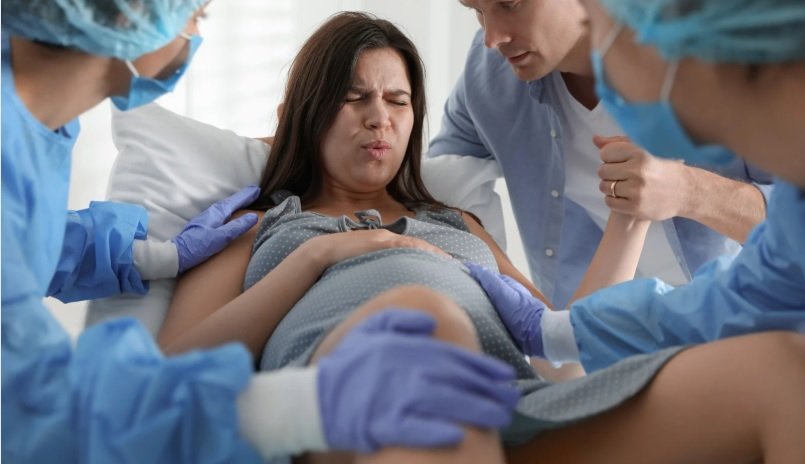
Worried about pooping during labor? One of the most common, yet rarely discussed, concerns among pregnant people is pooping in labor. It’s not exactly a topic that comes up at baby showers, but it’s one that occupies the minds of many expectant mothers as their due date approaches.
The fear of losing bowel control while giving birth can spark anxiety, embarrassment, or even dread. But here’s the truth: it’s more common than you think to poop while in labor — and it’s a completely normal part of the childbirth process.
In this comprehensive guide, we’ll explore why pooping while in labor happens, whether it can be avoided, and what strategies you can use if you’re hoping to prevent it. Most importantly, we’ll help you reframe this moment with facts, not fear.
Do You Poop While Giving Birth?
Yes, it is entirely possible—and quite common—to poop while giving birth. During the pushing stage of labor, as the beautiful baby moves down the birth canal, the same muscles used to expel the baby are also responsible for bowel movements.
This overlapping use of muscles means that when you’re pushing with all your strength, especially in the second stage of labor, a bowel movement may happen naturally.
The thought of this might make you cringe, but rest assured: labor and delivery professionals see it all the time. In fact, many obstetricians and midwives consider it a positive sign because it often indicates effective pushing. If it happens, it is usually cleaned up discreetly and quickly—often without you even knowing it happened.
Is it Normal to Poop During Labor and Delivery?
Absolutely. Pooping during labor is completely normal and even expected in many cases. The close proximity of the rectum and the birth canal, combined with the intense abdominal pressure during pushing, makes it likely that stool will be expelled.
According to studies and anecdotal reports from labor and delivery nurses, the majority of women experience some degree of bowel movement during vaginal delivery.
Rather than viewing it as a sign of failure or embarrassment, it helps to recognize that this is just a physiological response to childbirth. Labor is messy, raw, and real—pooping is just one of many bodily reactions that can occur. Medical teams are prepared and trained to handle it without fanfare or judgment.
Why You Might Poop While in Labor?
The reasons for pooping during labor are rooted in simple anatomy and the mechanics of childbirth. Here’s why it often happens:
1. Shared Muscle Use
The rectal muscles and pelvic floor muscles play a dual role: they help you push during a bowel movement and also aid in delivering a baby. When you’re bearing down to push your baby out, you’re using the exact same muscles you use to poop. So, it’s no surprise that pushing the baby out can push stool out as well.
2. Baby’s Position
As your baby descends into the birth canal, their head presses against your colon and rectum, especially if they are in a head-down position. This pressure naturally stimulates the rectum, often leading to a bowel movement.
3. Body’s Preparation
Your body may begin “clearing out” in early labor. Some women report experiencing diarrhea or loose stools hours before labor starts. This is your body’s way of preparing the birth canal by emptying the bowels.
4. Use of Medications
Certain pain relief medications and epidurals can affect bowel control. While epidurals don’t cause pooping, they may reduce sensation, making it harder to tell when a bowel movement is happening.
5. Involuntary Muscle Activity
Labor is an intense experience that takes over the body. Involuntary contractions and bearing down reflexes can engage muscles that you can’t always control, resulting in the unintentional release of stool.
Can You Avoid Pooping During Labor?
While pooping during labor is common and natural, it can’t always be avoided—and in many cases, trying too hard to prevent it may work against you. That said, there are certain steps you can take to reduce the likelihood of it happening.
However, it’s important to approach this with a mindset of flexibility. Avoiding pooping shouldn’t be the top priority during labor, especially if it causes unnecessary stress or disrupts effective pushing.
Instead, think of these strategies as ways to increase comfort and confidence, not absolute guarantees.
How to Avoid Pooping During Labor?
If avoiding pooping during labor is something you’d like to try, there are some gentle and medically safe approaches to consider:
1. Empty Your Bowels in Early Labor
If you’re at home during early labor, try using the bathroom regularly. Gentle bowel movements before active labor begins can help reduce the likelihood of pooping later. Walk around, stay hydrated, and consider eating light, fiber-rich foods in the hours leading up to labor.
2. Consider an Enema (With Caution)
Some women opt for a pre-labor enema to clear the bowels before delivery. While this used to be standard practice in hospitals, it’s now optional in most places. Enemas can help eliminate stool from the rectum before pushing begins, but they’re not always necessary and can sometimes cause cramping or discomfort. Always consult your provider before using one.
3. Mindful Eating Before Labor
Avoid heavy, greasy, or hard-to-digest meals once labor begins. Choose lighter options such as broth, fruit, toast, or yogurt to minimize the amount of stool in the digestive system. This won’t eliminate the chance of pooping but can reduce volume and urgency.
4. Stay Active and Upright
Movement helps promote digestion and can encourage natural bowel emptying before active labor. Walking, gentle squatting, or using a birthing ball in early labor supports this process.
5. Let Gravity Help
Laboring in upright or hands-and-knees positions can shift the baby off your rectum and reduce the direct pressure that often causes stool to release. Additionally, these positions can aid in a more efficient delivery.
6. Talk to Your Provider
If you’re extremely anxious about pooping during labor, discuss it openly with your healthcare provider. They can help you understand how it’s handled in their facility and reassure you that it’s not only common but managed professionally and respectfully.
7. Work With a Doula
A birth doula can help guide you through labor and alleviate fears, including the fear of pooping. Doulas provide non-judgmental support and create a calming presence, which may help you focus less on bodily functions and more on your birth experience.
Commonly Asked Questions about Pooping During Childbirth (FAQs)
What percentage of women poop during labor?
About 70% of women poop during vaginal birth due to pressure on the bowels. It’s normal, but many know about pooping in labor only when it happens. Staff handle it discreetly.
Do you poop during labor?
Yes, you’ll probably poop if you’re in labor — it’s common (70% of women) due to pushing pressure. Doctors expect it and handle it discreetly, so don’t worry!
Do women poop during labor?
Yes, many women poop while pushing due to pressure from the baby’s head. It’s normal (70% of births) and medical staff handle it discreetly—no need to stress!
How can i avoid pooping during labor?
To avoid pooping during birth, try an enema before labor or empty your bowels early. But poo in labor may still happen—it’s normal and staff handle it quickly.
How to not poop during labor in delivery room?
To reduce chances of pooping during birth, empty your bowels early or request an enema. However, poop during birth is common (70%) and handled discreetly—focus on delivery, not embarrassment!
How can i avoid pooping during labor?
To avoid pooping during labor, try an enema or empty bowels early—but “poop happens ! It’s normal (like you need to poop from pushing) and staff handle it quickly.
What is the normal range of amniotic fluid during labor?
The normal amniotic fluid index (AFI) in labor is 5-25 cm; levels below 5 cm indicate oligohydramnios, while above 25 cm suggest polyhydramnios. Monitoring ensures fetal safety.
When do you feel the urge to push during labor?
The urge to push strikes when contractions put pressure on the cervix (usually 10cm dilation). People feel it intensely, especially in occiput posterior position. Listen to your body and medical team.
Conclusion
Pooping during labor is one of those rarely discussed realities of childbirth that deserves more honest conversation and less stigma. While the idea may be uncomfortable or even embarrassing at first, it’s important to understand that it’s not only normal—it’s a sign that you’re pushing effectively and that your body is doing exactly what it needs to do.
Trying to avoid pooping during labor is perfectly okay if it brings you peace of mind, but it should never be a source of shame or anxiety. Medical professionals handle it discreetly and routinely, and chances are you’ll be so focused on delivering your baby that you won’t even notice it happening.
Rather than letting fear of a natural bodily function distract you, focus on preparation, knowledge, and support. Whether it happens or not, the end result is the same: the birth of your beautiful baby—and that’s what truly matters.
Recommended posts
- 13 Weird Signs Labor Is Near That Most Women Miss
- Is Shivering During Labor Normal or a Sign of Trouble
- Can Walking Induce Labor? What Science and Moms Say
- How Many People Can Be in Delivery Room? (Hospital Rules)
- 5 Yoga Ball Moves to Induce Labor Naturally and Safely

