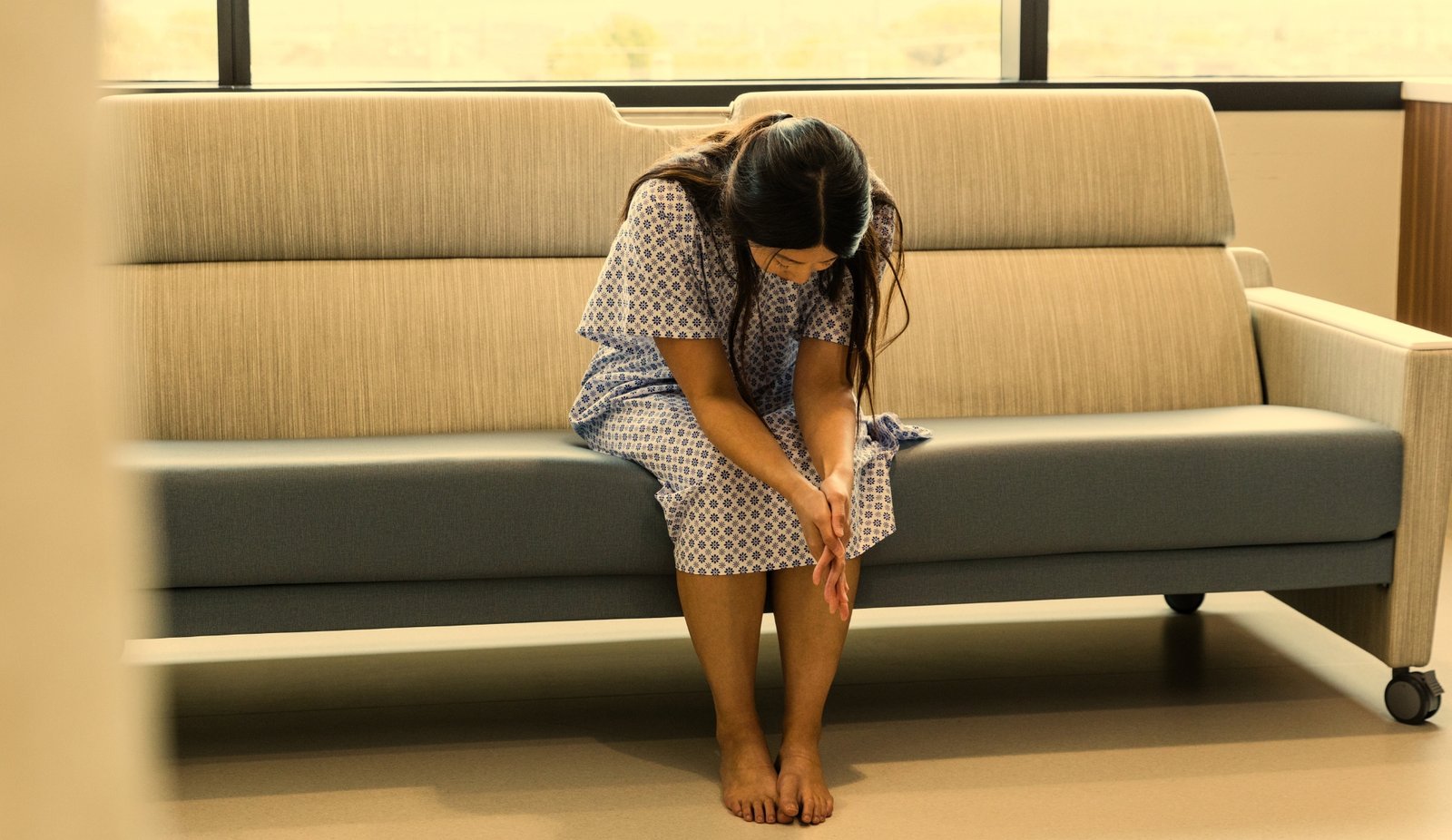
Just experienced a loss and wondering, how soon can you become pregnant after a miscarriage? It’s a deeply emotional time, and many women are unsure when it’s physically and emotionally safe to try again. Can your body really bounce back that quickly?
You can ovulate as soon as two weeks after a miscarriage, meaning pregnancy could happen within a month. According to the World Health Organization, some doctors recommend waiting at least three months, but newer research suggests it may be safe to conceive sooner if you’re ready. Dr. Zev Williams, a leading miscarriage expert, explains that individual health and emotional recovery should guide the timing.
Every journey is unique. Want to know how to prepare your body, track your cycle post-loss, and increase your chances of a healthy pregnancy? Let’s explore what science and experts say about how long should you wait before trying to conceive again?
Can I Get Pregnant after a Miscarriage?
Yes, many women can get pregnant after a miscarriage. The body often returns to its normal cycle relatively quickly, allowing for the possibility of conceiving again. Typically, ovulation can occur within a few weeks following a miscarriage, meaning that if you’re ready, you can try to conceive.
However, it’s essential to consider your emotional and physical health before rushing into another pregnancy. Many healthcare providers suggest taking time to heal mentally and physically, ensuring that the next pregnancy can be as healthy as possible. Prioritizing women’s health is crucial during this period of recovery.
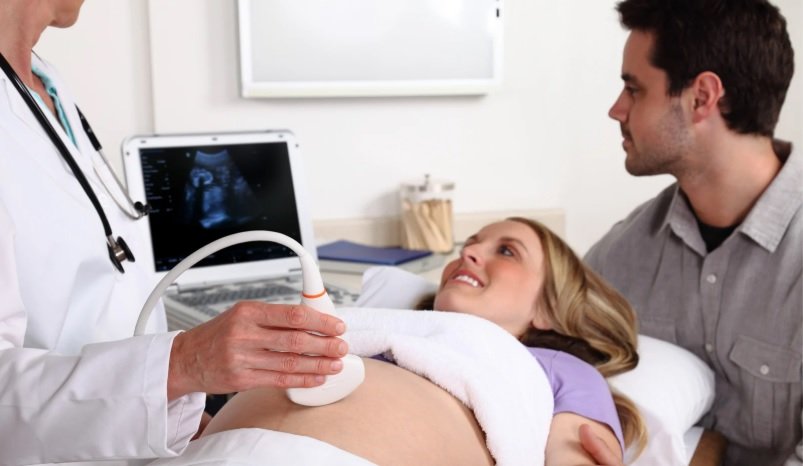
Furthermore, the time frame for when to try to conceive again can vary significantly among women. Some may feel ready to embark on another pregnancy shortly after their loss, while others might need more time to process their emotions.
The decision to get pregnant after a miscarriage should be personal and based on individual readiness. Consulting with a healthcare provider can also help clarify any medical considerations that may influence when to start trying for a new pregnancy.
How Soon Can You Become Pregnant After a Miscarriage?
How long should you wait to get pregnant again after a miscarriage? Many experts suggest that women can try to get pregnant within one to three months after a miscarriage, depending on their individual health and circumstances. This time frame allows the body to recover and the menstrual cycle to regulate, making it easier to track ovulation and increase the chances of conceiving.
However, there is no strict rule on how long you should waited longer before trying again. Some women may feel physically ready sooner, while others may prefer to take additional time to grieve and heal. Ultimately, listening to your body and emotions is vital in deciding when you feel prepared to pursue another pregnancy.
In the context of pregnancy after miscarriage, it’s essential to monitor your body for signs of ovulation and menstruation resuming. A positive pregnancy test can help confirm if you’ve conceived again and help you prepare for a potential new pregnancy.
Taking folic acid supplements can also be beneficial in supporting a healthy pregnancy following a miscarriage. It’s important to engage with your healthcare provider to discuss the best approach for your next pregnancy, ensuring all necessary steps are taken to optimize your chances of a successful outcome.
What is the Risk of Another Miscarriage?
Following a miscarriage, many women worry about the risk of another miscarriage in future pregnancies. Statistically, the overall risk of miscarriage is approximately 15-20%, and this can vary based on several factors, including age and health. If you’ve experienced one miscarriage, your risk of having another miscarriage does not significantly increase.
However, it’s crucial to understand that each pregnancy carries its own risks, and many women go on to have healthy pregnancies after experiencing a miscarriage. Maintaining communication with your healthcare provider about your health can help assess any specific risk factors that may apply to you.
Additionally, it’s worth noting that many pregnancies end in miscarriage, especially in the first trimester. This statistic can provide comfort to those who have experienced a loss, as they are not alone in this experience.
Factors such as age, genetic issues, or underlying health conditions can increase the risk of miscarriage. However, focusing on leading a healthy lifestyle, managing stress, and communicating with your healthcare provider can improve your chances of a successful pregnancy in the future.
What if I Experience Another Early Pregnancy Loss?
Experiencing another early pregnancy loss can be devastating, and it’s essential to give yourself the space to grieve and process your emotions. If you find yourself facing another miscarriage, reaching out to a support network or a healthcare professional can be beneficial.
They can provide guidance, reassurance, and the necessary resources to help you navigate the emotional and physical aspects of another loss. Understanding that early pregnancy loss is not uncommon can help mitigate feelings of guilt or isolation, reminding you that you are not alone.
Furthermore, if multiple miscarriages occur, it may be worth discussing with your healthcare provider to explore potential underlying causes. Investigating the reasons for recurrent pregnancy loss can provide insight and help in planning for future pregnancies. They might suggest tests or evaluations to identify any issues that may need addressing.
Ultimately, it’s essential to focus on healing and reflect on your readiness to try again when you feel emotionally prepared to embark on another journey toward pregnancy.
Commonly Asked Questions about Pregnancy after Miscarriage (FAQs)
What else should I consider before trying to conceive again?
Before trying to conceive again, optimize nutrition (healthy fats, vitamins), manage stress, check hormone balance, address any underlying health issues, and ensure proper ovulation and sperm health. Consult a doctor if needed.
Do I want to get pregnant again?
Only you can decide. Consider your health, finances, emotional readiness, and family members goals. Reflect deeply or discuss with a trusted partner or counselor before deciding.
What happens if you miscarry again?
If you miscarry again, consult a doctor to check for underlying causes (hormonal, genetic, or structural). Emotional support and medical guidance can help before trying again.
What are the chances of getting pregnant after experiencing multiple miscarriages?
The chances vary, but many women conceive successfully after recurrent miscarriages. Testing for causes (like ectopic pregnancy or hormonal issues) improves outcomes. Seek medical advice after loss of a pregnancy.
How soon can you get pregnant after miscarriage?
You can ovulate as soon as 2 weeks after a miscarriage, but the College of Obstetricians suggests you need to wait 1-3 menstrual cycles to prevent a miscarriage and ensure recovery.
Do you miscarry with a molar pregnancy?
Yes, a molar pregnancy (abnormal tissue growth) usually ends in miscarriage and requires medical treatment. Unlike an ectopic or molar pregnancy, it’s non-viable and must be removed to prevent complications.
Is two miscarriages in a row normal?
Two miscarriages in a row occur in about 1% of women but aren’t “normal.” Testing for underlying causes (genetic, hormonal, or anatomical) is recommended to improve future pregnancy success.
Conclusion
How long after a miscarriage can you try again? Recovering from a miscarriage is a deeply personal journey, and when considering trying to conceive again, it’s essential to prioritize both emotional and physical well-being. Understanding how soon can you become pregnant after a miscarriage, risks, and health considerations involved can empower women to make informed choices about their future pregnancies. While many women successfully become pregnant again after a miscarriage, the decision on when to try should be based on individual readiness rather than a set timeline. talk to your healthcare providers and seeking support from loved ones can greatly assist in navigating this challenging time, ultimately leading to a successful pregnancy in the future.
In conclusion, whether you’re eager to get pregnant after a miscarriage or still processing the emotional aftermath, remember that everyone’s journey is unique. Taking the time to heal, educate yourself about women’s health, and consult with healthcare professionals can enhance your chances of a successful pregnancy ahead. With patience and support, many women go on to experience healthy pregnancies after a miscarriage, turning their hopes into reality, and embracing the joys of motherhood once again.
Recommrnded posts
- Proven Tips for Getting Pregnant After Chemical Pregnancy
- Conceiving After Miscarriage Tips: How to Boost Your Chances
- 7 Warning Signs of Bad Egg Quality Every Woman Should Know
- Can Ovulation Test Detect Pregnancy? Shocking Truth
- A Comforting Prayer for Healthy Pregnancy and Safe Delivery
- Dream About a Miscarriage Meaning: Here’s What Experts Say